From mining town to regional centre: how Genk gained a new face in 25 years
Text Tim JanssensImage Stad Genk, Eddy Vanoppen, studioPSG, Visit Limburg
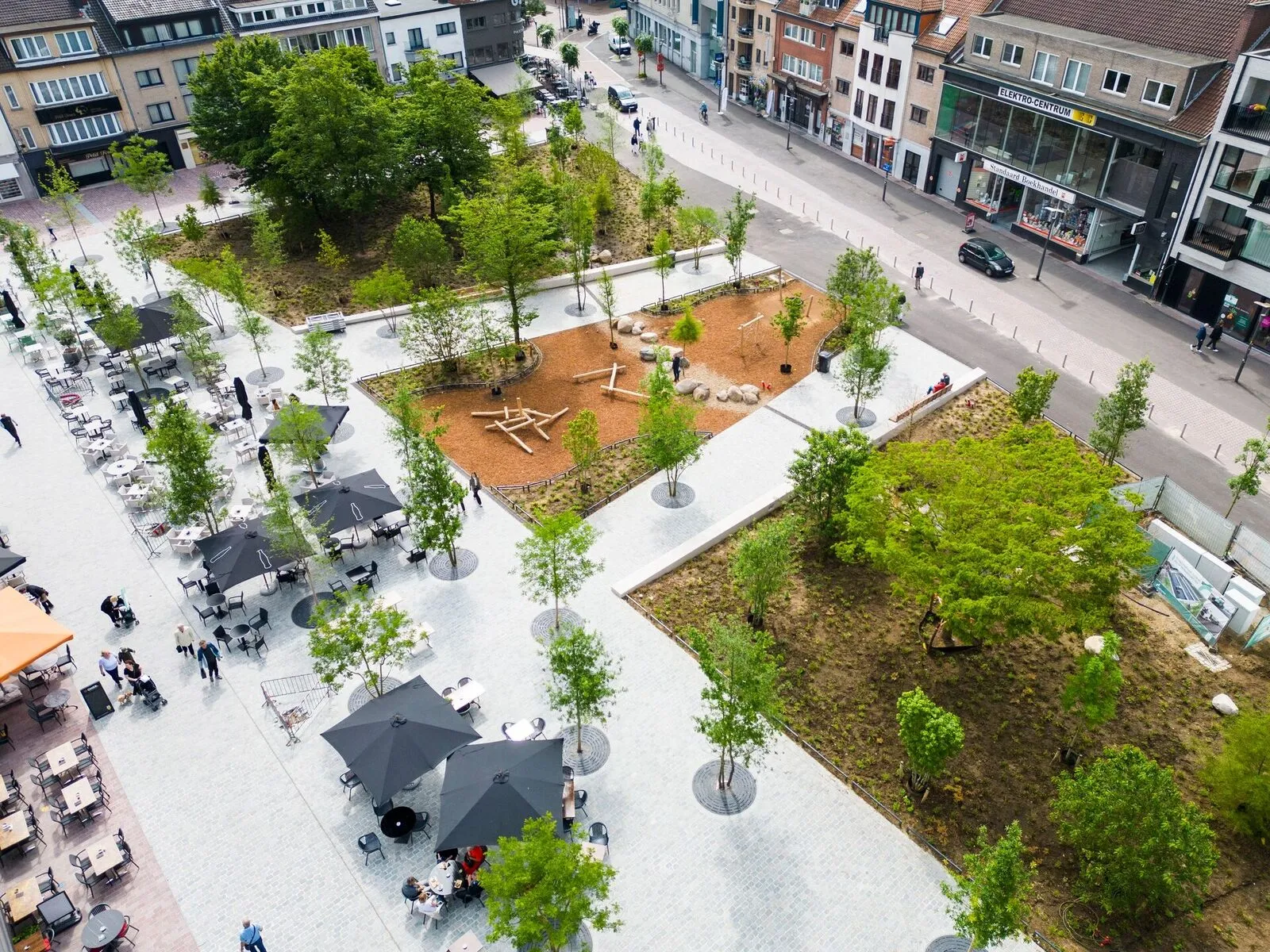
Insiders will wholeheartedly agree: there is always something going on in Genk, not least in construction. Few cities in Limburg have undergone such a transformation since the turn of the century. How has Genk developed over the past quarter-century into the dynamic regional centre it is today? What is currently at the top of the city’s to-do list? And what should Genk’s building stock ideally look like in ten to fifteen years’ time? We put these questions to Philippe Gelders, Head of the Building & Infrastructure Department, who has had a front-row seat throughout and will continue to help steer things in the years ahead. “Although we have to tighten our belts and make choices at the moment, there is still plenty to come in our beautiful city.”
His days are certainly more than busy enough. Together with around a dozen colleagues, Philippe Gelders closely monitors projects carried out by contractors on behalf of Groep Genk (the partnership between the city, the OCMW and the Autonoom Gemeentebedrijf, ed.). This covers design, delivery, budgets, planning, feedback to policymakers and more. “We have a portfolio of works to deliver each year,” he explains. “We oversee some infrastructure projects from start to finish ourselves, but for construction projects we always work with external architecture and engineering consultancies, while providing day-to-day monitoring and support. With a close-knit team of in-house engineers, draughtspeople, site supervisors and administrative staff, we manage to get the job done every time.”
From city-centre development to former mining sites
You started in 2000, so you have now been here for more than a quarter-century. How has construction activity in Genk evolved over that period?
Philippe Gelders: “In my early years, the focus was mainly on city-centre development. A number of facilities and amenities were added that brought valuable additions to the urban fabric, which was still relatively undeveloped and low-density. These included the library and youth centre. At the same time, a private partner developed the entire shopping street, one of the first public-private partnerships in Flanders.”
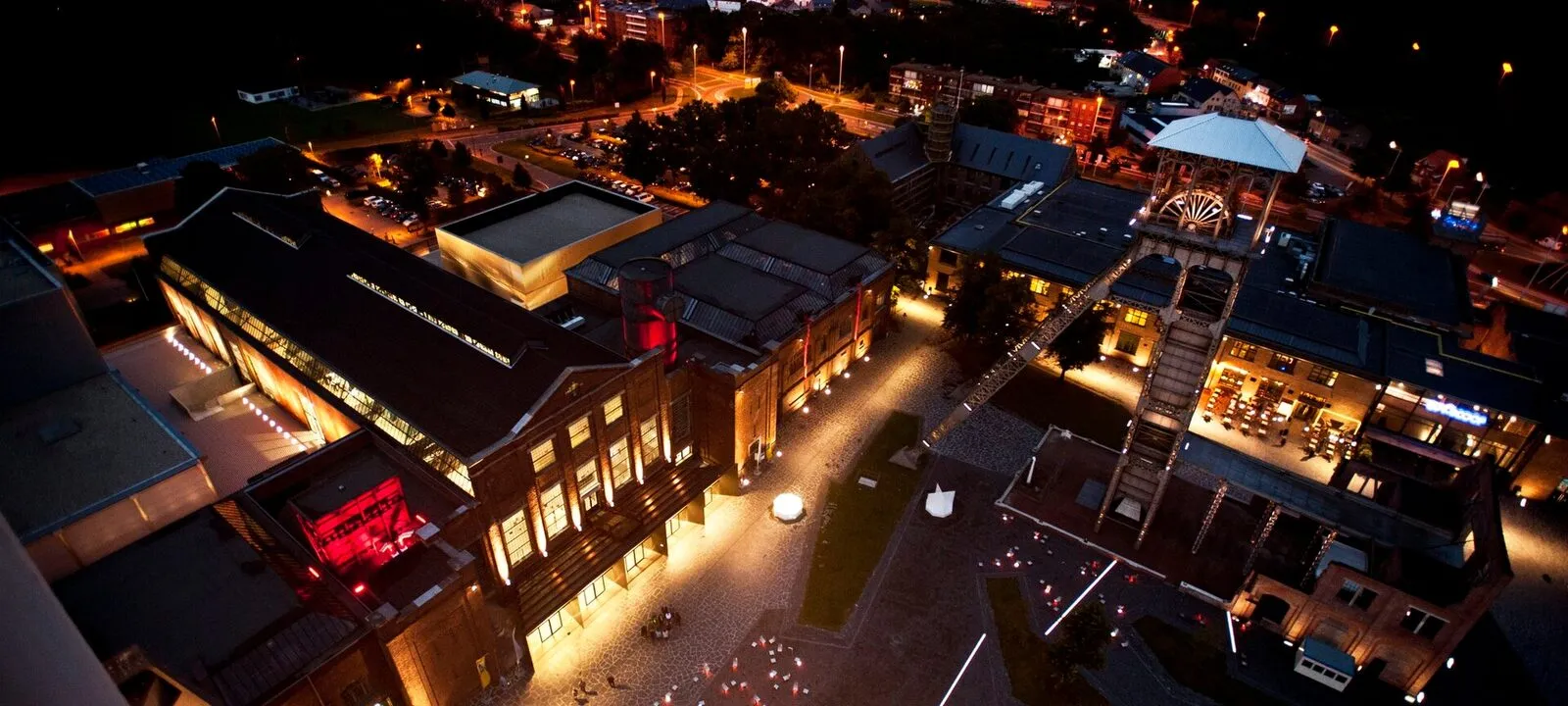
“Later, attention shifted largely to the (re)development of the former mine site in Winterslag, which was renamed C-mine. The first tangible (adaptive reuse) projects were delivered there from 2008-2009 onwards, starting with a large underground car park, the Euroscoop cinema and the cultural centre. Every year, one or two major projects on the site went into construction, and that continued for six to seven years.”
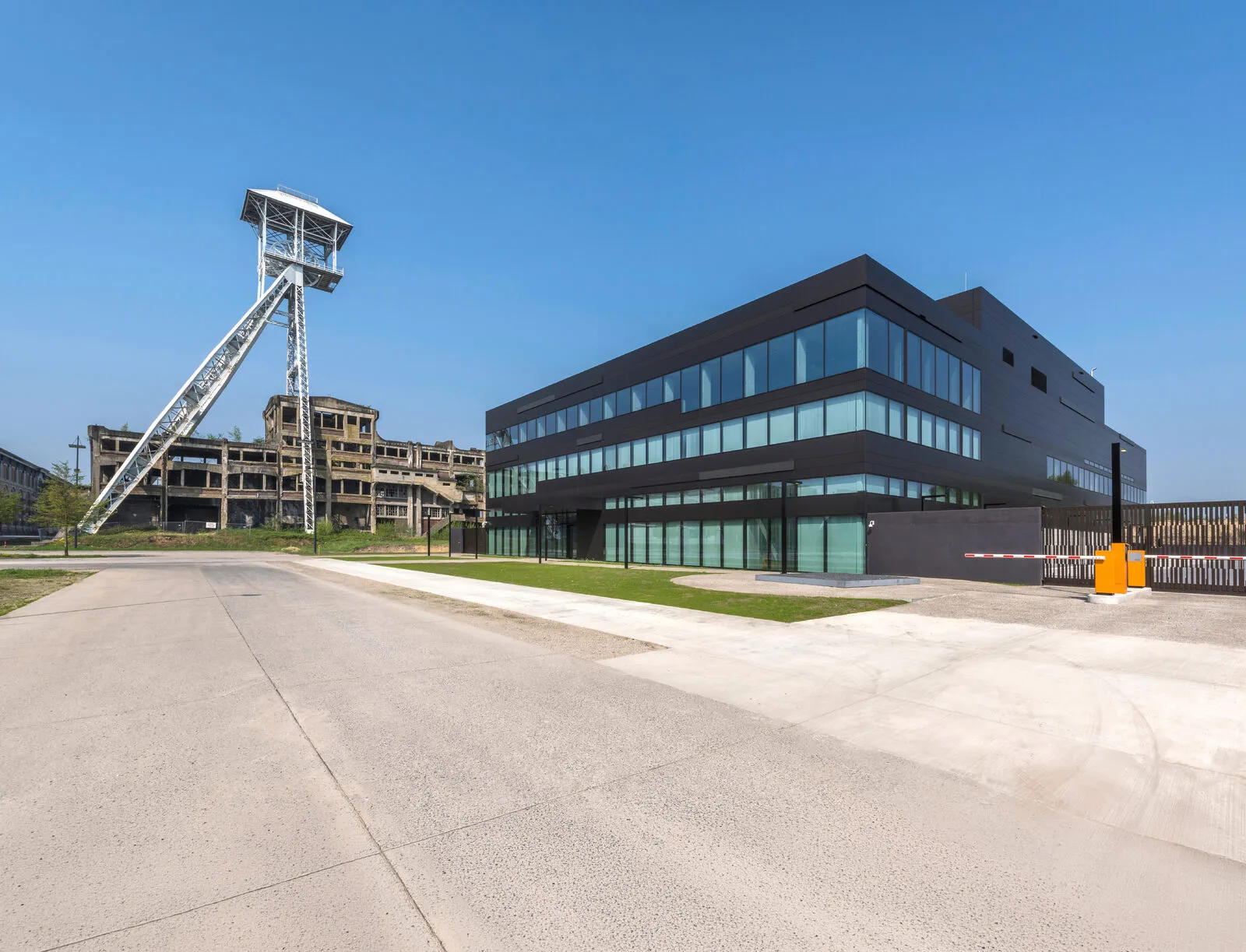
“After the completion of the C-mine Crib business campus, the last project in the series, we transformed the former mine site in Waterschei into Thor Park, including EnergyVille (an innovation hub for sustainable energy, ed.) and event venue Thor Central. We also kept busy beyond the former mine sites: at the same time, we renovated the municipal swimming pool, expanded the sports centre, refurbished various utility buildings and completed the development of Welzijnscampus Portavida. So I have seen quite a few changes during my time as department head.”
A shift in focus towards renovation
What are the main priorities today? Are there areas receiving more or less emphasis now than in the past?
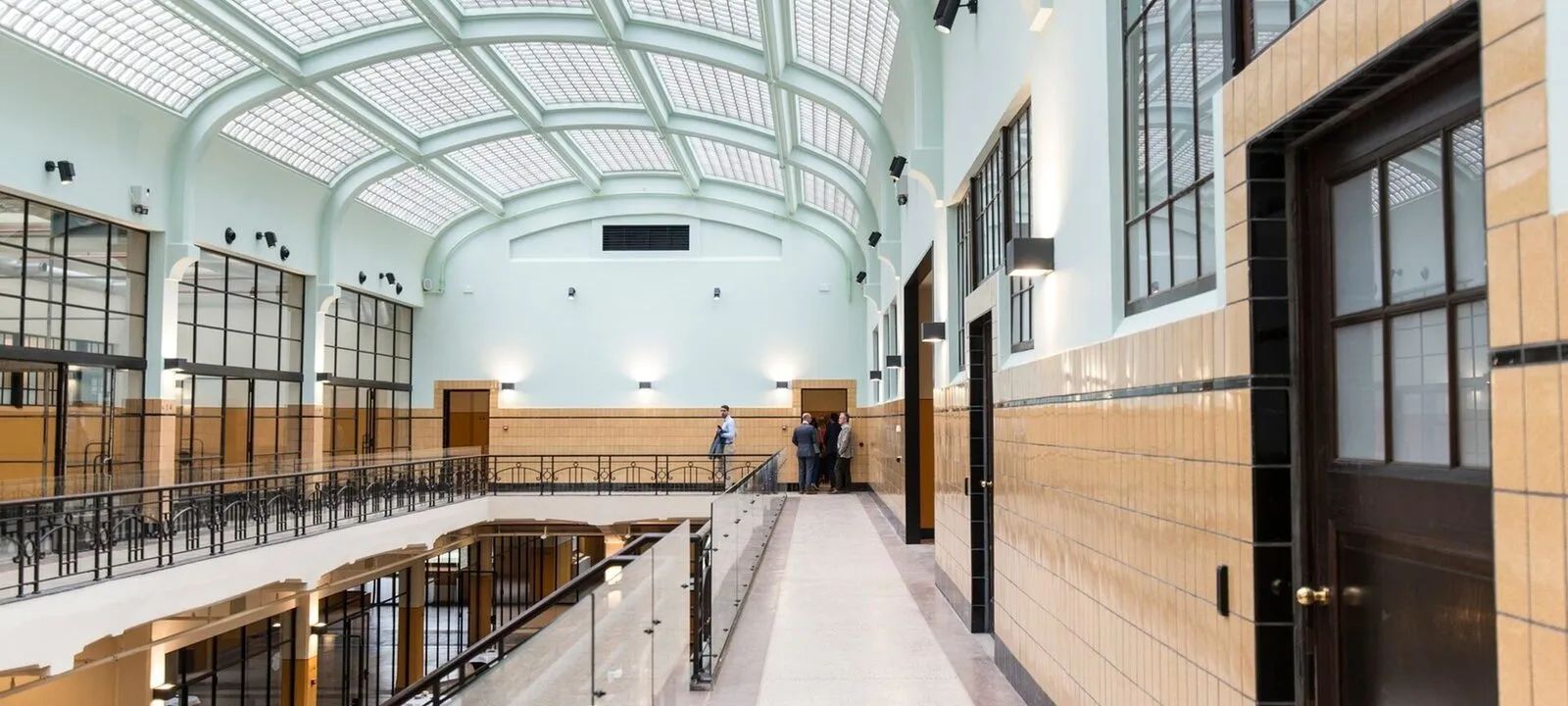
“The main construction phase is now behind us. Over the past 25 years, we have delivered many of the facilities that Genk, as a regional centre, either lacked or did not have enough of. But there is no point pretending otherwise: like many other Flemish cities and municipalities, we have to tighten our belts today. We can no longer maintain the investment pace of the past because the budget simply no longer allows it. So we have to make choices. For example, we are considering a strategic property action plan to assess whether we can optimise our estate and whether it would be advisable to sell certain properties or close facilities. The requirement to make our buildings substantially more sustainable in the coming years naturally plays an important part in this.”
“In any case, the focus will shift even further towards renovation. We hope to refurbish our town hall during the next term of office. We also hope to redevelop the former Regina Mundi site in due course, and there are, of course, still plans to improve the area around our railway station, both in terms of infrastructure and the density of the surrounding buildings. These last two projects are proving quite challenging, however, given the specific context and the many stakeholders involved.”
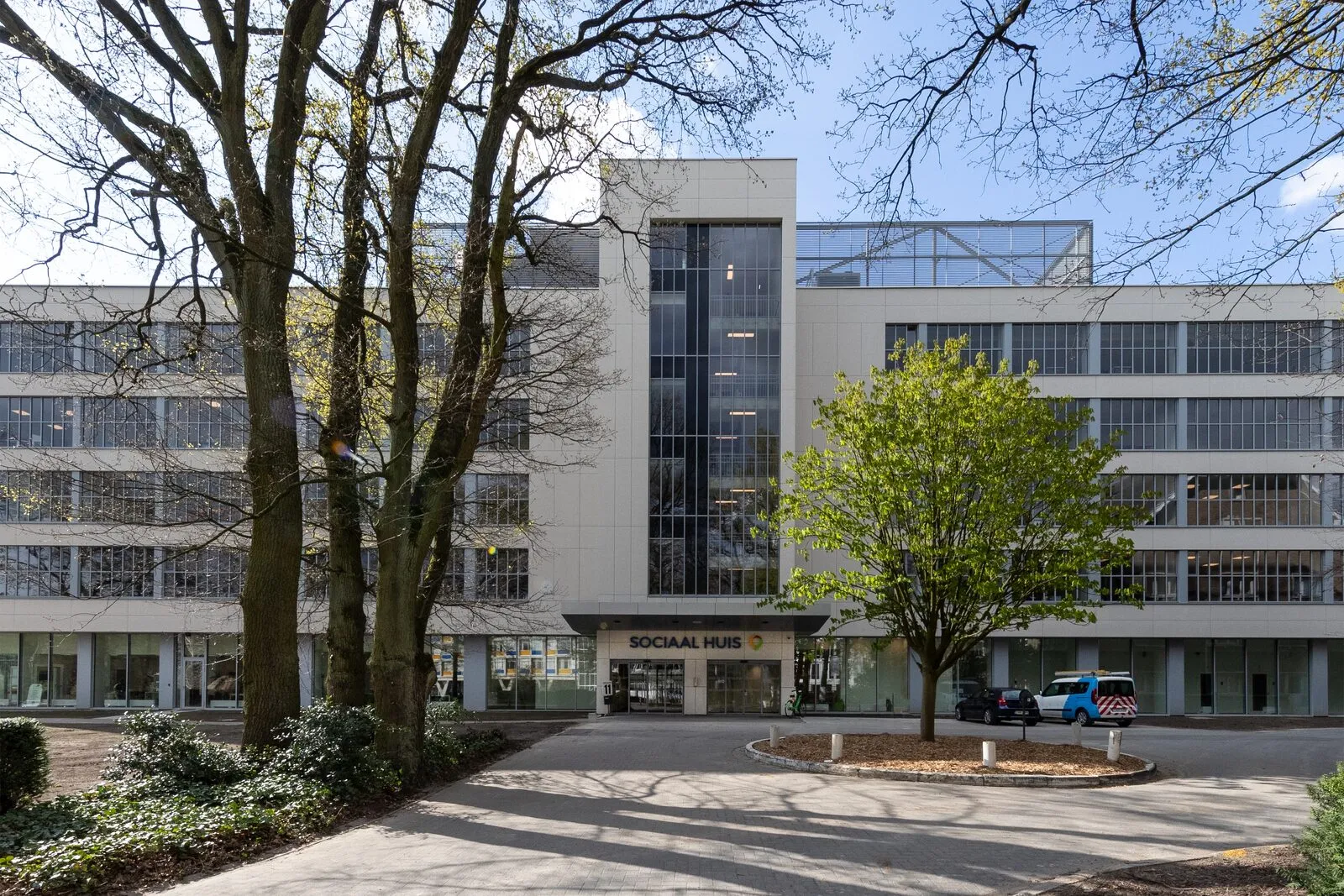
“One new-build project still planned for this term of office, making it something of an exception to the rule, is the upgrade of the animal shelter. The dilapidated buildings will be replaced by a modern complex. Funding has also been set aside for an energy-efficiency upgrade to the visitor centre at Kattevennen nature and recreation area. For the rest, however, the available budgets are largely earmarked for developing and maintaining municipal infrastructure, where more obligations and urgent interventions are arising. If an overflow structure urgently needs to be remediated, we obviously cannot put it off. As a result, our building stock sometimes takes a back seat for a while.”
Climate considerations and sustainability
Where do you hope Genk will be in ten to fifteen years’ time in terms of construction? What should have changed by then compared with today?
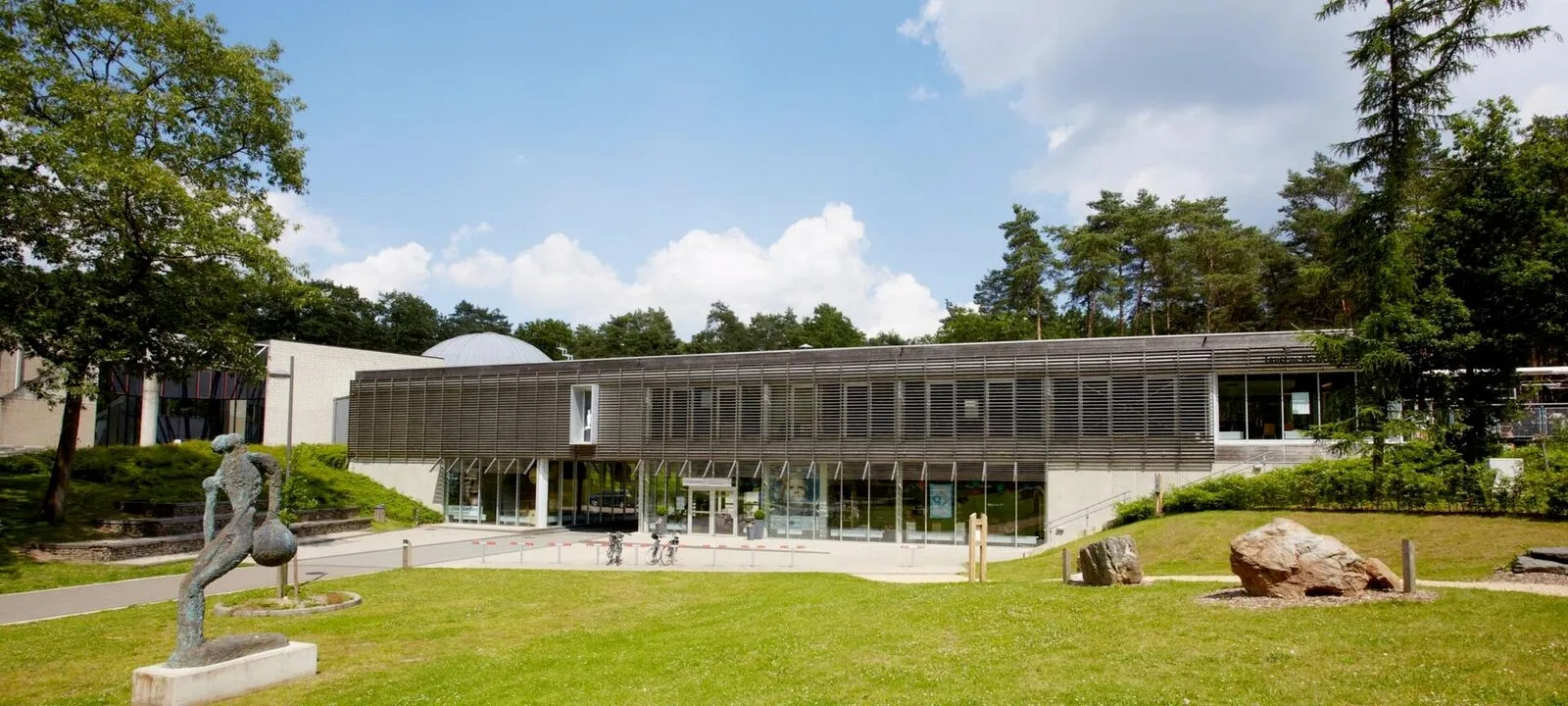
“Climate considerations present us with a huge challenge, both in terms of mitigation and adaptation. Although we also have plenty of green space (including Stadsbos, Melberg and Molenvijverpark, for example, ed.), Genk is still one of the most heavily paved regional centres in Flanders. As a result, we struggle with drought and flooding. The redesign and greening of Evence Coppéelaan and the depaving of Grote Markt and Sint-Martinusplein have set the tone. Green roofs can also help reduce the urban heat-island effect in the city centre and retain excess rainwater. We hope that in ten to fifteen years’ time these principles will have been applied as widely as possible across all our municipalities and that they will be making a real difference.”
“A second major objective, as mentioned earlier, is to make our building stock more sustainable. In other words, the buildings we manage and wish to retain need to be upgraded once again in terms of energy efficiency, user comfort and overall sustainability. I certainly do not expect us to put up many more new buildings any time soon, although that does not mean we will be operating at a lower level. We will continue to do our utmost to realise Genk’s potential as a regional centre, in line with budgetary realities and today’s policy framework. By 2040, this will undoubtedly have paid dividends.”
Question about this story? Ask your question
Keep following this
Get an email when a new story is published. No account needed.
- SubjectLimburg