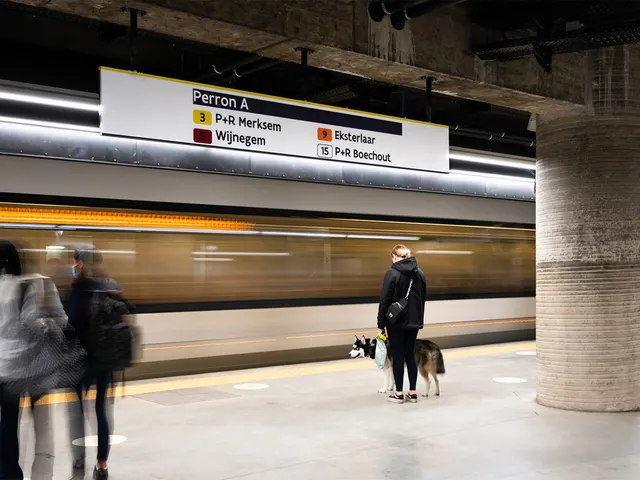
The psychological impact of wayfinding and signage
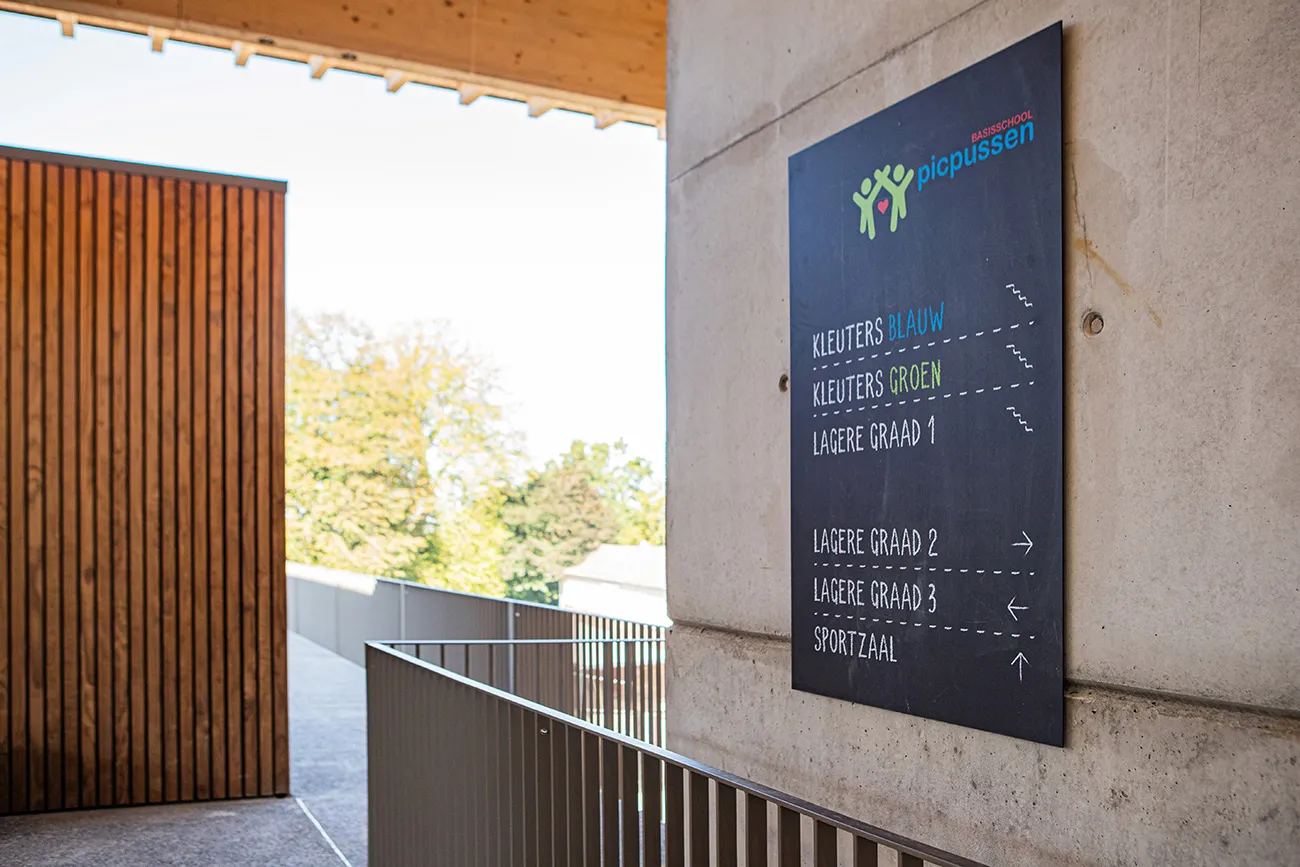
An increasing number of clients and architects are calling on specialists from different fields to refine and optimise their projects. One relatively new and fascinating field is environmental psychology, which is based on the premise that the built environment influences people’s behaviour and experience. Wayfinding and signage play a crucial role in this respect.
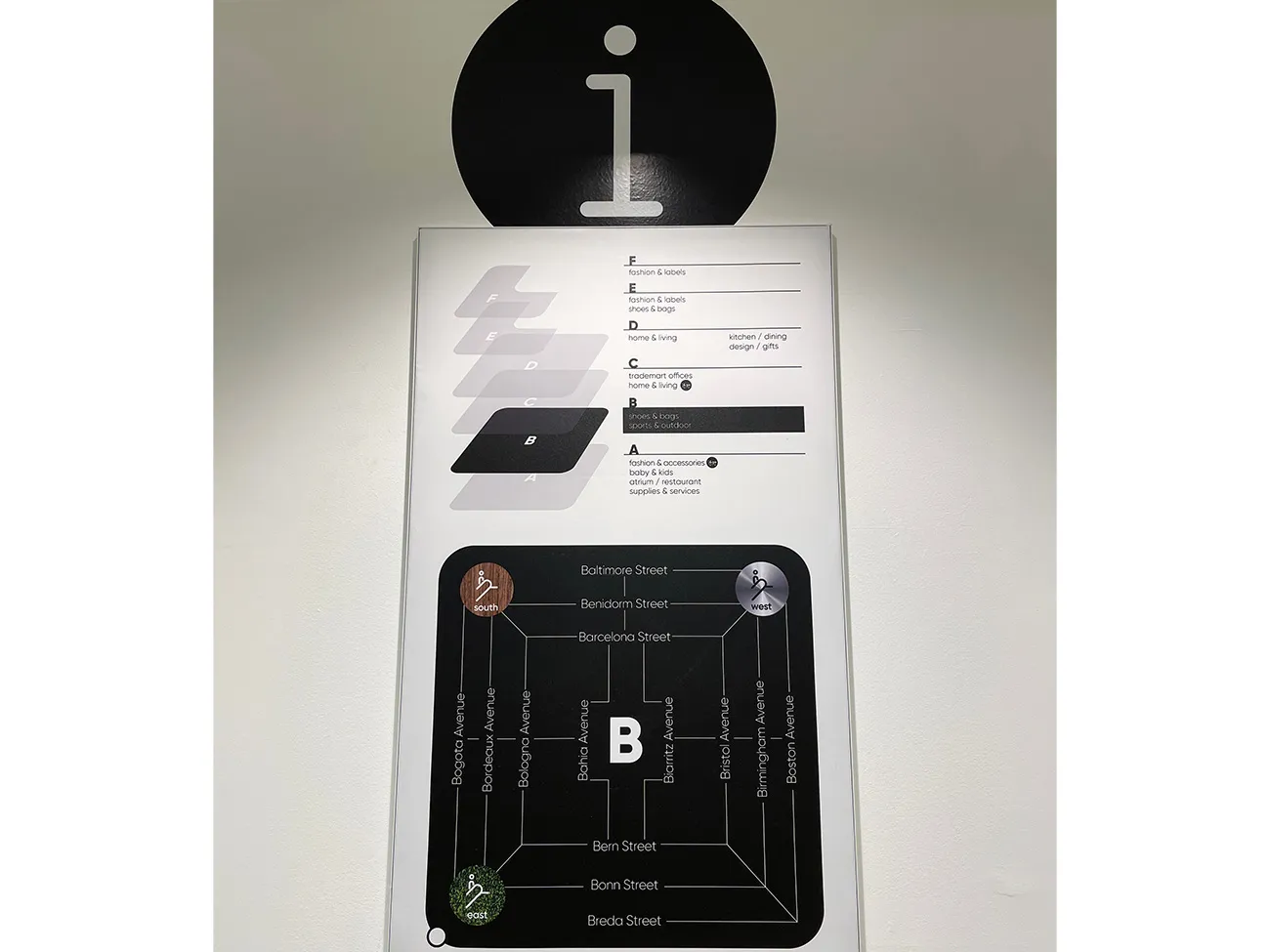
How do we experience our surroundings? How do they influence our behaviour? Where do we feel safe and at home, and where do we not? How can an environment encourage or hinder desirable behaviour? These are the questions at the heart of environmental psychology, a scientific discipline that is particularly well established in the Netherlands and is gradually making its way into our country. Environmental psychologists study the interaction between the built environment and people. In this respect, they are a crucial link between (interior) architects and end users, and can be invaluable to forward-thinking clients and design teams. By viewing a particular environment through the eyes of its end users, whether they are patients, visitors, residents, employees, teachers or pupils, they can help ensure that a building project responds effectively to existing needs. Anticipating the possible consequences of design decisions, and thereby avoiding shortcomings, mistakes and additional costs: this is the value environmental psychologists can bring.
Cognitive maps
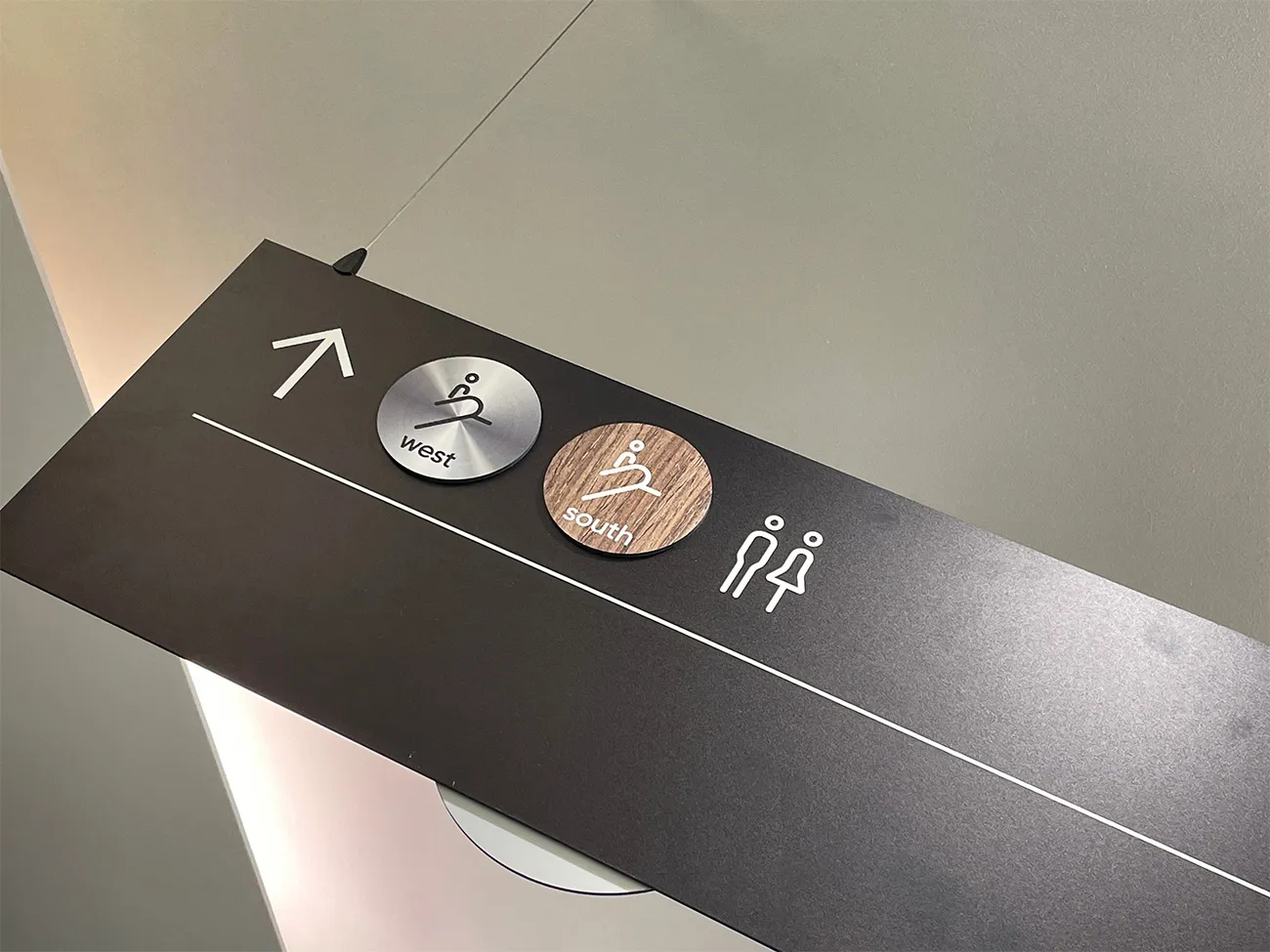
One aspect that environmental psychologists consider particularly important is wayfinding. People trying to find their way in an unfamiliar space may experience stress and lose time, which can lead to negative feelings, for example towards the person or organisation that owns a building. It is therefore important to devise an effective wayfinding strategy and ensure that end users can orient themselves easily in and around a building. Environmental psychologists analyse the thought processes and behaviour people use to find their way. They make use of what are known as ‘cognitive maps’: in other words, they try to form a mental picture of how a space is laid out. This can be done sequentially, with information arranged in a sequence to form a kind of route, or spatially, as an overview of an environment from above. The more accurate and detailed these cognitive maps are, the better people can find their way.
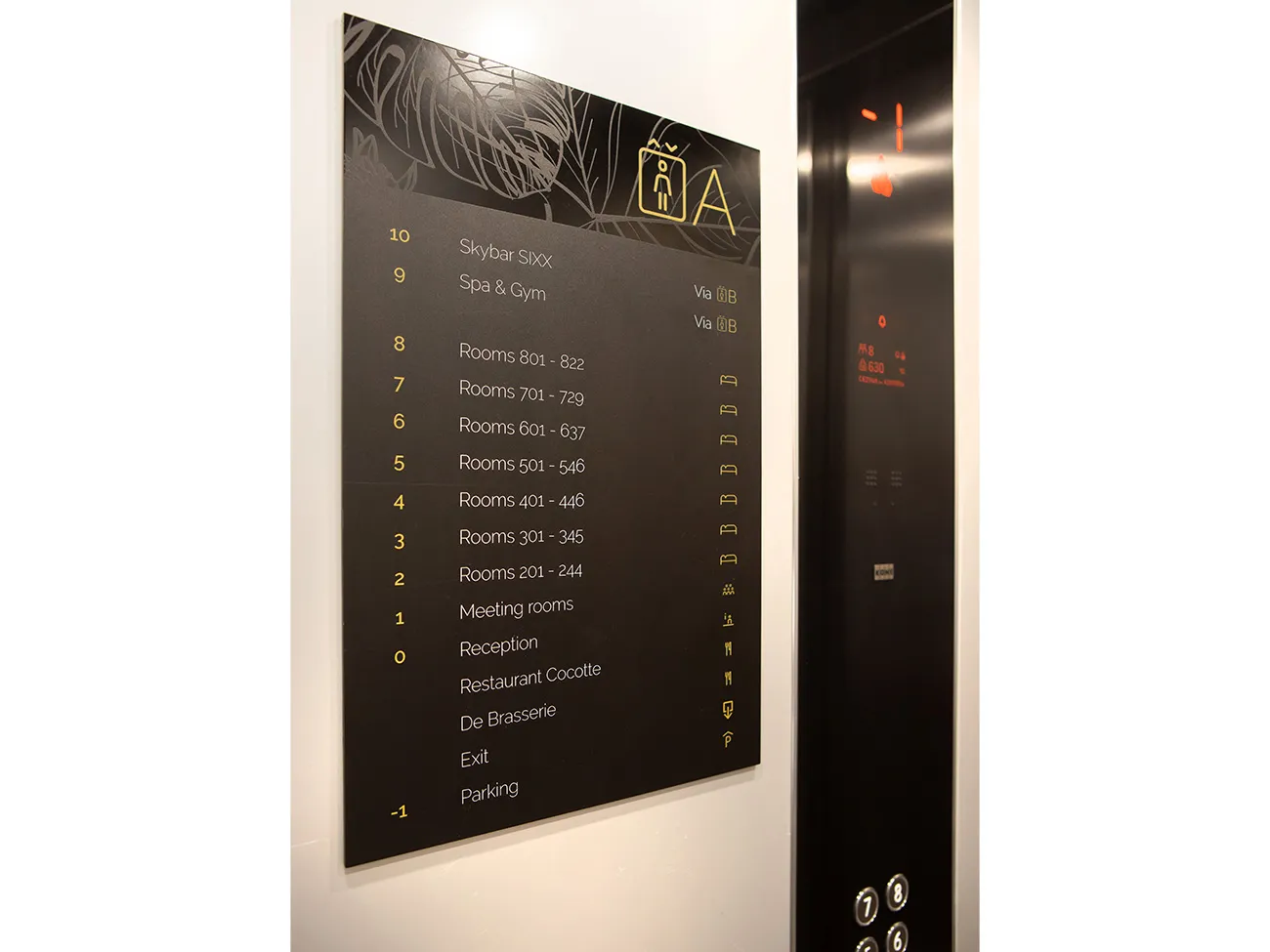
The importance of legibility
Psychological research shows that landmarks and physical wayfinding elements are essential for building cognitive maps and navigating an (unfamiliar) space. In short, an environment must be easy for end users to ‘read’, so that they know almost instinctively where to go. A good wayfinding strategy, implemented through specific signage such as directional signs, floor plans or numbers, can help. It is important that signage is tailored to the different objectives of end users. Are they looking for a specific location, such as a toilet, following a particular route or exploring their surroundings? Each of these objectives calls for specific signage solutions, which should ideally stand out and fit in with the architectural design. In addition, the different spaces in a building should be clearly organised: for example, key circulation routes and landmarks should align with functional divisions and decision points. They should be easy to perceive, so end users can immediately see where the entrance is, for instance, and easy to distinguish from one another, so they can immediately tell the visitors’ entrance from the staff entrance. In short, wayfinding and signage are certainly not a matter of guesswork and are often far more complex than you might think, even though ideally they should look very simple and intuitive. Their psychological impact should not be underestimated, for better or worse …
Question about this story? Ask your question
Keep following this
Get an email when a new story is published. No account needed.
- SubjectSignage