“Fire safety is no longer overlooked”
Text Tim JanssensImage Pexels
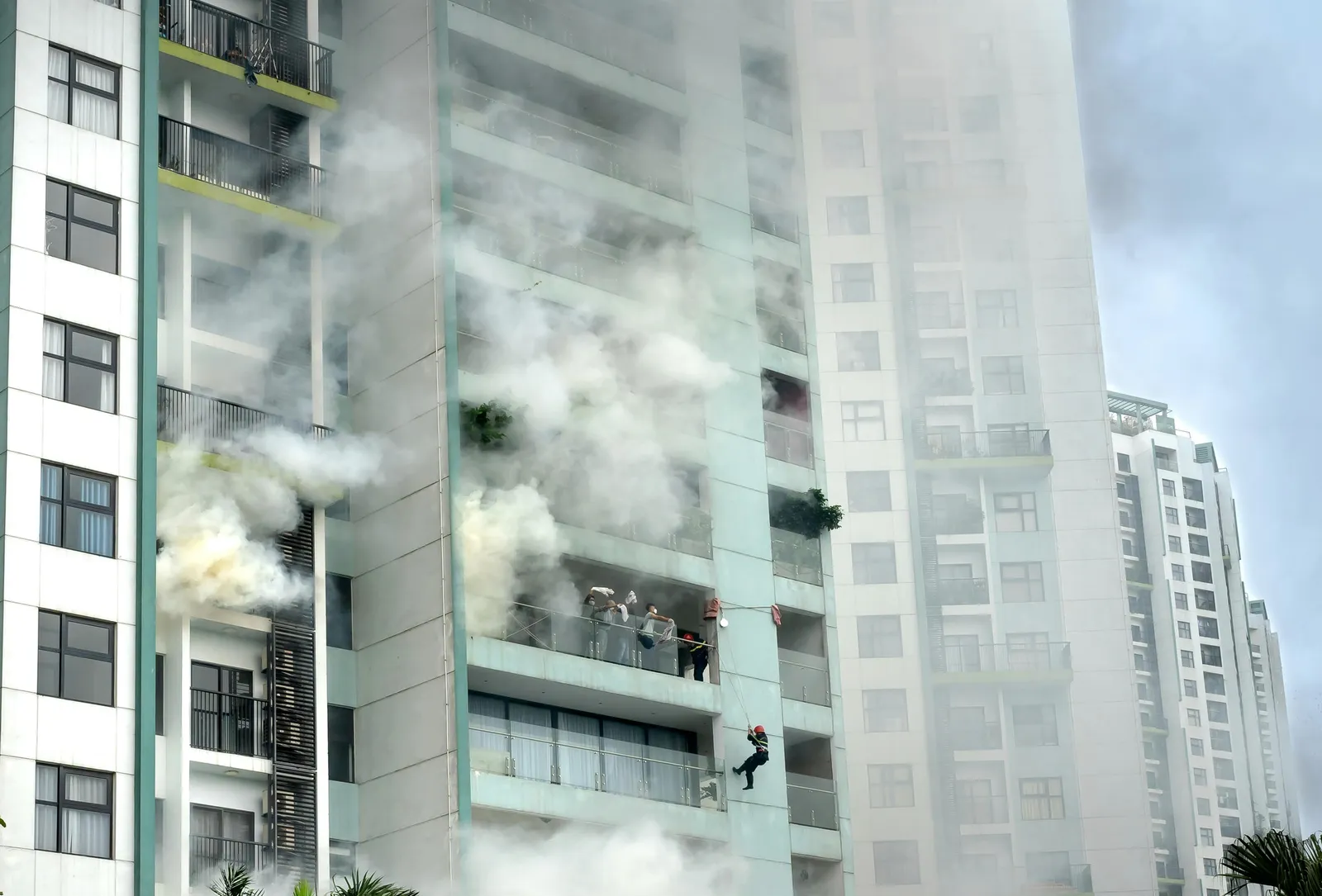
There is no need to spell out that fire safety is a hot topic in the construction sector. In fact, this can now be backed up by some telling figures. In 2025, Buildwise, the innovation centre for the Belgian construction industry, received 25% more enquiries about fire safety than the year before. This trend is continuing strongly in 2026, pointing to growing awareness of fire-safe construction. We spoke to Jeroen Goovaerts, co-coordinator of Buildwise’s ‘Fire Safety’ Committee.
Construction professionals are contacting you increasingly often about fire safety. What are the questions you receive most frequently?
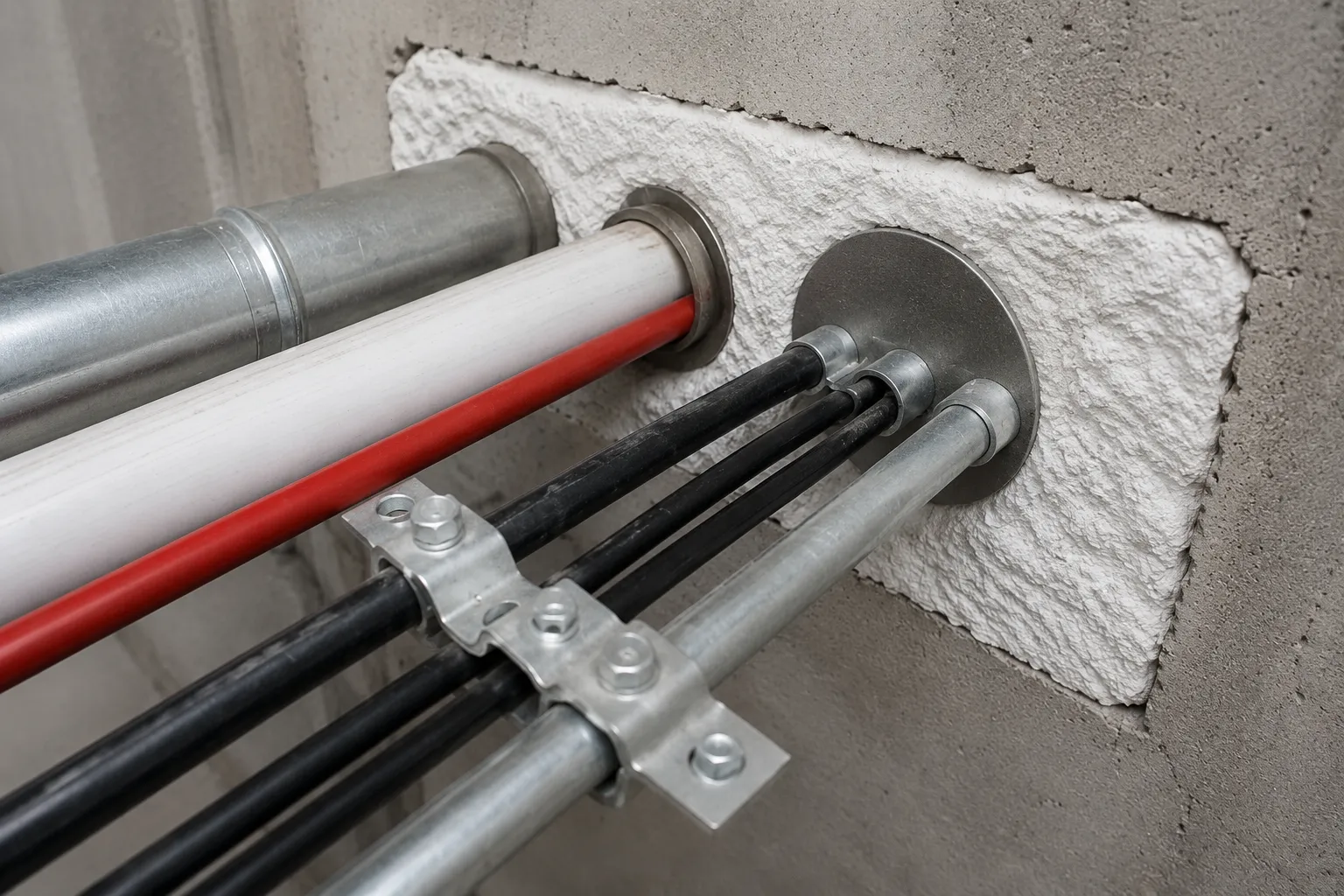
Jeroen Goovaerts: “We have seen a sharp rise in questions about fire spread, fire resistance and reaction to fire, particularly in relation to façades. The latest revision of the Royal Decree laying down the basic standards for the prevention of fire and explosion, dating from the summer of 2022, added a substantial section on the fire safety of façades. Since then, we have received a huge number of enquiries on the subject. Façade fire safety is therefore well ahead of the other topics we are asked about, although we also receive plenty of questions about fire-resistant service penetrations, for example. One possible explanation is that we revised our technical information sheet on the subject in 2024.”
A 25% increase is substantial. What are the main reasons for this heightened attention to fire safety?
“It is always difficult to link this directly to specific causes, but the fact that several fires have occurred recently and received extensive media coverage may certainly have played a part. Think of the devastating inferno at the ski resort
of Crans-Montana on New Year’s Eve. This may prompt people to consider the fire safety of ceiling finishes, just as the Grenfell Tower fire in London was a real wake-up call on façade fire safety. It does not explain everything, but we generally find that events like these do affect the number of cases we receive. The tougher regulations have probably also had an impact, as have the many fire safety publications we have produced at Buildwise.”
Those tougher regulations have been in force for some time. Isn’t it strange that they are only having a tangible effect several years later?
“No, it is typical for this kind of thing to filter through to practice relatively slowly. Implementing new regulations is a long process, but sooner or later the various construction stakeholders gain a better understanding of what is required. And because it is not equally clear to all construction professionals how to translate the general fire safety requirements into specific solutions, they come to us for advice.”
Do you think this upward trend will continue in 2026?
“Absolutely. So far, the figures are even higher than in 2025. And the strong focus on façade fire safety is continuing too.”
This ties in with something you have increasingly heard in the sector in recent years: that fire safety is no longer treated as an afterthought. Do you agree?
“Yes, fire safety is no longer overlooked. That said, we still find that in many cases we are only consulted once projects are already under way, even though many of those issues could easily have been tackled and resolved at the design stage. There is still room for improvement. That aside, I do feel that fire safety is now a fully fledged consideration that is no longer simply ignored. That is only logical, given that there is specific legislation in place and the consequences of failing to comply can be truly dramatic. In short, the number of enquiries we receive shows that awareness is growing, but the key is to apply the relevant knowledge at an earlier stage.”
Can the ongoing digitalisation of the construction sector have a positive impact here?
“Without a doubt. The FireBIM project is a good example. It aims to harmonise and integrate the fire prevention and fire safety codes of the five participating countries (Belgium, Denmark, Portugal, Lithuania and the Netherlands) in an open-source BIM platform. Among other things, this makes it possible to automatically check BIM models against national fire safety regulations, bringing any issues to light during the design stage so they can be resolved. We also continue to provide training and publish guidance to make complex requirements more manageable and translate them into clear, practical solutions that can be applied effectively. Anyone who would like to learn more about fire-safe construction can visit Buildwise’s dedicated topic page. Alongside legislation and standards, it offers a wealth of practical guidance, technical information and recommendations for designers, contractors and other construction professionals.”
Question about this story? Ask your question
Keep following this
Get an email when a new story is published. No account needed.
- SubjectFire safety