Hotel interiors in 2025: experience, sustainability and digitalisation
Text Tim JanssensImage Pexels, Pixabay
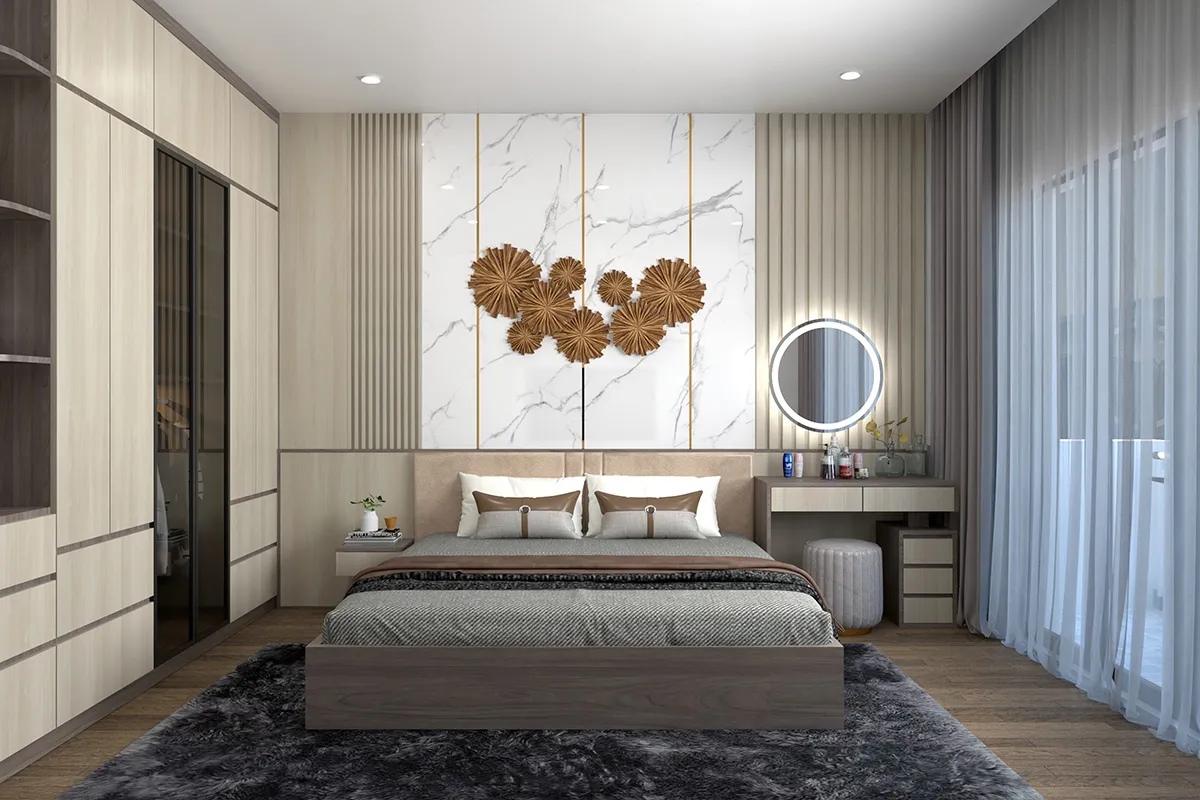
These days, a hotel stay is about more than just an overnight stay and all the associated functional amenities. Above all, it is about the experience. Guests are looking for a unique, meaningful experience, and designers are doing their utmost to deliver, while taking broader societal developments such as sustainability and digitalisation into account. This article highlights five notable trends in hotel design.
Spaces that tell stories
Contemporary hotels are finding various ways to stand out. Increasingly, they are breaking away from the traditional sequence of lobby, restaurant, corridors and rooms in favour of modular interiors where different zones and functions flow into one another. The result is a visual narrative in which each space forms part of a ‘story’. In practice, this means, among other things, fluid circulation, tactile materials, carefully orchestrated sensory experiences (lighting, acoustics, scent, etc.) and strategically placed micro-settings that do more than provide decoration: they act as wayfinding points and create a sense of cohesion, such as inviting coffee corners. Spatial flexibility is another priority. For example, rooms can easily be transformed into co-working spaces or lounges with multifunctional furniture, foldaway beds and movable partitions.
A sense of place
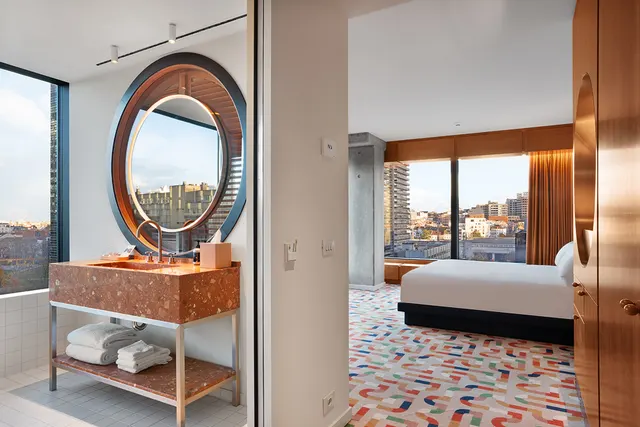
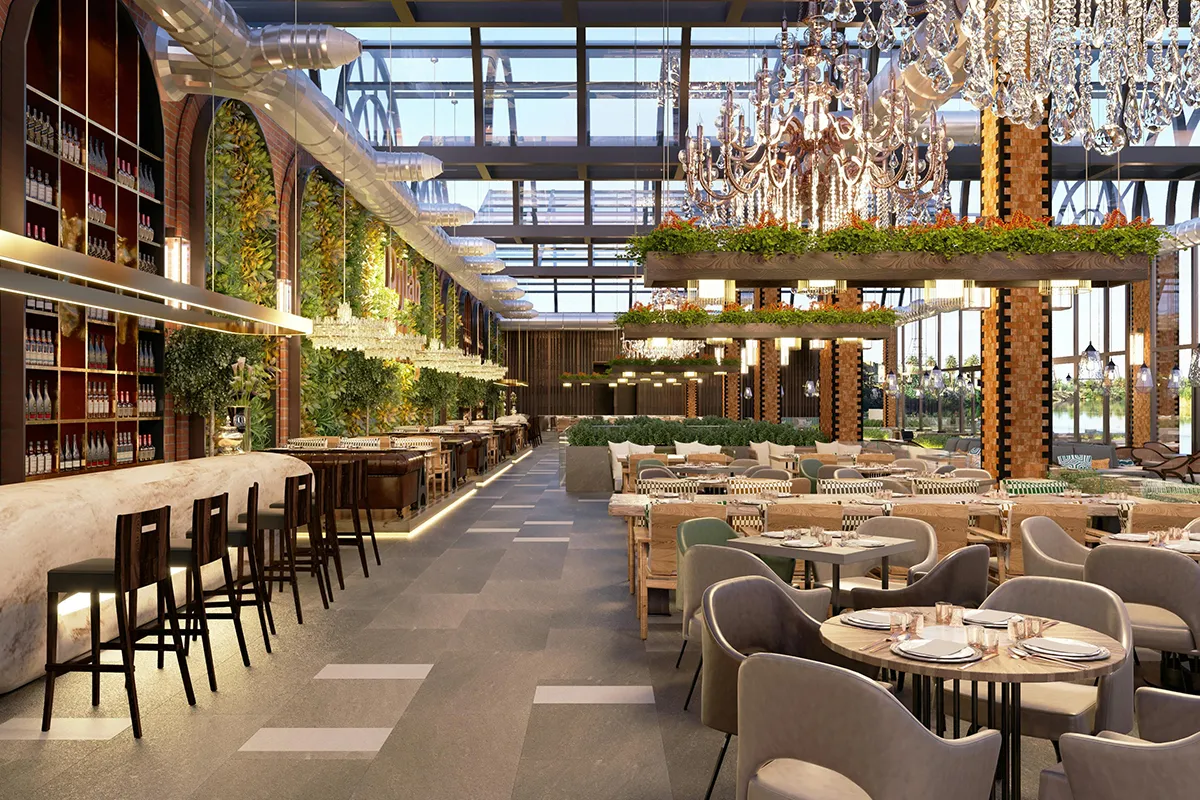
Hotels are increasingly being designed with a local touch. Rather than using expensive and/or environmentally damaging exotic alternatives, designers highlight the character of a place by choosing regional works of art and bespoke craft elements, local stone and timber, and a distinctive design language. This not only creates an identity that reflects the surrounding context and culture, but also makes maintenance and replacement much easier. A related development is ‘soft minimalism’: calm, understated interiors with clean lines, simple forms, natural textures and a limited colour palette, alongside continuity between indoor and outdoor spaces to further enhance the hotel experience.
Comfort and wellbeing as part of the spatial design
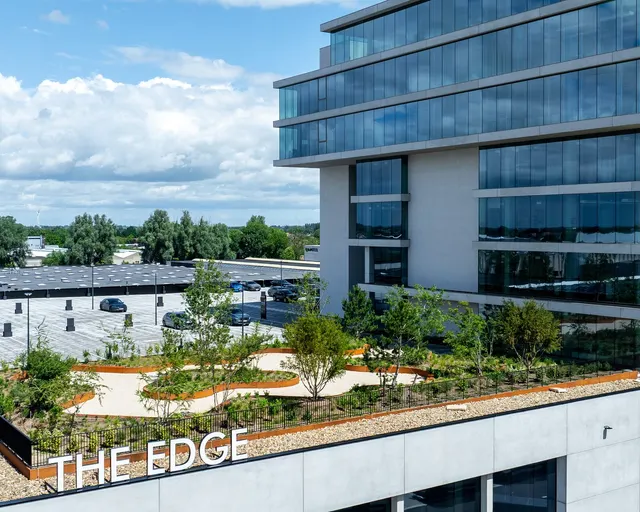
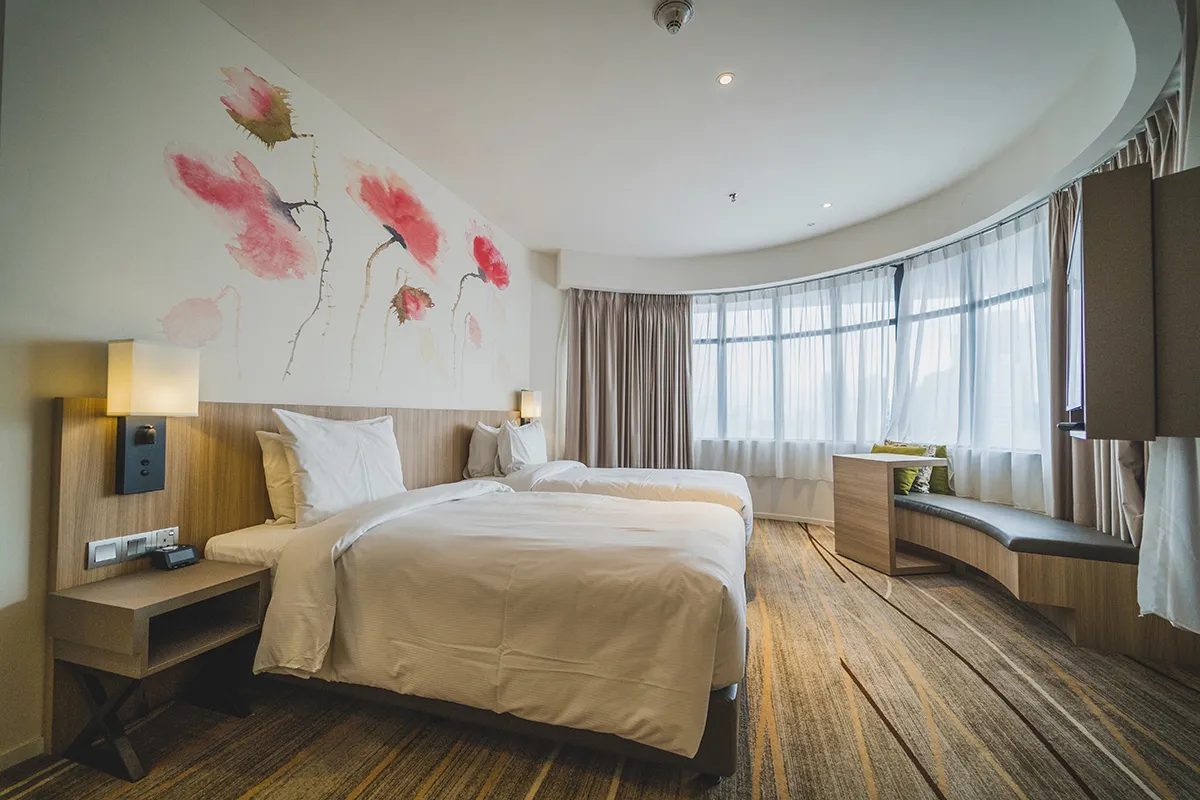
Comfort is the watchword in hotel environments, and every effort is made to optimise it. This encompasses everything from a pleasant indoor temperature and excellent acoustics to colour and material choices that support guests’ health, mental wellbeing and sleep quality (low VOC emissions, soft textures, visual calm, etc.). One significant trend in this respect is the rise of biophilic design, which puts the connection between people and nature centre stage. This is expressed through the integration of natural elements such as plants, timber, water, natural light and organic forms. The same approach is generally carried through into (semi-)outdoor spaces such as interior gardens, patios and walkways.
Sustainability as a key advantage
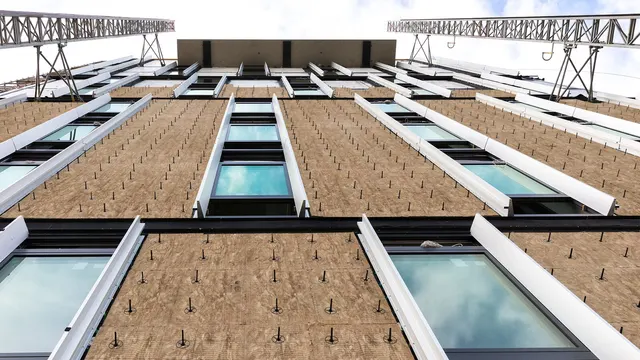
In the hospitality sector, sustainability is no longer optional: it is a prerequisite. Beyond energy performance, with a focus on minimising energy demand through energy-efficient and preferably fossil-free systems, there are many other considerations. These include natural light, indoor air quality, reducing the overall CO2 footprint and applying circular construction principles (spatial flexibility to accommodate future redesigns or conversions, material reuse, recoverable building components, reversible connections, etc.). The challenge is to meet all the associated requirements in a refined way. Industrial-style interiors that make ventilation and other services a defining aesthetic feature, along with stylish fire doors, are good examples.
Smart technology designed around people
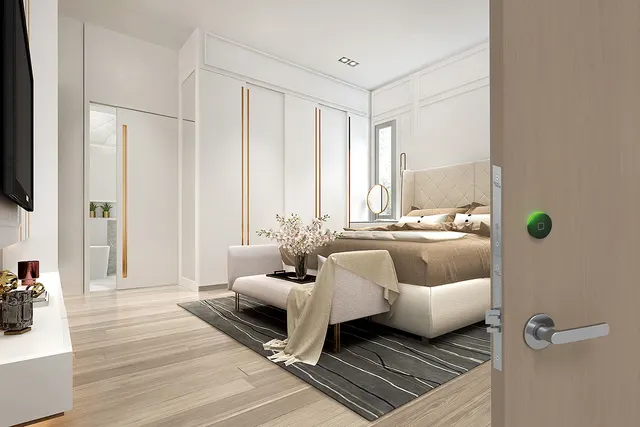
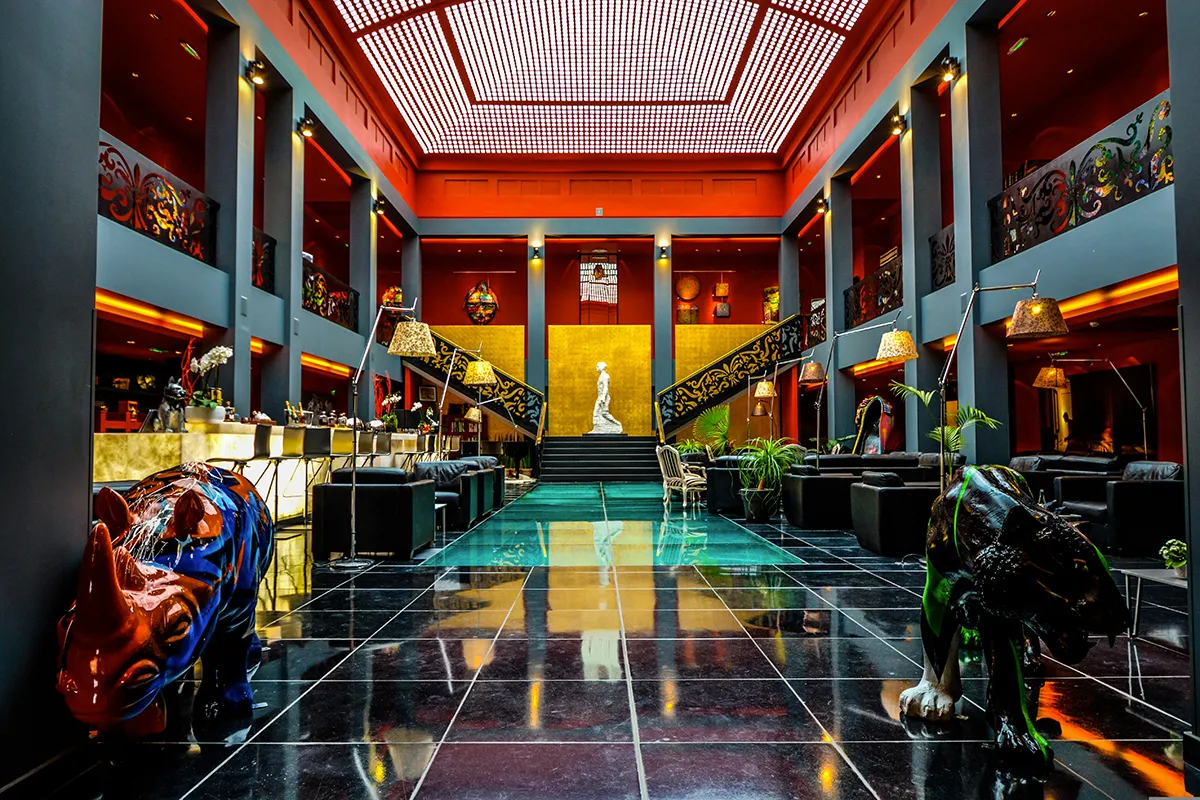
Finally, let’s take a look at ongoing digitalisation, a trend that is now ubiquitous in the hotel sector. There are many intuitive, user-friendly technologies that can make guests’ stays more pleasant and memorable. Self-service check-in and keyless entry via smartphone or biometrics are already commonplace in many hotels, as are home automation systems and showers controlled via a digital touchscreen. Given the rapid rise of artificial intelligence and the Internet of Things, we can undoubtedly expect many more exciting innovations in the coming years, such as AI concierges, cleaning robots and ever greater personalisation (dynamic pricing, smart rooms, activity recommendations, etc.).
Question about this story? Ask your question
Keep following this
Get an email when a new story is published. No account needed.
- SubjectHotel interiors