Smart standardisation fast-tracks social housing
Text Tim JanssensImage Andreas Gijbels
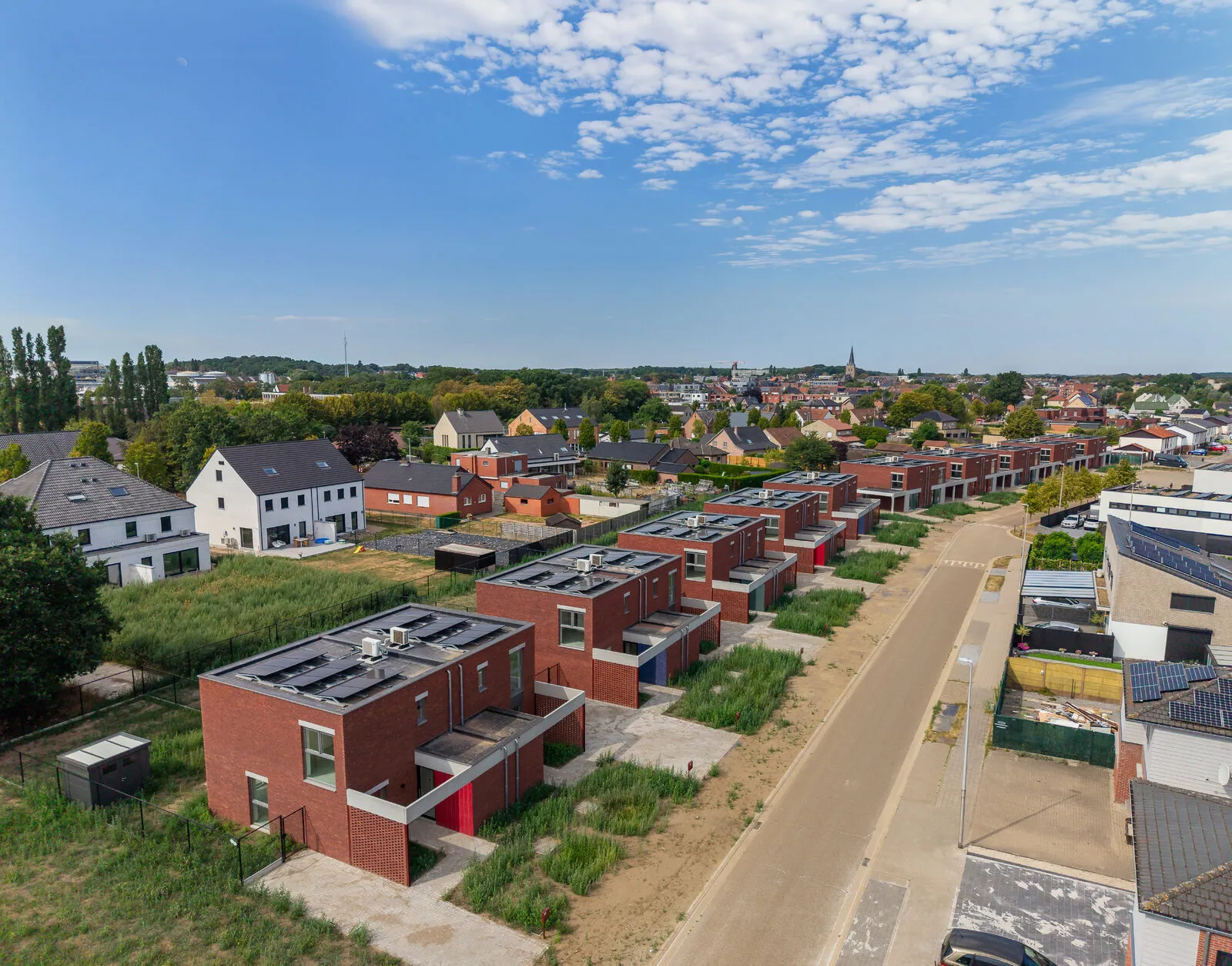
The need for affordable housing remains high in Flanders, while conventional construction processes often take a long time. In the Begijnenwinning development in Tessenderlo-Ham, an alternative approach was therefore adopted successfully. Under the ‘Modular Homes 2023’ framework agreement, twenty high-quality timber-frame homes were recently built in just four months. A clear example of how thorough preparation, a standardised construction concept and integrated collaboration can significantly shorten delivery times without compromising quality, comfort or architectural appeal.
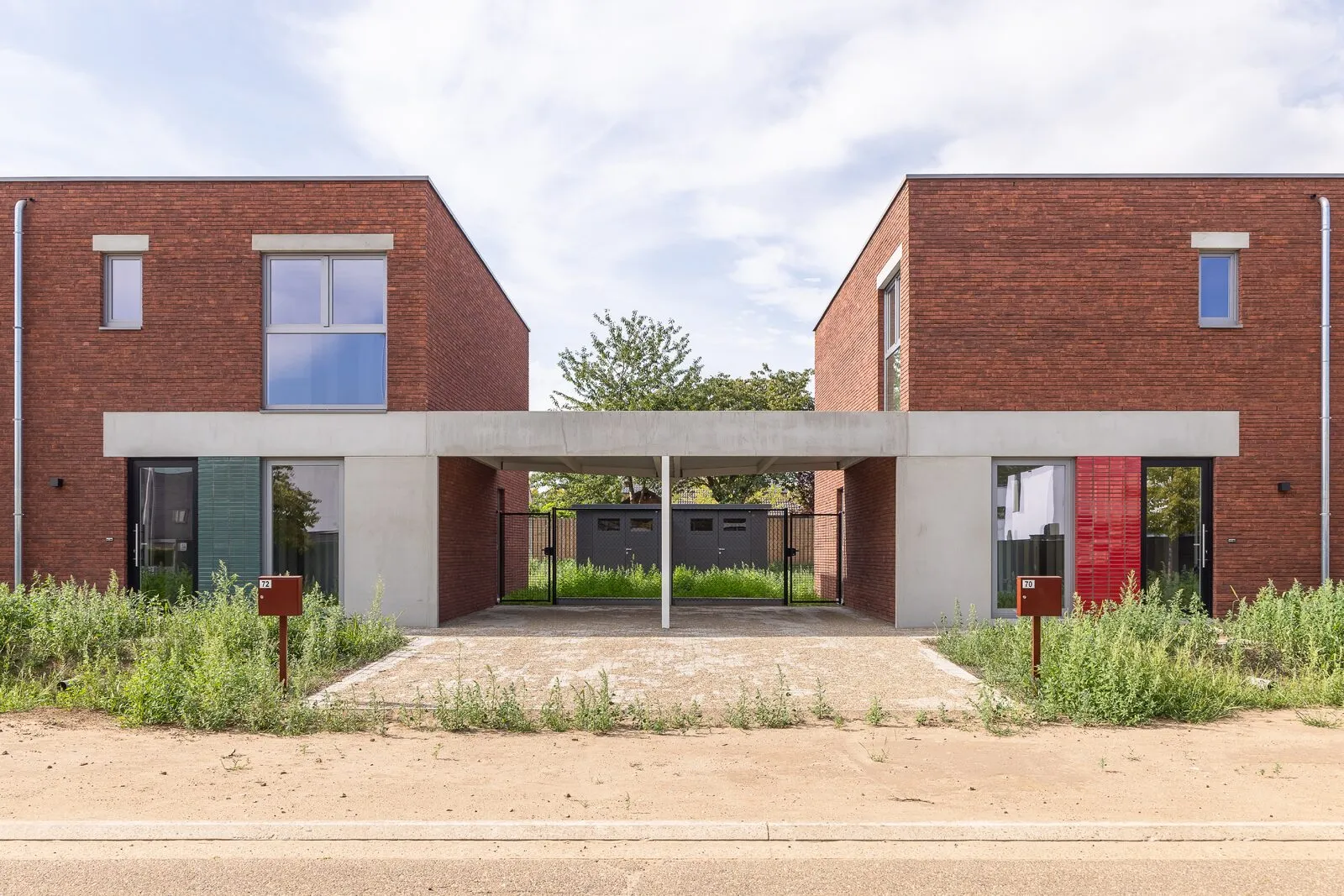
Three years ago, Wonen in Vlaanderen signed a framework agreement with three private consortia to tackle the major shortage of affordable homes in an alternative and, above all, much faster way. Under the scheme, housing associations and local authorities can use standardised design and construction concepts for four years, until the end of 2027, for social housing, emergency accommodation and homes for specific target groups, among other things. One of the consortia comprises B+-architecten and Dethier. At the end of June, they completed their second ‘framework agreement project’ in the Begijnenwinning development: ten social homes for sale and ten social rented homes.
Standardisation instead of bespoke design
It was perhaps inevitable that B+ architecten and Dethier would join forces for this special housing initiative. “Alongside B+ architecten, I also founded Mosard in 2020, which stands for ‘Modular Open System for Architectural Design’,” explains Ruben Braeken, architect and managing director at B+ architecten and Mosard. “The idea was that buildings no longer need to be entirely bespoke, because that is simply unaffordable. If we could design and build more using standard components, without sacrificing architectural creativity, we could deliver projects much faster and more efficiently. That is also why Dethier contacted me about joining forces under the framework agreement.”
Dethier, for its part, is a keen advocate of Design & Build projects. “Construction is extremely complex today. It takes a great many hours, and there are numerous specific considerations, including building services, acoustics and fire resistance. If you can bring all that expertise together around the table from day one, combined with standardisation, affordability and, above all, speed, meaning maximum repetition during pre-construction and minimum time on site, you can work exceptionally efficiently,” says Koen Smets, Development and D&B project manager at Dethier.
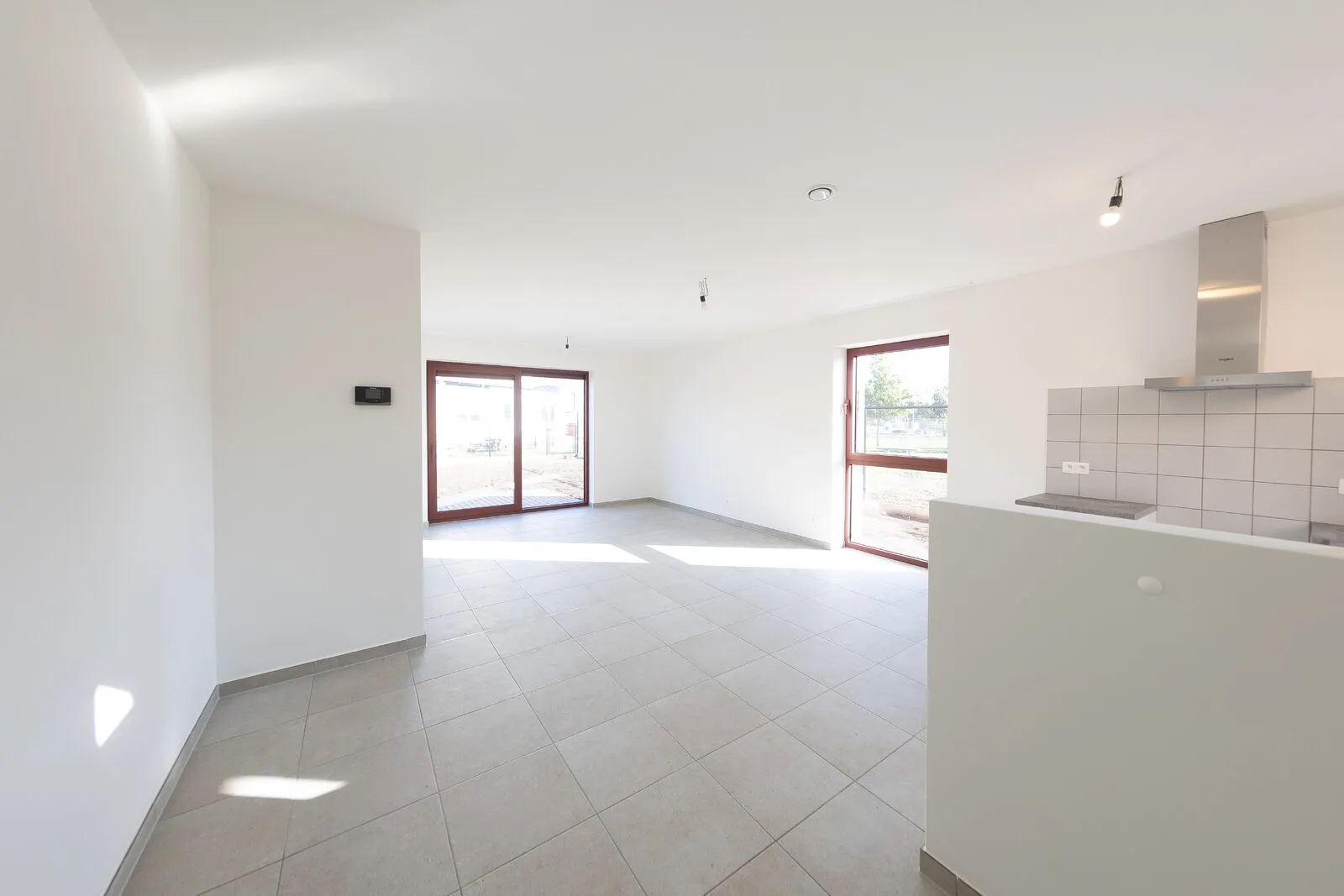
Building for compatibility
B+ architecten and Dethier proved that this was no empty promise with the Begijnenwinning project, which they delivered for Wonen in Limburg. Building twenty high-quality and affordable social homes that meet all technical and aesthetic requirements in just four months is quite an achievement. “What sets our 2D module concept apart is that it was not developed by a prefabrication specialist or a contractor-manufacturer, who tend to think primarily in terms of logistics, but from an architect’s perspective,” explains Ruben Braeken. “Every plot in Flanders is different, in its dimensions, planning requirements and so on, and those are precisely the parameters we start from. We then consult the component library we developed with Dethier, enabling us to create homes with architectural value that are as standardised, affordable and therefore scalable as possible.”
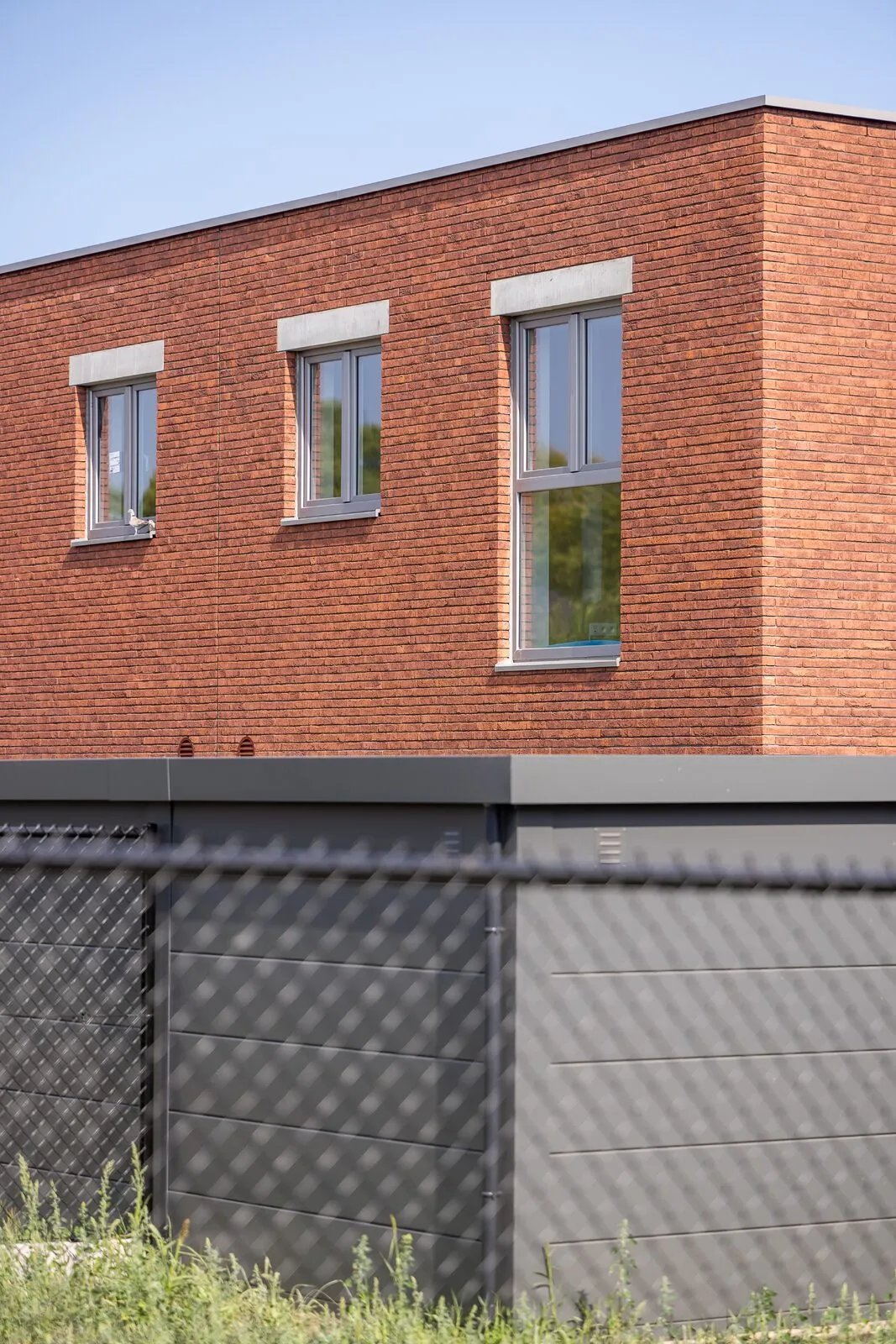
For construction, Dethier works with Machiels Building Solutions as its regular subcontractor for prefabricated timber-frame construction. “Although that is the official name of the framework agreement, ‘modular’ is not really the right word in our case, as many people immediately think of 3D modules or containers. We build using intelligently configured standard components,” says Koen Smets. “That is why we sometimes talk about building for compatibility,” adds Ruben Braeken. “It is about finding compatibility between the components in our library, so that they can later be assembled on site, rather like an Ikea flat-pack.”
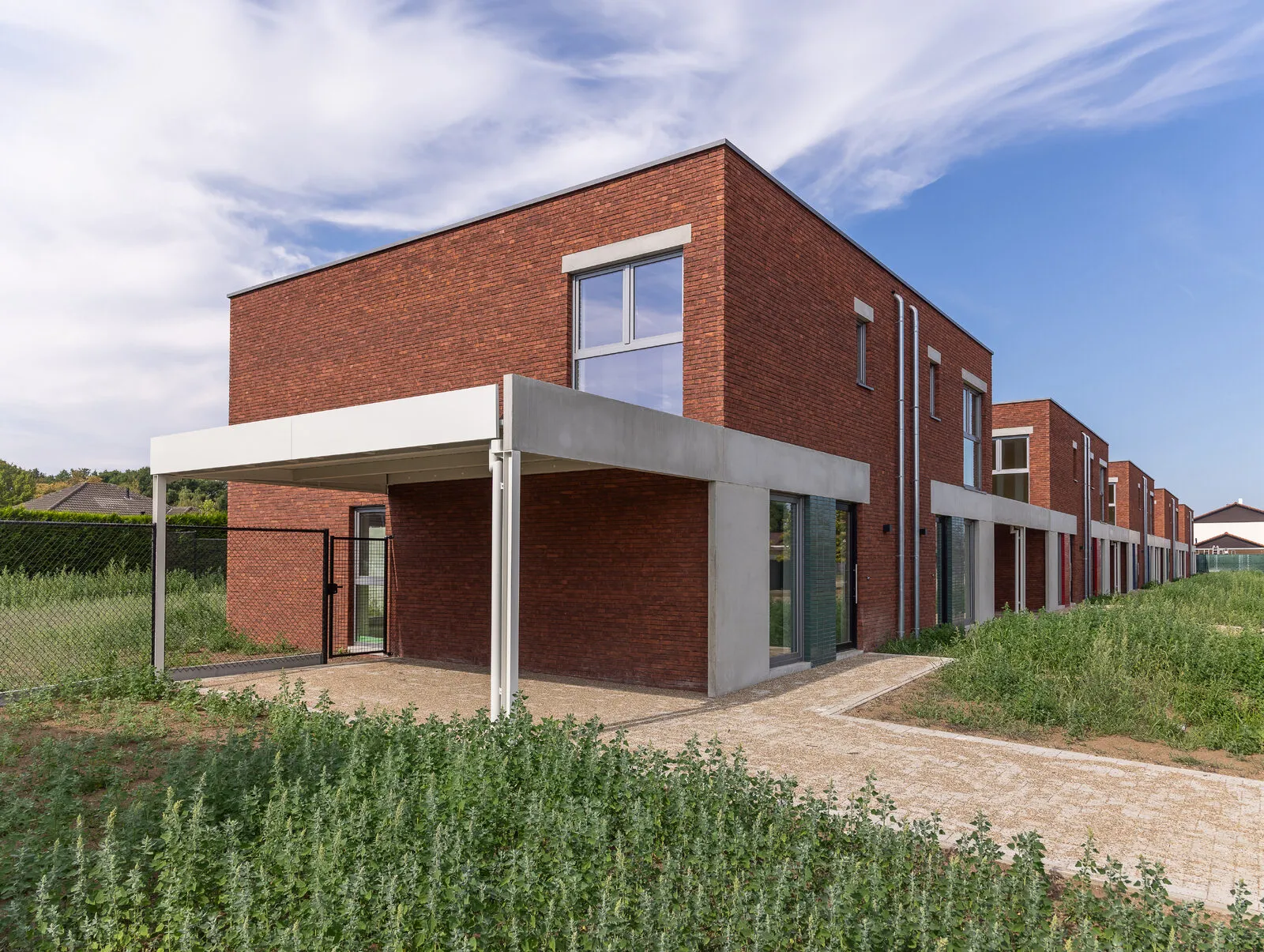
No hidden catches
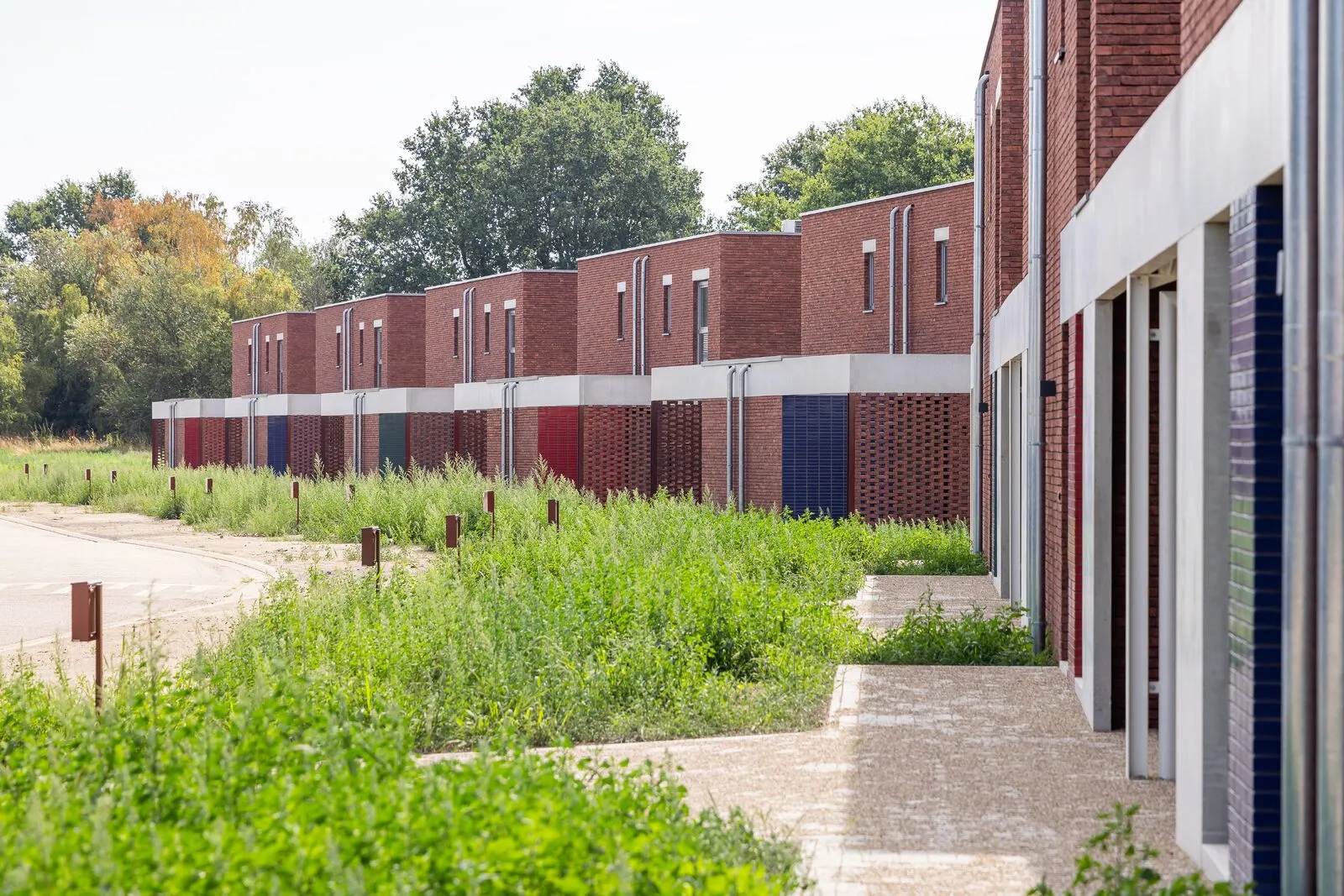
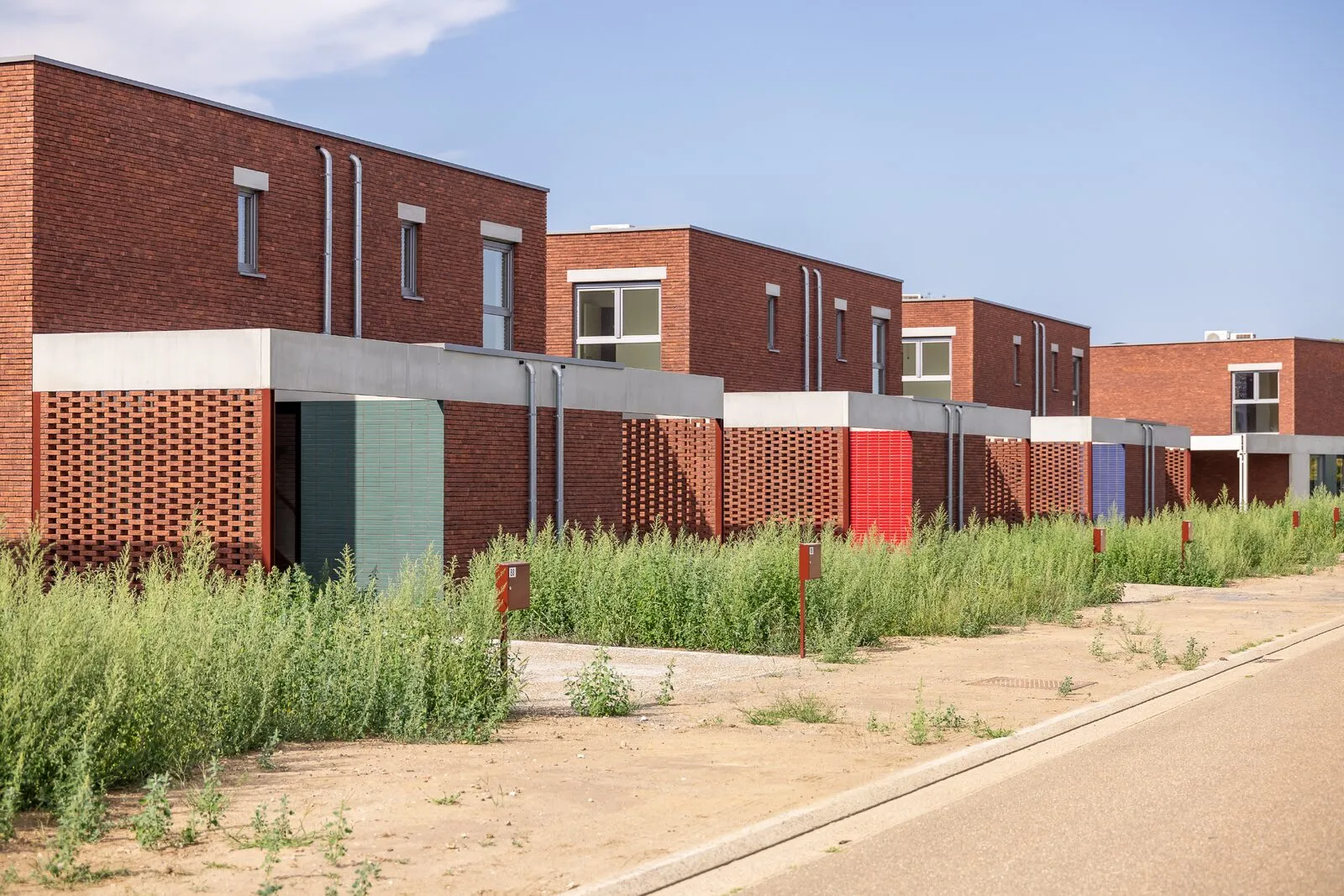
The Begijnenwinning project is certainly not the end of the road. Work has already started on the third ‘framework agreement project’, in Hoogstraten, with completion targeted for February 2027. “Next, we will start building 34 homes in Lochristi, which should be ready by the summer break in 2027, and we are also heading to Oostende, where we will build 103 flats/homes. We will then deliver a further 28 residential units in Oudsbergen, so the project pipeline is certainly moving,” says Koen Smets. “More and more housing associations are convinced by our concept, and local residents are hugely impressed too. They go away on holiday for a week, so to speak, and suddenly there are seven extra homes when they get back. For them too, a short, intensive construction programme is obviously preferable to putting up with noise every Saturday for a year. And although the construction concept is innovative, the homes look fairly traditional, with their characteristic red brick façades.”
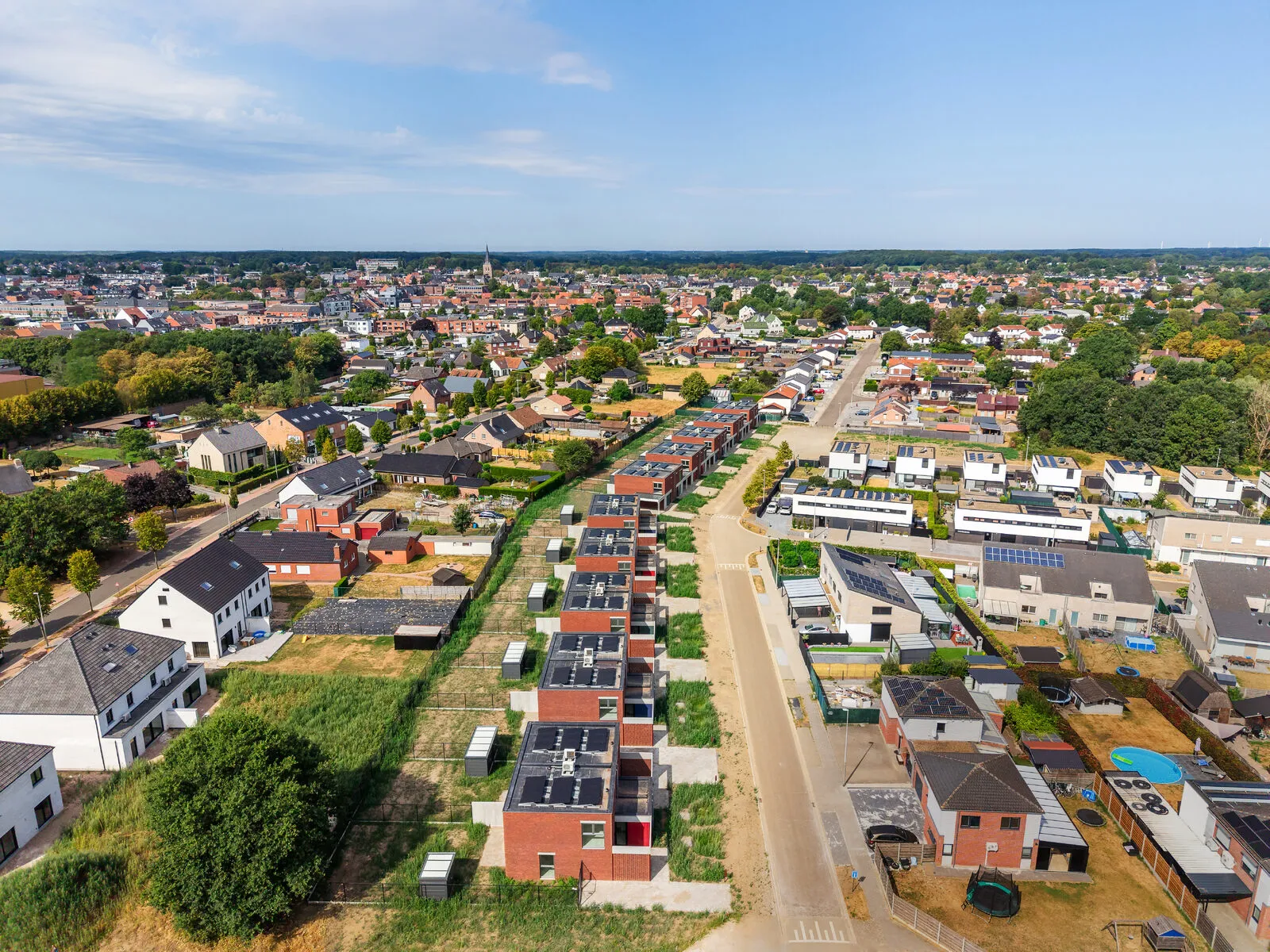
“It is important to point out that we use a high-quality construction build-up,” says Ruben Braeken. “The acoustics, for example, are excellent, which is certainly not the case in every timber-frame home. Our approach is so carefully thought through that we do not have to make compromises, and there are no proverbial hidden catches.” To conclude, Koen Smets highlights integrated collaboration as one of the main success factors: “All the key decisions have been made before work starts. We then use daily planning in line with the lean method to keep the work moving on site. With no time to lose, it is crucial to be able to rely on local partners who understand how every detail fits together and how the different components can be connected, and so on. That takes expertise, but it is also a matter of trust. We are pleased that everything has gone so smoothly so far and are already looking forward to the next projects!”
Question about this story? Ask your question
Keep following this
Get an email when a new story is published. No account needed.
- SubjectLimburg