Circular construction as the foundation for the future
Text Valérie CouplezImage OVAM
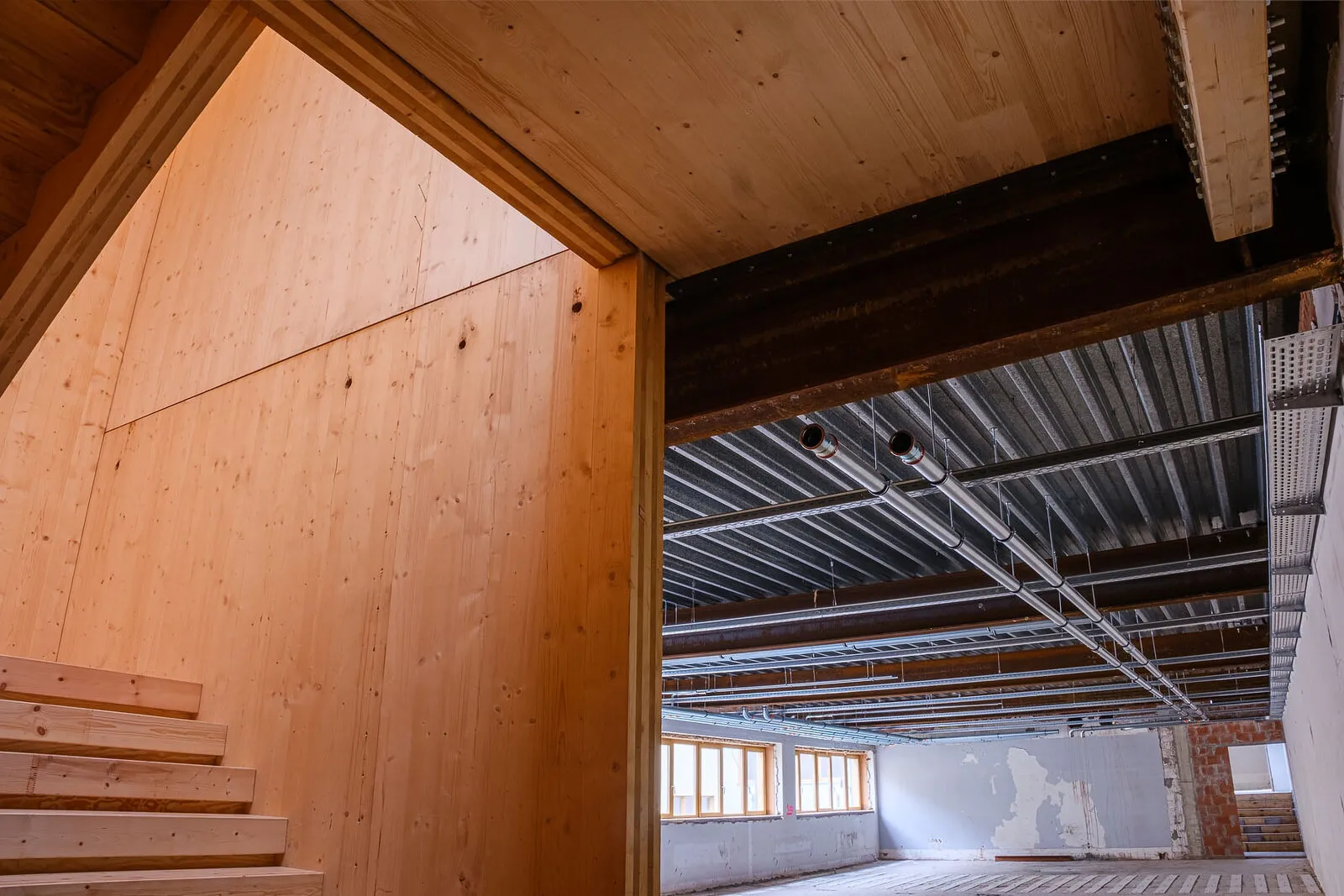
Last summer, OVAM launched a white paper on circular construction. Its aim is to inspire all stakeholders in the construction sector, but above all to encourage them to get started. The more players get involved, the sooner circular construction will become the norm. OVAM spokesperson Jan Verheyen explains why circular construction is becoming a must and how we can put it into practice.
Flanders performs exceptionally well in recycling construction and demolition waste. With a recycling rate hovering around 97%, we are top of the class. And that is necessary, too. The construction sector has a lot to answer for. It is responsible for half of all material flows and energy consumption, accounts for 40% of greenhouse gas emissions and uses a third of all water. Yet recycling and energy-efficient construction will not be enough to turn the tide. Verheyen says: “We welcome the figures and the sector’s efforts, but we do need to qualify them. They relate almost exclusively to the mineral fraction. We can do better when it comes to wood, plastics and electronics. What is more, this often involves downcycling. The materials, which tend not to have had a long service life either, are then used for purposes such as road fill rather than housebuilding.”
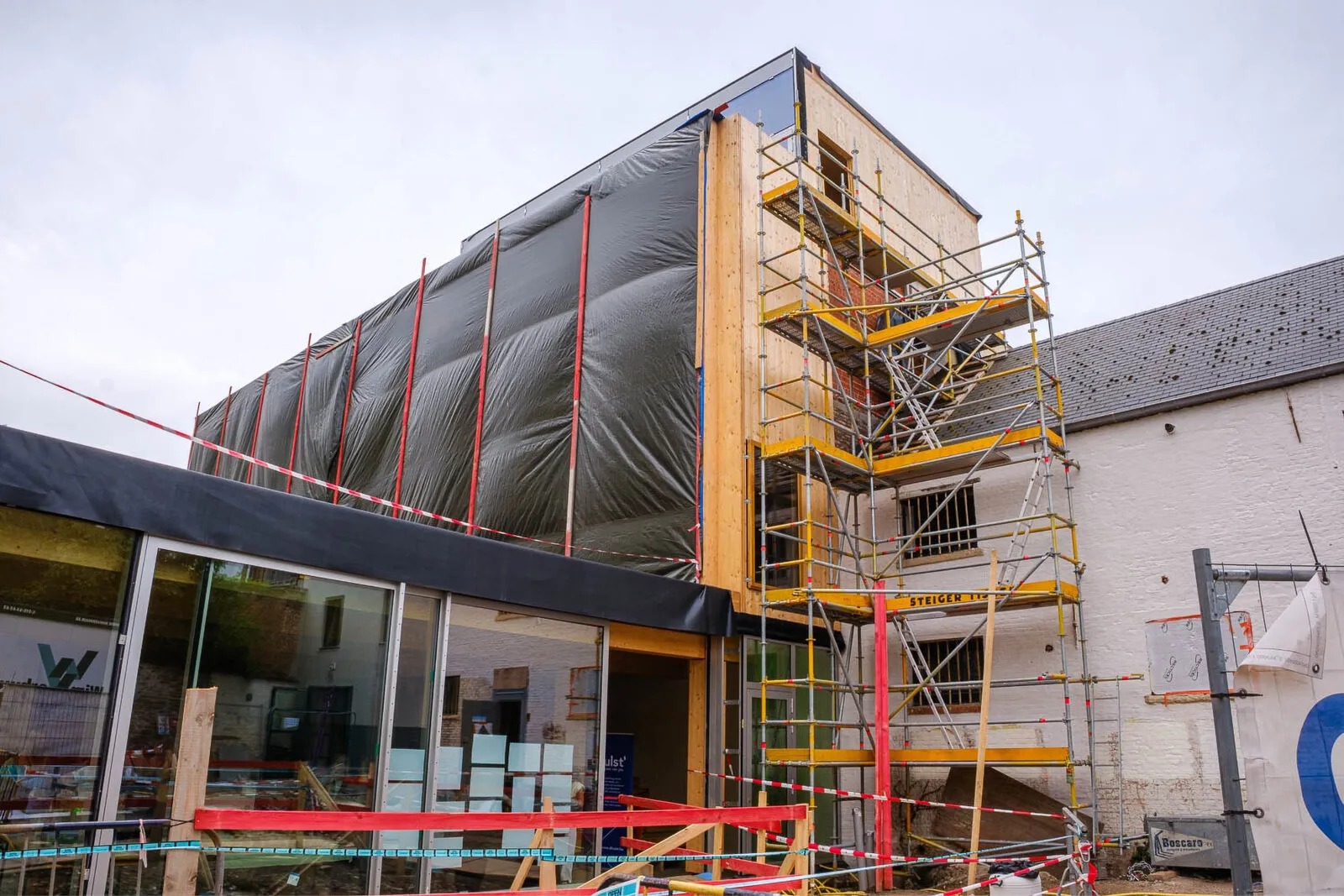
A quarter of new-build projects must be circular
OVAM says we therefore need to aim higher on the R-ladder and build truly circularly. The target for 2030 is 25% of new construction projects. “And it all starts with the design. Making the right choices at this stage can make a building easier to maintain, adapt, reuse and ultimately dismantle. The starting point must be a design that ensures long-term, sustainable use by being adaptable to future needs. We also need to look beyond price when choosing materials: opt for materials with a low environmental impact and consider how easily they can be reused and recycled. Our free TOTEM tool (tool to optimise the total environmental impact of materials), which we developed with Brussels and Wallonia, can also be used to calculate a building’s environmental impact.” The materials and technology are there. They have already led to inspiring examples in recent years. “The public sector has played a real role in driving this forward. But many private projects also prove that it can be done.”
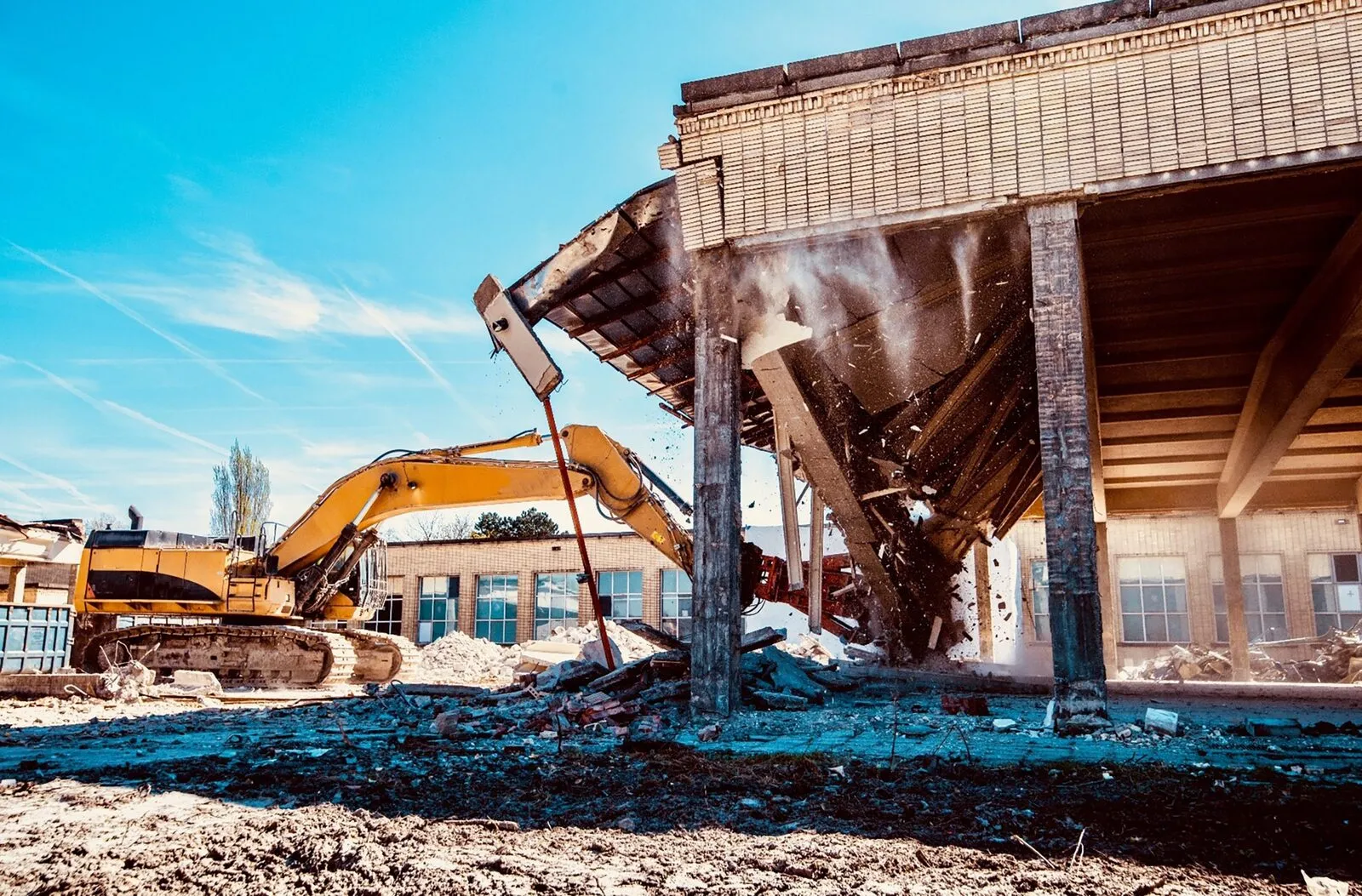
Less costly in the long term
Today, cost is the biggest barrier to circular construction. Yet OVAM is convinced there is no additional cost in the long term. Quite the opposite. “If you look at the first 20% of a building’s lifespan, you will indeed have to spend more. But over its entire lifespan, these principles leave you better off, because you avoid high renovation costs. Moreover, precisely because of construction’s environmental impact, European legislators also want us to move in this direction. It is not just about avoiding CO2 emissions: construction materials are finite, too. This scarcity means we will have to be smarter about how we do things in the future.” From 2028, the material performance of new-build projects (over 1,000m²) will also have to be calculated. Material performance indicates the CO2 impact of the materials used and is shown on the EPC certificate (energy). “We hope awareness of the need for circular construction will have grown by then. People will see this not as an administrative burden, but as a logical part of a much broader story.”
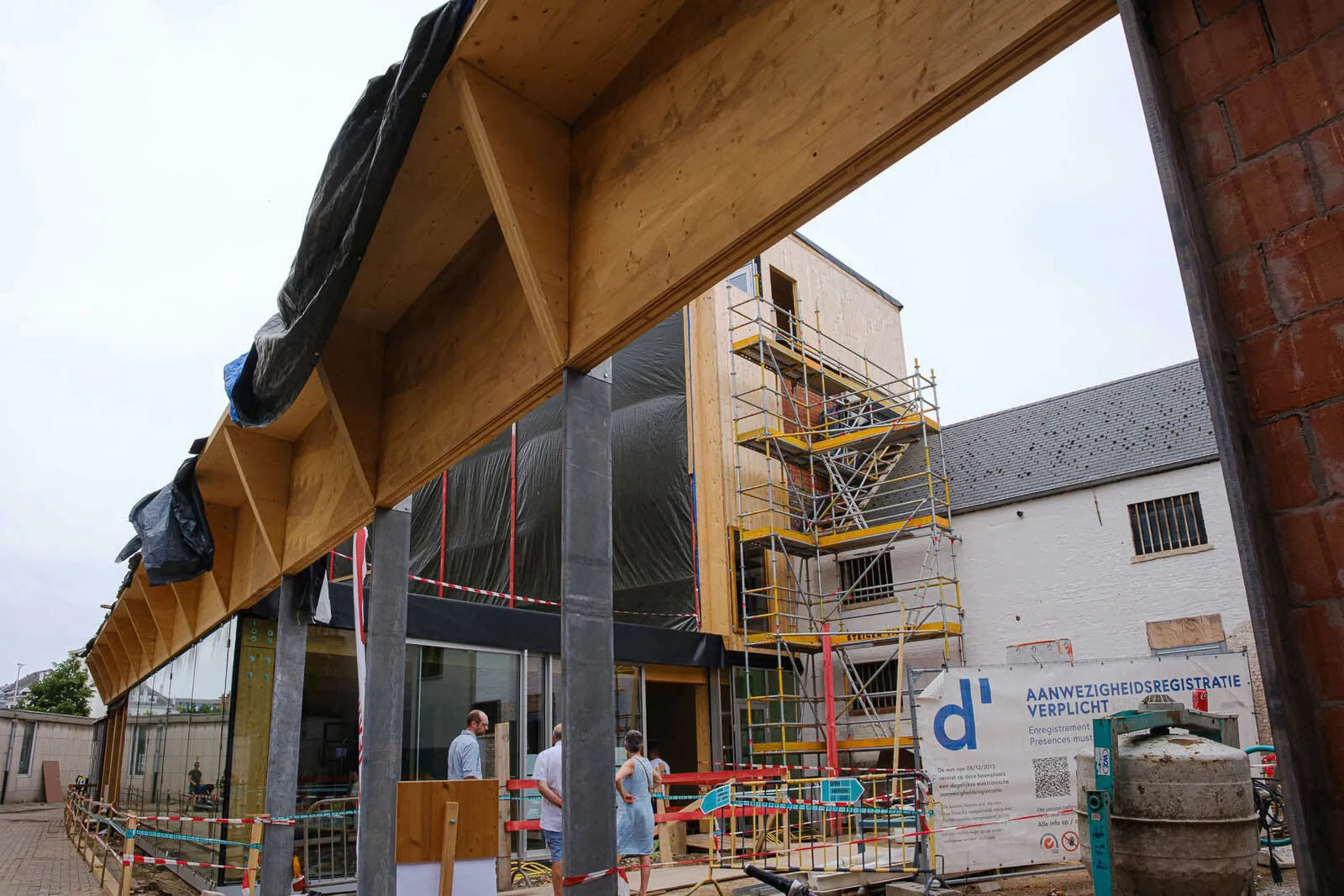
The role of contractors
A story that involves all stakeholders in the construction sector. “With the Ambitiekaart, we set out the circular choices, strategies and actions available to each stakeholder. Because circular construction is above all a shared endeavour. Everyone in the construction chain has a role to play.” Verheyen expects contractors to think and act circularly. “As a contractor, you may not set the rules of the game, that is the client and their architect. But you can bring a wealth of experience to the table, highlighting what may work on paper but prove difficult on site. So join the design team early: the time you invest around the drawing board will pay off later on site. You can also make considered choices about materials and limit their use. There are already many initiatives that bring together reusable materials. You can find them in our Gids Toekomstgericht Bouwen. Or choose manufacturers that take their materials back at the end of their service life and recycle them into new products. Take-back schemes already exist for roofing bitumen, insulation, aerated concrete …”
Een zakelijke vraag aan OVAM? Get in touch
Companies in this story

Keep following this
Get an email when a new story is published. No account needed.
- SubjectSustainable construction
- CompanyOVAM