Sustainable and circular construction and renovation are the only way forward
Text Els GoethalsImage Unsplash
The days when sustainability was still a buzzword, an option in a specification or a green label to show off in a marketing brochure are definitively behind us. The tightened European interim target to cut net emissions by 90% by 2040 and increasingly stringent Flemish EPB requirements leave no room for doubt: a new playing field is taking shape in the construction sector. It is not a distant prospect, but a reality that is drawing ever closer.
The Green Deal: are we on track?
We are on the eve of 2030, the first major milestone in Europe’s climate ambitions. By then, the EU must have cut net greenhouse gas emissions by at least 55% compared with the 1990 reference year. The targets will then become even more ambitious: net emissions must be cut by 90% by 2040. This keeps Europe on course for climate neutrality by 2050, an ambition that Flemish energy performance requirements are also aligned with. Flemish policy targets set the bar even higher for public buildings. They must be climate-neutral by 2045, five years ahead of the overall target.
This reality means construction professionals must already look ahead and align their business models with tomorrow’s challenges. Environmental certifications such as BREEAM are already anticipating this.

From material choices to an integrated approach
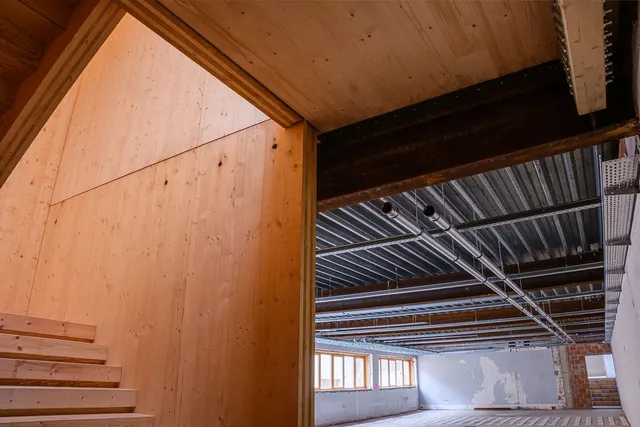
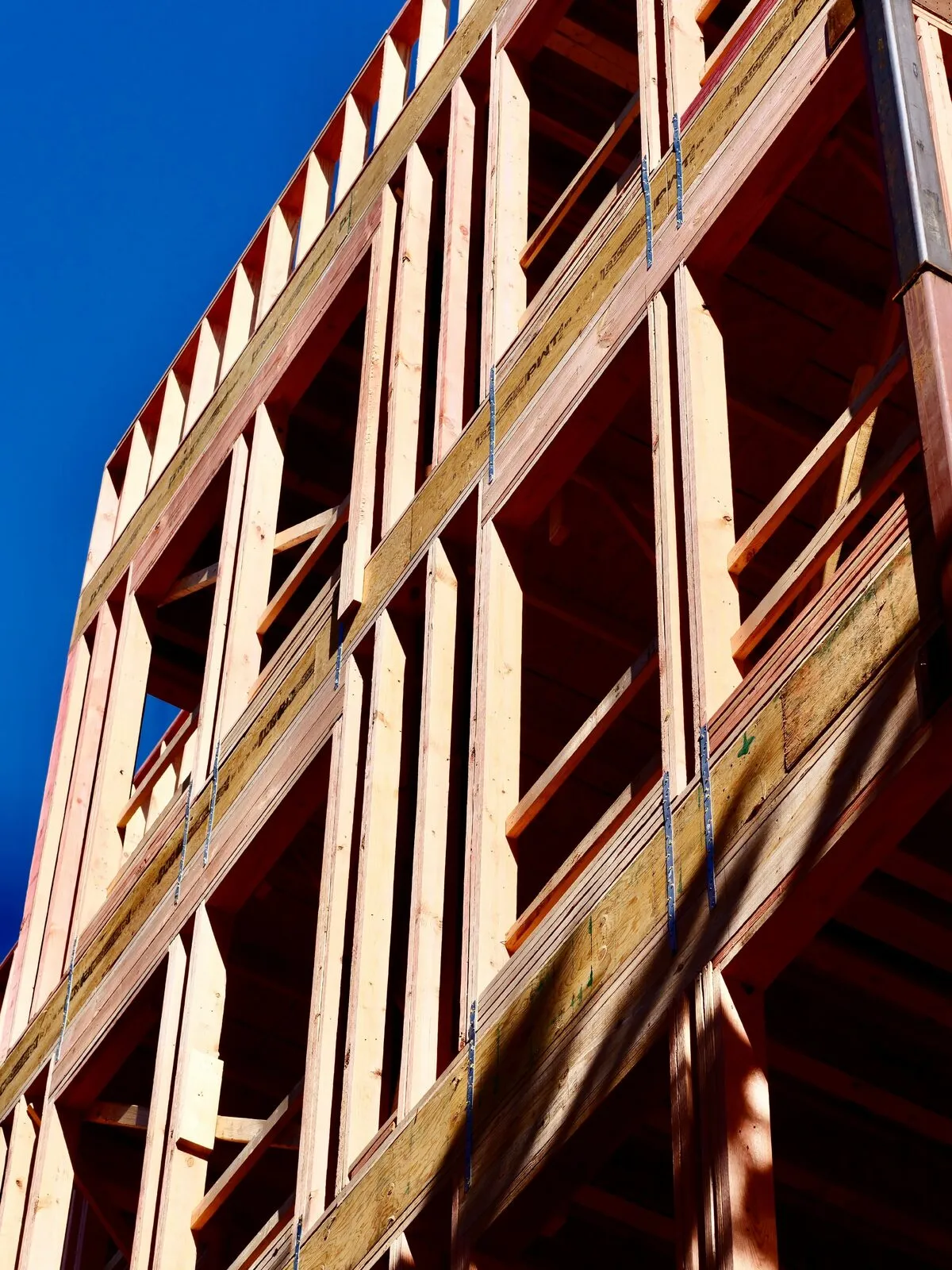
It has long been clear that there is no single silver-bullet solution, and that the climate transition calls for a layered approach in which different solutions reinforce one another. It starts at the source: materials. Bio-based alternatives such as natural insulation materials, eco-friendly facing bricks, timber construction and innovative CLT projects, … are rapidly gaining ground and proving their worth on major construction sites. There are also various best practices in which low-carbon or circular concrete is being used successfully. At the same time, resource scarcity is bringing bio-circular alternatives increasingly to the fore. Concepts such as ‘urban mining’, combined with digital material passports such as Madaster, play a key role in this. These methods are essential for recording the origin, traceability and recyclability of the building materials used. They are therefore important drivers of high-quality reuse.
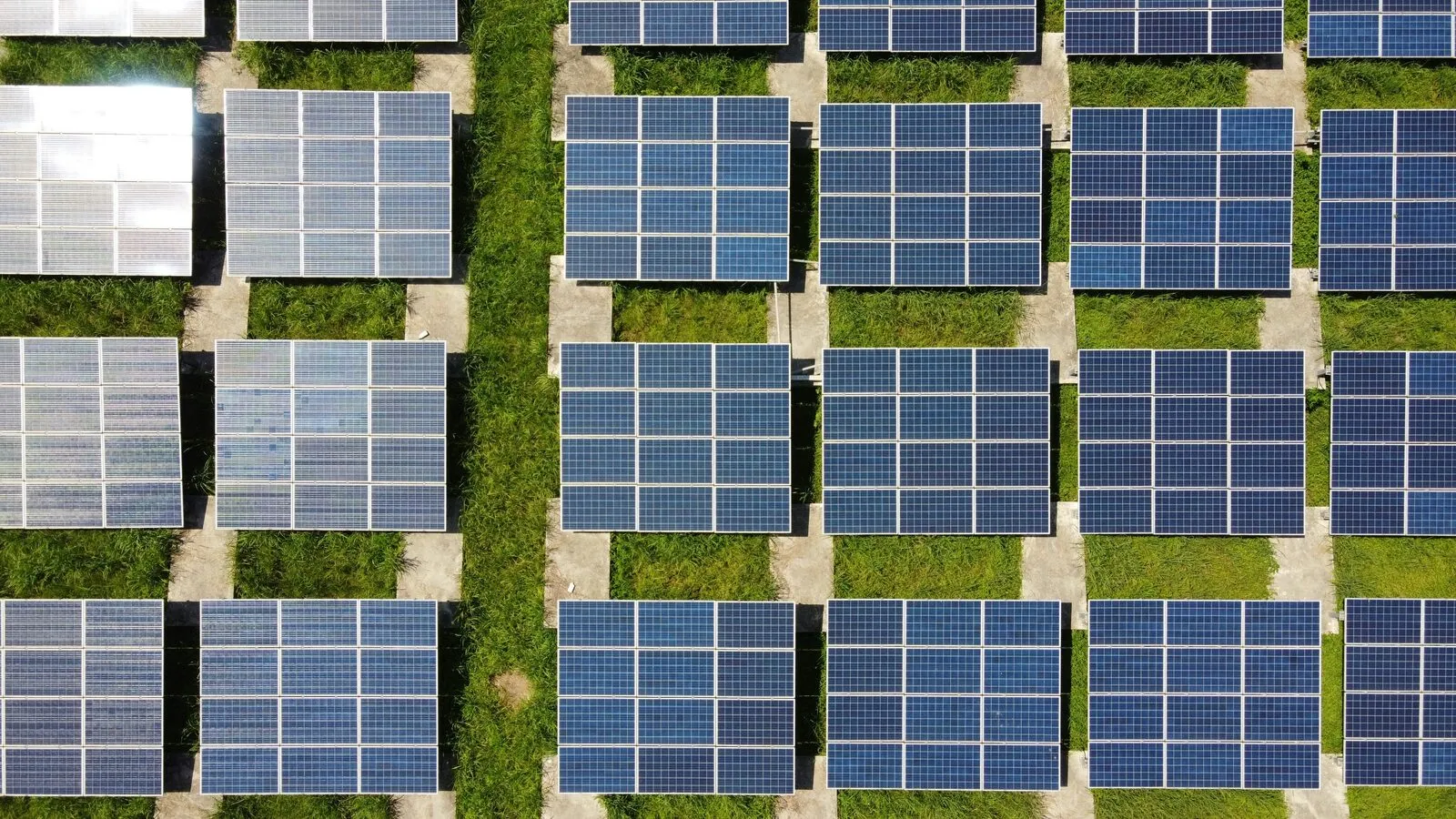
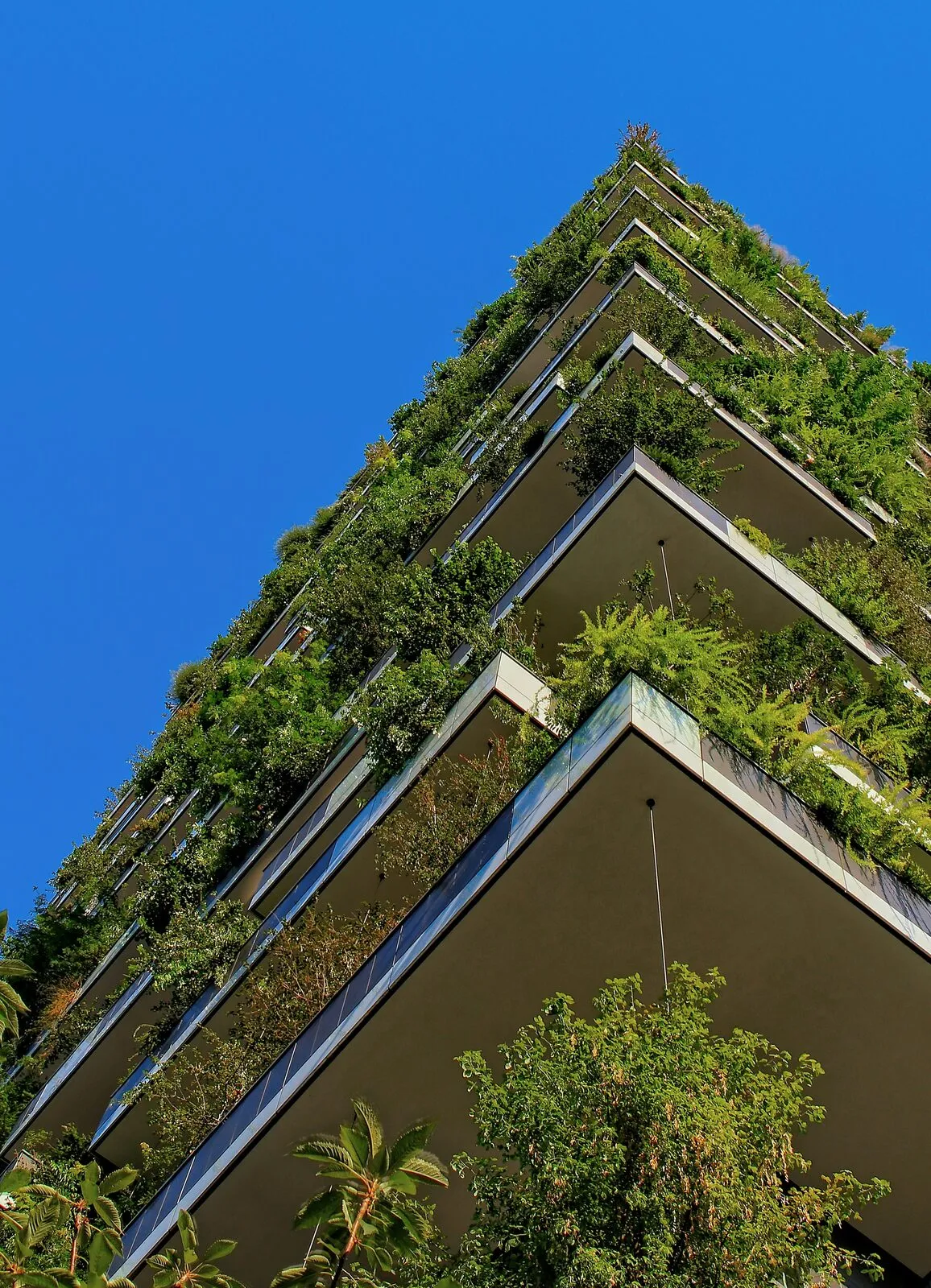
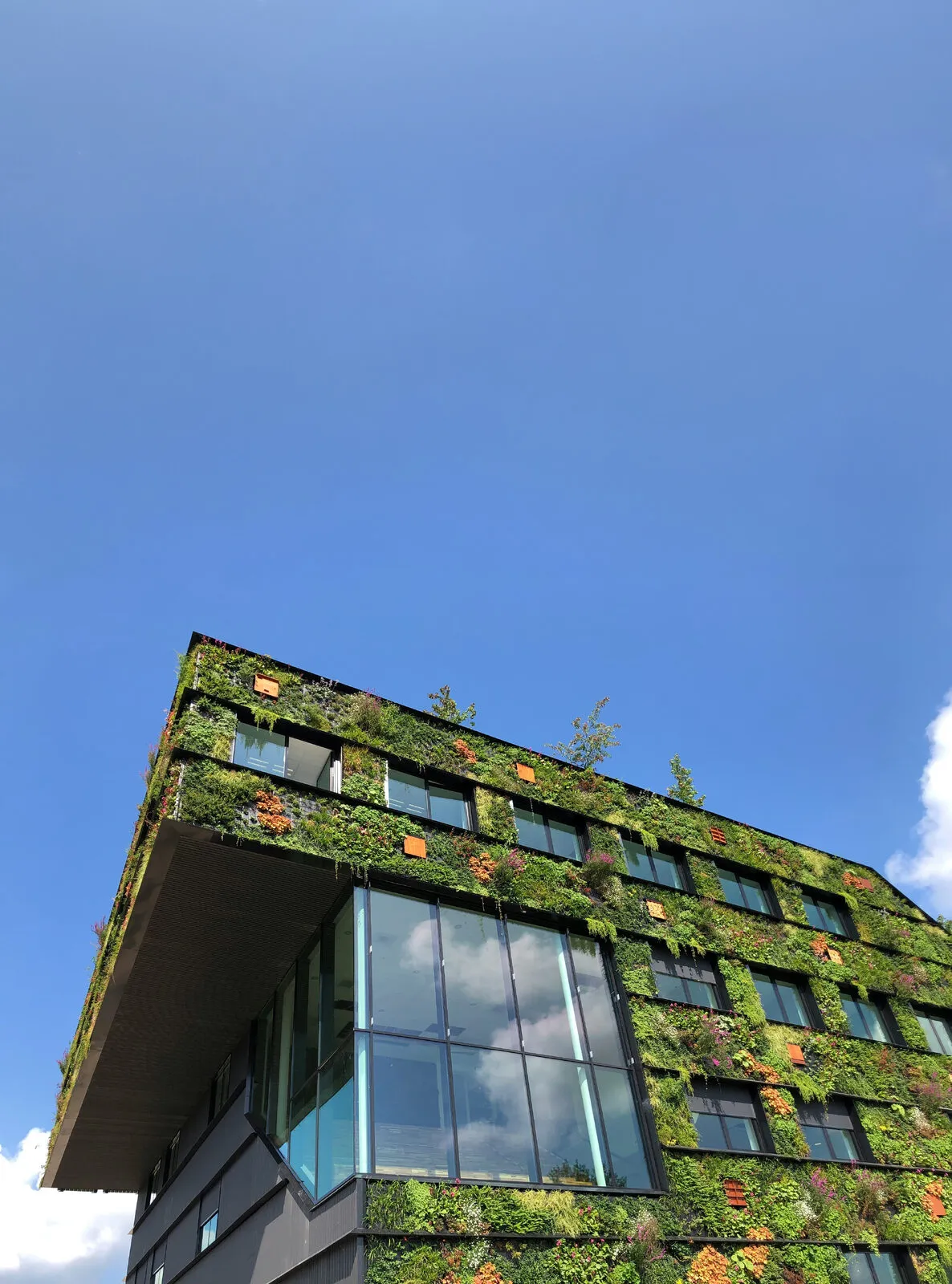
The integration of sustainable technologies is the second essential pillar. What was still ambitious a few years ago is now virtually standard in new construction and renovation: high-performance insulation, efficient ventilation, renewable energy and innovative energy systems. From heat pumps and geothermal energy to PV systems and battery storage, generating energy locally, managing it intelligently and storing it efficiently is the new normal. The transition to fossil-free heating and cooling challenges installers and engineering consultancies to look beyond standard solutions. Think CHP systems (combined heat and power), district heating projects and building management systems (BMS). Green roofs also contribute to a climate-resilient environment as part of this broader picture.

Collaboration across disciplines
Circular and sustainable construction and renovation are above all a story of collaboration. The best results are achieved when the architect, engineering consultancy, main contractor and installer bring their expertise together early in the process. Digitalisation, led by BIM modelling, is an important driver of optimised designs and more efficient use of materials. A clear 3D design also provides a logical stepping stone to prefabrication. Producing building components in advance in a controlled factory environment reduces material waste and allows work on site to proceed faster, with less risk of errors.
Service life is the new profit driver
Sustainability also means thinking beyond the short term, taking a broader view and considering the Total Cost of Ownership (TCO). A building that costs 10% more to construct today because of high-quality insulation, demountable materials and advanced technologies can more than recoup that additional investment over the longer term through minimal energy bills and lower renovation costs. Investing now in quality, adaptability and demountability helps materials retain their value for longer. In a sense, this is the ultimate form of sustainability: aiming to extend the service life of buildings and materials as much as possible.
But that is far from all there is to say about innovative climate solutions. On the following pages, we delve into the practical side and let inspiring projects speak for themselves.
Question about this story? Ask your question
Keep following this
Get an email when a new story is published. No account needed.
- SubjectSustainable construction