How Anneleen De Pau makes sustainability profitable
Text Kris VandekerckhoveImage Leonie Snauwaert
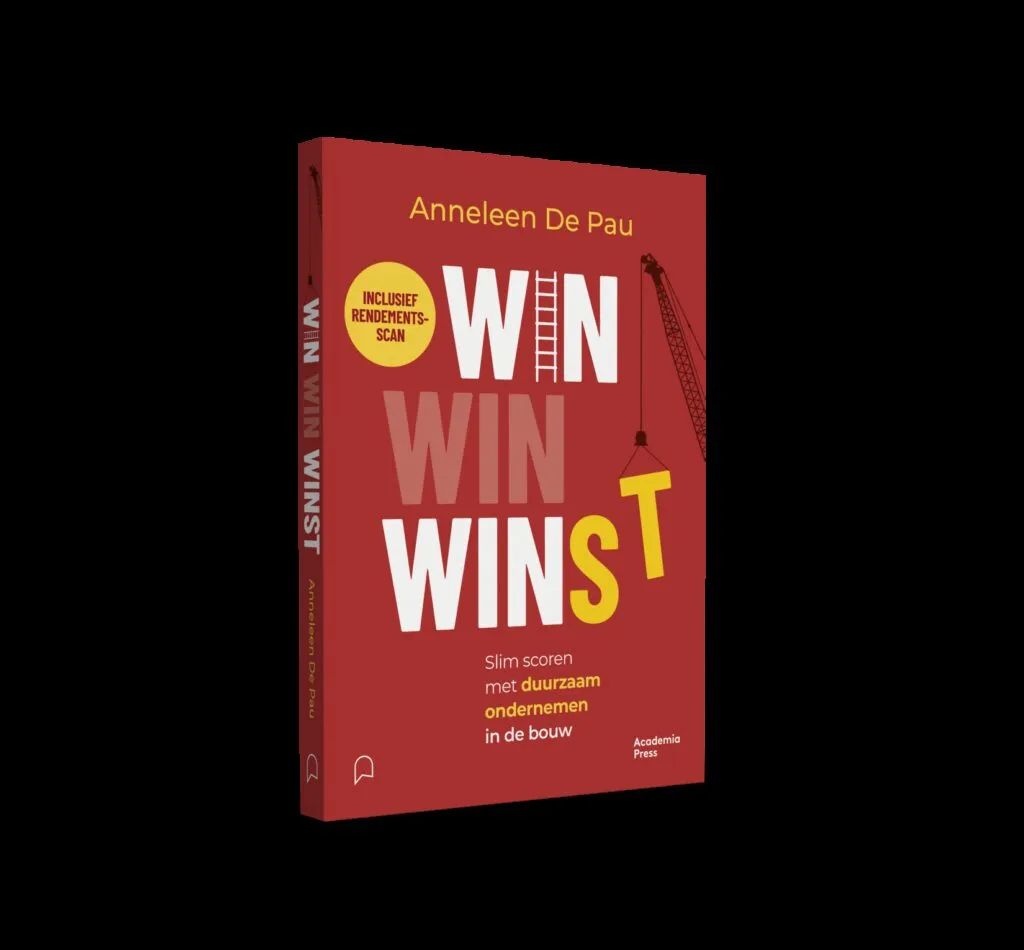
For many construction companies, sustainable business is still a broad and sometimes vague concept. Yet it does not have to be a complicated process, says Anneleen De Pau, founder of MierO and author of Win win winst. In conversation with Bouwen aan Vlaanderen, she explains why sustainability is about more than ecology: it also concerns people, good governance and, ultimately, profitability.
According to De Pau, the challenge often begins with the meaning of the word sustainability. Business owners sense that the subject is becoming increasingly important, but do not always know what it means in practical terms for their own company. “What does it actually mean?” is one of the questions she gets asked most often. The next is: “Can I actually do that? Is it right for me?”
That uncertainty is understandable. Sustainability is still often associated exclusively with environmental choices, even though the concept is much broader. De Pau identifies three pillars: environmental, social and governance. So, alongside materials, energy and waste, it also encompasses employees, suppliers, customers and the way a business is run.
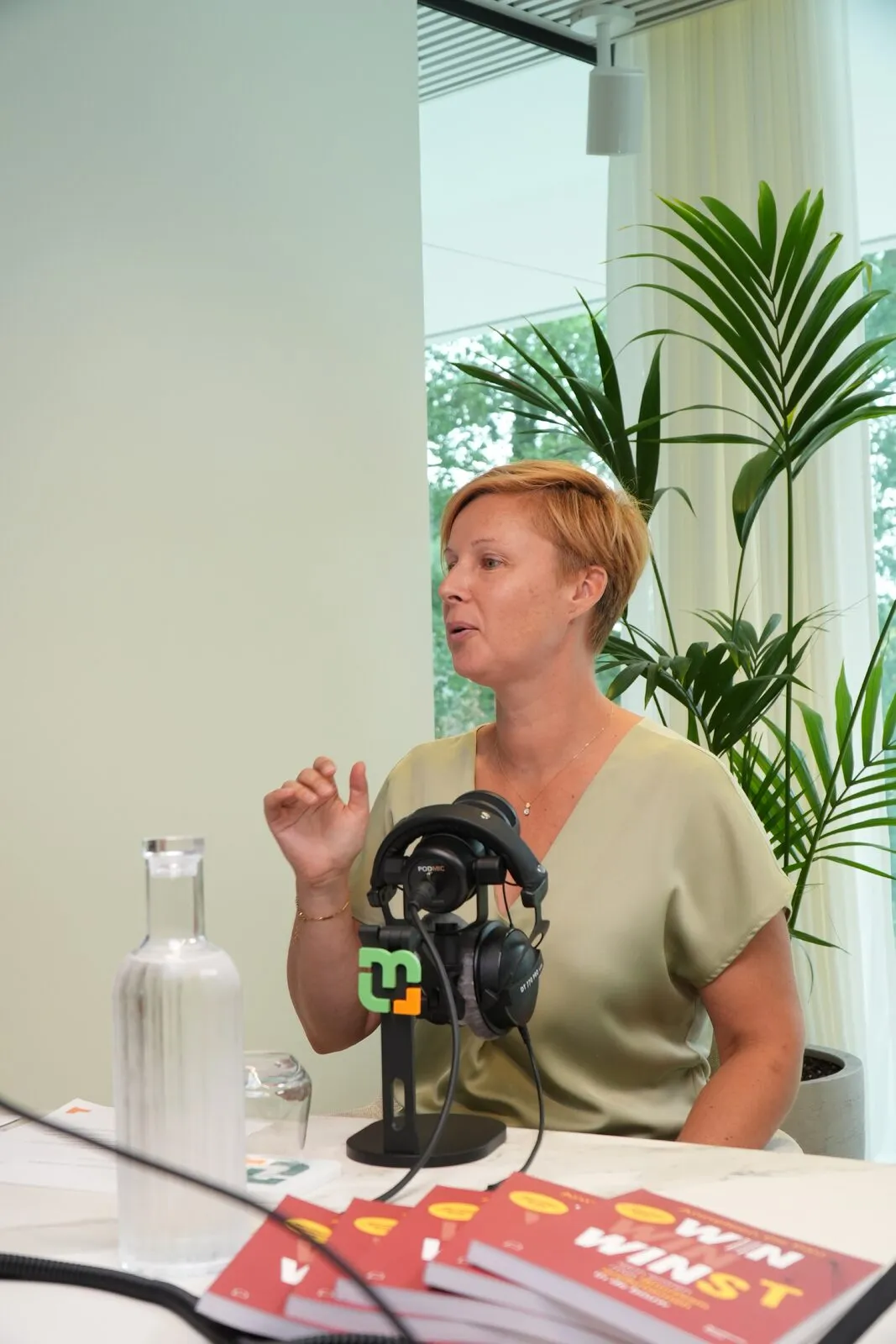
“Sustainability is what enables your company to keep going for a long time,” she sums up. “That means employees want to keep working for you, suppliers want to continue working with you and customers keep choosing your company.” The social aspect is therefore an essential part of sustainable business too.
Small changes, visible results
Sustainable business does not always have to start with major investment. De Pau gives the example of a company that switched to printing customer presentations on recycled paper. A small change, but one that immediately sparked a conversation about sustainability during a customer visit. “They asked me about the recycled paper,” she says. “They were curious and asked what else we were going to do.” A simple change like this can help both a company’s image and its relationship with customers. “I’m not saying that this is what won us an order, but it does give you something different to talk about with the customer.”
At the other end of the spectrum are investments that deliver a clear financial return. De Pau cites the example of a joinery business that invested in its own heating system, fuelled by wood waste. As a result, the company no longer needed gas to heat its workshop and offices, and it also avoided the cost of disposing of the wood waste. The investment came to around €60,000 and saved about €10,000 a year. “Once it has paid for itself, it’s pure profit.” Sustainability and profitability are certainly not mutually exclusive.
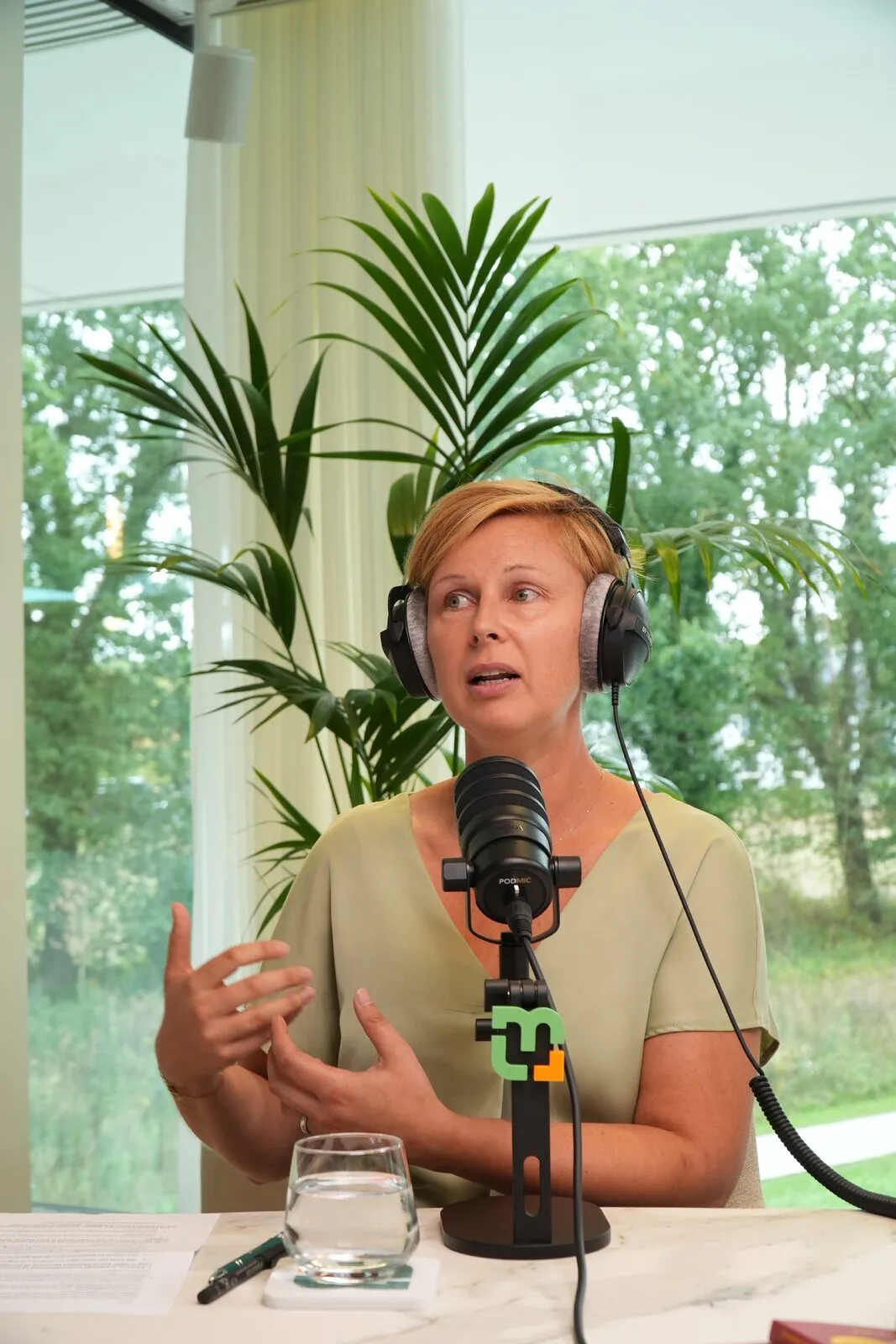
Start with what you are already doing
Anyone looking to make their business more sustainable does not have to change everything straight away. According to De Pau, the first step is to take stock of what is already happening. Many business owners underestimate the value of this exercise. Plenty of companies are already taking action without explicitly describing it as sustainable. “When I point out what they are already doing and say, ‘Yes, but that’s sustainability too,’ they are often surprised by the list we end up with.” From there, an action plan can be drawn up. It does not have to consist solely of major projects. Sometimes the first step is simply to gather information, talk to suppliers or find out what solutions are already available.
Above all, the choices need to suit the company itself. “You are in the driving seat when it comes to how you approach sustainability. And you know your business best.” Credibility is crucial. Environmental efforts, for example, lose their impact if a company neglects its social responsibilities at the same time. “You can’t use very environmentally friendly products while exploiting your subcontractors. That doesn’t work.”
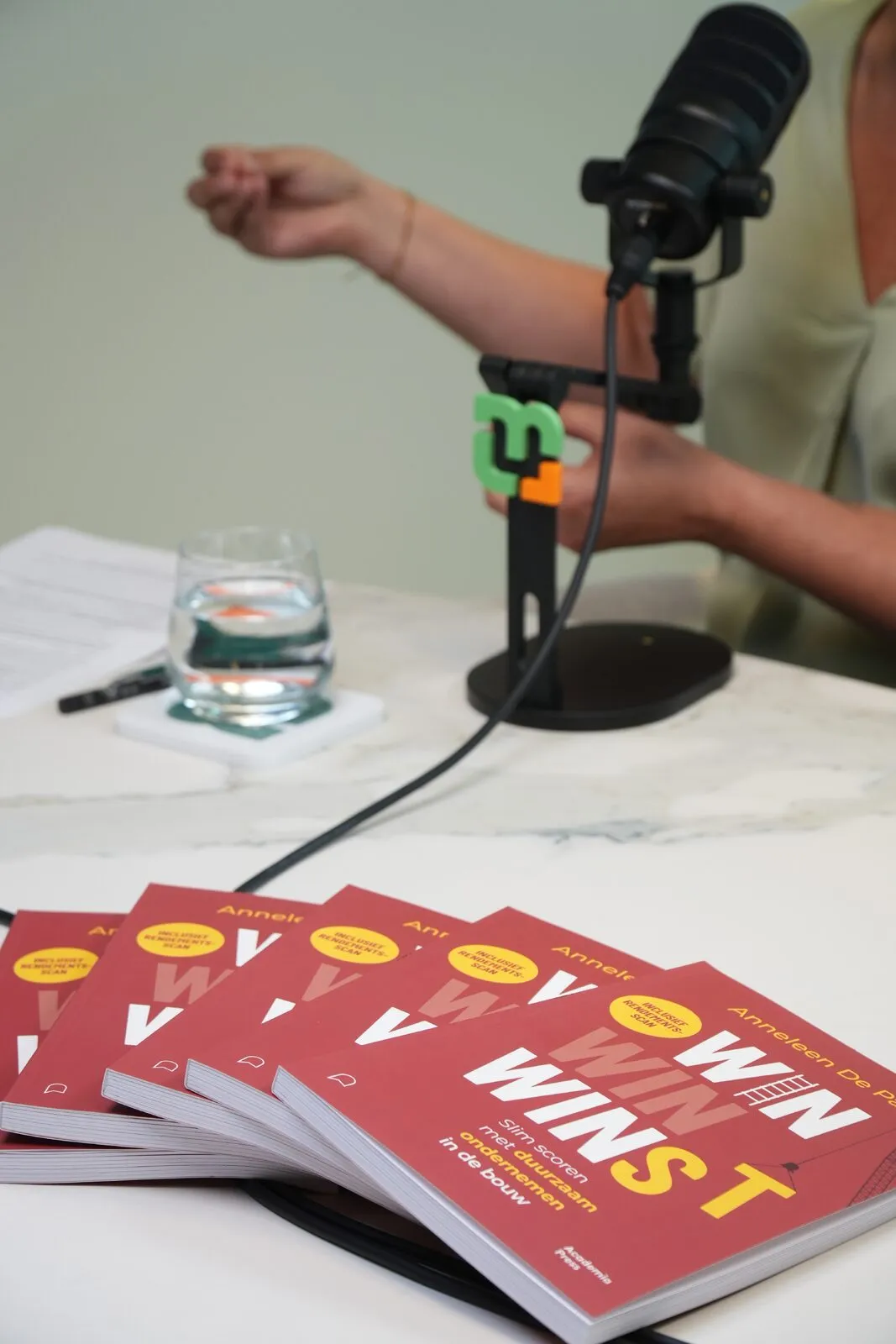
Not everything has to happen at once
Time is also an important factor. In construction, busy periods can push sustainability projects into the background for a while. De Pau says that is not a problem, as long as they are picked up again later. “You don’t have to do everything now or put everything into practice straight away. If things are busy, they’re busy.” The risk arises only when a project disappears from the radar for good.
She also challenges the assumption that sustainable solutions are automatically more expensive. “Why should something more sustainable necessarily cost more? That isn’t always the case.” In her view, business owners should first work out the business case, then decide for themselves what pace, investment and position best suit their company.
For De Pau, sustainable business is not the preserve of large companies. SMEs in particular have opportunities to make sustainability achievable, credible and profitable. The first step? Look at what is already happening, then make a conscious choice about where things can be improved.
Question about this story? Ask your question
Keep following this
Get an email when a new story is published. No account needed.
- SubjectSustainable construction