Why timber construction is now firmly in the spotlight
Text Els GoethalsImage Unsplash
‘Knock on wood’: even the Celts believed trees had protective powers. Timber has also proved its worth as a building material over many centuries. Yet timber construction is now more firmly in the spotlight than ever. And for good reason: the combination of sustainability, innovation and technological progress makes building with timber more relevant than ever.
Whether knocking on wood really brings good luck, we do not know. What is clear is that timber, as a natural, renewable, high-quality material, has a unique property: it stores carbon rather than emitting it. But that is not the whole story. From circular construction and a lower environmental footprint to advanced prefabrication and extensive architectural freedom, timber construction has many advantages. So, let us separate myth from fact.
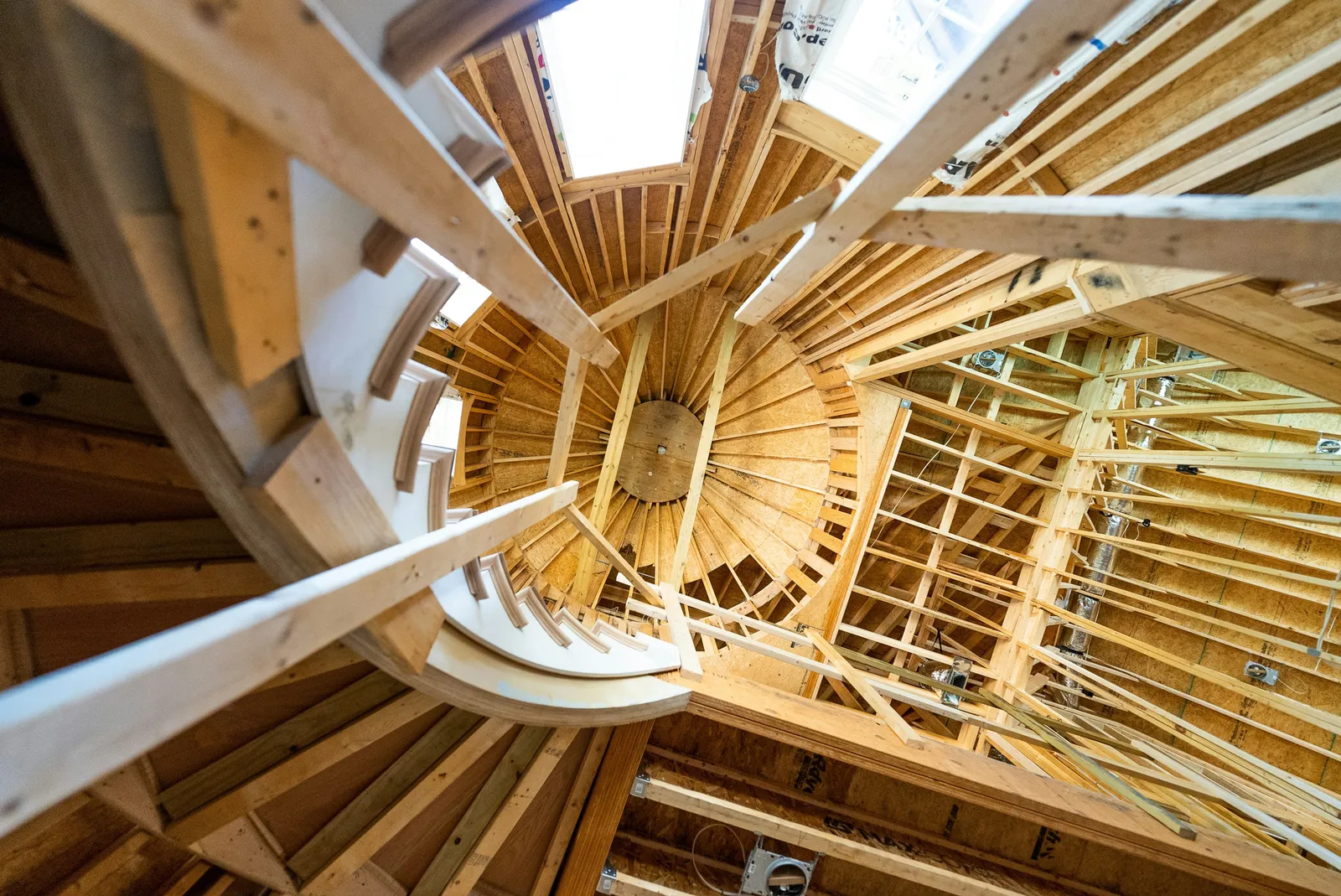
Climate-friendly construction
With the European climate targets for 2030 fast approaching, it is becoming increasingly important to assess building materials critically. It is therefore no surprise that biobased and circular construction are rising up the agenda for clients procuring projects. One guiding principle is to design buildings so that materials can be easily dismantled and reused. Timber construction is a perfect fit for this approach. Timber has a long service life and can be readily reused or recycled at the end of its lifecycle. So why should contractors and architects hesitate to give timber a more prominent place in construction projects?
Design without limits
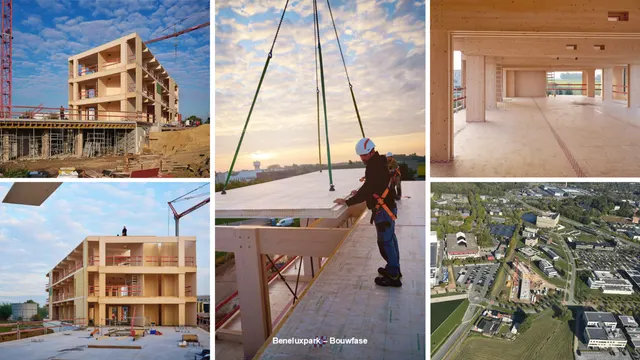
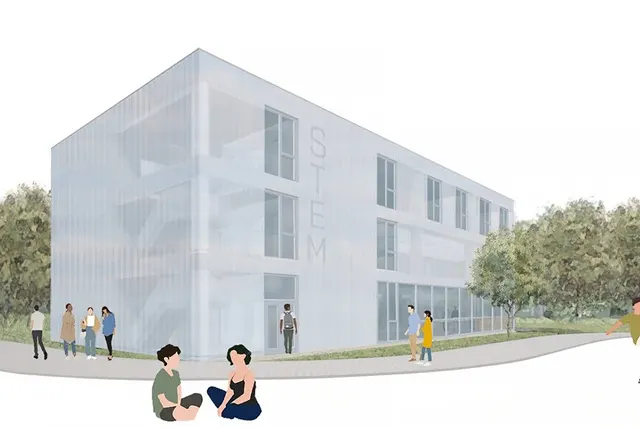
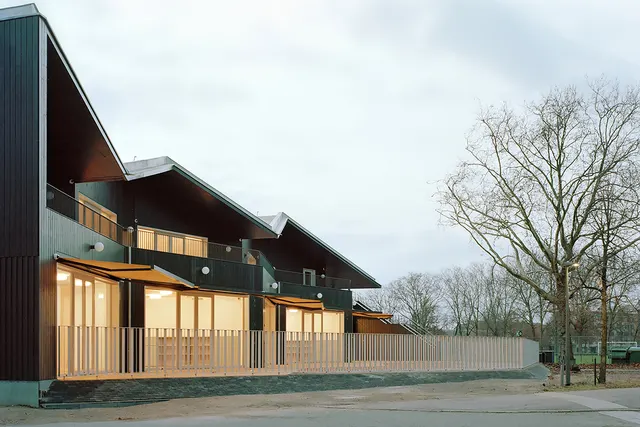
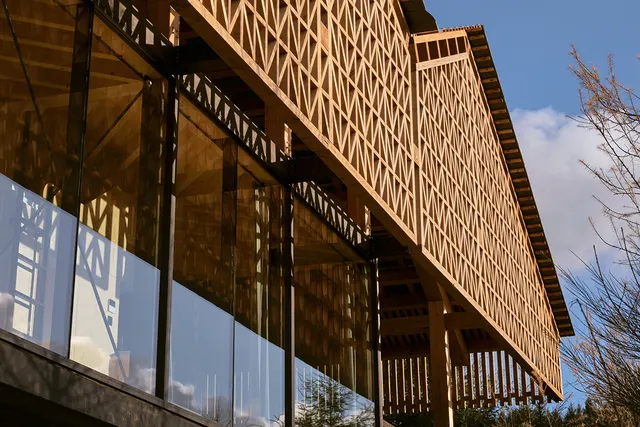
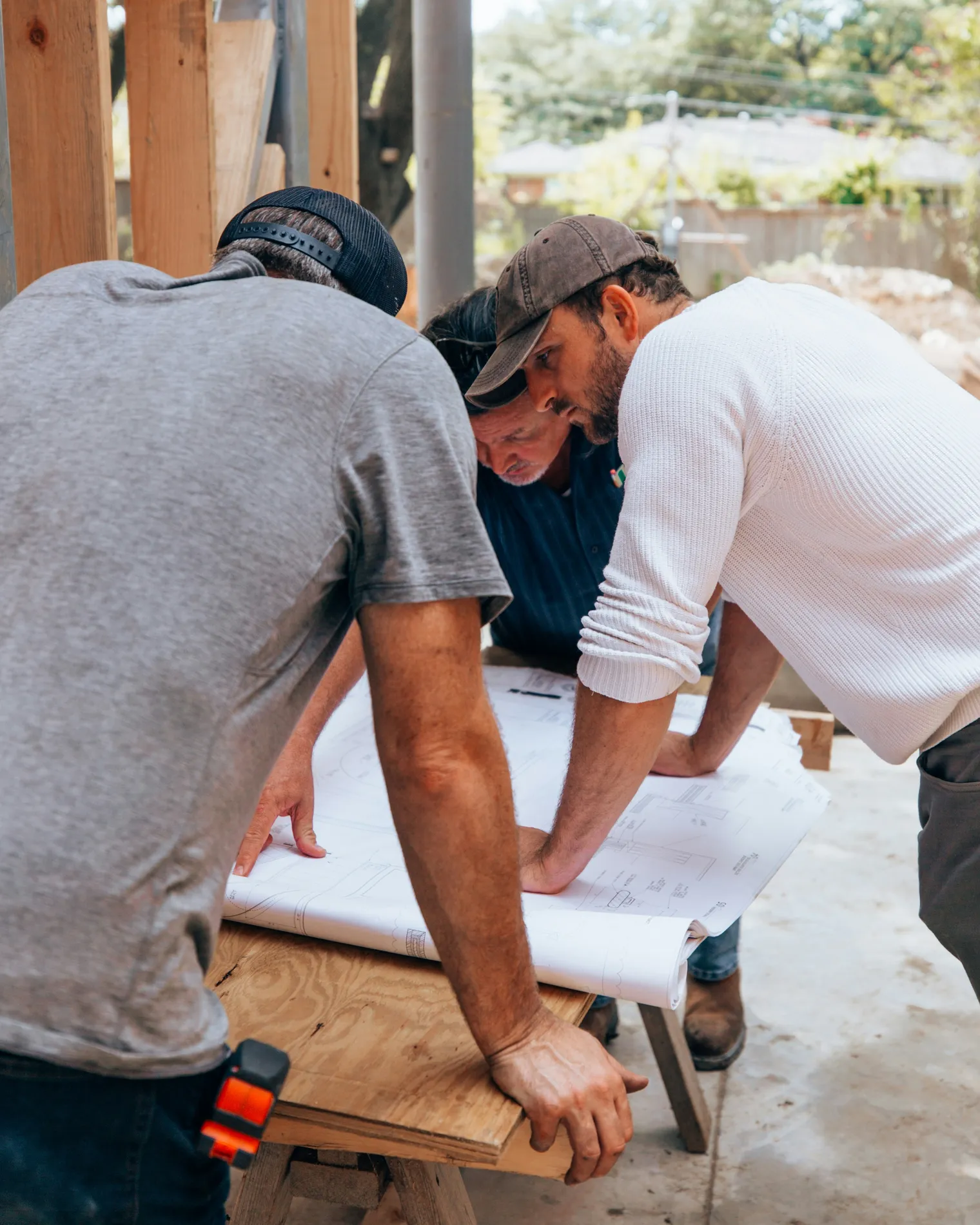
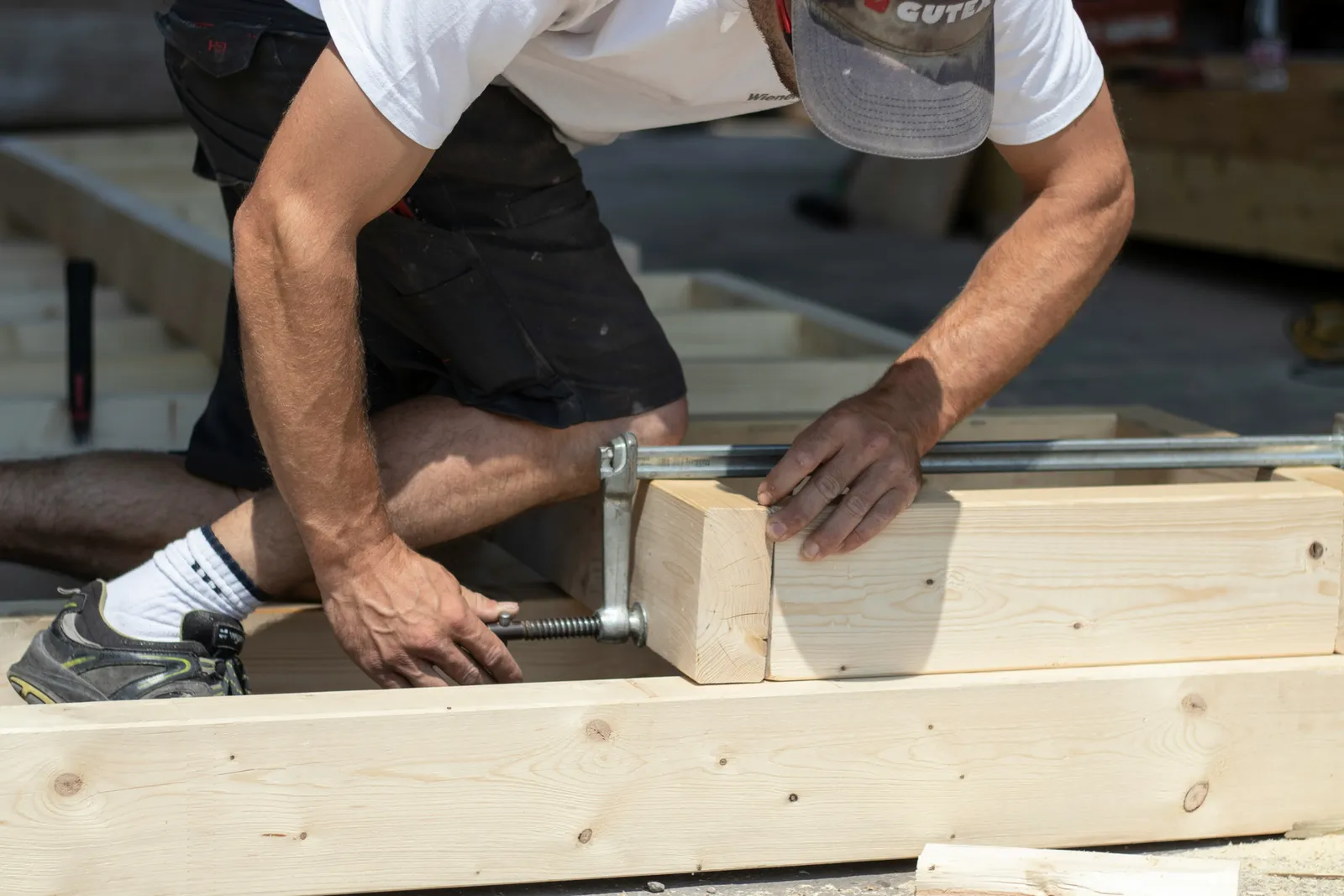
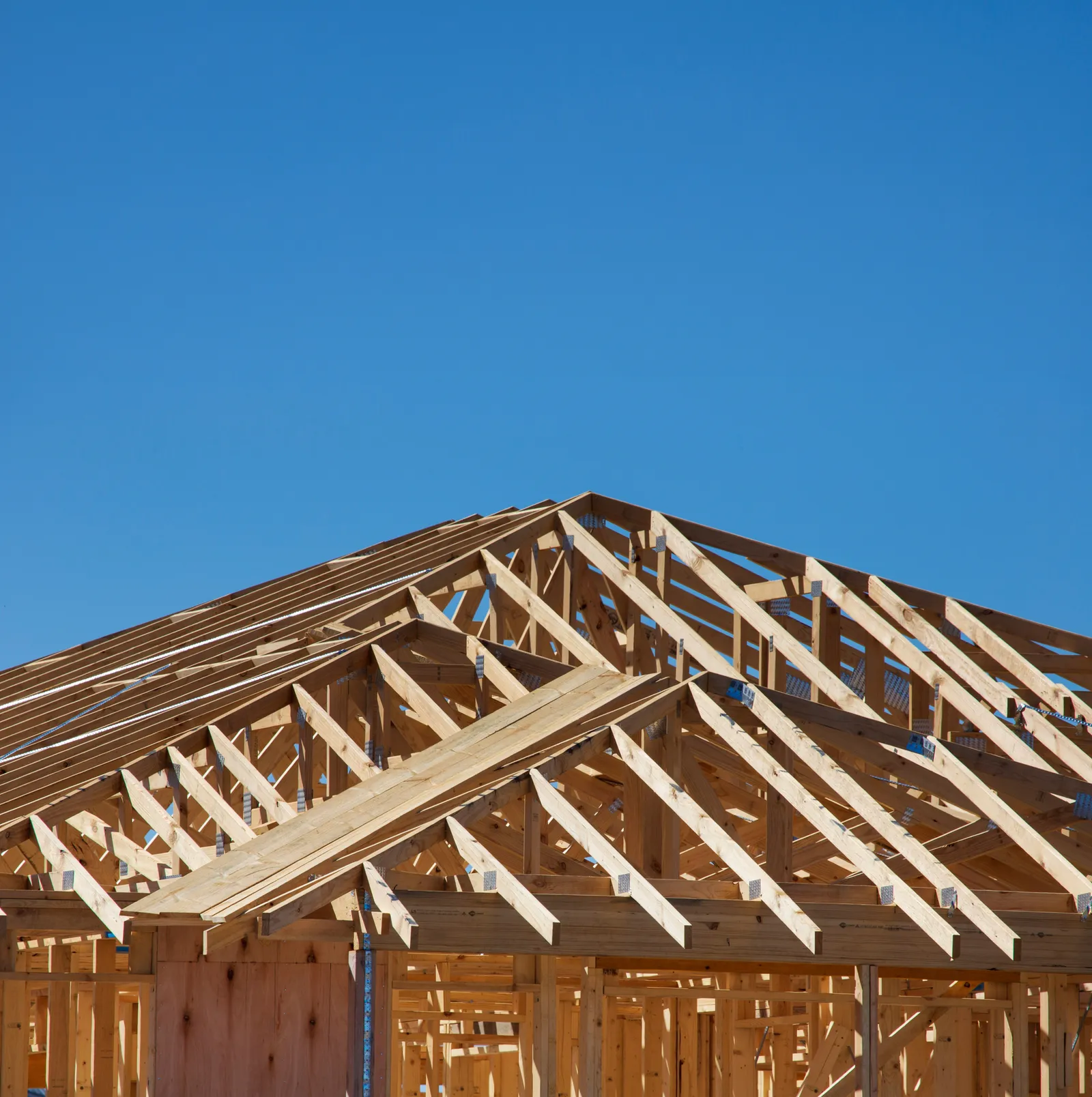
Timber construction is extremely versatile and offers enormous design freedom. Its range of applications is therefore particularly wide, from renovations and complete new-build projects to additional storeys and extensions. Timber also opens up new possibilities in non-residential construction. Numerous successful projects, including office buildings, holiday parks, schools and sports halls, show that timber construction is certainly no longer a vision of the future.
Architects often choose timber construction for its tactile qualities. Timber is a natural material that brings a warm, homely atmosphere to interiors. With solid CLT panels, the cross-laminated timber boards can be left fully exposed. Timber’s natural appearance adds aesthetic value and significantly reduces the cost of interior finishing.
Built at speed
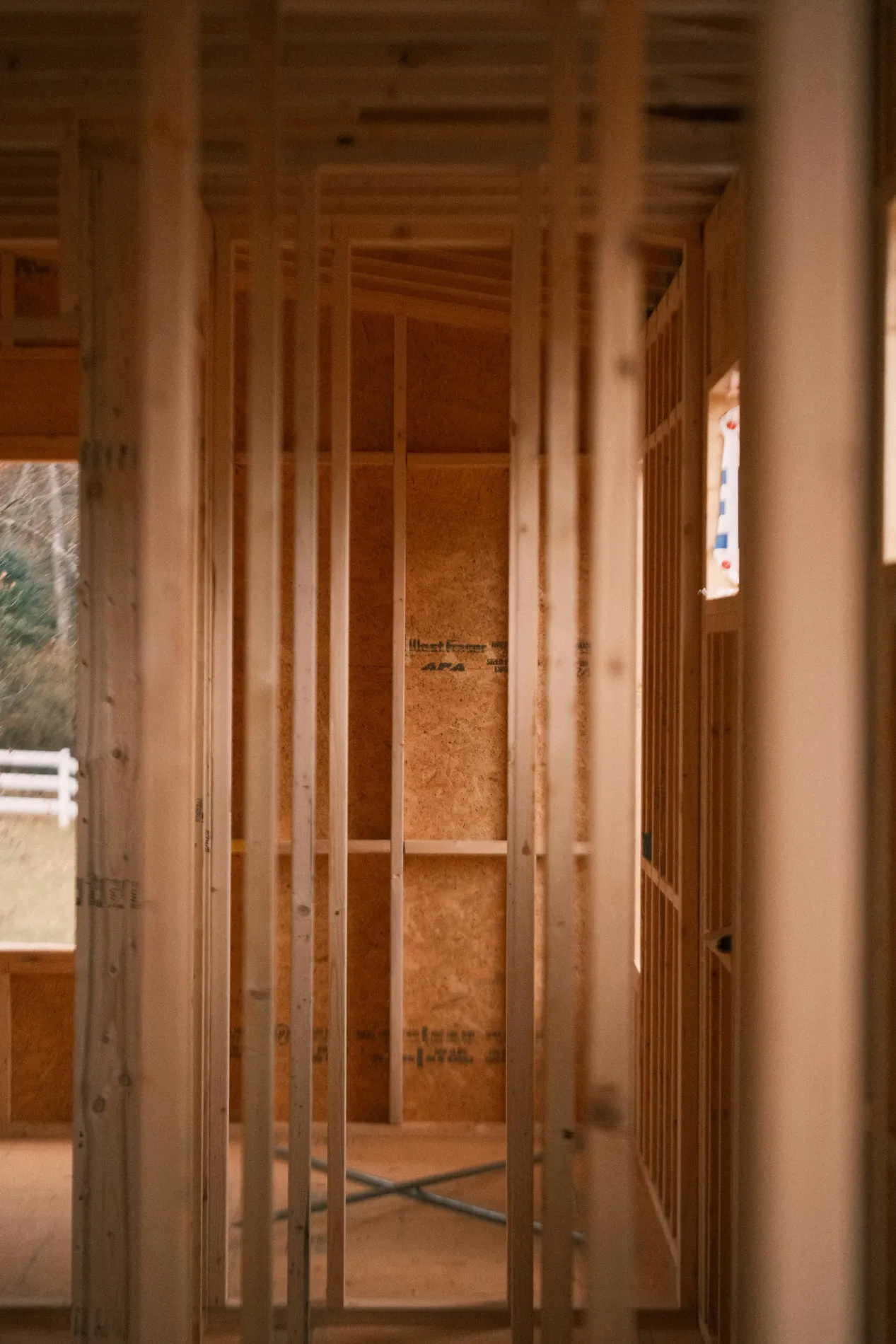
One of timber’s major advantages is that it enables faster construction than traditional building materials. This method offers a significant benefit, particularly for projects where a rapid opening is crucial, such as hospitals, schools and care facilities.
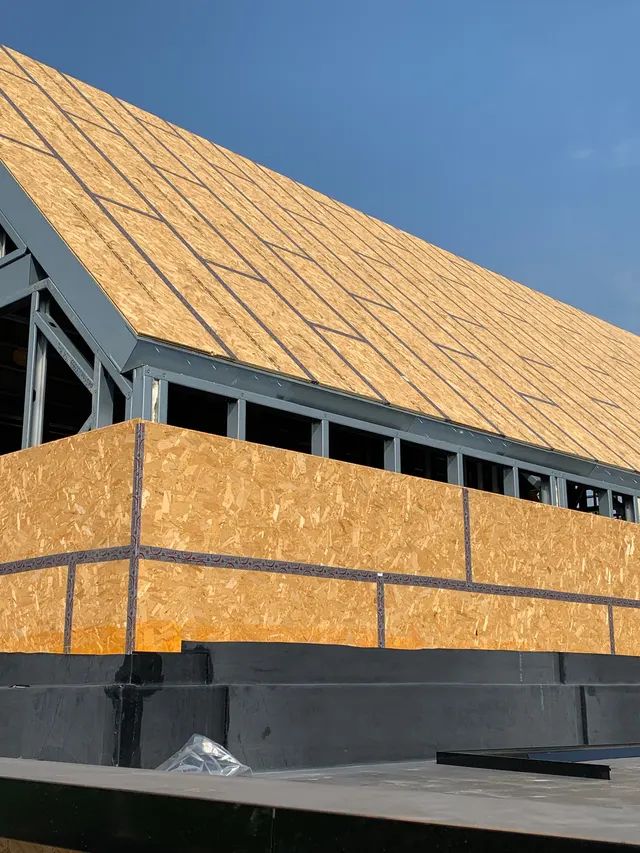
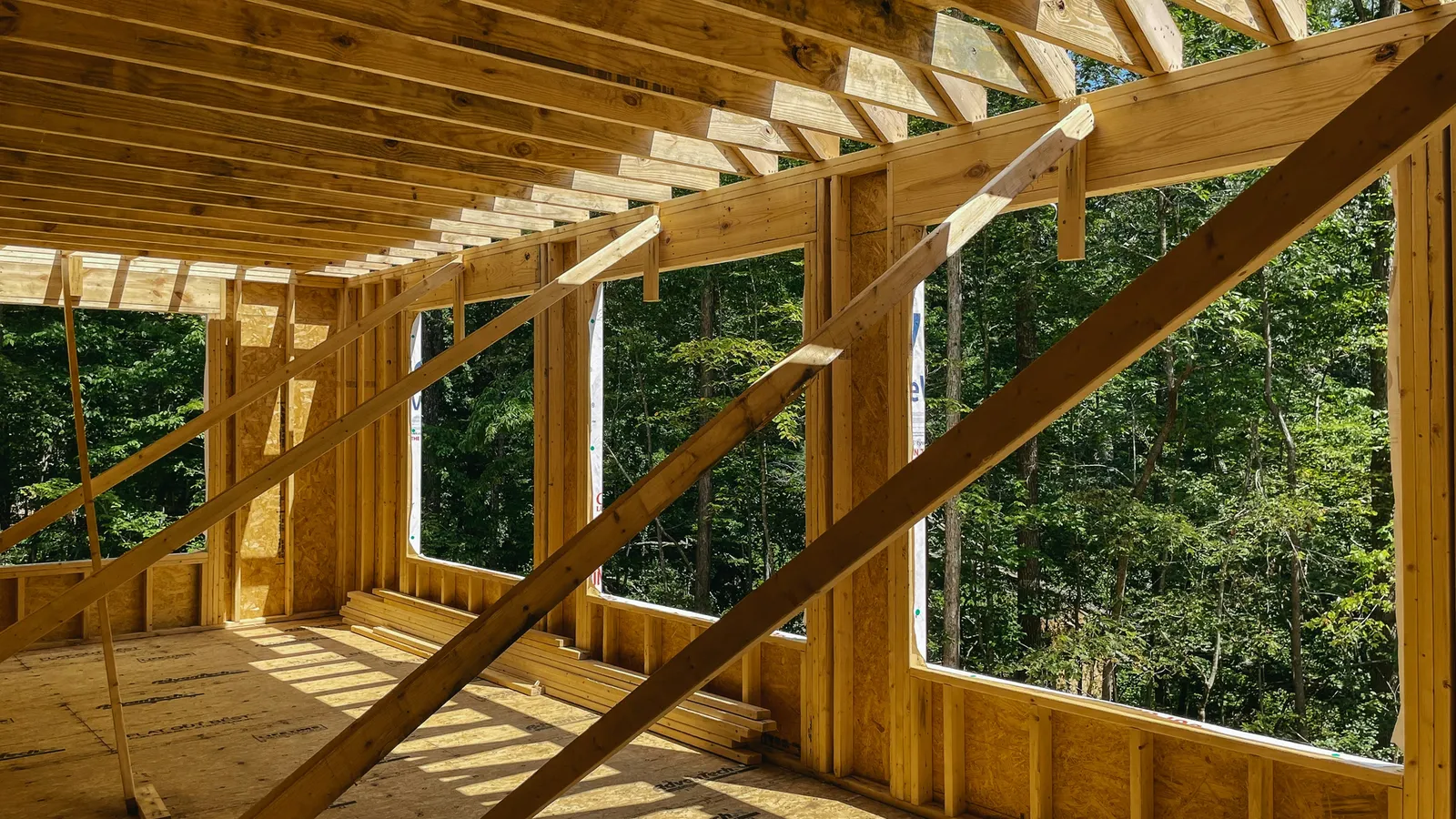
In timber frame and solid timber construction (CLT), modular structures are prefabricated in the factory, then transported to the site and assembled. This not only saves considerable time, but also streamlines site logistics. Advanced computer-controlled 2D and 3D techniques ensure that everything is prepared down to the last detail, resulting in a high-quality finish. Insulation can also be installed quickly and efficiently, further shortening the construction period.
Are the sceptics right or wrong?
Doesn’t felling trees harm the environment? It is an understandable question. Yet in practice, this concern is often unfounded, provided the timber comes from sustainably managed forests. No more timber is felled than can grow back, keeping the forest in ecological balance. FSC and PEFC are the best-known certification schemes in this field.
Another common argument among sceptics is that timber construction is more expensive. Is that justified, or simply a misconception? There is no straightforward answer. The right assessment can only be made once all aspects have been considered and each project evaluated individually. Looking at the whole picture often leads to a surprising conclusion.
Question about this story? Ask your question
Keep following this
Get an email when a new story is published. No account needed.
- SubjectTimber construction