Concrete and steel construction
Precast concrete: a key to sustainable and circular construction
Text FEBEImage FEBE, Bas Princen, Johnny Umans
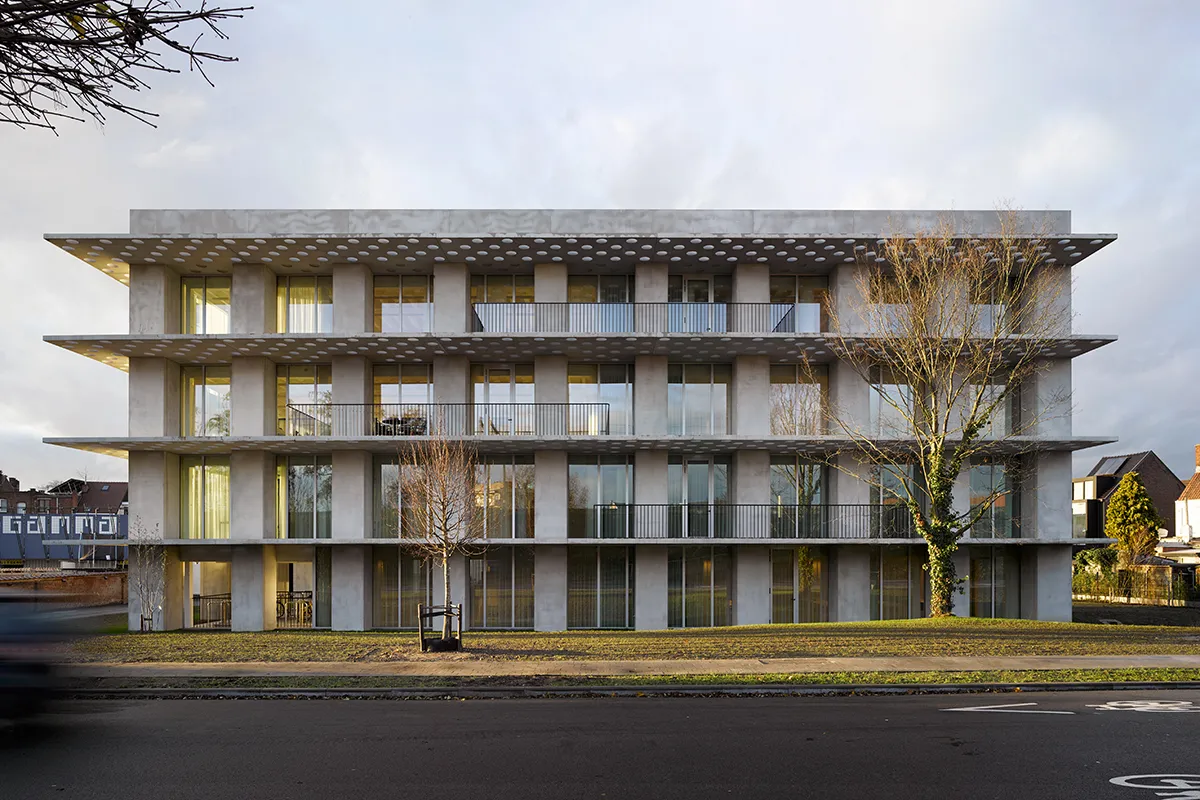
The Earth is telling us a story. About limits being reached, space becoming ever scarcer and raw materials that are not available indefinitely. These signals do not call for a halt, but for a different way of building. One that takes account of today and tomorrow, of what we use and what we leave behind. In this story, precast concrete has a new role, perhaps even the leading role: not as a conventional building material, but as a future-oriented construction technique that enables circular thinking.
The debate often focuses on CO2 emissions, but at least as important is how much space we occupy and how irreversible that impact is. Every hectare we build on is often lost to the ecosystem for generations. Nature recovers slowly. Soils, plant species and animal species do not simply return.
The challenge is to strike a balance between preserving open space and the ongoing demand for housing, agricultural land and business premises. This requires a transition: reusing and transforming existing built-up areas rather than continually encroaching on new open space.
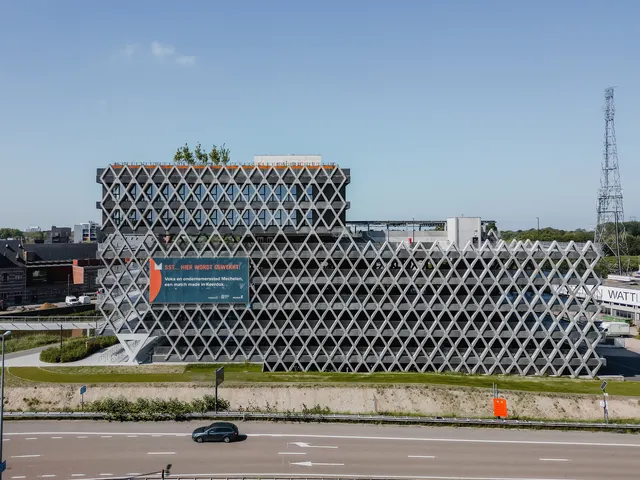
Precast concrete plays a key role here. By building compactly, thoughtfully and efficiently, different functions can be combined on a smaller footprint without compromising quality or safety. Slender structures, longer spans and efficient building systems make densification possible where needed, while freeing up space elsewhere for nature, water and agriculture.
The structure as lasting value
A building comprises different layers: the structure, façade, services and finishes, each with a different lifespan. Finishes and services change relatively quickly, but the load-bearing structure can last for more than a century. This offers significant sustainability benefits.
Precast concrete is ideally suited to this structural layer. Controlled production and high strength result in structures that are not only long-lasting, but can also be adapted over time. This makes repurposing easier: from offices to homes, from schools to care complexes, and from industrial to mixed use.
A building that can remain in use for a hundred to a hundred and fifty years and adapt to new needs without being demolished is inherently more circular than one that has to be removed after forty years, even if it is made from supposedly ‘green’ materials. Less demolition means less waste, less new material and lower energy consumption.
Practical applications and innovation
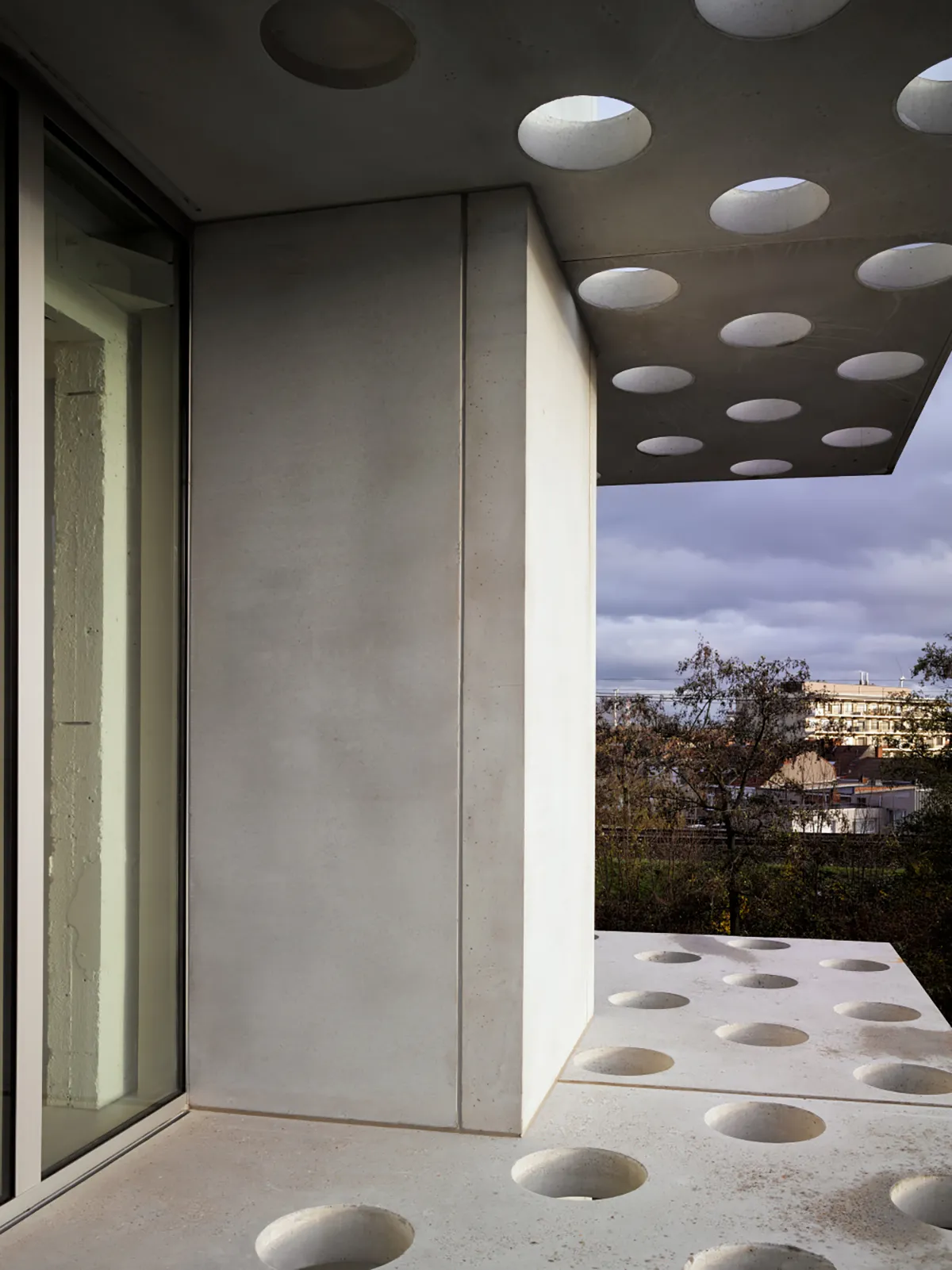
Precast concrete increasingly uses mechanical, demountable connections, such as screws and bolts to connect beams, columns and walls. This allows elements to be removed, reused or replaced later without damaging the load-bearing structure. Dry bearing and bolted connections make buildings adaptable, low-maintenance and suitable for multiple generations and uses.
Where reuse is not possible, recycling remains valuable. Concrete can be processed into secondary aggregates, which can be used again in circular concrete or other applications.
Often misunderstood
Sustainable construction requires materials that can withstand the test of time and extreme conditions. Precast concrete combines water resistance, fire resistance and structural reliability with efficient use of materials. Concrete’s thermal mass and inherent value contribute to passive cooling and comfort, while industrial precast production enables optimised mixes, minimal waste and more slender structures.
Although concrete is often criticised for its associated CO2 emissions, this overlooks the context: per kilogram, concrete performs better than many other building materials. And because it is used on a large scale worldwide, even small improvements in binders and mixes deliver significant environmental benefits.
Materials such as steel and aluminium score many times higher. Timber is often put forward as an alternative, but that too comes with caveats: carbon storage is temporary, and standing forests store more carbon than harvested forests and promote biodiversity. So the debate is not about ‘concrete versus timber’, but about which material makes the most sense and is most efficient and responsible to use, where and when.
Precast as a driver of the construction shift
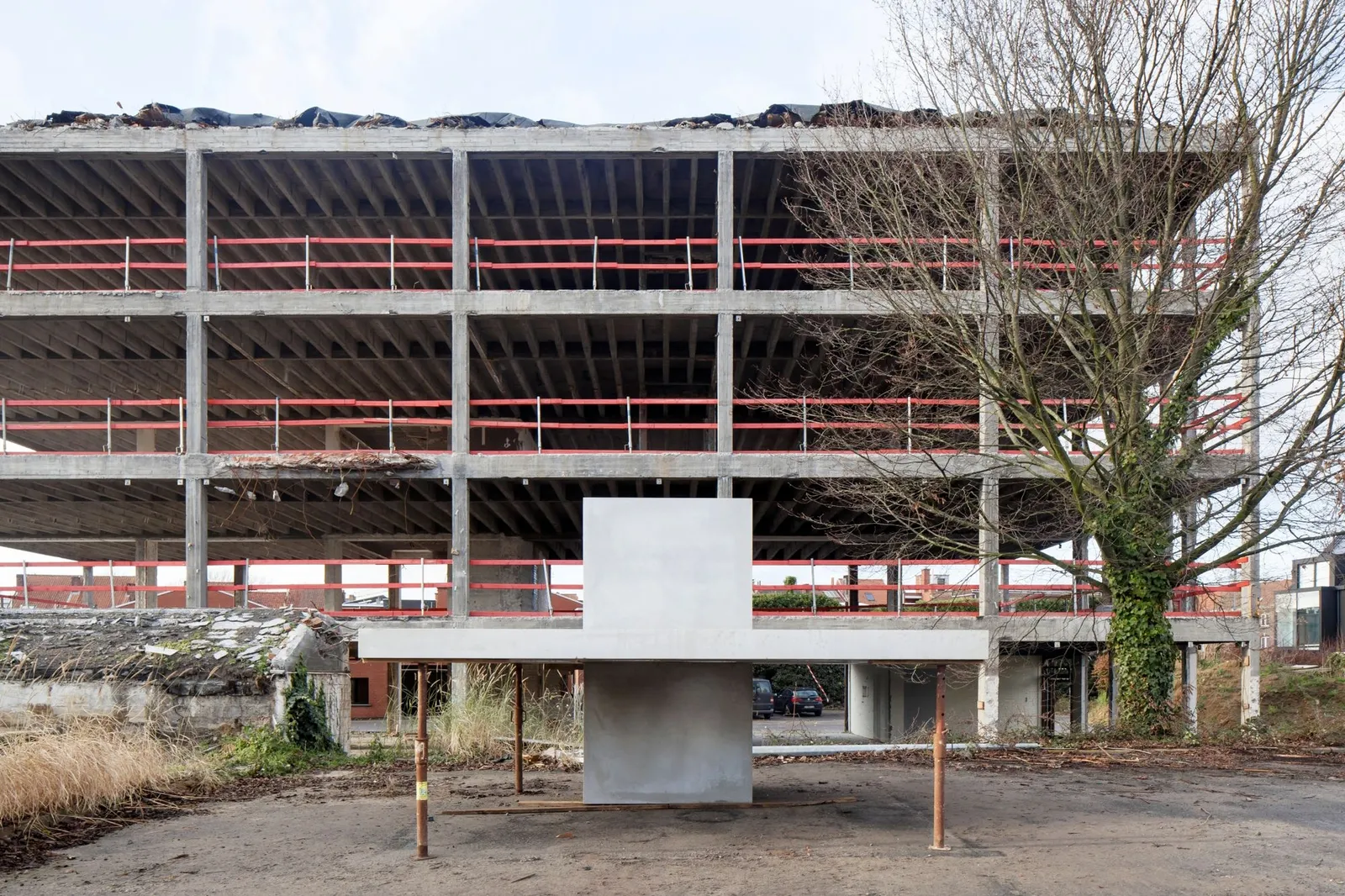
Precast concrete is not the end point, but one chapter in a bigger story. A chapter in which robustness, circularity and efficient use of space come together. The next chapters are already being written: with new binders, infrastructure that adapts to climate change, demountable connections, the reuse of elements and circular aggregates. By building thoughtfully, we contribute to a story that is not just about buildings, but about how we share space, materials and the future.
Question about this story? Ask your question
Keep following this
Get an email when a new story is published. No account needed.
- SubjectConcrete and steel construction