Renovation versus new build: when to preserve or demolish?
Text Tim JanssensImage A2D, Max Hart Nibbrig
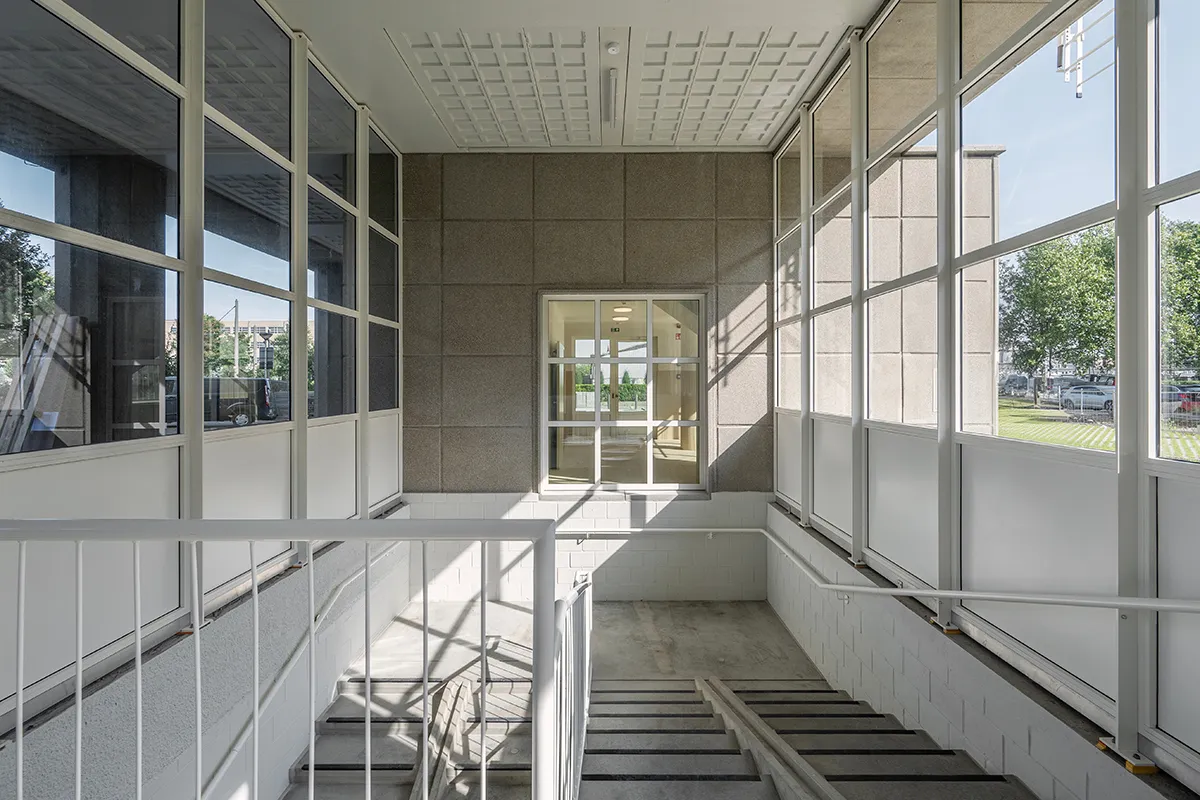
Should existing buildings be preserved and renovated, or should they be demolished and replaced with a new building? It is a dilemma that preoccupies many clients. All the more reason to explore it in greater depth with a number of experts, thought Palindroom, which devoted a substantial part of the content programme at an engaging webinar on renovation and adaptive reuse to the subject. Philippe Brysse of A2D and Wilma Kempinga of Stichting Mevrouw Meijer shared their views on this pressing issue. “A change of mindset is urgently needed, because far too much is being demolished.”
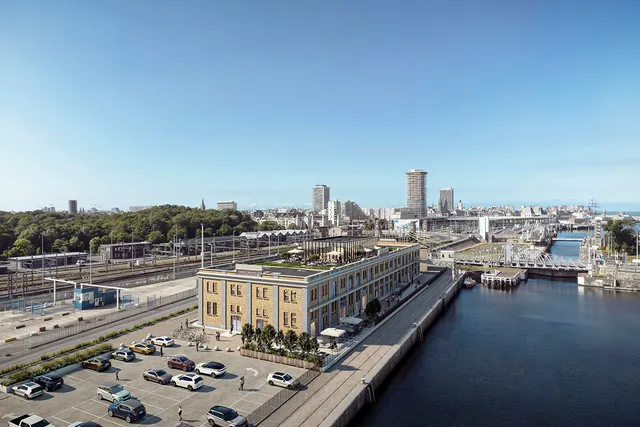
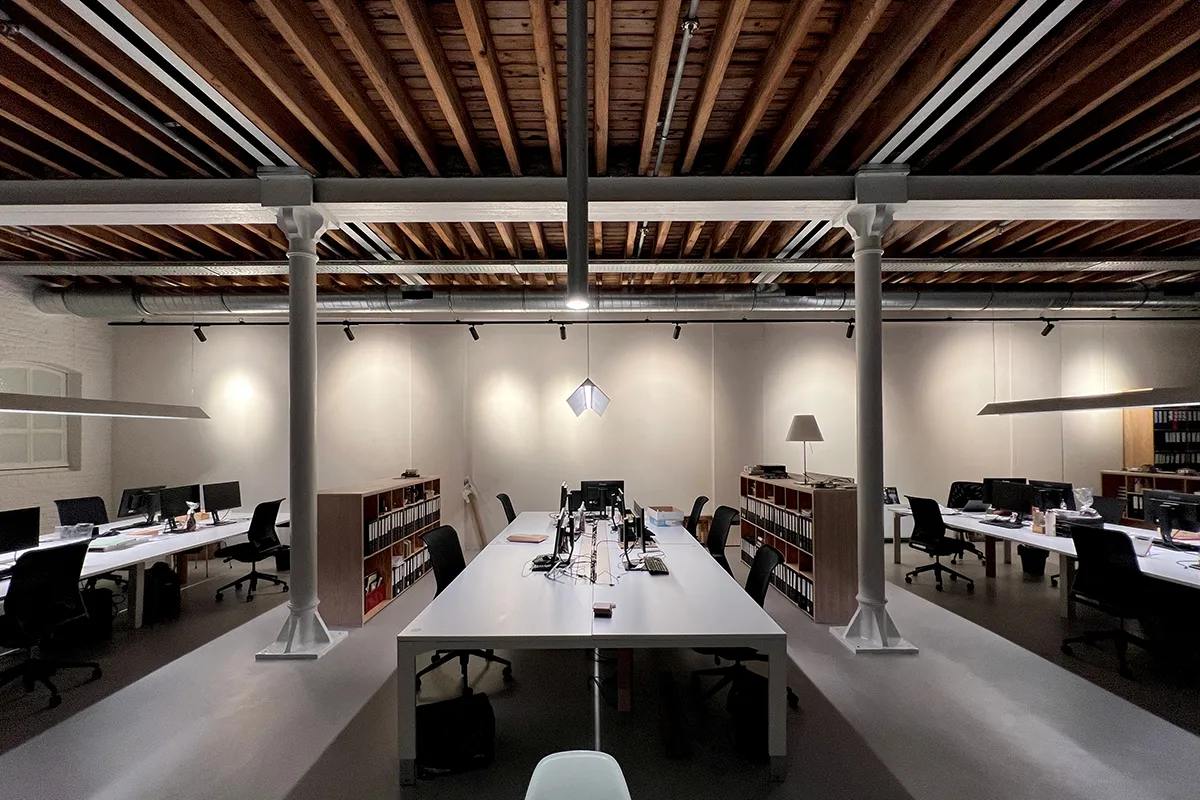
‘Preservation should be the rule. A demolition permit should only be granted if it can be demonstrated that preservation is impossible.’ This bold statement immediately set the tone for the rest of the webinar on renovation and adaptive reuse. Fittingly, it was held in a renovated and repurposed customs building in Brussels, where architectural practice A2D recently set up its offices. Almost 73% of attendees largely agreed, while just 9% disagreed. “An important signal, though of course it’s a challenging proposition,” says Philippe Brysse, architect and managing partner at A2D. “Because how do you define ‘preservation’? In my view, the key is to let common sense prevail. I don’t think everyone should be forced to preserve an existing building as a matter of principle. In some situations, that simply isn’t desirable or appropriate. Dogmatism is never a good thing. But the same applies in the other direction: opting for demolition as a matter of course cannot be the aim either.”
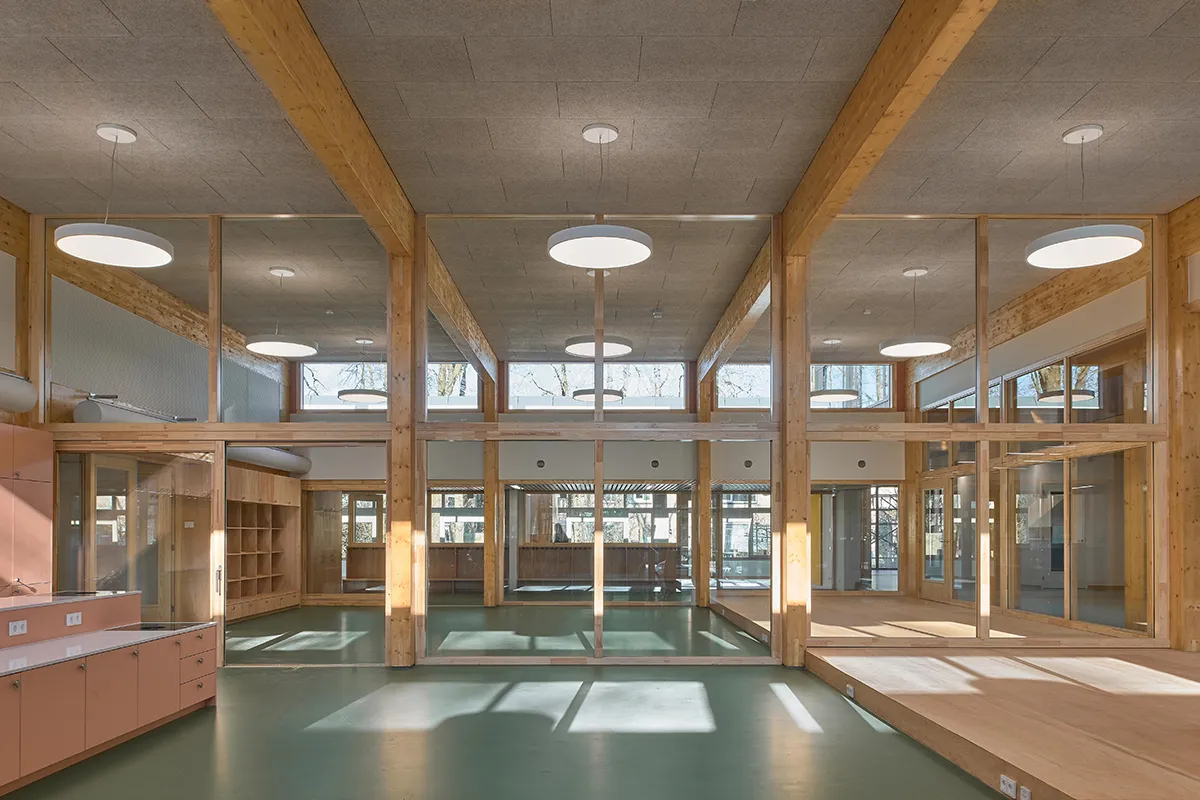
Yet new build is often the default choice, says Wilma Kempinga, co-founder and driving force behind Stichting Mevrouw Meijer, a Dutch practice specialising in educational architecture and design-based research to give existing schools a new lease of life. “As a result, far too much is being demolished. In the Netherlands, there is a prevailing belief that schools need to be renewed after forty years, preferably by replacing them with a new building. We think that’s a real shame. I live in a house built in 1907. Had it been a school, two new buildings would already have been built on that site by now. A change of mindset is needed. Through Stichting Mevrouw Meijer, we hope to help people see that among all those schools deemed obsolete, there are many valuable buildings with a future, even if they are not immediately recognised as architectural gems. Another major misconception about renovation is that it is solely about preserving an existing building. In many cases, combining renovation with new build can add even greater value. That should not be taboo.”
Recognising the qualities of existing buildings
Those wishing to preserve and renovate an existing building all too often come up against structural obstacles. One sticking point is that the brief is usually drawn up with new build in mind, says Wilma Kempinga. “For generations, a systematic bias in favour of demolition and new build has been built into regulations, the organisation of construction companies, the way costs are calculated … Existing buildings find it very difficult to meet those requirements, but that need not be a problem in itself. They have different qualities and offer particular extras and features that can never be achieved or replicated with a new building. It all starts with a thorough analysis of what is already there.”
Philippe Brysse wholeheartedly agrees: “Simply shoehorning a brief into an existing building is not the right approach, in our view. The key is to understand the building thoroughly from the outset and bring its existing qualities to the fore by carefully aligning the brief with them. Unfortunately, as architects we are often presented with a fait accompli because we are brought in too late. That is why we believe it would be a good idea for clients to seek our support from the very beginning. This can make a real difference, especially on renovation and adaptive reuse projects. The more thoroughly you assess the options in advance, and the more carefully you make the key decisions, the better the end result.”
Financially and environmentally beneficial
Many clients still believe that renovation costs more than demolishing a building and putting up something new. “That’s not true,” stresses Wilma Kempinga. “For the past fifteen years, we have subjected our projects to very thorough analysis, including cost analysis. The findings show that renovation is 10 to 30% cheaper, even when we compare buildings with the same level of comfort and quality as new builds. Our guiding principle is very simple: appreciate the beauty of what is already there. We all tend to behave like spoilt children who always want something new, when what we already have is often more than good enough. Why replace a toilet block that works perfectly simply because it has been around for a few years? Here too, a general change of mindset is needed. By preserving what is good and investing in things that bring genuine improvements, you can save a great deal by the end of the project.”
Philippe Brysse also believes it is time to revise the usual starting points and objectives. Strict regulations do not help, however. “Achieving that final 10% in energy efficiency in a renovated building requires spending a great deal of money, even though that is not always necessary in itself. Everything we preserve delivers far greater gains than the elaborate measures we have to take to meet new-build standards. We should therefore take a much more holistic approach to energy and sustainability.”
According to Wilma Kempinga, a carbon tax is the ultimate solution: “Our research shows that preservation and reuse are always better than demolition and rebuilding in terms of CO2 impact too. The difference in CO2 emissions is as much as 30 to 50%. If this were reflected in a carbon tax, the financial incentive and the greater awareness it would bring could make the preservation of existing buildings the primary consideration. For the construction industry, which is still one of the most polluting industries, that would be a huge step forward. And therefore a huge step forward for society as a whole, especially when you consider the building projects still in the pipeline …”
Question about this story? Ask your question
Keep following this
Get an email when a new story is published. No account needed.
- SubjectRenovation