Concrete and steel construction
Smart, safe and no surprises: how to guarantee quality with ready-mixed concrete
Text and images FEDBETON
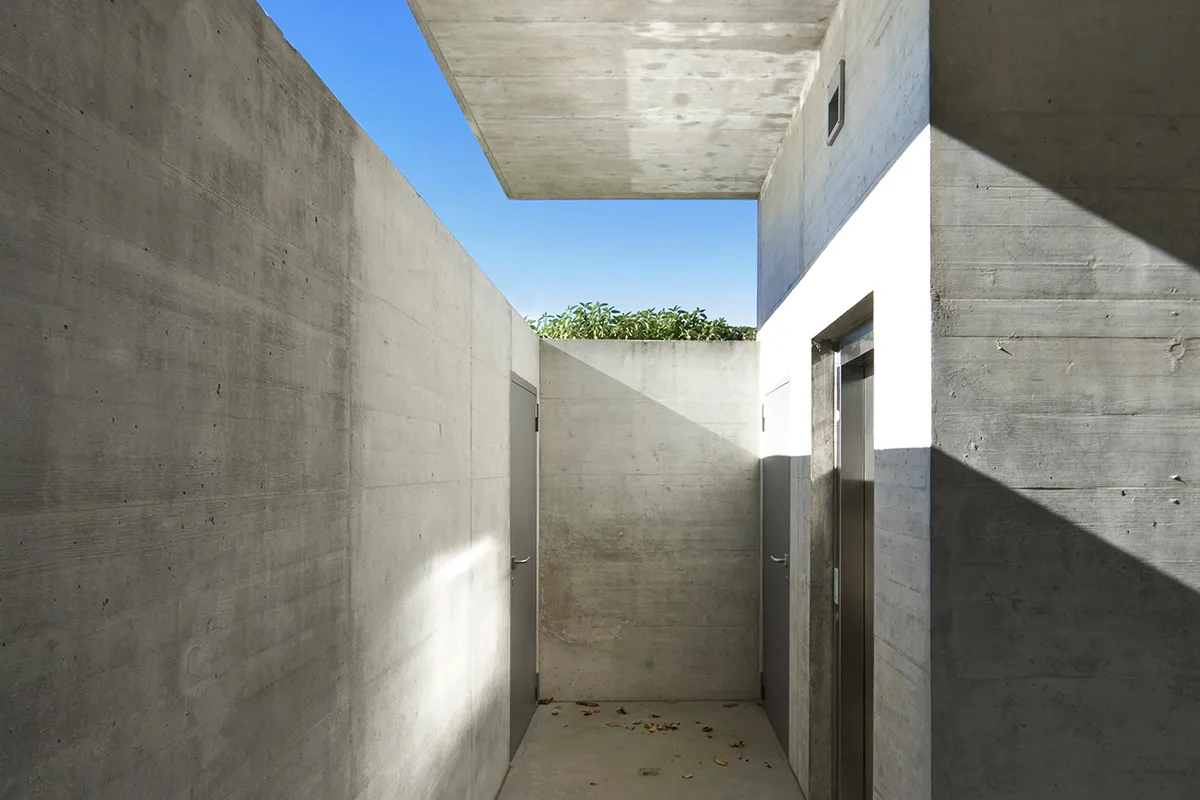
A morning on site. It is 6 am. The excavation lies quiet in the cold morning mist. The formwork creates a narrow, deep trench that needs to be filled with 60 m³ of concrete. The architect expects an exposed basement wall: smooth, uniform and free from distracting defects. The structural engineer specified watertightness class 2 to limit water ingress and cracking. The contractor ordered the correct S4 mix, fully in accordance with the specification …
But by 6.30 am, things are already going wrong. The subcontractor and the pump arrive, but the setup area is blocked by carelessly delivered pallets. The only option is to pump from the public road, with outriggers that can be stabilised on one side only, 35 metres of extra hoses and concrete mixers having to manoeuvre against the flow of traffic. A two-hour job is immediately pushed back towards midday.
The turning point
The pour starts at 7.45 am, 45 minutes late. The technician measures a slump of 150 mm, perfect for S4, and expects a 20 mm loss through the pump. The BENOR inspector confirms the measurement. But the concrete flow stalls at the bottom because of the dense reinforcement. Coarse aggregate gets caught, and at that very moment the poker vibrator breaks down. A smaller vibrator is used instead, but it has little effect.
Meanwhile, the mixers are left waiting for up to two hours, and the concrete starts to set. “We’d be much further along with S5,” mutters the subcontractor. He still has a floor to pour elsewhere that day and wants to get on with it. The site manager is away, and the technician has returned to the batching plant. As pressure builds, someone asks the pump operator if they can add ‘a little water’.
The mixer drivers object, but the subcontractor says he will sign for it. That voids the BENOR guarantee, but no one makes an issue of it. Water is added, without enough mixing time. The concrete flows more easily, but the cement paste separates from the aggregate at the bottom. Still, no one stops. By 10.30 am the job is finished, an hour and a half late. Or so they think …
The reveal
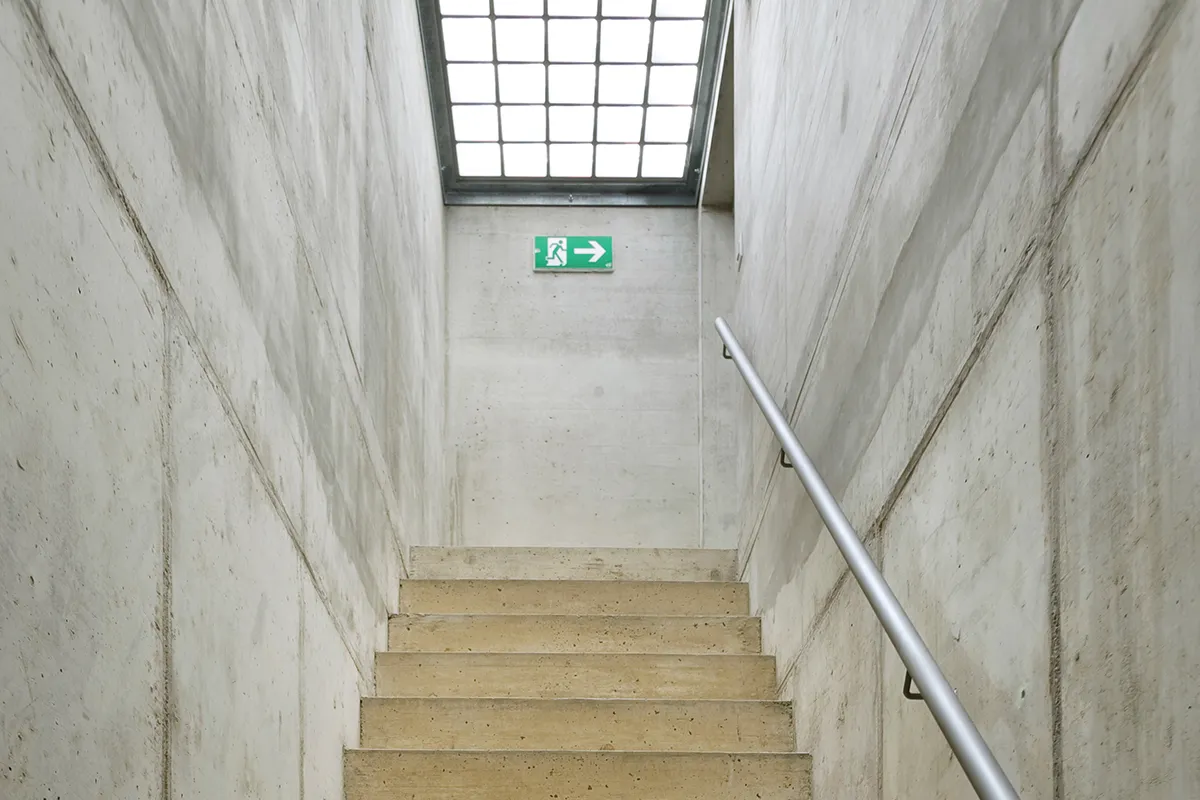
A day later, the formwork is removed and the damage is immediately visible: honeycombing, pores, colour variations, streaks and laitance. The architect objects. The contractor blames the pouring crew, the crew blames the batching plant, and the plant blames the subcontractor. Responsibility is as diluted as the concrete.
What is really at stake?
Concrete defects start small: a hasty decision, a misunderstanding, time pressure. The consequences are costly, visible and sometimes structural:
• Water as a stealthy enemy. As soon as extra water is added, the chemistry changes. The water-cement ratio shifts and strength falls. S4 becomes S5 and segregation begins. What was intended to be C30/37 drops towards C25/30 or lower.
• Mixers left waiting too long. Concrete is always reacting. Long waiting times increase viscosity and pumping pressure, and raise the risk of cold joints.
• Incorrect or insufficient compaction. If a poker vibrator fails and its replacement is inadequate, air and voids remain. In exposed concrete, this causes aesthetic damage; in basement walls, it leads to water ingress, the costliest consequence of all.
How could this have been prevented?
Similar cases show that it is rarely the concrete that fails: it is the system around it.
Specifications are not suggestions. An order for S4 is a quality standard, not a formality.
Preparation is crucial. A pump that cannot be stabilised, blocked circulation areas and equipment that has not been properly tested are not minor details, but risks.
Communication determines quality. Logistical problems must be reported immediately.
A single site charter ensures everyone is on the same page. Clear agreements prevent disputes later.
When it goes right
Ideally, the pump is correctly positioned, mixers arrive in quick succession, S4 remains S4 in practice and compaction is carried out with the right equipment. Once the formwork is removed, the result is a wall that does exactly what it should: even, smooth and high-performing. The architect is happy, the contractor relieved, the client reassured, and no one is pointing fingers.
Question about this story? Ask your question
Keep following this
Get an email when a new story is published. No account needed.
- SubjectConcrete and steel construction