Isolteam combines technical expertise with ecological and circular insulation solutions
Text Stephanie DemasureImage Isolteam
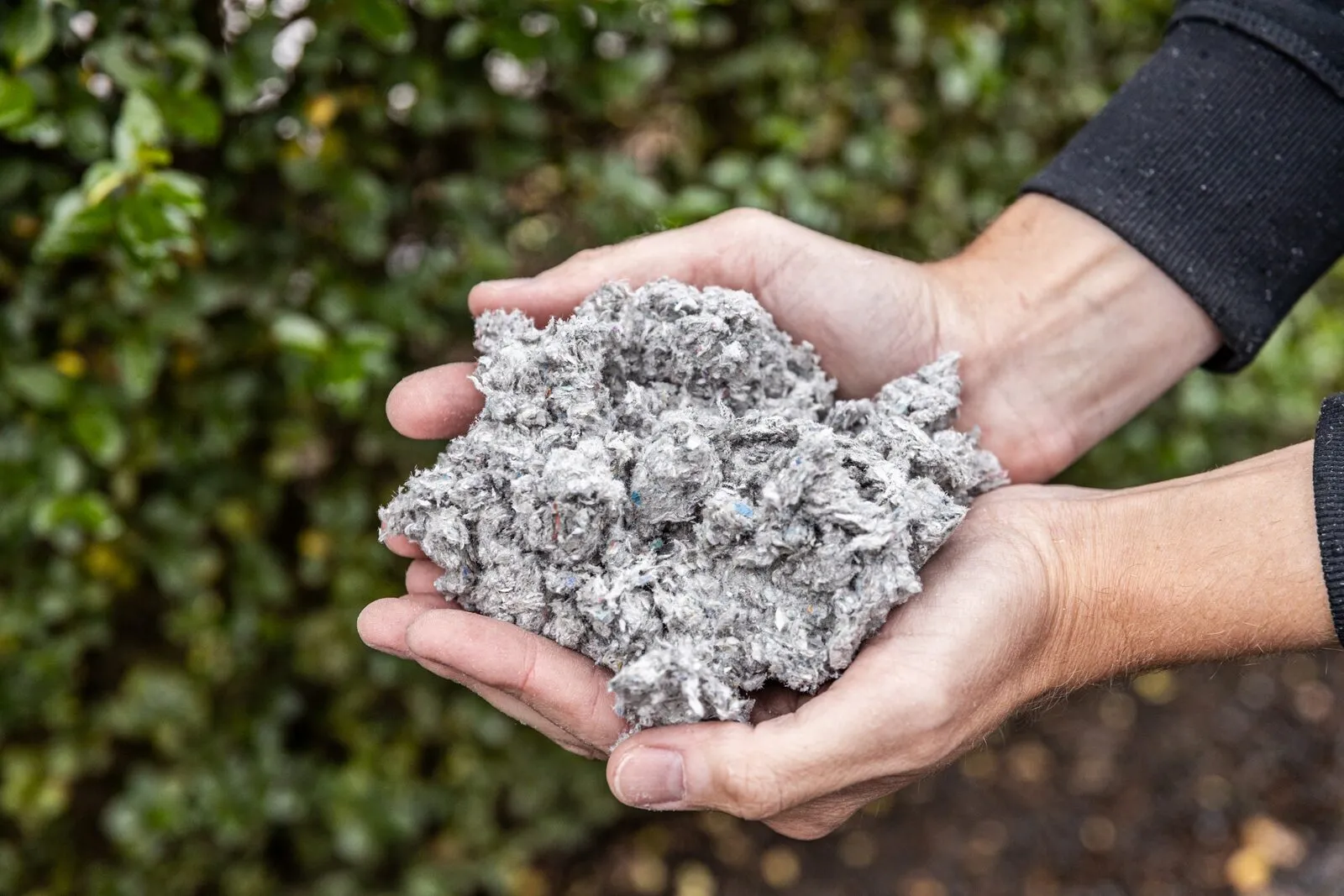
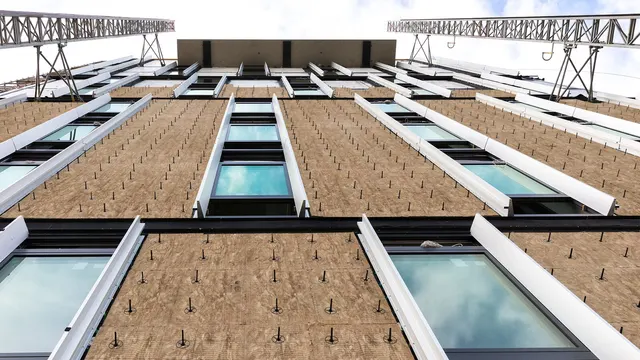
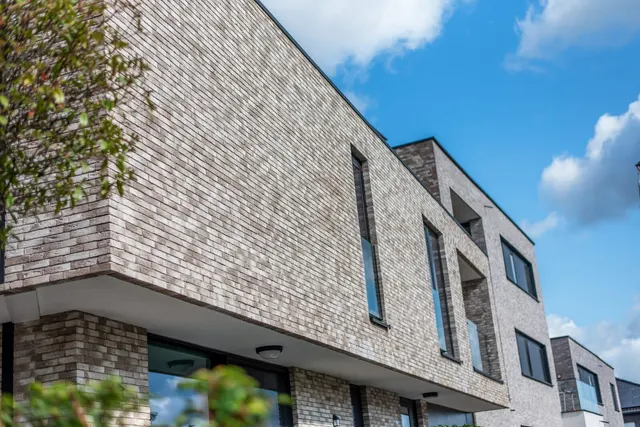
At first glance, the historic renovation of Ghent’s Duivelsteen and sleek new-build homes have little in common. For Isolteam, both projects illustrate how varied the challenges of building insulation can be. With five branches in Belgium and thirty teams, the company aims to create a perfect insulation envelope on every site. “In a circular construction approach, choosing the right insulation products and ensuring high-quality installation are becoming ever more important”, says managing director Hendrik Snauwaert.
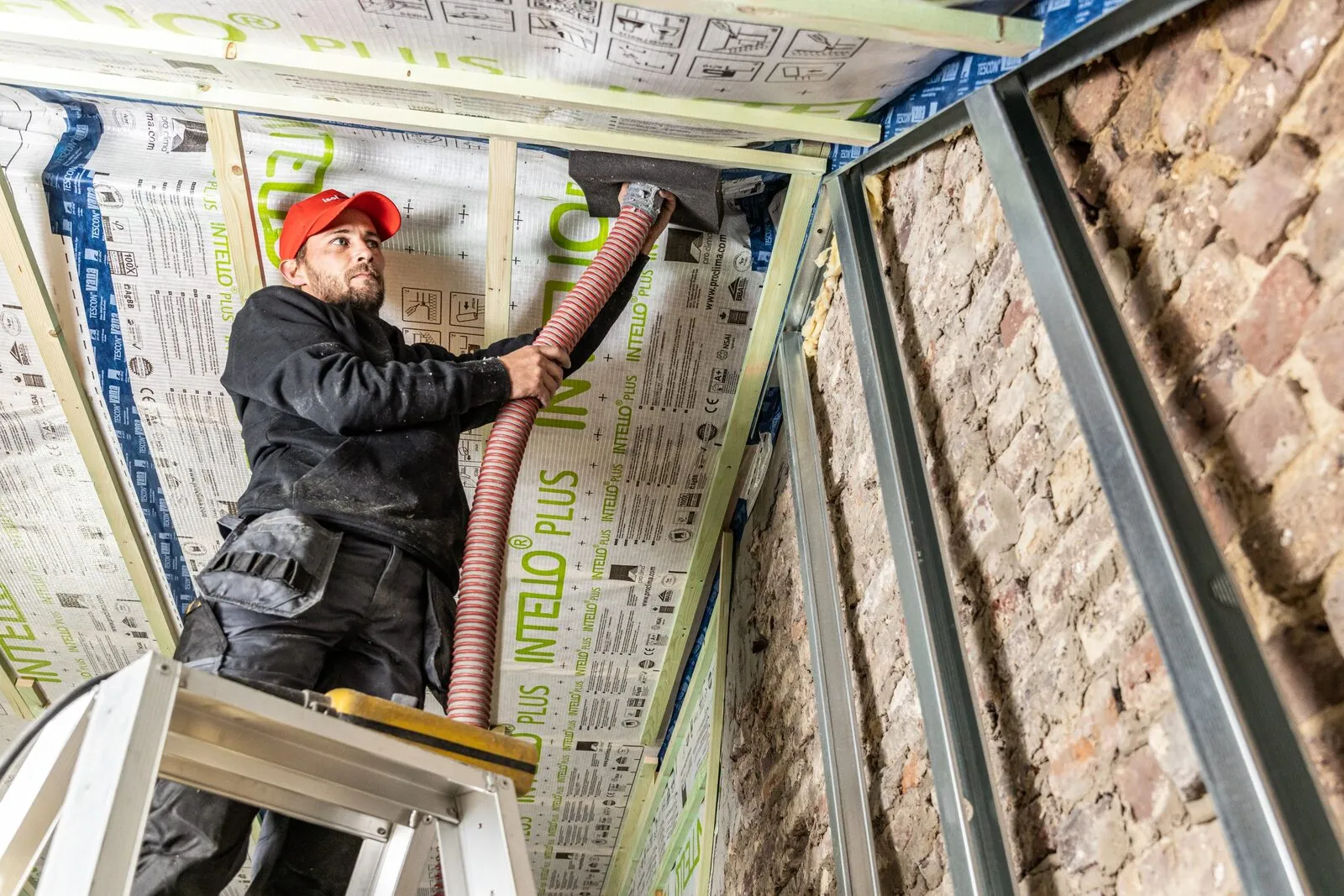
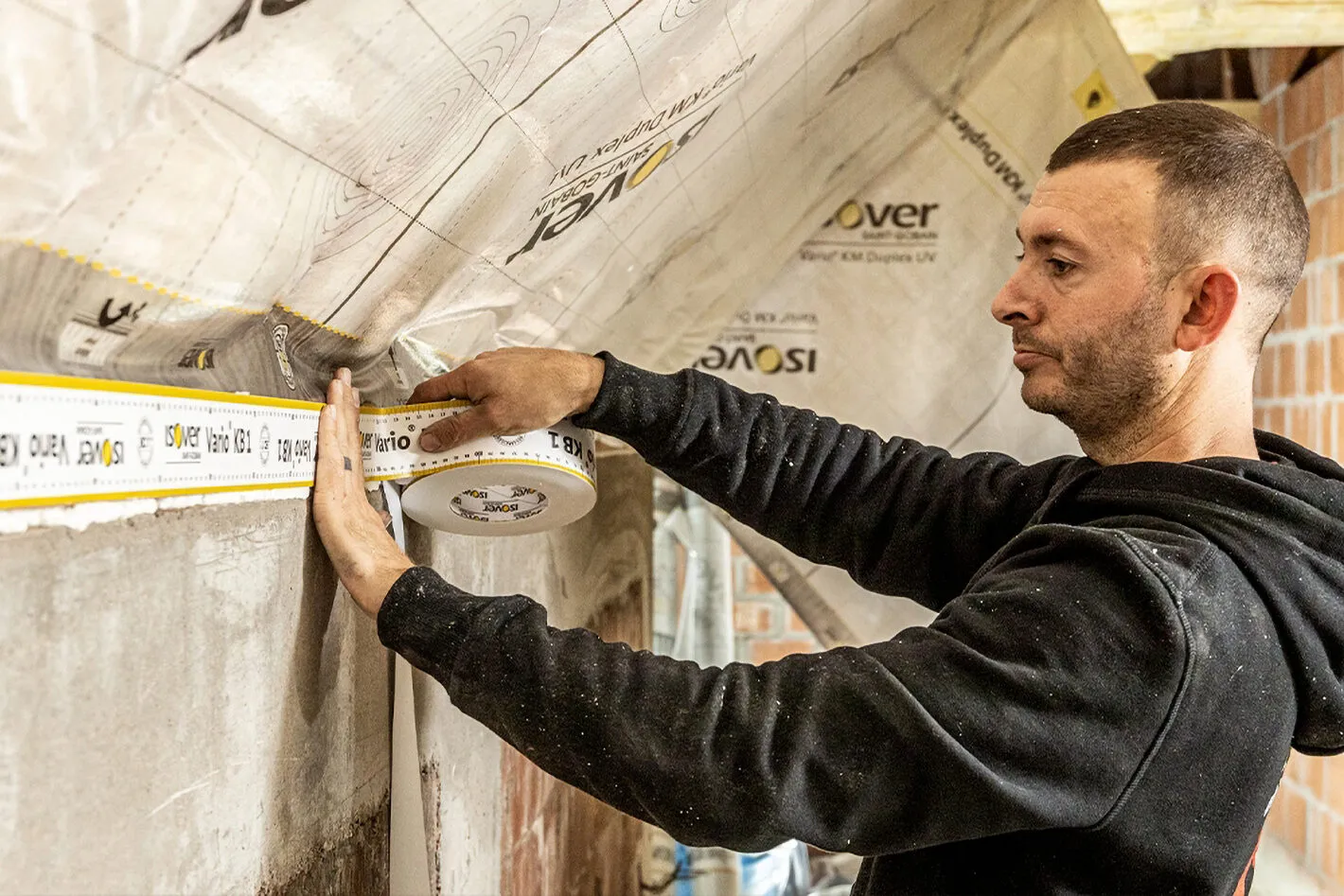
With around 3,750 projects a year, Isolteam rightly describes itself as an expert in insulation work. The company works on both housing and larger commercial projects, insulating roofs, façades, floors, cellars and internal walls, among other areas. “We stand out through high-quality installation and professional advice”, says managing director Hendrik Snauwaert. “We have the expertise to apply a wide range of insulation techniques, from sprayed insulation with open or closed cells to the blowing-in of insulation materials. We also have access to extensive stocks of insulation products, enabling us to carry out large projects smoothly.”
This enables Isolteam to respond to a wide variety of insulation requirements. Increasingly, these go beyond thermal performance to consider the environmental impact of materials too. Where do the raw materials come from? How are they processed? And what happens to them at the end of their service life? These are questions that help shape the choice of ecological and circular insulation. Ecological insulation focuses on keeping environmental impact as low as possible, while circular insulation aims to keep raw materials in circulation for as long as possible.
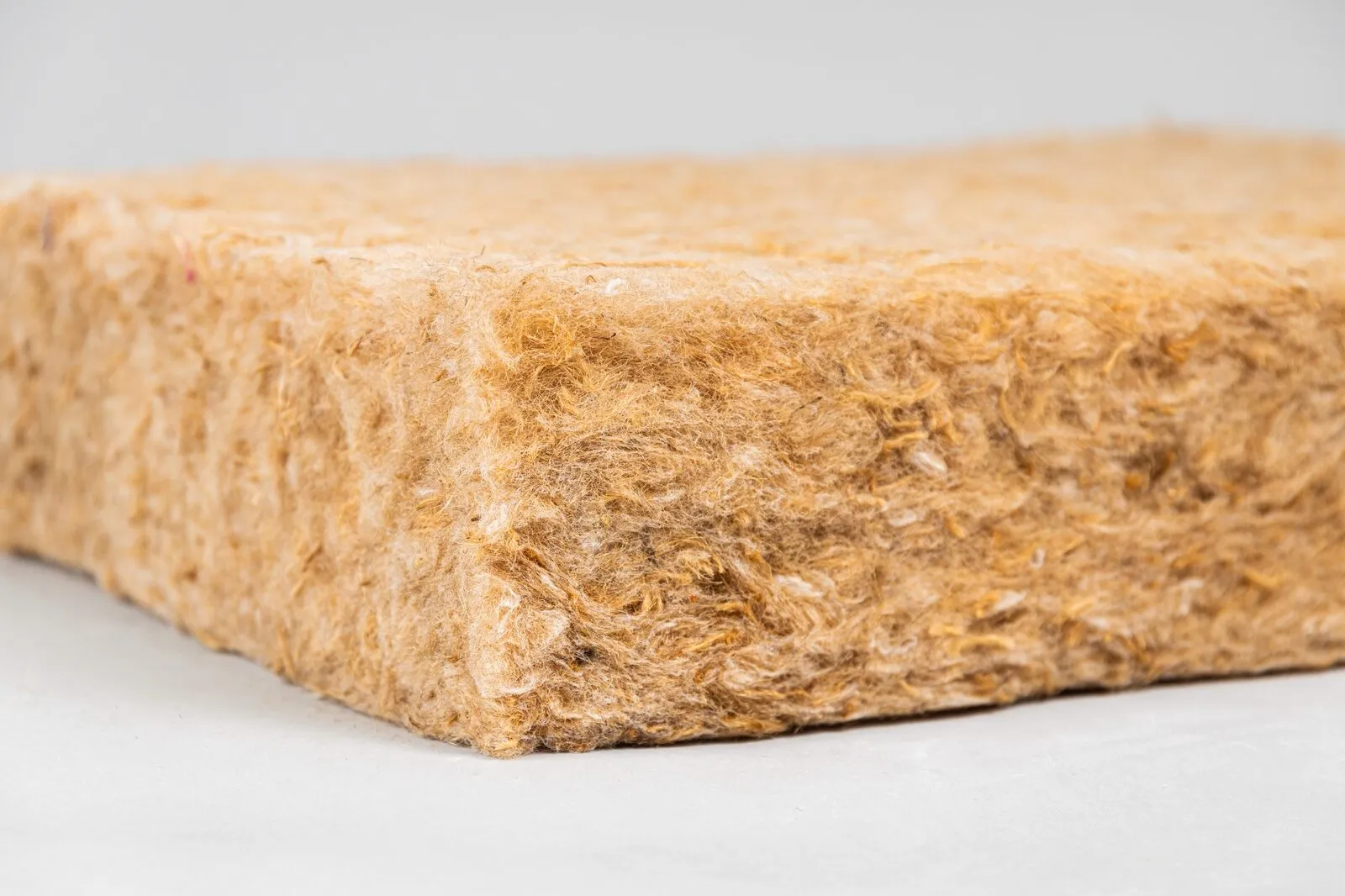
Natural insulation: from wood fibre to cellulose
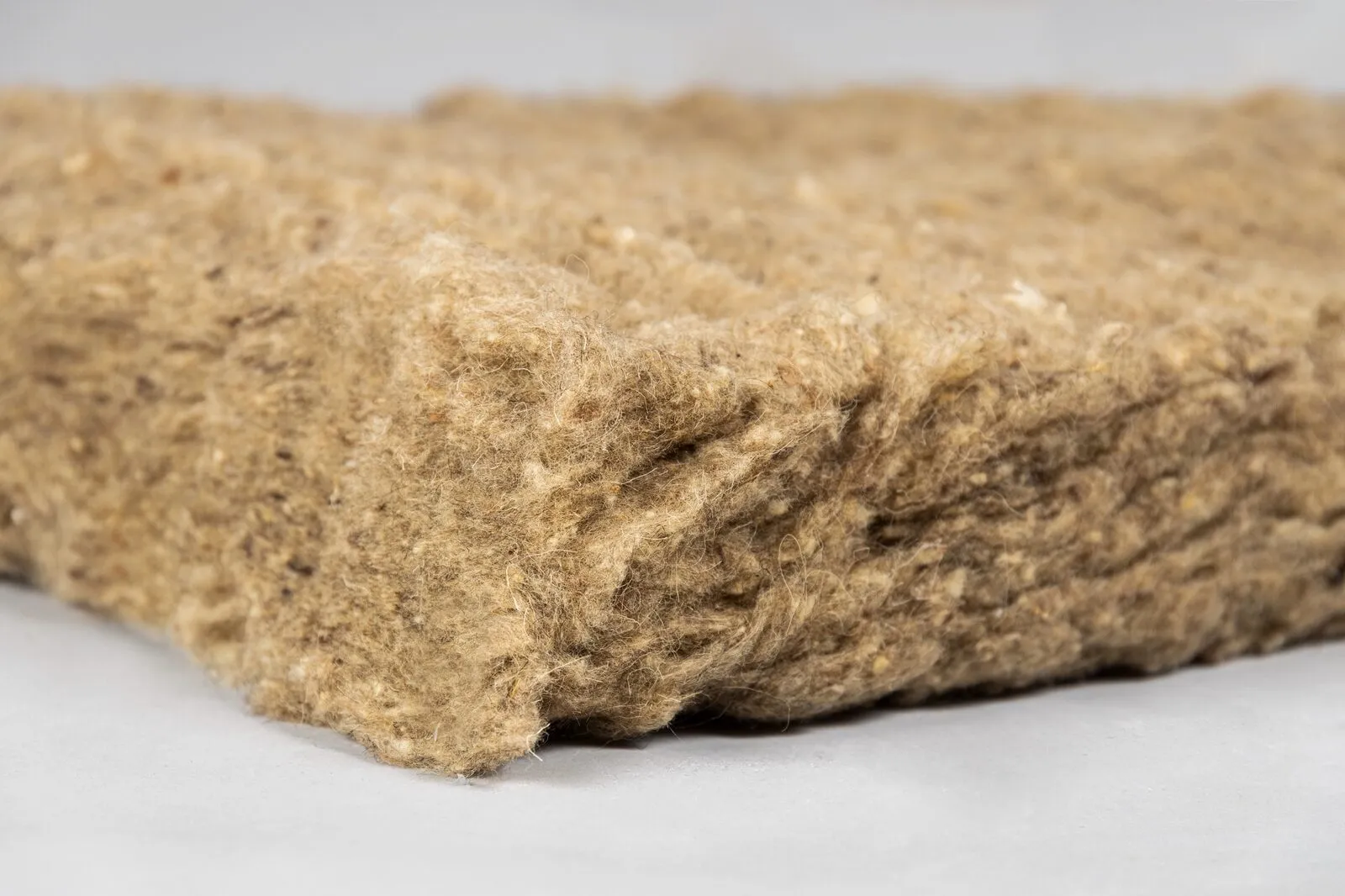
Wood fibre, cellulose, hemp, flax and straw: natural insulation materials offer plenty of options for those looking to insulate ecologically. They are made from renewable raw materials or, as in the case of cellulose, recycled natural fibres. Cellulose insulation is generally made from recycled paper, for example, while wood fibre insulation is made from wood fibres. Ecological insulation made from recycled textiles or grass is another option.
As well as thermal and acoustic performance, many of these materials offer benefits in terms of moisture regulation and summer comfort. The most suitable natural insulation depends on the application, the construction build-up and the performance required. “The optimum solution depends on the project”, Snauwaert emphasises. “For example, when building with CLT, it is important to identify the best insulation solutions in advance.”
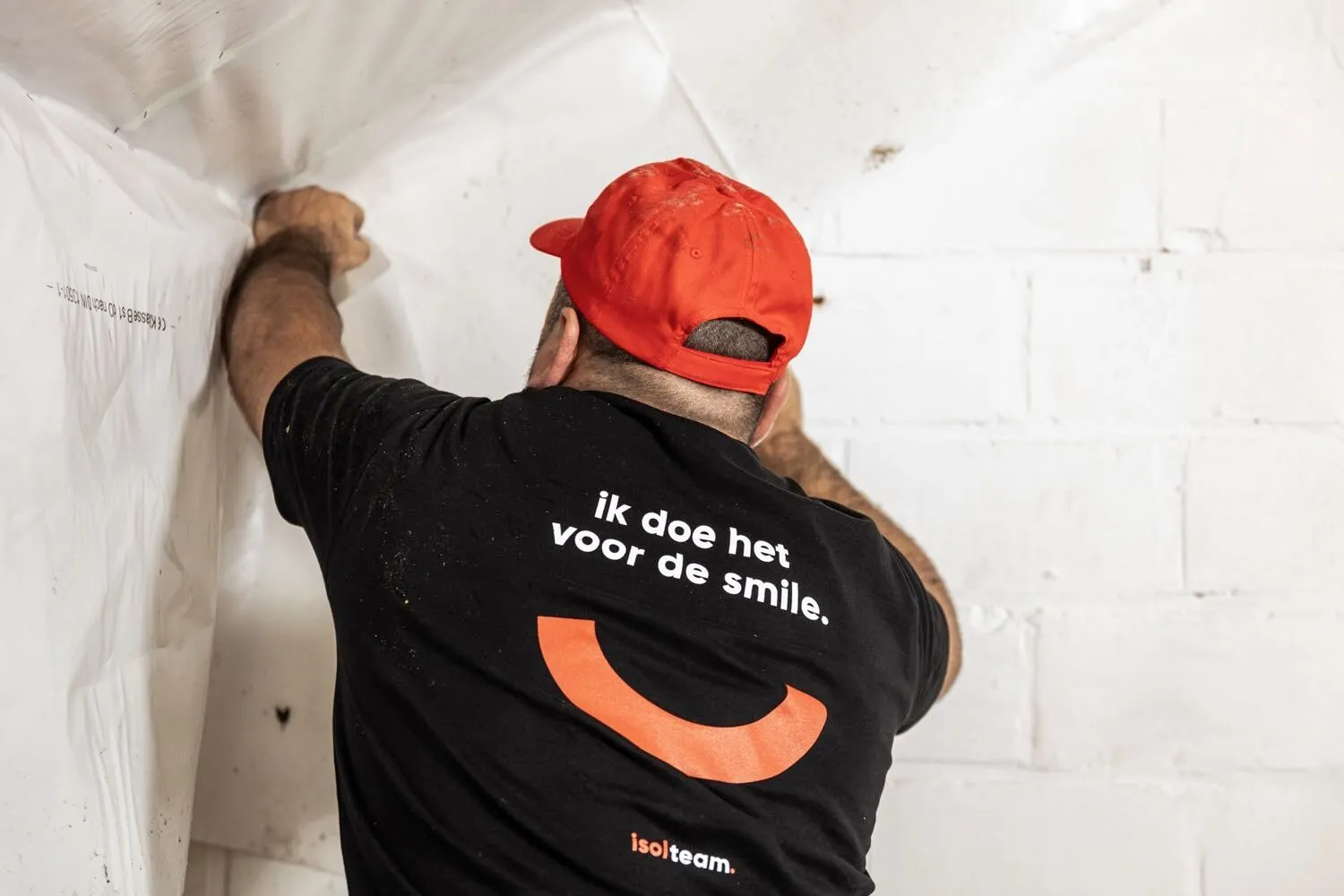
Bespoke solutions for historic heritage
The renovation of the historic Duivelsteen in Ghent is one example of the importance of a well-considered approach. For this project, Isolteam proposed a combination of different insulation solutions, including Fermacell dry floor systems. “We like to get involved early and work with the construction partners to make the right choices”, says Snauwaert. “As well as the choice of materials, the quality of the installation determines the final result. We are seeing renewed attention to high-quality installation. That is a good thing, because the standard of finishing also deserves due attention.”
Een zakelijke vraag aan Isolteam? Get in touch
Companies in this story
Keep following this
Get an email when a new story is published. No account needed.
- SubjectYearbook
- CompanyIsolteam