Fire safety with ROCKWOOL insulation
Text Rockwool, Els GoethalsImage Rockwool
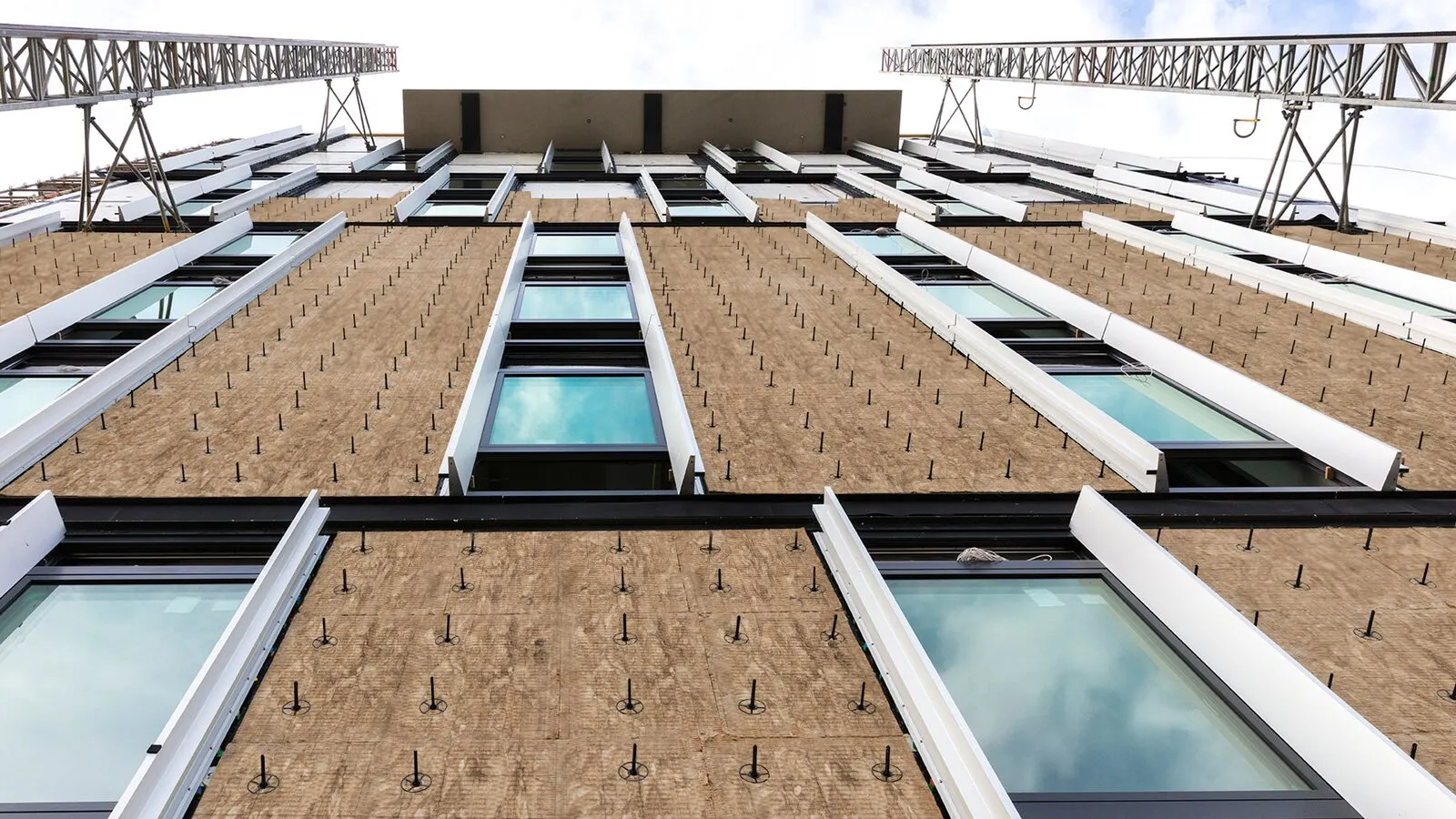
Safety is central to ROCKWOOL. Buildings must not only be comfortable and energy-efficient, but above all provide a safe environment in which to live and work. It is precisely when buildings face unexpected events that the importance of the right design and material choices becomes clear.
The fire that broke out on 11 May 2026 in the Belvédère residential tower in Ghent is a striking example. Despite the challenging conditions, the fire brigade managed to bring the fire under control within ten minutes. The fire was confined to a small part of the building and did not develop into a large-scale façade fire. As a result, the damage and impact on residents were significantly limited.
Fire-safe façades
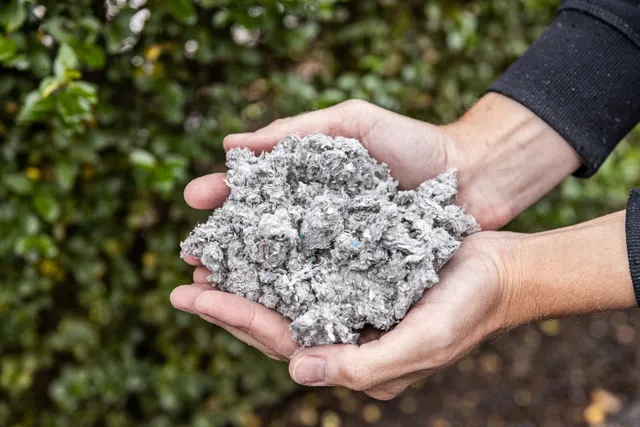
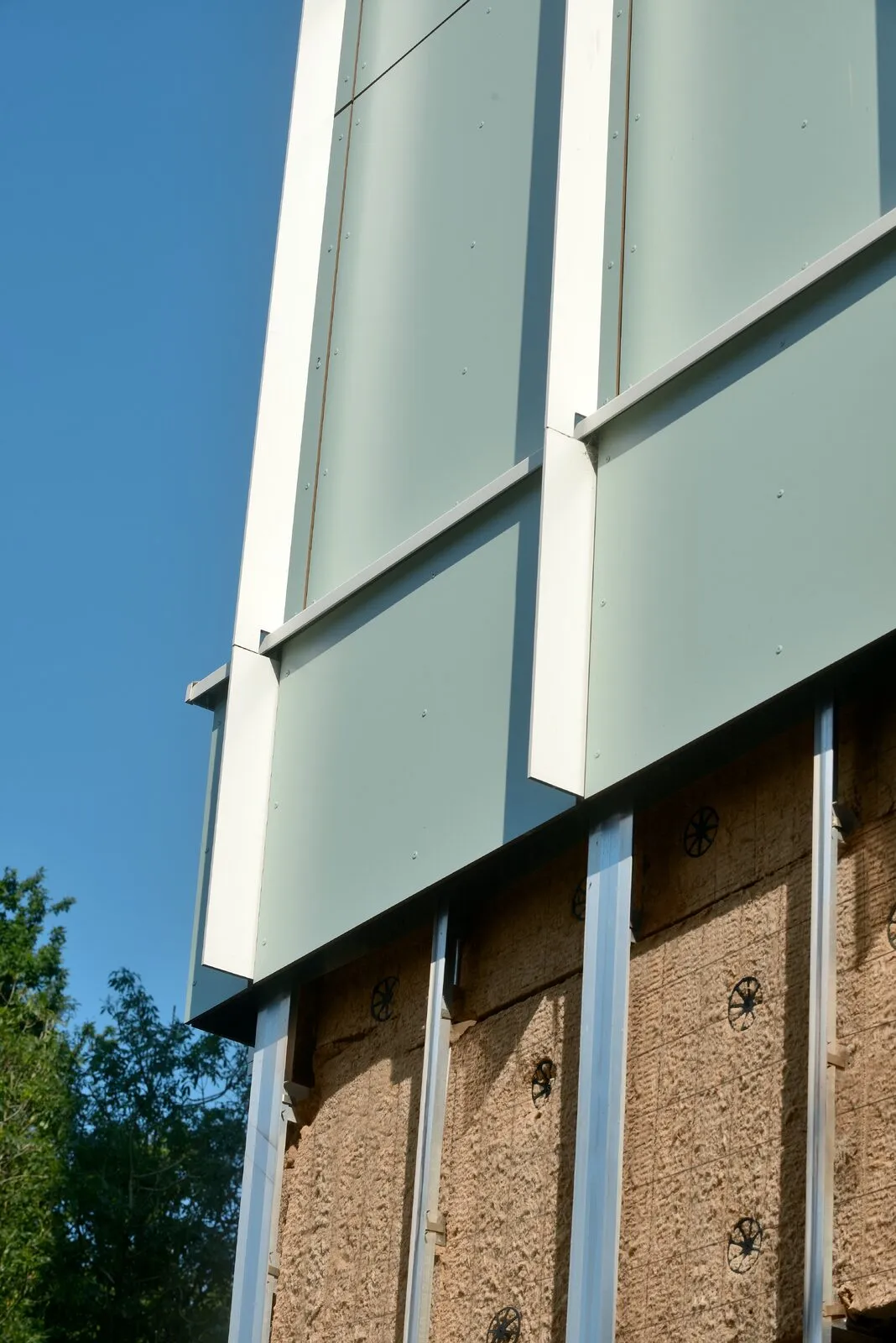
“One important factor was the use of fire-safe materials in the façade. ROCKWOOL stone wool, aluminium and ceramic façade cladding do not make a significant contribution to the fire load and help reduce the risk of rapid vertical fire spread. This provides an important safety buffer, particularly in high-rise buildings, where evacuation can be complex,” stresses Stijn Vandersanden, Technical Engineer Belux at ROCKWOOL Belgium. “The Belvédère case underlines that fire safety must be an integral part of renovation and sustainability projects. A building’s quality is determined not only by its energy performance and comfort, but also by how its materials behave in a fire. The right choices today can make all the difference tomorrow to the safety of residents, users and emergency services.”
ROCKWOOL Next: a new generation of stone wool
Since 2021, ROCKWOOL has been carrying out a major sustainability transformation at its plant in Roermond, the Netherlands. The plant is working to electrify its melting process, converting production lines to electric melting technology powered by green electricity. This will roughly halve CO2 emissions at factory level. At the same time, ROCKWOOL is introducing an innovative green binder, replacing a large proportion of the binders currently in use. Combined with additional emission-reduction measures, this is expected to result in a substantial reduction in ammonia emissions.
Have a business enquiry for ROCKWOOL? Get in touch
Companies in this story
Keep following this
Get an email when a new story is published. No account needed.
- SubjectYearbook
- CompanyROCKWOOL
- CompanyVandersanden