Construction sector introduces extra measures for cold weather
With the first cold snap of this autumn, the construction sector is stepping up its efforts on safety and welfare. Construction firms with a lot of outdoor work in particular need additional measures to keep working in cold and wet conditions bearable and safe. Below 5 degrees Celsius, certain measures are even mandatory. The cold affects not only comfort but also the health and safety of construction workers.
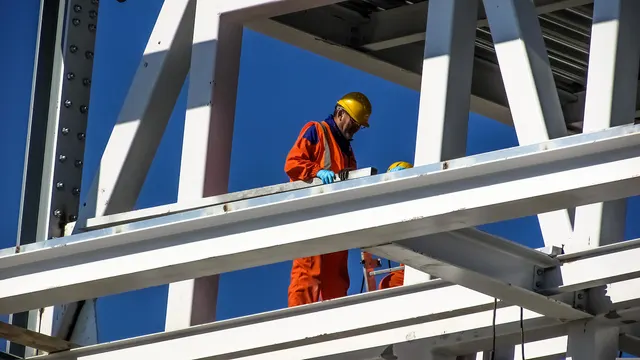
Over the coming days we will experience, for the first time this autumn, daytime temperatures around freezing point and overnight frost. These are far from easy conditions for construction workers carrying out outdoor work. Cold working conditions increase the risk of hypothermia, frostnip and frostbite, as well as musculoskeletal complaints. Cold, numb fingers also reduce grip on tools.
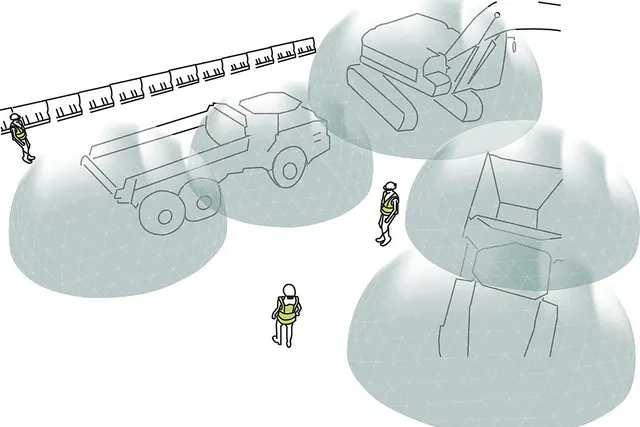
During the short, dark winter days, the risk of accidents involving site vehicles also rises, both on site and on the public highway. The risk of fire and explosion increases too, because some products, such as paraffin and butane, behave differently at low temperatures. In addition, the chemical reaction of certain materials and products, such as cement, silicones or epoxy, slows down, so they need more time to cure in the cold. Furthermore, the composition of certain products, such as concrete or mortar, changes, which also alters how they react.
Measures against the cold
For all these reasons, construction firms are taking extensive measures to protect their workers as well as possible on cold days. In practice, these include:
· Providing protective clothing against cold and precipitation
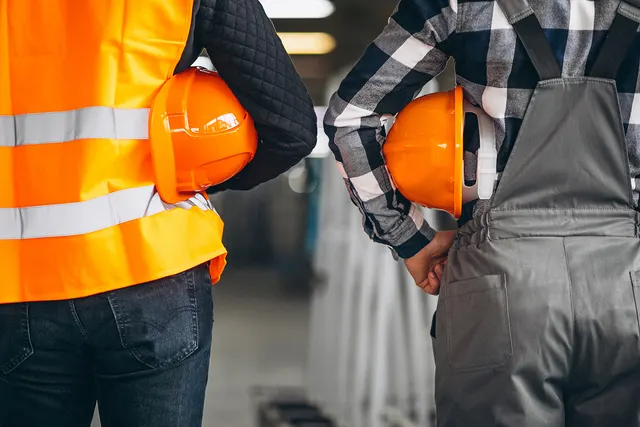
· Adding a warm inner lining or ear protection to the helmet
· Equipping workplaces with heating and sufficient lighting
· Task rotation to alternate exposure to the cold
· Limiting strenuous work to avoid excessive sweating
· Avoiding stationary work as far as possible
· Planning work on the sunny, sheltered side, out of the wind
· Planning work smartly, for example with the shell construction completed before the winter period
· Covering scaffolding with tarpaulins
· Spreading salt, sand or ash during frost to prevent slipping
· Offering free warm, alcohol-free drinks
Working safely in winter requires preparation and discipline. But according to Embuild, these efforts are essential to keep our people healthy and safe at work, even in the cold.
---------------------------------------------------------------------------
Question about this story? Ask your question
Keep following this
Get an email when a new story is published. No account needed.
- SubjectSafety & training