Extreme weather conditions pose new challenges for buildings
How well do our buildings protect us against extreme rainfall, flooding and storms? And what impact does this have on the choice of building materials and the installation of building services?
During an exclusive press visit to the laboratories in Limelette, Buildwise showed how scientific research can help make buildings more resilient to a changing climate. From flood barriers to roof structures and sanitary installations: the challenges affect almost every building discipline.
Water finds more ways in than you might think
Half a million homes in Flanders are currently located in flood-prone areas. According to estimates cited by Buildwise, that figure could rise to two million by 2100. Petra Van Itterbeeck, R&D Program Lead at Buildwise, stressed during the visit that collective protection measures alone will not be enough. Individual buildings also need to be better protected.
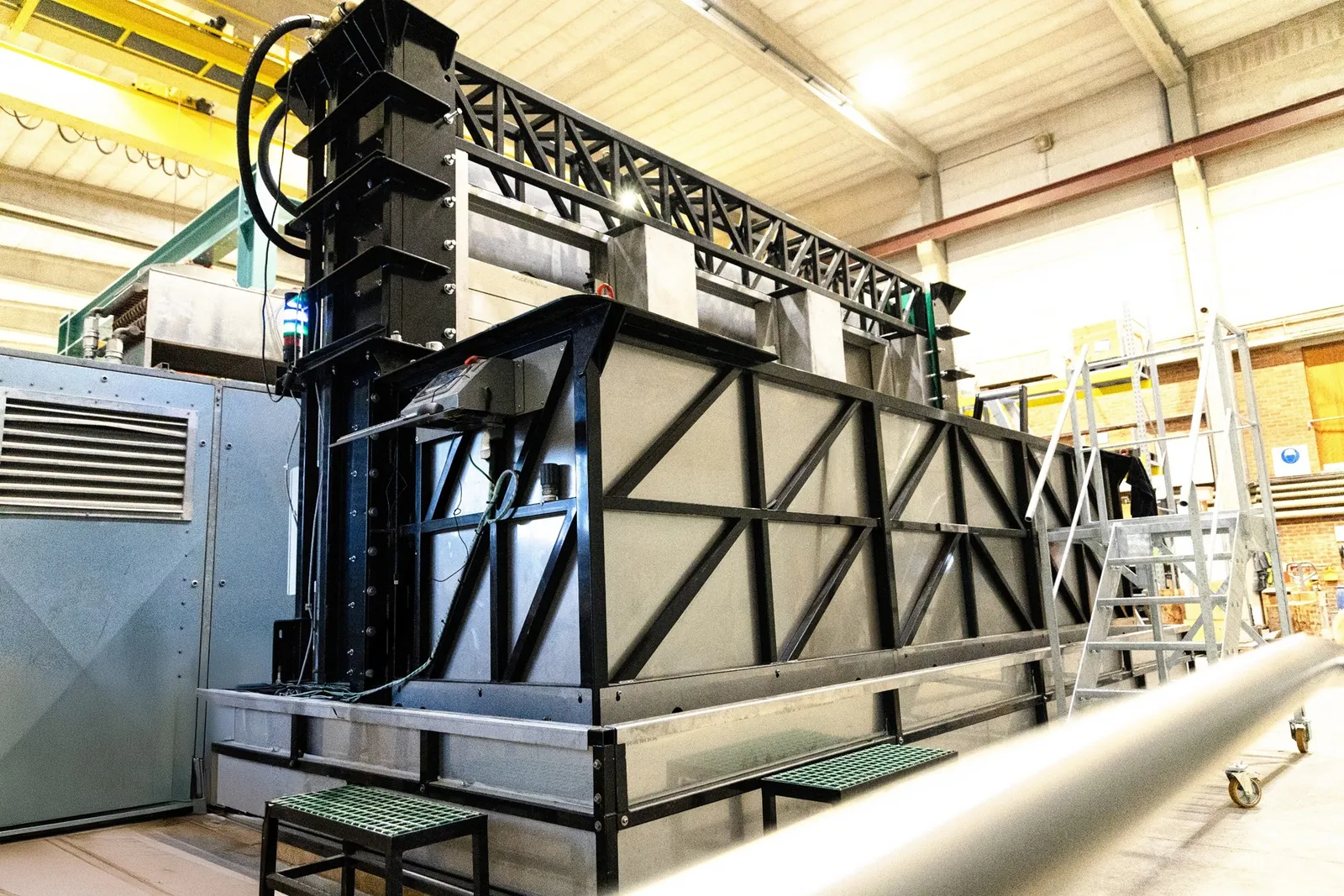
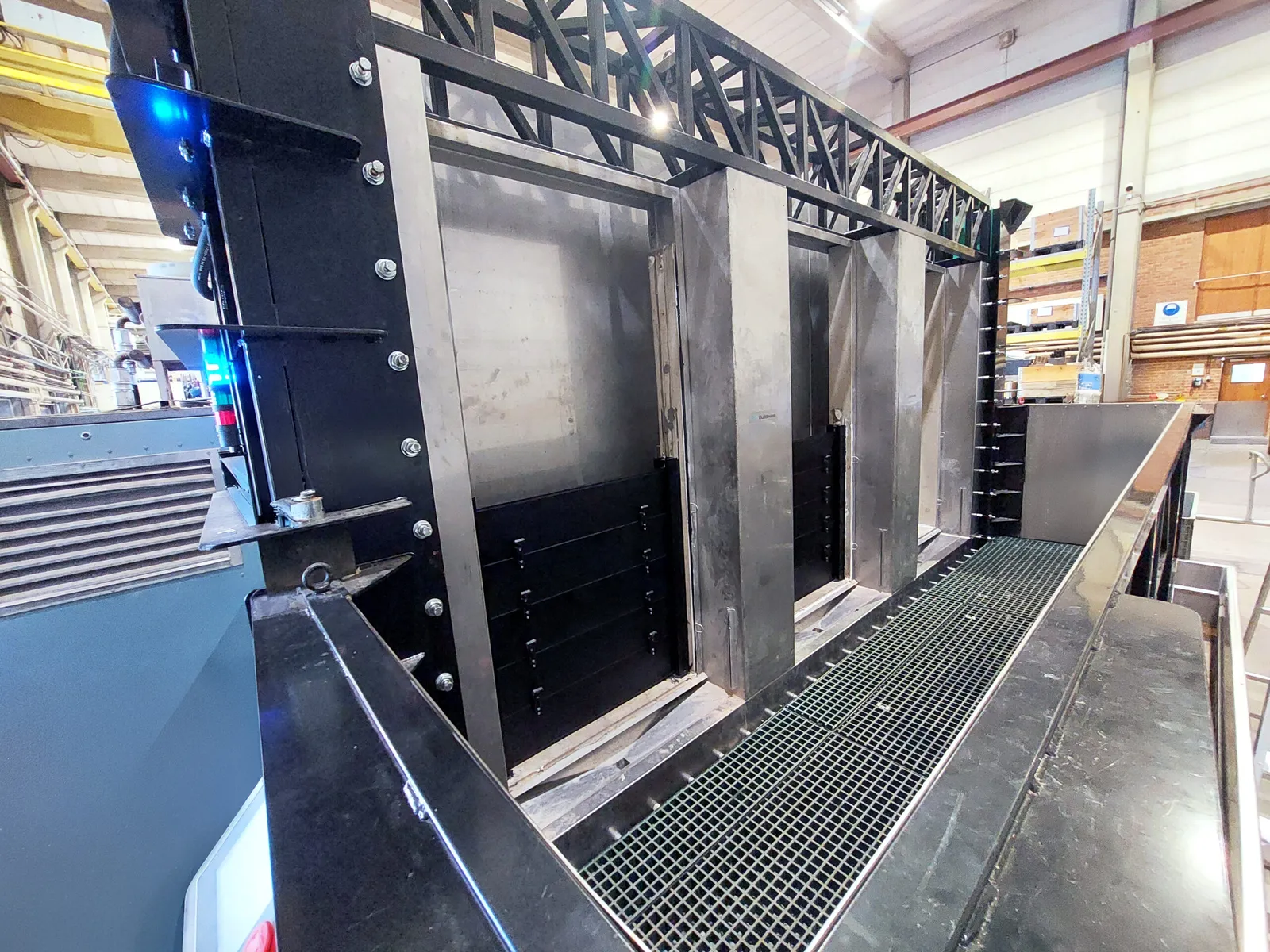
To address this, Buildwise developed the FLOOD test rig, where flood barriers, garage doors and temporary flood boards are tested under controlled conditions to assess how they respond to rising water levels. Up to three door openings can be tested simultaneously. Researchers measure how much water seeps in through seals and joints, both at low and higher water levels.
The demonstration produced a surprising finding. Some flood-resistant doors appear to seal less effectively at low water levels than at higher ones. Only when the water pressure increases are certain seals pressed more firmly into place, reducing water ingress. The demonstration also revealed that a joint at the bottom of the door being tested was particularly vulnerable. “We help the manufacturer identify the weak points in its door,” explained Van Itterbeeck. A product that performs well at high water levels therefore does not necessarily provide the same protection against minor flooding.
The façade itself deserves attention
Windows and doors are not the only potential entry points for water. Water can even penetrate masonry. In a separate test rig, Buildwise demonstrated how an untreated wall can let through several litres of water per hour. After a suitable protective paint or render was applied, the amount fell to just a few millilitres.
The results underline the importance of an integrated approach. A flood-resistant door or window assembly offers little protection if the adjacent building elements and joints do not provide sufficient resistance. That is why Buildwise investigates not only the watertightness of individual products, but also their durability and correct application in practice.
Wind loading and drainage
In another laboratory, R&D Program Lead Bram Dooms demonstrated how flat roofs are subjected to simulated storm loading. Complete roof build-ups, including insulation, waterproofing and fixings, are tested through successive cycles of negative pressure. Fixing systems for solar panels are also part of the research. Significant suction forces can occur, particularly at roof edges and in corner zones. The tests show how strongly performance depends on the interaction between materials, fixings and workmanship.
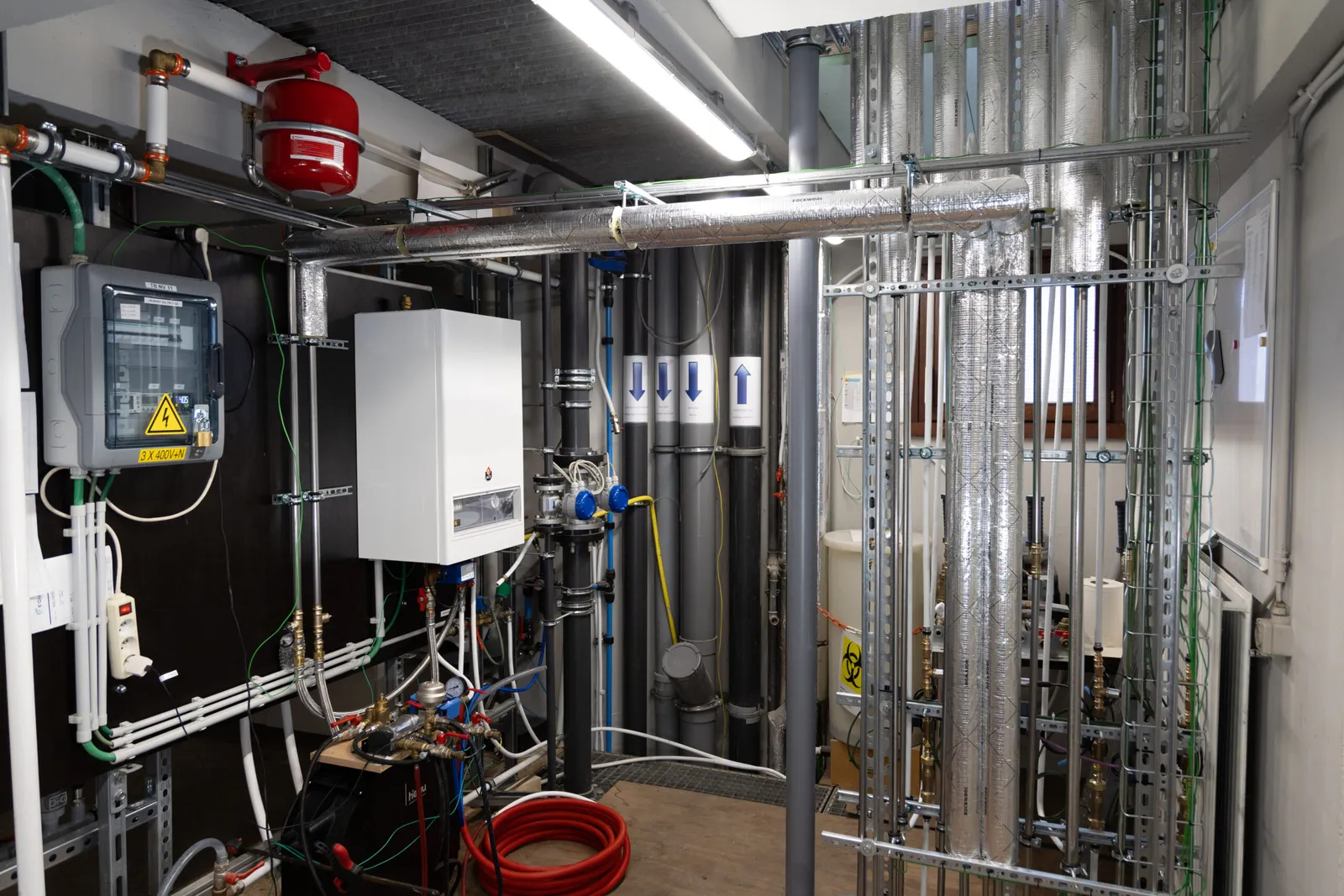
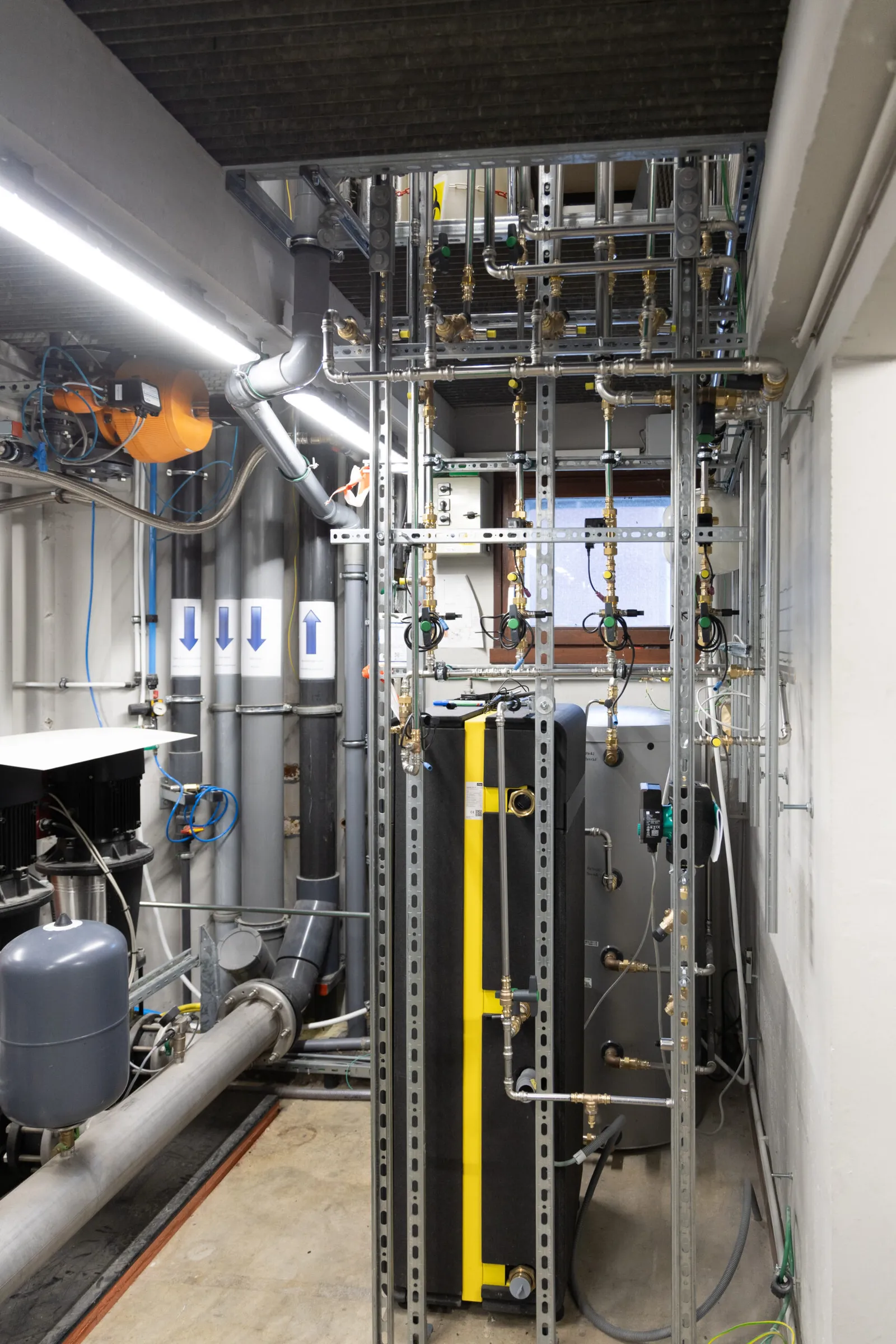
At the sanitary tower, research focuses on other challenges. Buildwise is investigating, among other things, whether rainwater drainage systems need to be adapted to the increasing intensity of extreme rainfall. It is also examining how domestic hot water can be produced at lower temperatures without increasing the risk of legionella growth. This research should contribute to safer and more energy-efficient operation of sanitary installations.
Timber construction and new materials
The sustainability of building materials is another key research priority. According to Noël Huybrechts, Chief R&D at Buildwise, interest is growing in bio-based materials, reuse and industrialised construction methods. Buildwise already has extensive expertise in timber-frame construction and is also researching cross-laminated timber (CLT), which opens up new possibilities for larger and taller buildings. At the same time, lightweight structures bring additional requirements, including for acoustic comfort.
Research must make its way onto the building site
Buildwise employs around 330 people and is working on 135 ongoing research projects. But the organisation is determined to go beyond developing knowledge alone. “Innovation is the result of applying new knowledge on building sites and in businesses,” CEO Olivier Vandooren stressed in his presentation. This ambition explains why the former WTCB is increasingly positioning itself as an innovation centre for the Belgian construction sector.
This sends an important message to the construction sector as a whole. Climate-resilient construction is not just about new products, but also about thoughtful material selection, correct detailing and careful execution. The laboratories in Limelette show why this is becoming increasingly important.
Question about this story? Ask your question
Keep following this
Get an email when a new story is published. No account needed.
- SubjectGeneral