Vaccinopolis strengthens Flanders as a research hub
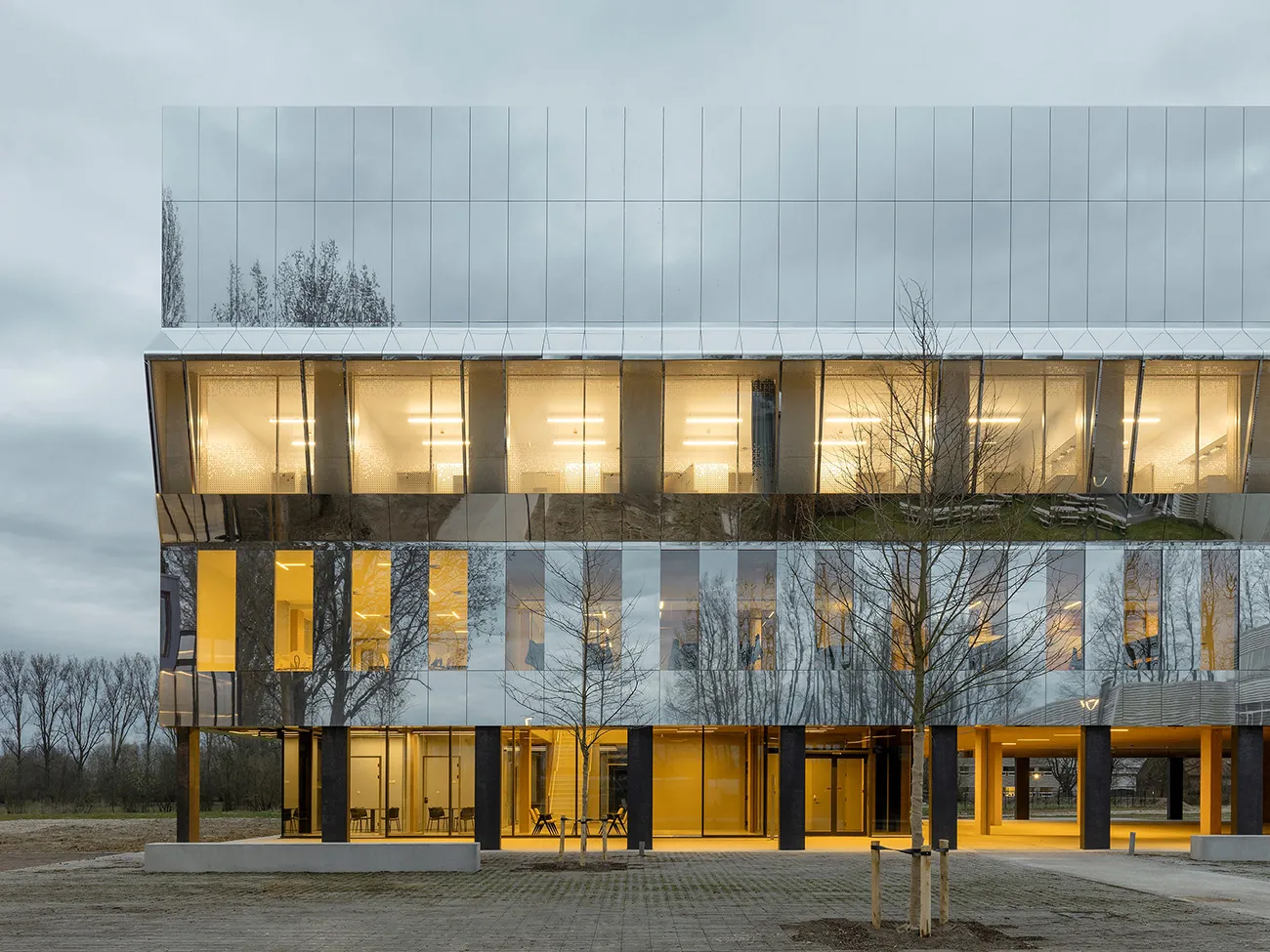
The University of Antwerp has officially opened its latest research centre on its campus in Edegem. Vaccines against a range of infectious diseases, such as RSV, dengue and whooping cough, will be tested at Vaccinopolis. This could further accelerate the fight against both new and existing diseases.
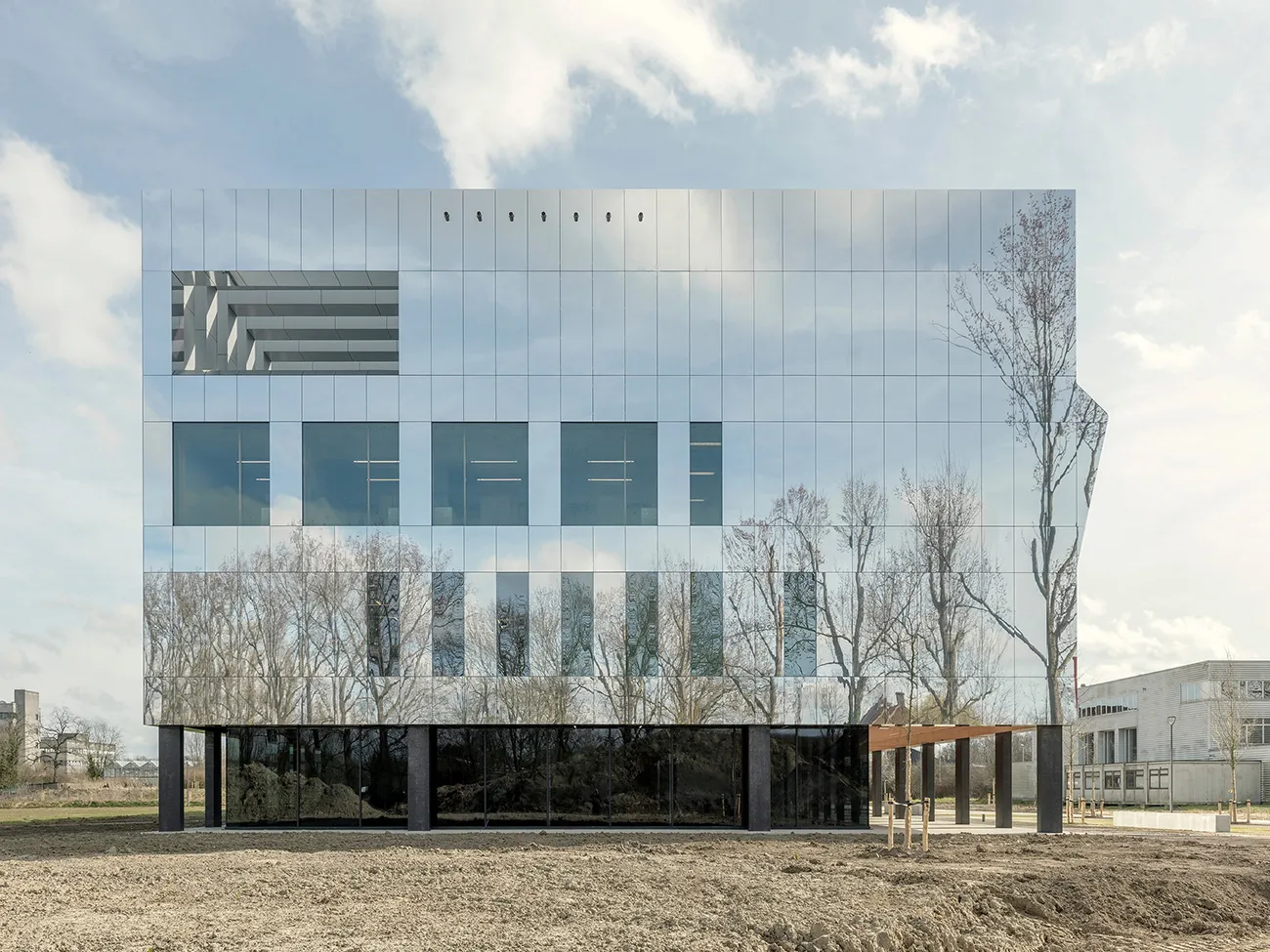
Together with its partners, the University of Antwerp is building an innovation ecosystem to combat pandemics. Vaccinopolis is a key pillar of this initiative. Researchers will also investigate how existing flu vaccines can be improved, for example. Developing vaccines is one of the greatest global challenges today. “COVID-19 really brought home the facts,” explains Professor Pierre Van Damme. “But we have been aware of this for some time. The climate is changing, people are living closer together, we travel more and more, and we are living longer: all these trends contribute to the faster and wider spread of viruses.”
Unique on mainland Europe
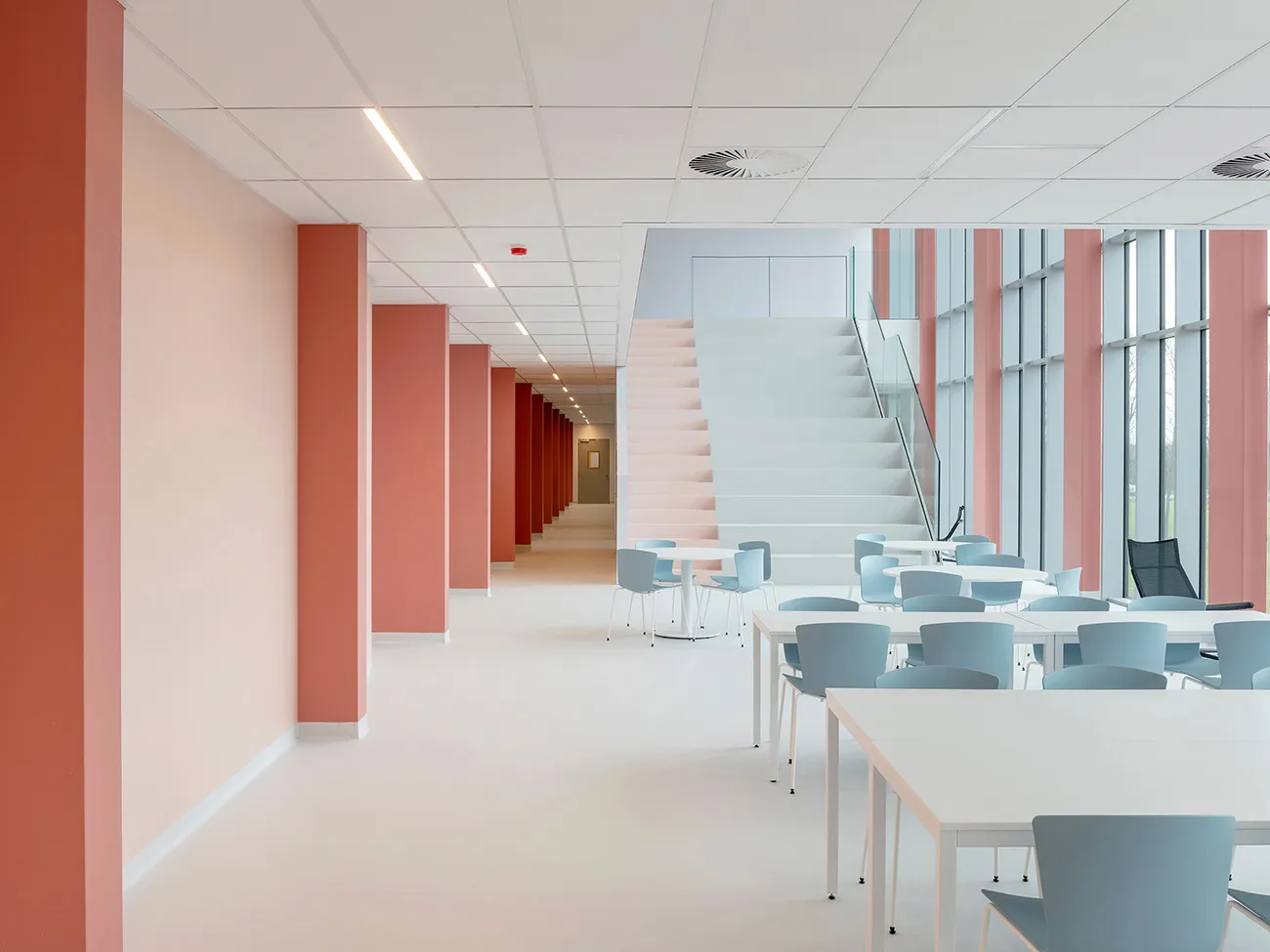
Vaccinopolis will carry out and monitor the outpatient studies conducted by the Centre for the Evaluation of Vaccination. In these studies, participating volunteers attend regular check-ups. But what truly makes Vaccinopolis unique is its capacity to conduct CHIM studies. “CHIM stands for ‘Controlled Human Infection Model’. This means that test subjects are first given a vaccine or a placebo and then deliberately exposed to a reduced dose of a pathogen. This allows researchers to test more quickly whether, and how, a particular vaccine candidate works. There is no comparable facility of this scale on mainland Europe. You would have to go to the United States or Great Britain,” says Van Damme.
Full quarantine
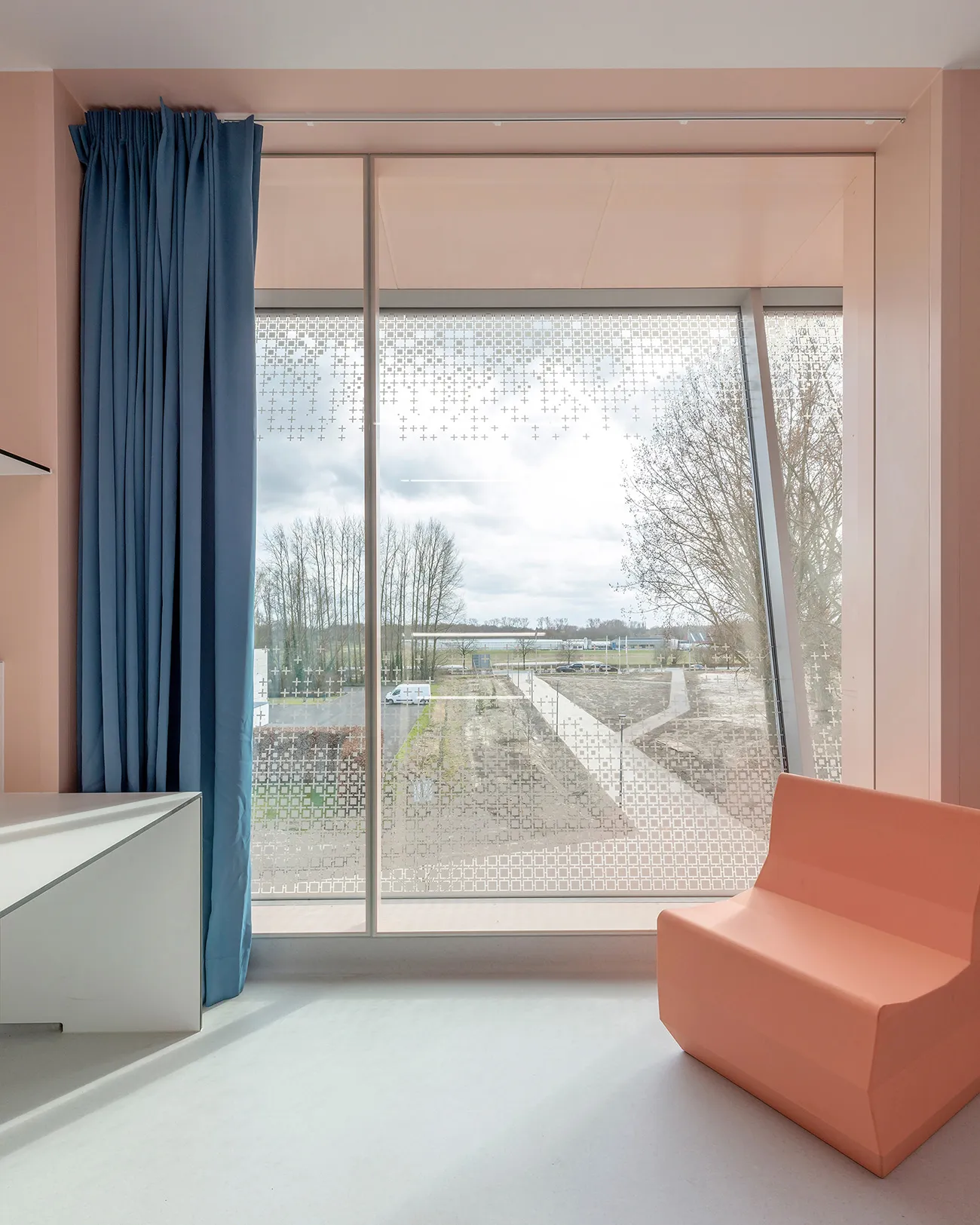
Vaccinopolis has thirty beds. For some studies, test subjects will spend several weeks in full quarantine. This is a safety measure: pathogens must, of course, be prevented from spreading freely in society. It also allows the volunteers to be monitored closely throughout. “This also means you can take samples from the test subjects every day,” says Dr Ilse De Coster, head of the clinical trial team. “In time, based on these characteristics, we can also try to predict how specific groups of people will respond to a particular vaccine.”
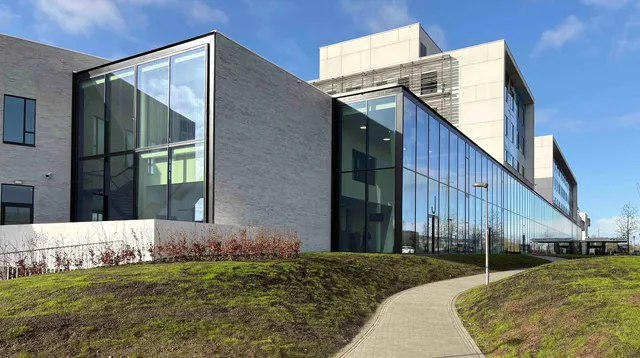
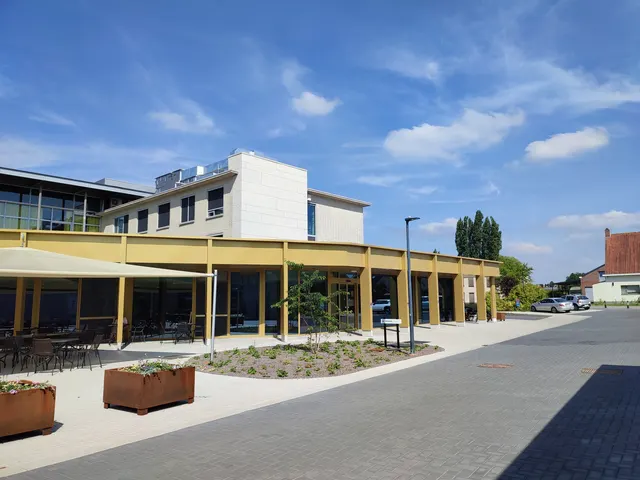
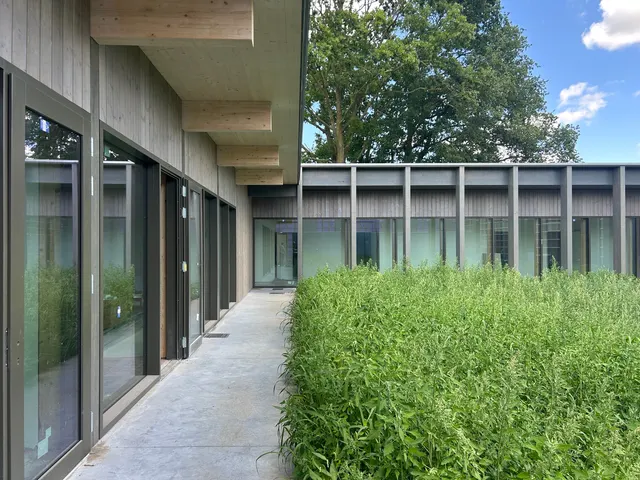
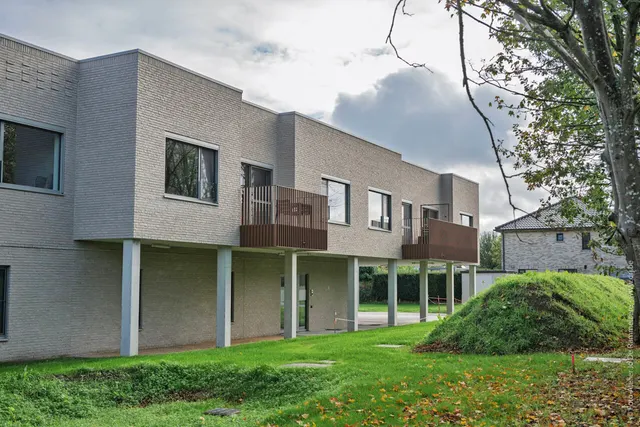
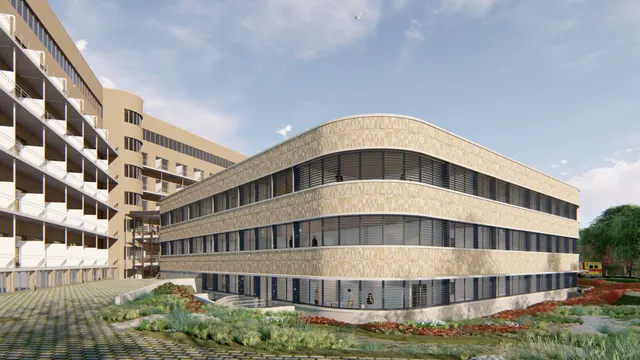
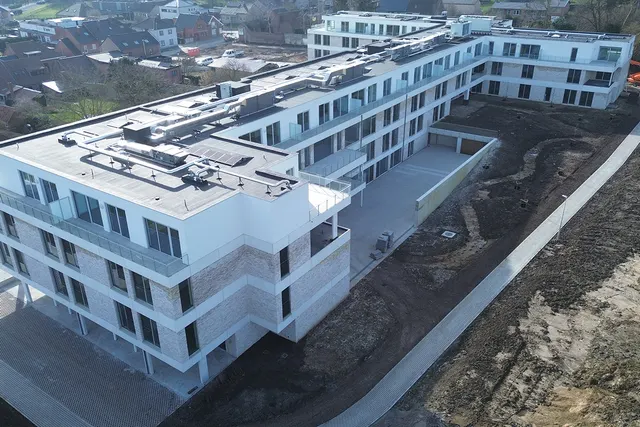
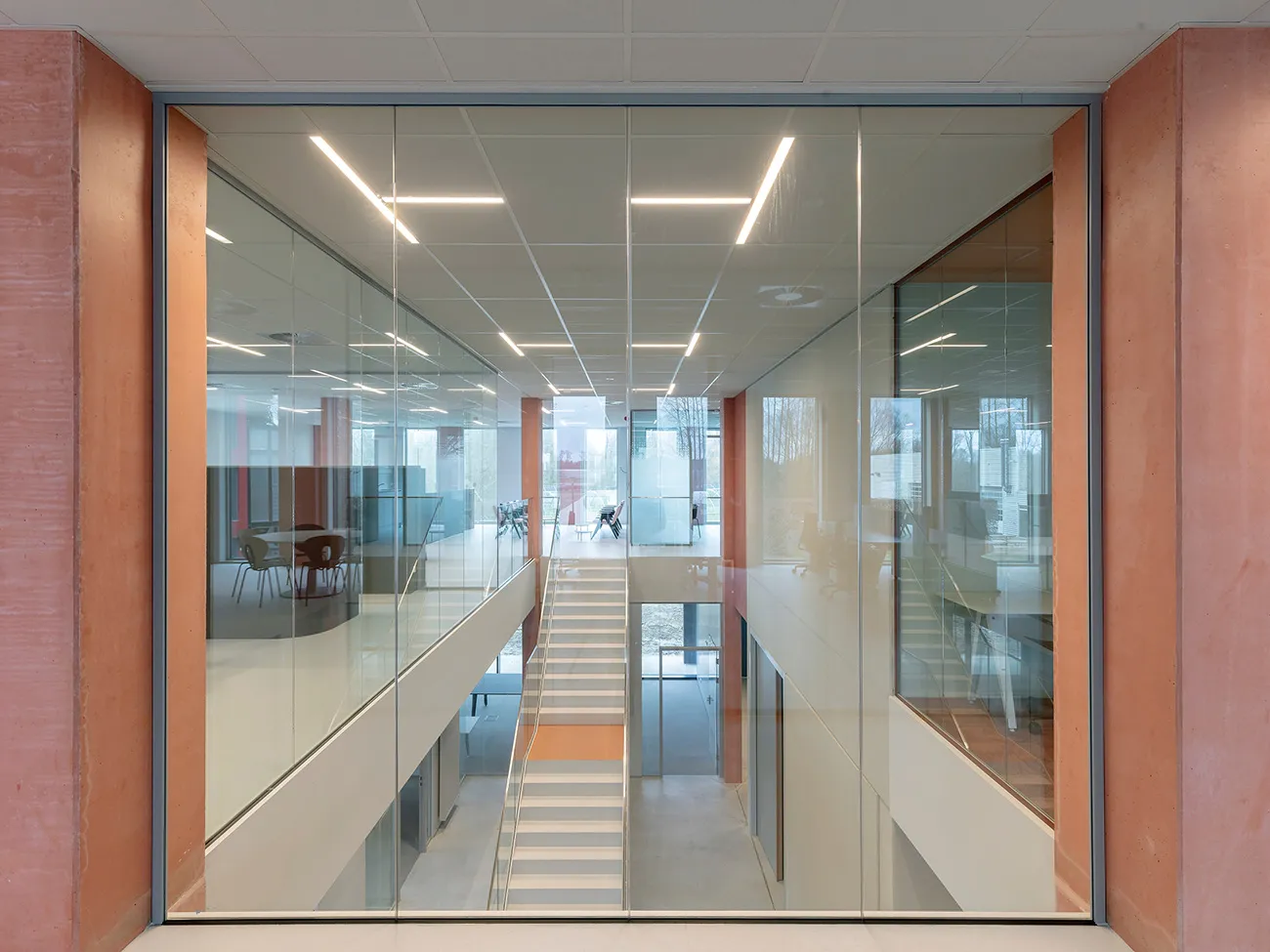
The building has a total floor area of 6,225 m² and was constructed in record time. The entire construction process took just fourteen months. “A project of this kind typically takes four to five years to complete,” stresses chief architect Roy Pype (Proof of the sum). “But the circumstances were exceptional: COVID-19 has shown that viruses can strike quickly and unexpectedly.” Jansen Building Group, Jansen Cleanrooms and Cordeel were responsible for the practical delivery. Imtech Belgium and Jansen Cleanrooms will jointly handle maintenance for fifteen years.
A unique combination
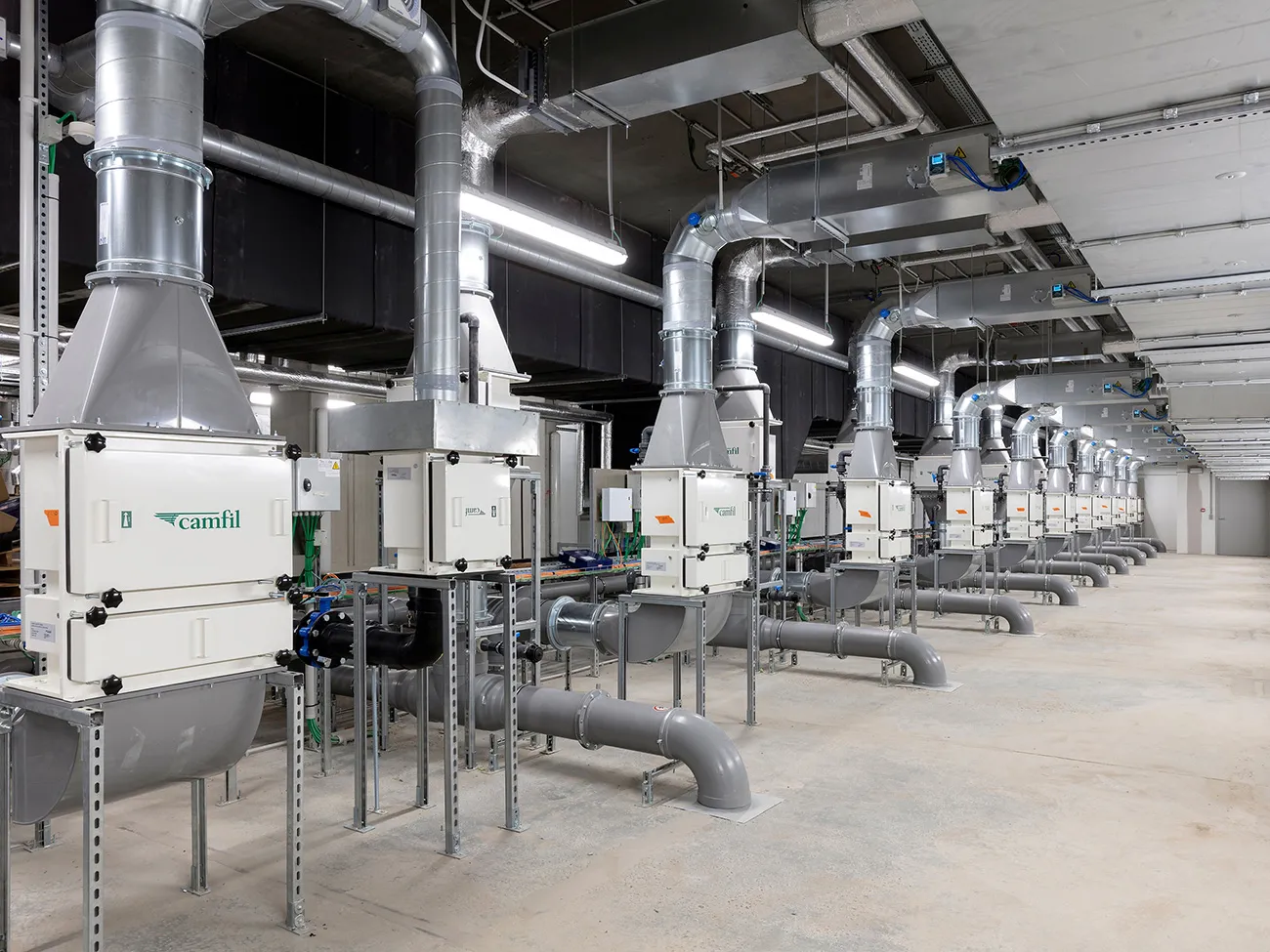
Strict decontamination procedures apply throughout the complex. Special filters purify all outgoing air. “This gave us ample opportunity to put our expertise in the finishing of sensitive spaces into practice,” says Eric Vanhees, COO at Jansen. “Despite Vaccinopolis’s innovative nature, no entirely new applications have been used here. But the combination of all the technologies in place is unique.”
Facts & Figures
-150°C
The lowest temperature in the building, in a freezer essential for vaccine research.
-35 pascals
The negative pressure maintained in the rooms in biosafety level 3, to prevent pathogens from escaping. All incoming and outgoing air is also filtered through HEPA filters. Double glazing has been used throughout, and every joint has been sealed meticulously.
3
The exceptional biosafety level available in several of Vaccinopolis’s laboratories. The spaces were designed so they can be disinfected individually. Smooth finishing materials were chosen. Equipment is brought into the zone through an airlock to avoid disrupting the pressure balance. Equipment leaving the zone is disinfected.
60 trees
Were planted alongside the access roads and around the building. Rainwater is held in swales before gradually infiltrating the soil. Various native trees and shrubs grow along the edges of the site. The remaining area around the building will become grassland combining grasses, flowers and clover. Grazing sheep will take care of maintenance.
Een zakelijke vraag aan GROUP JANSEN? Get in touch
Who worked on it
Vaccinopolis in Edegem
- main contractor
 Jansen
- clientUniversiteit Antwerpen
- architectProof of the sum
- architectExilab
- architectAbstract Architecten
- architectburO Groen
- architectEstablis
- main contractorJansen Cleanrooms
- main contractorCordeel
- maintenanceImtech Belgium
- façade specialistLimeparts-Drooghmans
Keep following this
Get an email when a new story is published. No account needed.
- ProjectVaccinopolis
- SubjectHealthcare projects
- CompanyGROUP JANSEN
- CompanyUniversiteit Antwerpen
- CompanyProof of the sum
- CompanyExilab
- CompanyAbstract Architecten