Eco-friendly facing bricks in every shape and size
Text Els GoethalsImage Wienerberger
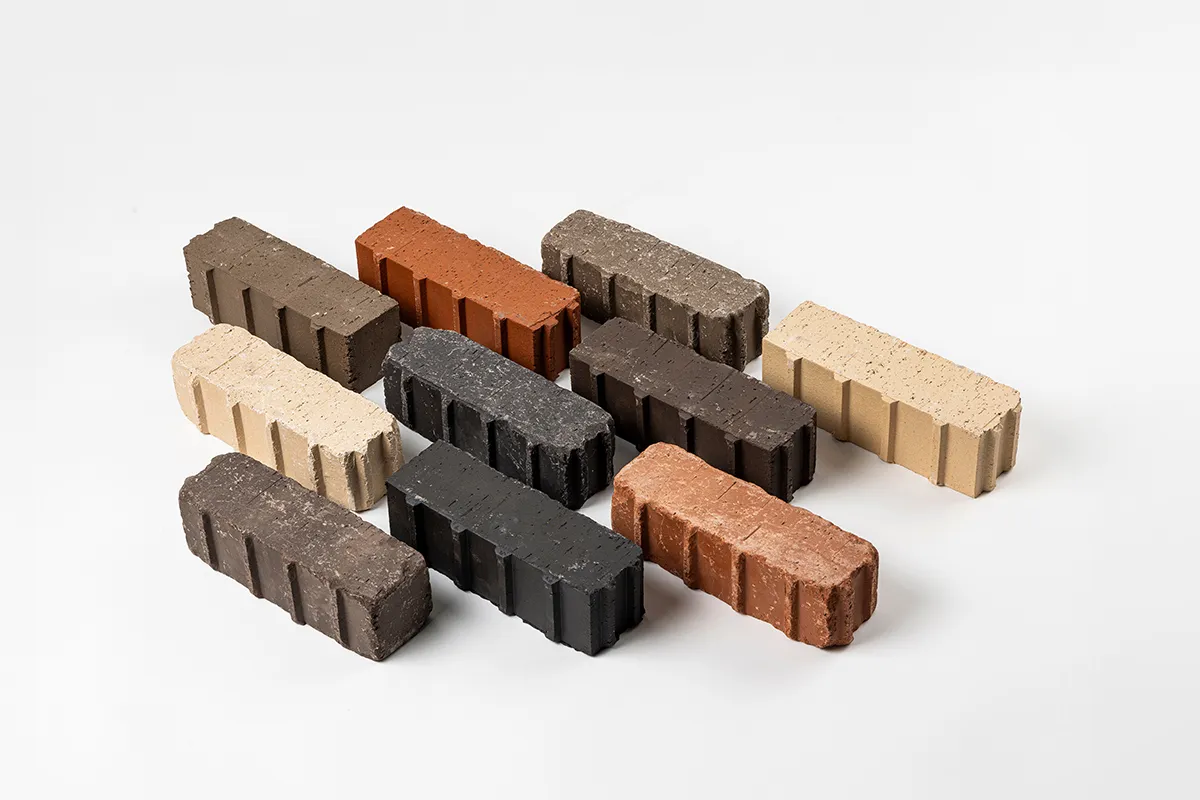
From CO2-neutral production processes to low-impact building materials, Wienerberger continues to set new milestones. The global player has made reducing its ecological footprint a top priority. We saw for ourselves how the company continues to invest in innovation, meeting the growing demand for environmentally friendly building materials. With an eye for aesthetics, of course.
Automated production lines, technicians monitoring processes from control rooms and the unmistakable smell of clay products. These are just some of the things you encounter at Wienerberger. What a privilege to get a behind-the-scenes look at its Kortemark site, one of the global group’s seventeen locations.
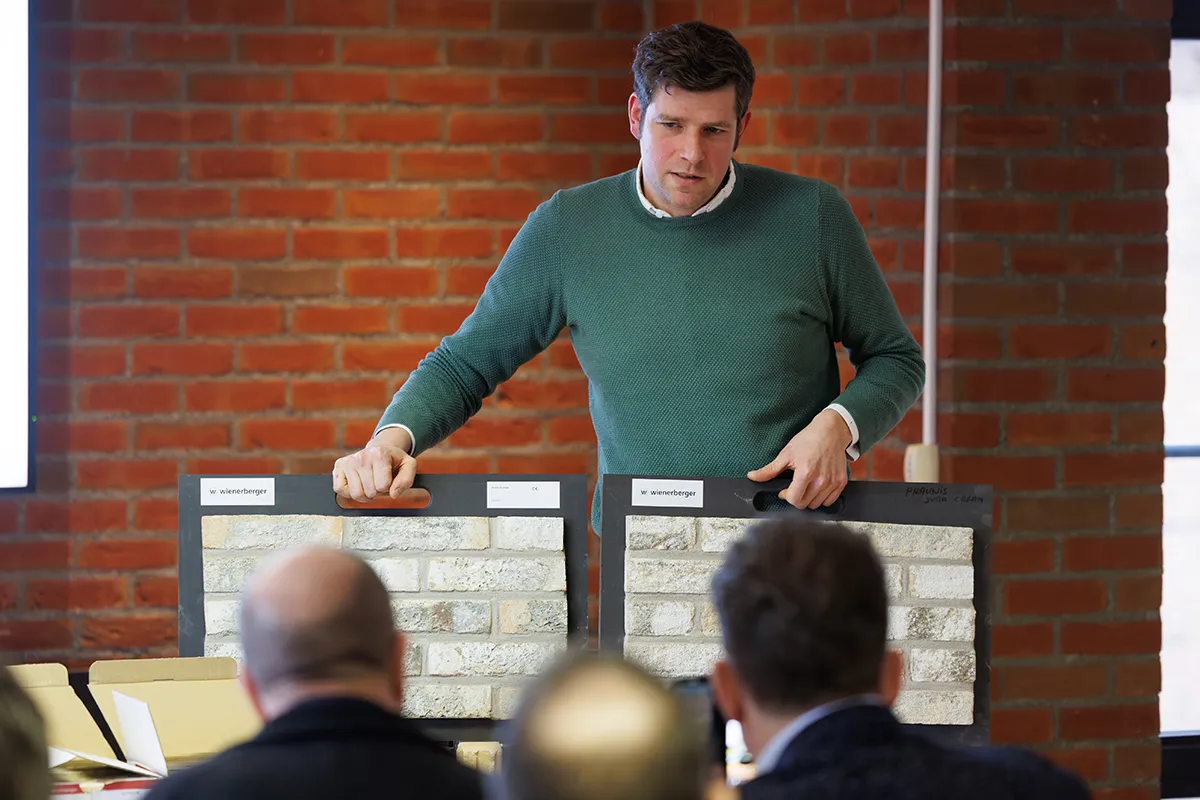
Putting the climate first
“Choosing our products means choosing the environment.” Wienerberger, known worldwide as one of the largest brick manufacturers, is already putting this vision into practice. The company is turning words into action by using electrically powered kilns and generating its own green electricity with an in-house solar panel installation. To complete its sustainability efforts, Wienerberger is focusing on dematerialisation, environmentally friendly packaging and energy-efficient transport.
Dematerialisation: new shapes, new standards
It is clear that Wienerberger is keen to make a significant contribution to a sustainable, circular future. This ambition is reflected, among other things, in the product portfolio of the leading brick manufacturer, with dematerialisation one of its key priorities. “What makes our new generation of bricks unique is that we keep raw material consumption to a minimum during production, resulting in lower energy use and a substantial reduction in CO2 emissions,” says Hans Cools, product manager at Wienerberger. “The Eco-brick, for example, takes its name from its eco format. At 6.5 centimetres wide, it is 35 % narrower than traditional Waalformat facing bricks, without compromising on strength or stability. The space saved allows for additional insulation, making it an excellent option for renovation. Architecturally, the characteristic appearance of brickwork is also retained. Available in a wide range of colours, the Eco-brick allows you to create endless combinations with different pointing and bond patterns.”
Wienerberger is now extending the Eco-brick facing brick philosophy to its clay pavers. Passaqua, the water-permeable clay paver renowned for its contribution to sustainable water management, is now also available in a 6 cm-high version.
Brick slips: bringing aesthetics and sustainability together
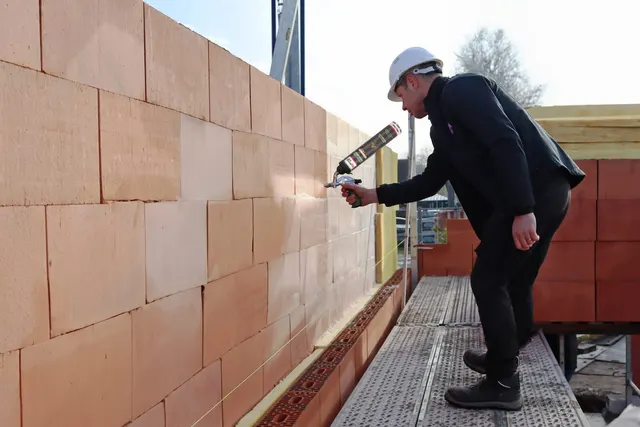
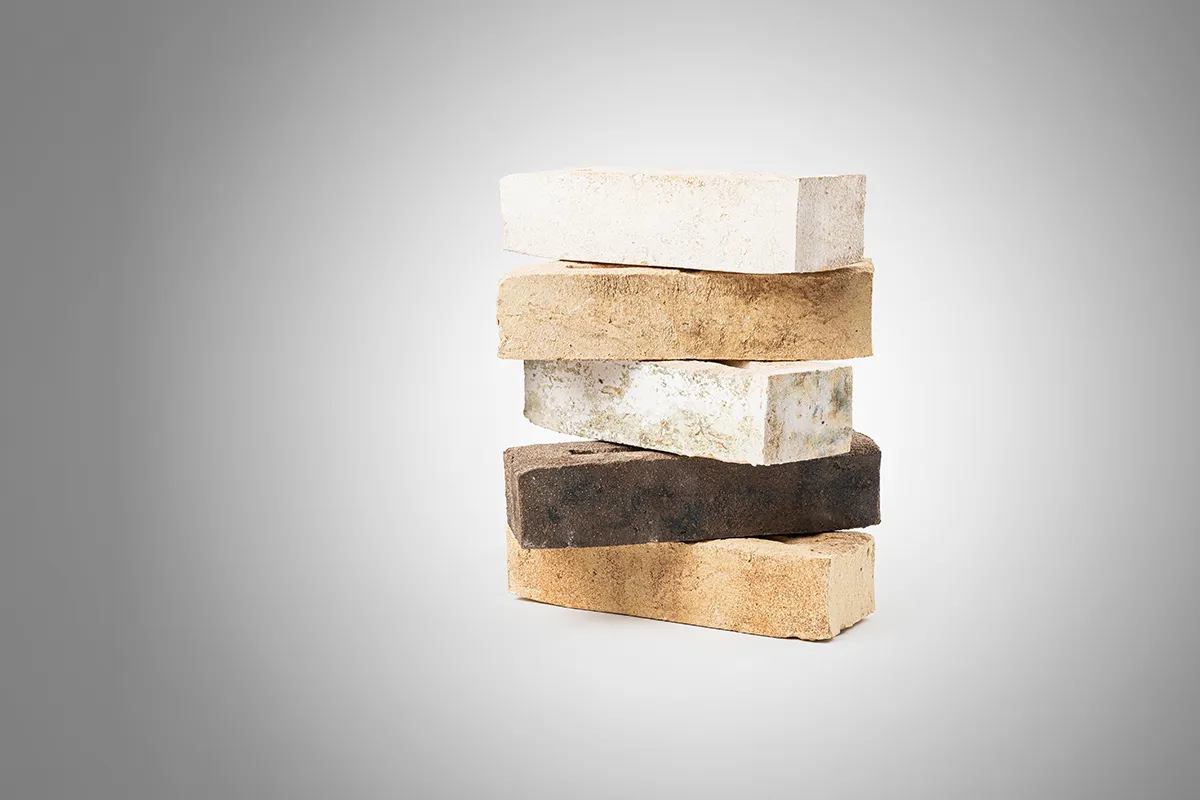
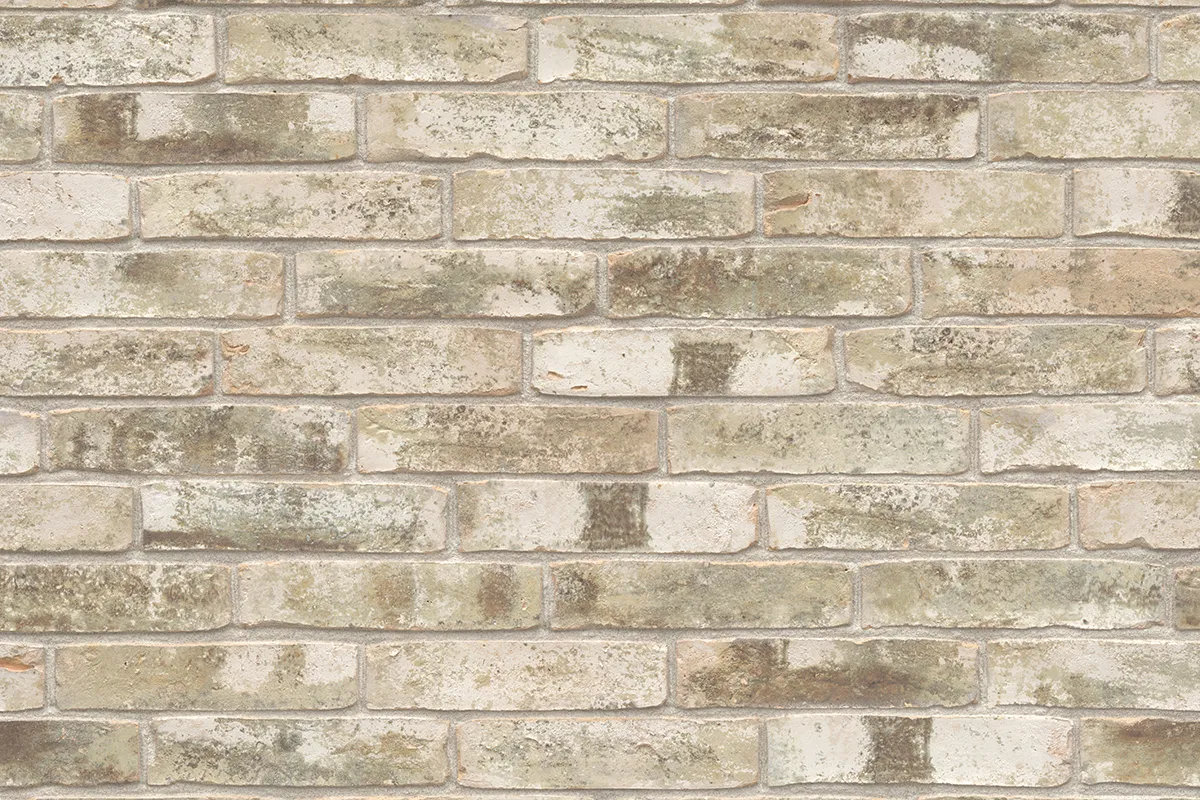
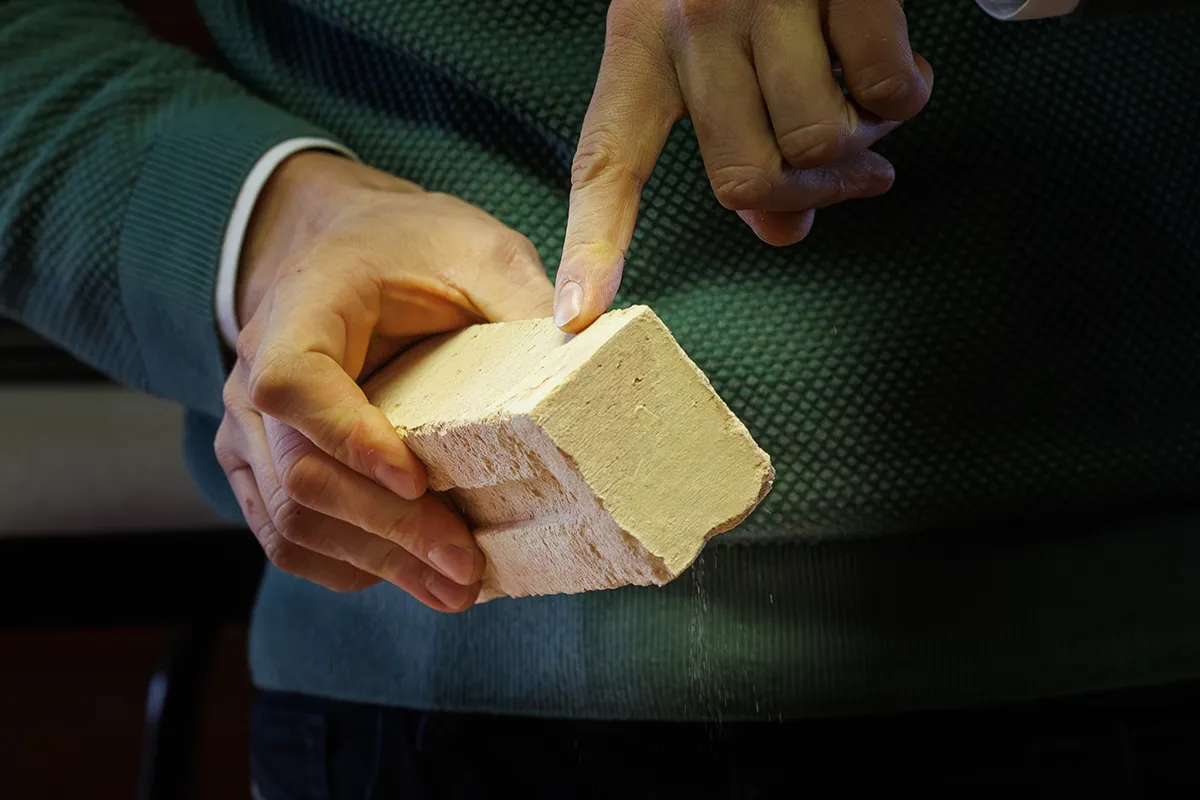
Hans Cools: “Sawn brick slips are also a perfect fit for our vision, which puts sustainability and quality first. At around 22 millimetres thick, they are thinner and lighter than large-format bricks, making them easier to install and reducing the load on the supporting structure. There is no shortage of colours, textures and finishes to choose from, as almost all Terca brick collections are available as slips. Wienerberger’s brick slips are a perfect fit for the trend towards prefabricated construction and are also ideal for modernising façades in a range of architectural styles.”
Digital engobing: the ultimate in smart innovation
Sustainable construction calls for carefully considered building solutions and production processes. Wienerberger understands this and is taking innovation to the next level with its latest collection of engobed bricks. So what exactly does the technique involve?
“We combine the timeless appeal of brick façades with the latest digital engobing technology,” continues Hans Cools. “During production, a digital engobe, or surface layer, is applied to carefully selected clay types, with natural pigments creating a distinctive finish. This technological achievement reduces the need to use different clay compositions for each type of brick. The result? We need fewer and fewer raw materials and natural resources to achieve the same level of production, without compromising on quality or visual appeal. It remains a 100 % ceramic product, offering an endless variety of colour nuances and textures. And that is not all. Engobed facing bricks are also available in the slimmer Eco-brick format. One example is the Fjord collection, which stands out for its unique appearance and natural hand-moulded texture. The bricks look as though they have been hewn from nature, while helping to protect the planet.
Een zakelijke vraag aan Wienerberger nv? Get in touch
Companies in this story
Keep following this
Get an email when a new story is published. No account needed.
- SubjectProduct information
- CompanyWienerberger nv