New anti-collision system makes world debut
Europe is working on future standards for anti-collision systems for tower cranes and mobile cranes.
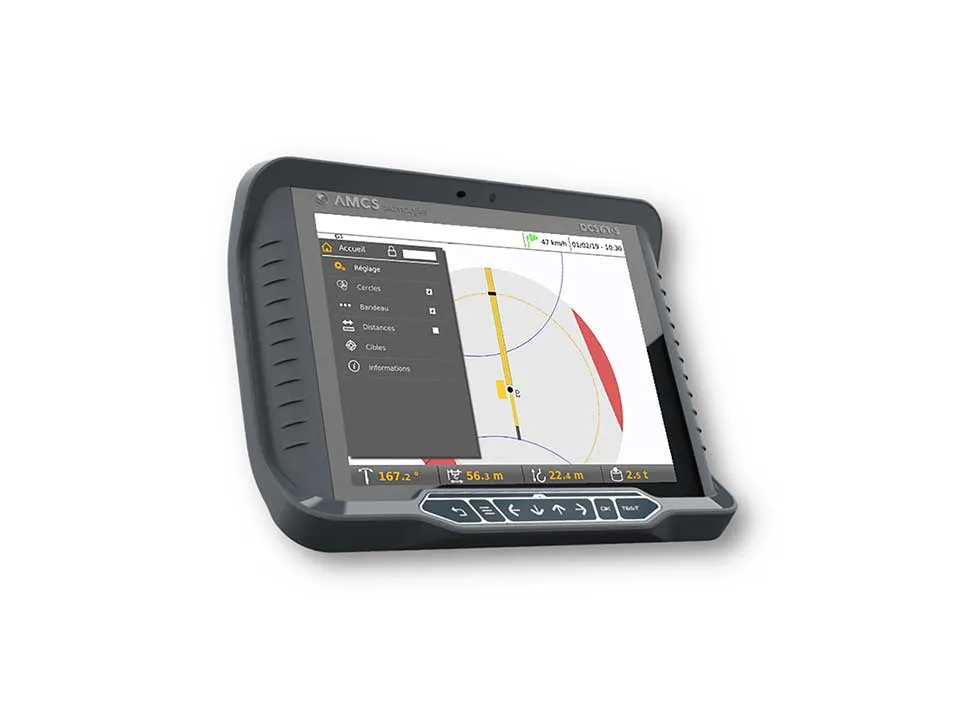
After several months of development and testing under real-world conditions, RDS Electronics is launching its brand-new AMCS anti-collision solution, which already complies with EN 17076. The upgraded system is equipped with safety components that comply with EN 13849-1. With performance level PL d, the AMCS DCS 61-S anti-collision system is compatible with future control systems for lifting equipment and has also been SIL 2 certified in accordance with EN 61508.
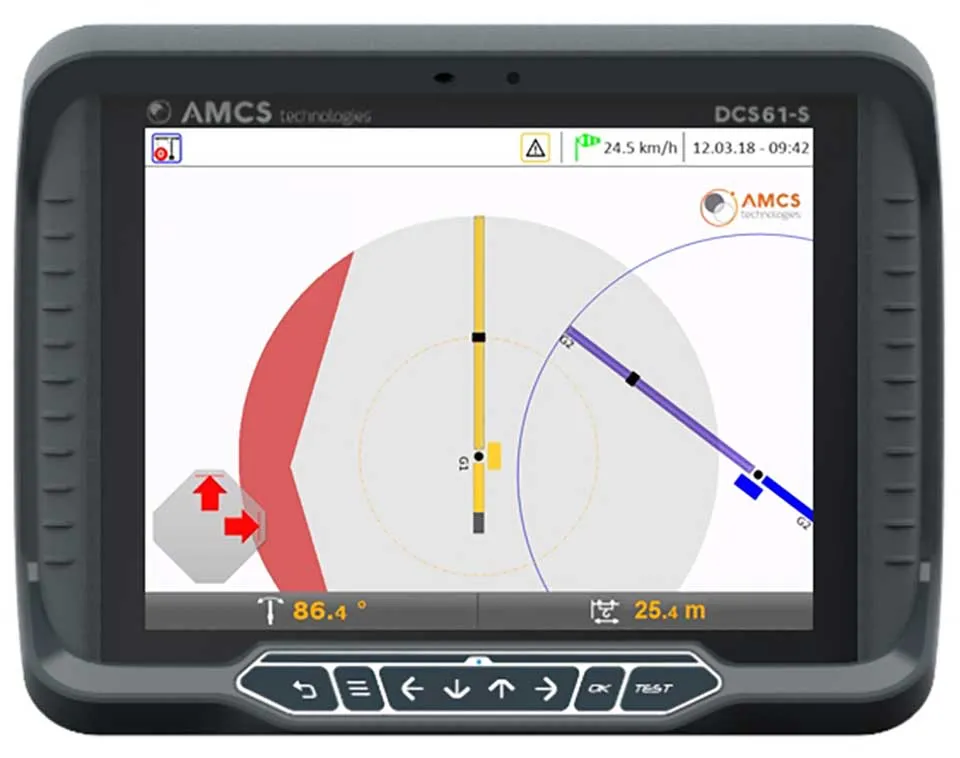
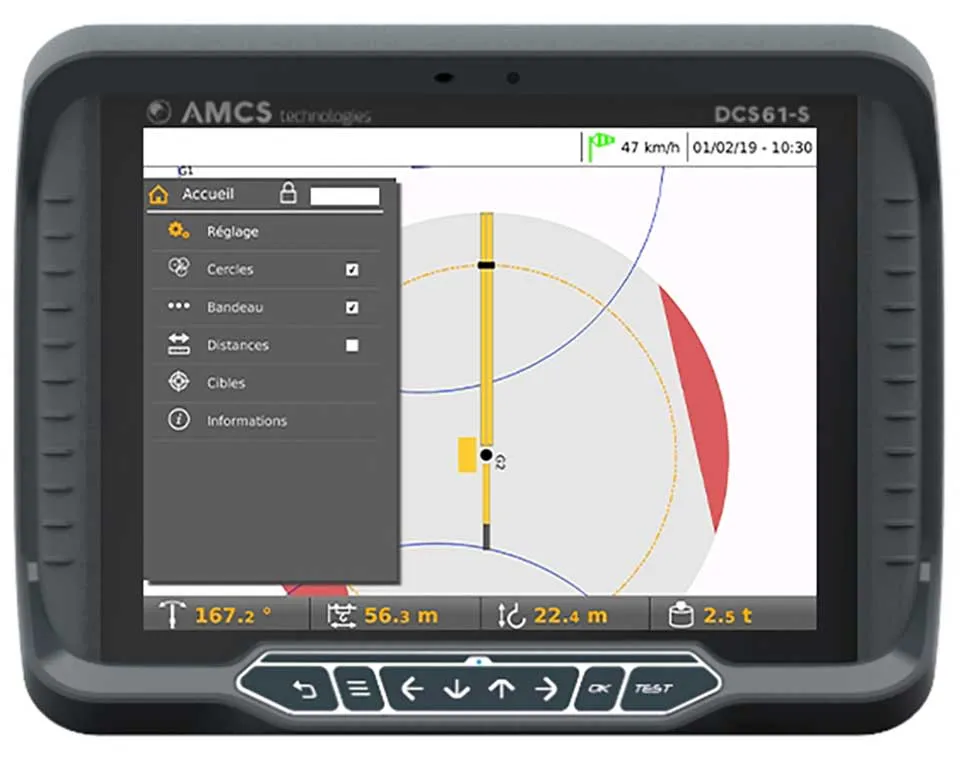
Exclusively distributed by RDS Electronics in Belgium and the Netherlands, the DCS 61-S is a world first in the field of cranes and anti-collision systems. This continuously evolving product has been developed to combine a range of new functions, including anti-collision management between tower cranes and mobile cranes, and between tower cranes and concrete pumps. Installed on tower cranes and mobile cranes, the device transmits information over a radio network and continuously tracks the position of each machine using GPS antennas. Whereas older anti-collision systems were limited to temporarily neutralising exclusion zones, the new system automatically detects mobile crane movements and also incorporates tower crane controls. This allows it to create an interference zone for the machines concerned in a sophisticated way.
In real time and in 3D
The DCS 61-S calculates the distances between all crane components, including the position of the cab, as well as their speeds, in real time and in 3D. The system can therefore intervene in the control mechanism, slowing the tower crane (jib or trolley) before bringing it to a complete stop at a preset distance from the mobile crane. The device fitted to the mobile crane emits an increasingly loud audible warning as it approaches the exclusion zone or interference area. Unlike older anti-collision systems, the DCS 61-S can even be used to activate or deactivate exclusion zones remotely, and to disable interference management between specific components, such as masts or jibs.
Zoning and data logging
The DCS-61-S system for mobile cranes also retains its two other functions, which are essential for maintaining productivity and safety on site. It allows users to quickly create 3D exclusion zones directly on the screen by combining geometric shapes with perimeters and static obstacles (zoning). The DCS 61-S also continuously records and stores data on events, movements and all crane parameters, allowing users to view them immediately on the system screen in the cab and/or download them to a USB stick (data logging).
Anywhere in the world
The added value of the DCS 61-1 for mobile cranes is its GSM modem (3G/4G), which makes it possible to monitor crane output accurately and in real time anywhere in the world. The latest innovation, ‘IoT Lifting’, comprises a web platform and a mobile application. It enables users to manage AMCS devices, collect crane data, generate statistics, monitor productivity and remotely diagnose crane systems in real time. The new anti-collision system is easier than ever to install and programme, thanks to the screen in the crane operator’s cab, which provides all the information needed to operate the machine in real time.
First-hand experience on site
Several months ago, the DCS 61-S for mobile cranes was installed on its first site. The project was the future Les Ardoines station, east of Vitry-sur-Seine in France. At this Grand Paris Express site, both the mobile crane and the two tower cranes were equipped with the DCS 61-S. An additional challenge was interference from another site with a tower crane and an overhead bridge crane. The upgraded anti-collision system proved a great success, demonstrating both its effectiveness and its necessity. The DCS 61-S’s success was recognised with the Technical Innovation of the Year award at the 2020 Trophées Grues à Tour, presented in September at JDL.
Safety and efficiency come first
For RDS Electronics, safety and efficiency are priorities. The new anti-collision system is ideally suited to the rapid decision-making required on site to ensure productivity and safety. In addition to AMCS anti-collision systems, RDS Electronics sells and hires out Orlaco camera systems for tower cranes, mobile cranes, telescopic cranes and lattice-boom cranes. These enable crane operators to work more safely and efficiently, as they no longer depend on others and can therefore respond more quickly. They can also maintain a correct, ergonomic posture. In short, RDS Electronics’ systems, epitomised by the innovative DCS 61-S anti-collision system, ensure safety and productivity in the working environment at all times.
“The new anti-collision system automatically detects mobile crane movements and incorporates tower crane controls”
Question about this story? Ask your question
Keep following this
Get an email when a new story is published. No account needed.
- SubjectProduct information