Innovation in focus: the future of visualisation in construction
Text Tim JanssensImage digitaalbouwteam.be
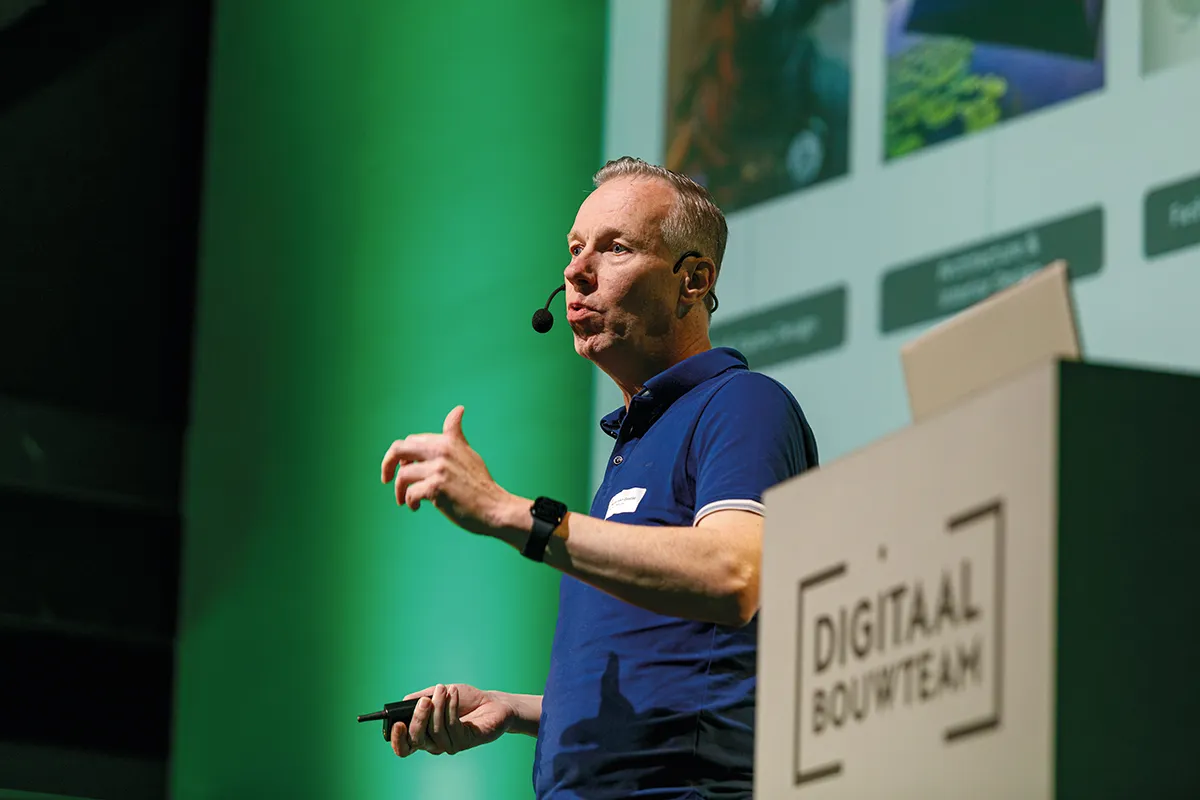
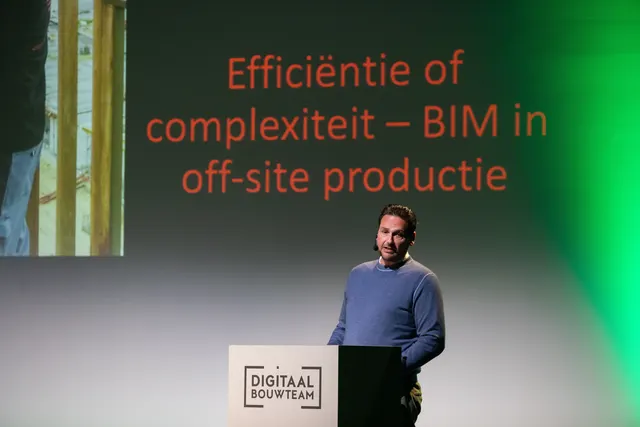
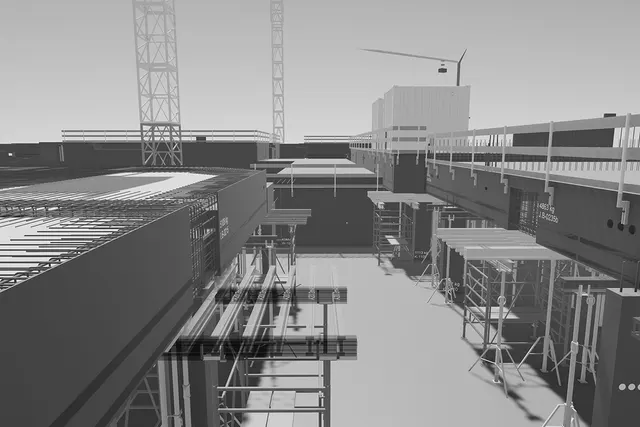
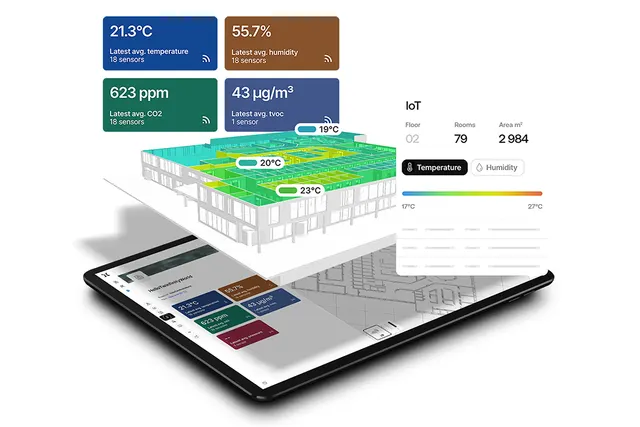
BIM is much more than a collection of digital construction drawings. It is an essential foundation for visualising complex projects throughout a building’s entire lifecycle, from the very first design sketch to ongoing maintenance. In June, Het Digitaal Bouwteam hosted an engaging information and inspiration session on the subject, including a look to the future from Jean-Pierre van Gastel, Digital Innovation Evangelist for HP/NVIDIA. An ideal way to round off the evening, and also a new beginning, because visualisation in the construction sector is evolving at breakneck speed under the influence of innovations such as ‘GenAI’ and ‘USD’ …
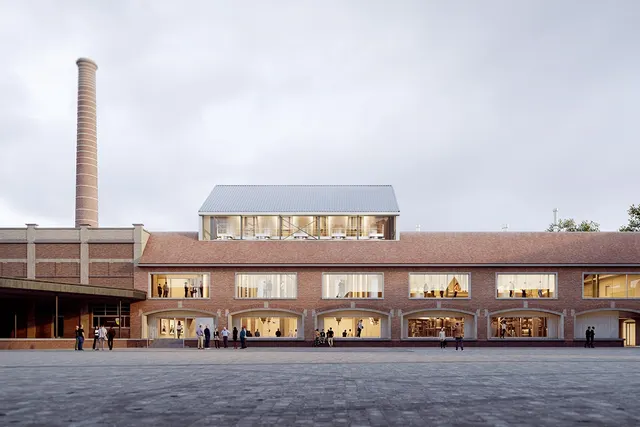
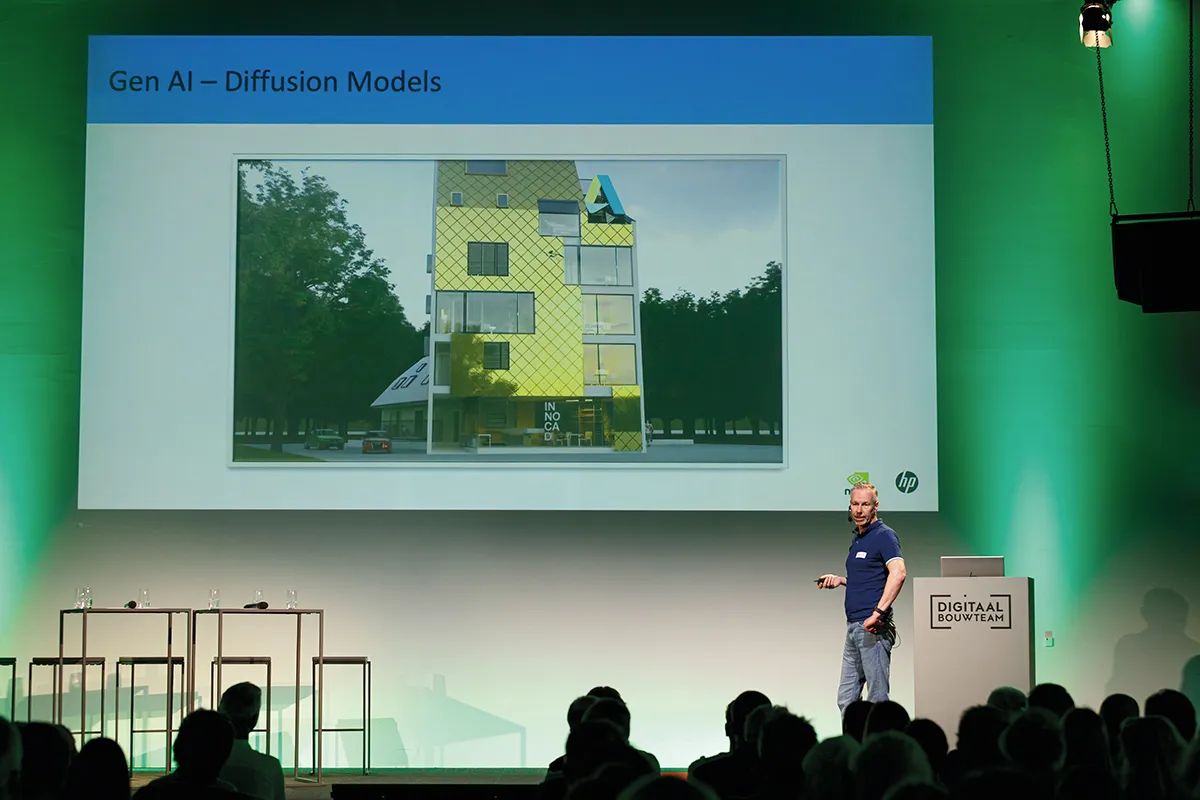
It comes as no surprise that artificial intelligence was the first topic Jean-Pierre van Gastel addressed. ‘Generative AI’, or ‘GenAI’ for short, in particular offers plenty of opportunities, he says. “It is fair to say that it is transforming the construction sector. We are not only handling text in a completely different way, but images too, which we can now generate much faster. AI can already take care of the tedious, repetitive work for us, such as adding vegetation or people to 3D visualisations, acting as a kind of assistant. Then there is the generation of materials and textures, for example, which is already incorporated into many software applications. What used to take us a lot of time in Photoshop has now been automated.”
Generate renders and animations quickly
Everything is changing very quickly when it comes to ‘GenAI’, with new developments emerging almost daily. This offers exciting prospects for the future, Jean-Pierre van Gastel points out. “We can already generate 3D models based solely on a prompt, although they are not yet structurally sound. For now, this is mainly useful for adding ‘dressing’ (a tree, a car, people …), but the picture would change if someone trained a model on all available construction documentation. We are not far off that becoming a reality. In any case, there are already plenty of trained datasets and tools available, many of which you can use for free to create visualisations. This is useful not only for starting with a blank page and finding inspiration, but also when working with a 3D building model, which you can then build on quickly. In just a few seconds, you get a render or even a video animation, if you prefer. One thing to bear in mind is that you need sufficient GPU processing power. This is becoming increasingly important in design software.”
A new standard streamlines workflows
Another topic discussed was ‘USD’, short for Universal Scene Description. The concept originated in the media and entertainment industry, where it was developed by Pixar Animation Studios, and is increasingly appearing in construction and architecture too. “Things can sometimes get lost in a visualisation workflow when you transfer something from one tool to another, for example from rendering software to BIM software. USD is the solution: it is fully open source, based on standardisation through OpenUSD and works with layers. This means we can adjust materials on a layer-by-layer basis, move objects and so on, making the process non-destructive. USD is already incorporated into many applications and will only grow in importance. Another part of USD that is increasingly being implemented in software is Hydra. One example is the integration of USD and Hydra in the latest version of Revit. The render engines in Revit cannot yet be changed, but that is Hydra’s ultimate goal. The idea behind it is that you can choose how to visualise your scene data, allowing you to view your designs straight away in the right visual context, with high-quality renders, without having to switch between different tools. That too is set to change a lot in the near future …” predicts Jean-Pierre van Gastel.
HET DIGITAAL BOUWTEAM
Het Digitaal Bouwteam is a knowledge platform that offers inspiration and solutions for designing, building and managing with BIM. Find out more at www.digitaalbouwteam.be.
Question about this story? Ask your question
Keep following this
Get an email when a new story is published. No account needed.
- SubjectBIM