How do you achieve a healthy indoor environment?
Text Wouter PolspoelImage Pexels
A healthy indoor environment is the holy grail in every building where people live, learn and/or work. But what exactly does that mean? Why is it so crucial? And what challenges are involved in creating one?
Indoor environmental quality is determined by the temperature, air quality, humidity, noise levels and lighting in a building. A healthy indoor environment prevents health problems and increases the comfort and productivity of its occupants or residents. An unhealthy indoor environment, on the other hand, can lead to complaints such as headaches, dry eyes and fatigue, and even serious conditions such as asthma.
Five key parameters
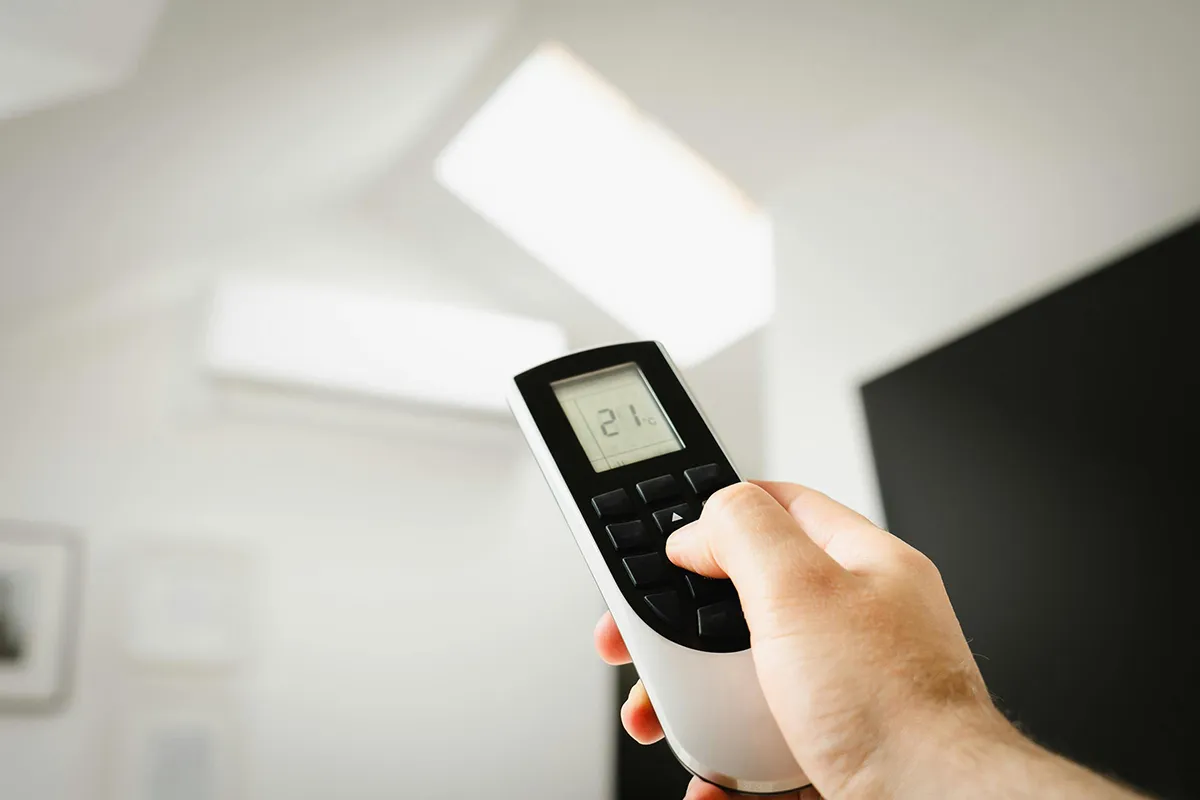
How should the five parameters that together determine indoor environmental quality be ‘set’ to ensure a healthy indoor environment? First and foremost, the temperature should be comfortable. The ideal temperature is of course subjective, but 21 °C seems a good average. The ideal relative humidity, which indicates the amount of moisture in the air relative to the maximum amount it can hold, is between 40 and 60 %. Good-quality indoor air is free from pollutants such as CO2, mould and so-called volatile organic compounds (VOCs). Good acoustics mean that the sound balance in a space is comfortable, with as little disruptive noise as possible. Finally, there should be plenty of natural light, supplemented where necessary by high-quality artificial lighting.
A key area for HVAC installers and electricians
HVAC installers, and electricians in particular, play a key role in ensuring a healthy indoor environment. They install and maintain, and sometimes also design, the solutions that directly affect indoor environmental quality. Installing smart controls for these solutions, such as smart thermostats, home automation systems or CO2 meters, is also part of their work. In terms of heating, this includes heating and cooling systems, often supported by heat pumps or zone control, as well as thermostats and smart sensors that can dynamically adjust the temperature to suit the needs of residents and/or building users. Humidity can be kept at the right level using humidifiers or dehumidifiers, which are particularly useful in new-build properties with airtight building envelopes. Ventilation solutions help ensure good air quality. Balanced ventilation with heat recovery, for example, is a suitable way to supply fresh air and extract polluted air. Smart lighting controls that adapt lighting to the biorhythms of residents and/or users can further improve the contribution lighting makes to indoor comfort. Quiet fans and/or insulated ductwork can also work wonders for acoustics.
Adding value
Any reputable HVAC installer or electrician will, of course, install the right solution in the right place to create a healthy indoor environment. But how exactly can they add value? First, by keeping a close eye on and adopting market developments that can further improve indoor environmental quality. Self-learning thermostats that recognise usage patterns, or systems that ventilate according to measured air quality, are just a few examples of these recent developments. Second, by offering maintenance contracts. These enable HVAC installers and electricians to ensure their customers enjoy a healthy indoor environment over the long term. Finally, they can recommend bespoke solutions where necessary, which may sometimes mean modifying existing systems. Every building is different, and users’ needs vary. A family with young children has different requirements from a single older person or a company’s administrative staff.
Specific challenges
Although today’s technology makes it entirely possible to create a healthy indoor environment, there are still specific challenges involved in creating a healthy and comfortable indoor living environment. First, it is not always easy to combine a healthy indoor environment with energy efficiency. Consider a well-insulated home that still needs sufficient ventilation. In addition, building users often lack sufficient knowledge of their own role in ensuring a healthy indoor environment. For example, many people do not realise that opening windows in a space with balanced ventilation can make the indoor environment less healthy. The importance of proper maintenance is also not yet widely understood. Replacing filters, having ductwork cleaned and having systems recalibrated are essential to maintaining the performance of HVAC solutions.
Increasingly important
Finally, what new developments can we expect in indoor environmental quality? There certainly are some, especially given the growing focus on sustainability. First, we can expect further improvements in energy efficiency. Sustainable materials, meaning reclaimed, recycled, bio-based, renewable, reusable or recyclable materials, will also be used increasingly in the manufacture of technical solutions. These will undoubtedly become more modular too, making repairs easier and allowing the reuse of individual components. Finally, as more clients call for buildings with sustainability certifications such as WELL or BREEAM, healthy indoor environmental quality, an essential criterion in the certification procedures for these schemes, will move even higher up the agenda. In short, a healthy indoor environment is not a luxury, but a basic requirement for comfortable, healthy living and working.
Question about this story? Ask your question
Keep following this
Get an email when a new story is published. No account needed.
- SubjectHVAC