Airtight construction and renovation in all weather conditions
Text Lieke BousemaImage Bostik
As energy performance requirements become increasingly stringent, the importance of airtight construction and renovation is growing. This is one way to improve thermal and acoustic comfort and minimise heat loss. Following spring and summer, autumn and winter are also ideal times to get started. For example, with Bostik’s Zwaluw Hybriseal® 306 coating, the only product of its kind on the market that can also be applied to wet substrates. What’s more, the coating is rain-resistant as soon as it has been spread.
Bostik’s Zwaluw® Airtight Construction product range can be used to efficiently seal all unwanted gaps and joints in a home or building. “With the right measures in place, cold outside air can no longer enter our warm interiors, helping to prevent cold and draught complaints,” explains Nick Haring, Business Development Manager at Bostik. “Nor is heat needlessly lost from inside to outside, which can result in substantial energy bill savings. Thermal comfort is improved too. Good functional connections and a waterproof barrier on the outside of the building prevent vapour and moisture from penetrating the structure, which could otherwise cause unpleasant damage and health risks. As an added bonus, insulation measures also keep outside noise from entering.”
For wet substrates too
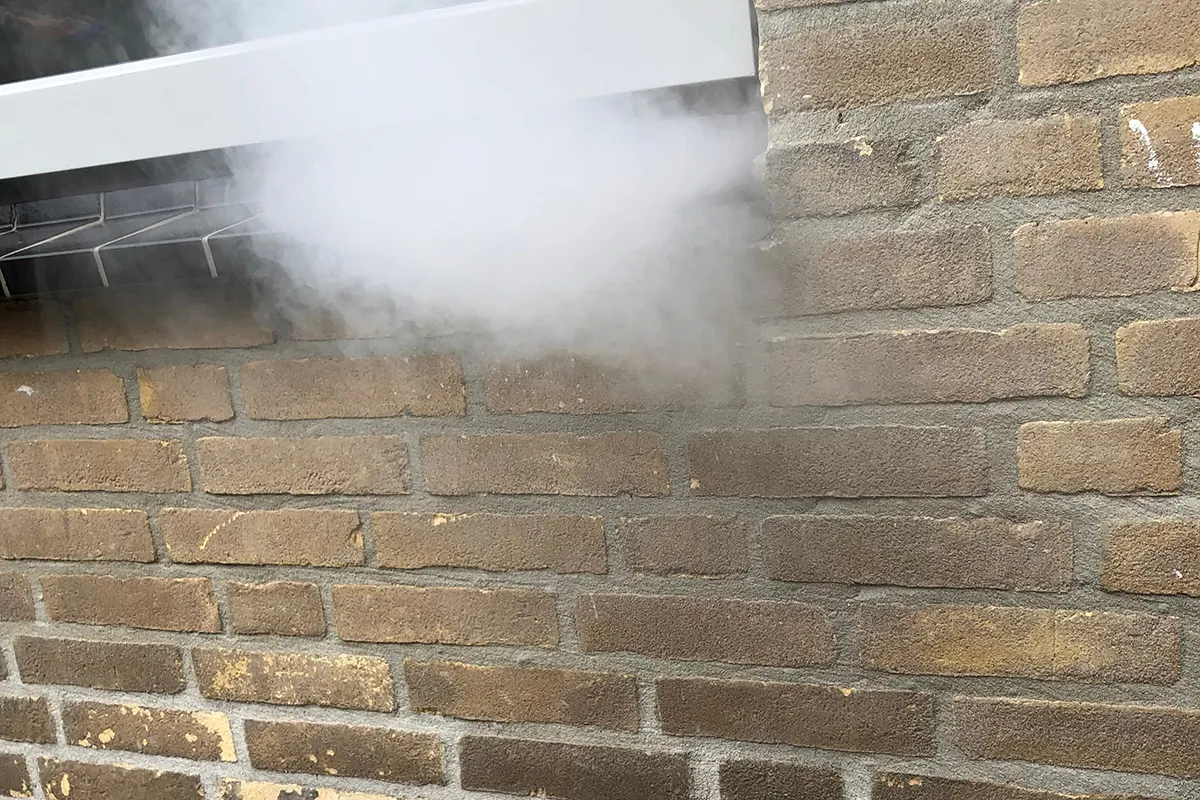
Bostik’s Zwaluw® Airtight Construction product range delivers the benefits described above in both summer and winter. For example, Zwaluw Hybriseal® 306 is the only coating on the market that can also be applied to wet substrates, allowing airtight construction and renovation work to continue. “Our hybrid, sprayable and brushable Zwaluw Hybriseal® 306 coating has been specially developed to seal joints and gaps between building materials quickly and seamlessly. All year round and in all weather conditions,” says Nick Haring. “The coating is also suitable for sealing air leaks and helps to insulate buildings airtight. Once spread, it is immediately rain-resistant.”
Airtight solutions
There are three areas in a home where the risk of air leaks is greatest: the floor, the window frames and the roof. “That is why it makes sense to tackle these areas first when renovating,” says Nick Haring, who recommends starting with a thorough survey. “Each home needs to be assessed individually to determine which measures are practical and effective, and can be implemented with minimal structural work. Bostik can provide the necessary support through a comprehensive site inspection. We also have specific airtight solutions for every detail of the home. For more information on airtight renovation, visit our website to find a comprehensive white paper.”
Façade
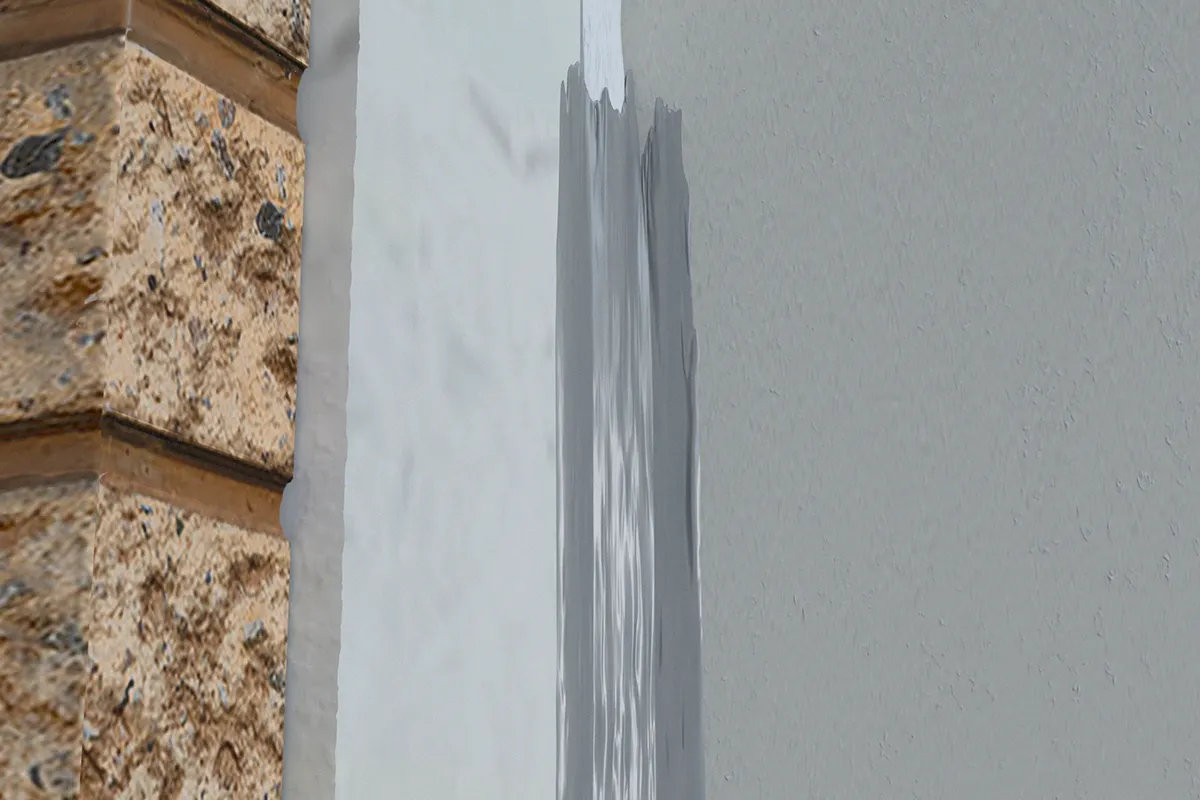
A compression seal makes the joint between the window frame and the wall watertight against wind-driven rain. This keeps primary water exposure to a minimum. “A compression seal is breathable, so any moisture can escape to the outside rather than building up in the structure,” says Nick Haring. “Expansion and connection joints occur in precast concrete and masonry. These can be sealed with a hybrid sealant, which keeps out primary water exposure. You can also use a backer rod to achieve the correct ratio of joint depth to joint width.”
Floor and roof
Bostik offers airtight self-adhesive tapes for airtight, watertight and vapour-open connections between façade elements and supporting structures. “These technical tapes are airtight and vapour-control on the inside, while the exterior-grade version is airtight, vapour-open and watertight,” explains Nick Haring. “Seal the wall plate by applying flexible PU foam on both sides. Then finish the PU foam on the inside with Zwaluw Hybriseal® 306 coating.”
Flexible PU foam or a good compression seal can also be used at the ridge connection. “Airtight Tape Interior is also used at the roof-to-wall connection. This tape is airtight, vapour-control and can be plastered over without a primer. Polyurethane foam (PU foam) is suitable for making joints airtight and thermally insulating joints around window frames and between different building elements, such as the joint between the ceiling and wall.”
Subframes
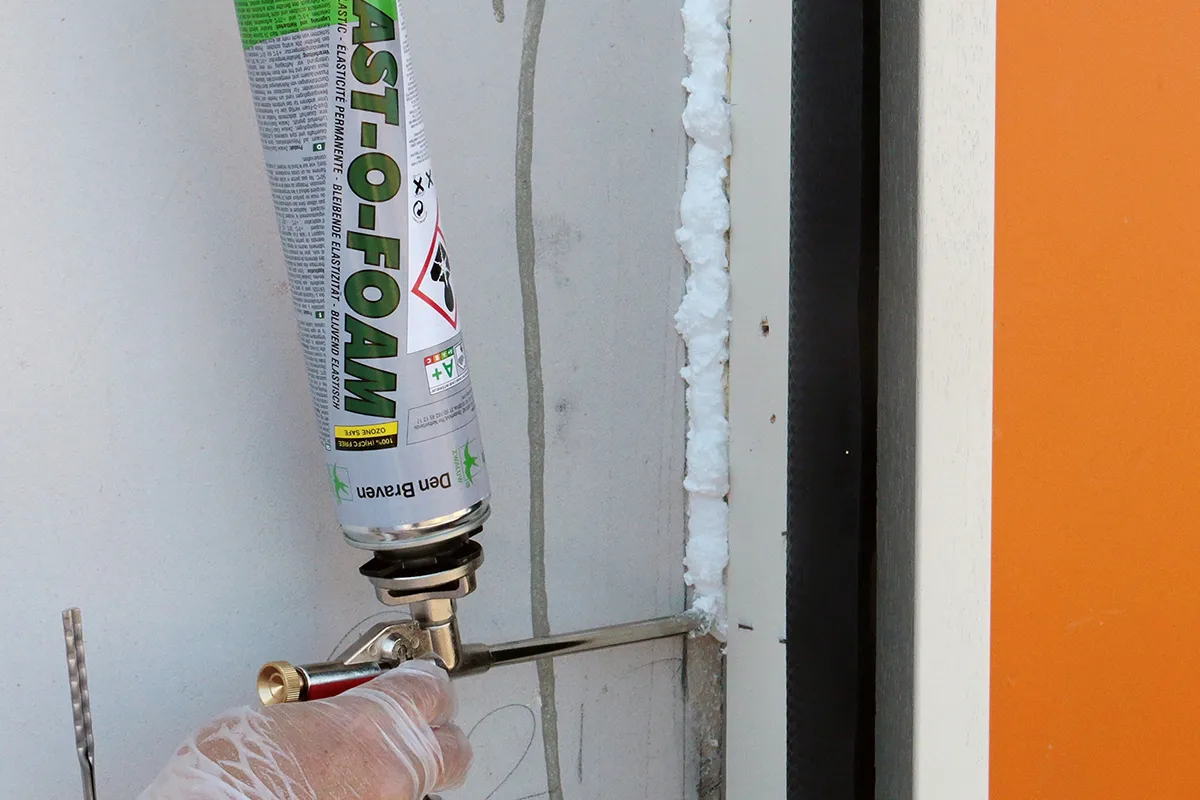
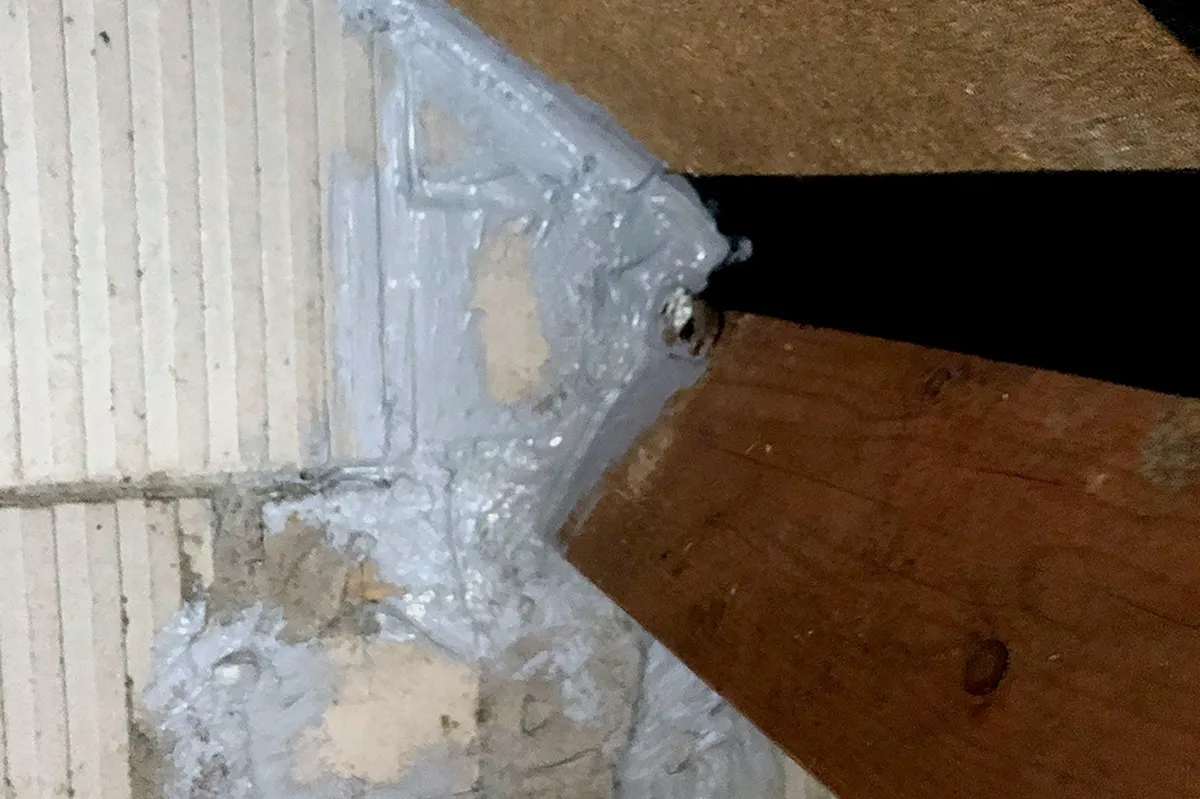
There are several ways to seal subframes airtight, explains Nick Haring. “The gap between the subframe and the structure can be filled with Zwaluw Elast-O-Foam to reinstate the insulation. This flexible PU foam also reduces noise transmission through the frame. There are then several options for achieving an effective airtight seal, such as Zwaluw Hybriseal® 306 coating, Zwaluw Airtight Tape (vapour-open for external use) or Zwaluw Airtight Tape Interior (vapour-control for internal use).” No primer is needed to apply the tapes, he says. “Zwaluw Airtight Tape is also ideal for finishing spunbond membranes on timber-frame elements.” For complex frames such as sliding doors, Zwaluw Airtight Foam Tape provides an airtight, vapour-open, watertight and thermally insulating seal. “These products make it easy to seal joints against air and wind-driven rain.”
Glazing
Finally, Nick Haring recommends sealing the joints between the glazing and the frames against air leaks too, for example with a hybrid sealant. “This keeps cold air out of warm living spaces, making homes more comfortable, pleasant and energy-efficient.”
A business enquiry for Bostik Benelux? Get in touch
Companies in this story

Keep following this
Get an email when a new story is published. No account needed.
- SubjectInsulation
- CompanyBostik Benelux