Biophilic design: passing fad or the new normal?
Text Tim JanssensImage Pexels
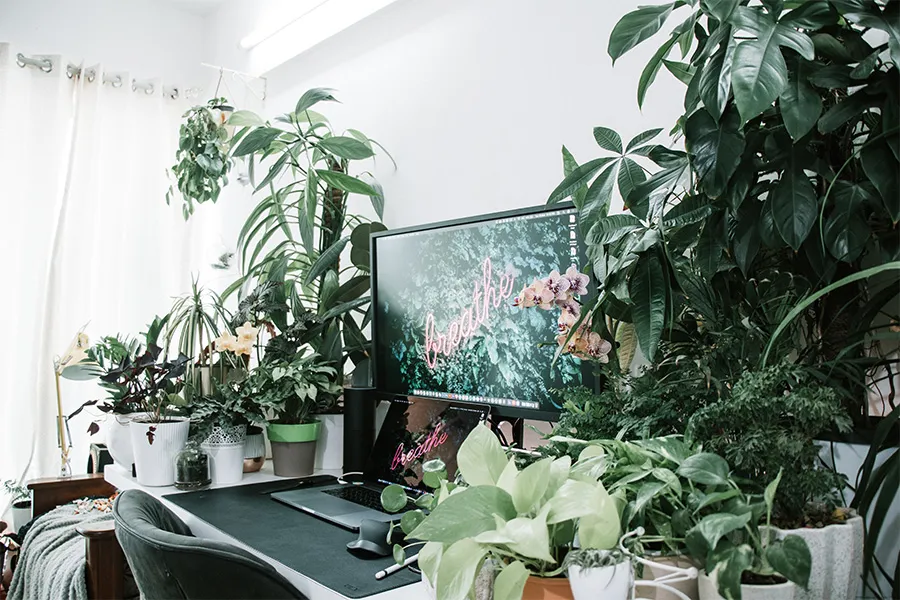
In our fast-paced, industrialised society, Mother Nature is no longer a good neighbour, but more of a distant friend. Yet for centuries, the opposite was true, and numerous scientific studies show that a strong connection between people and nature brings many positive health effects. To restore this once-close bond, many architects and interior designers are now focusing on biophilic design, a fashionable design discipline that is increasingly being valued. A brief introduction.
Over-urbanisation, buildings and hard surfaces, an increasingly digitalised world and more sedentary lifestyles, little enthusiasm for nature conservation and restoration in the pursuit of continuous economic growth … there are many reasons why our connection with Mother Nature has weakened considerably in recent years and decades. It was only since the coronavirus crisis and the associated lockdowns that interest in experiencing nature began to grow again. People spent even more time indoors, although the average was already around 90% of the day in non-pandemic circumstances, and were literally and figuratively gasping for air. Lessons were learnt, not least by architects and interior designers. They realised that it was high time to rekindle the bond between people and nature, or at least to recreate its positive physical, psychological and emotional effects in residential and working environments.
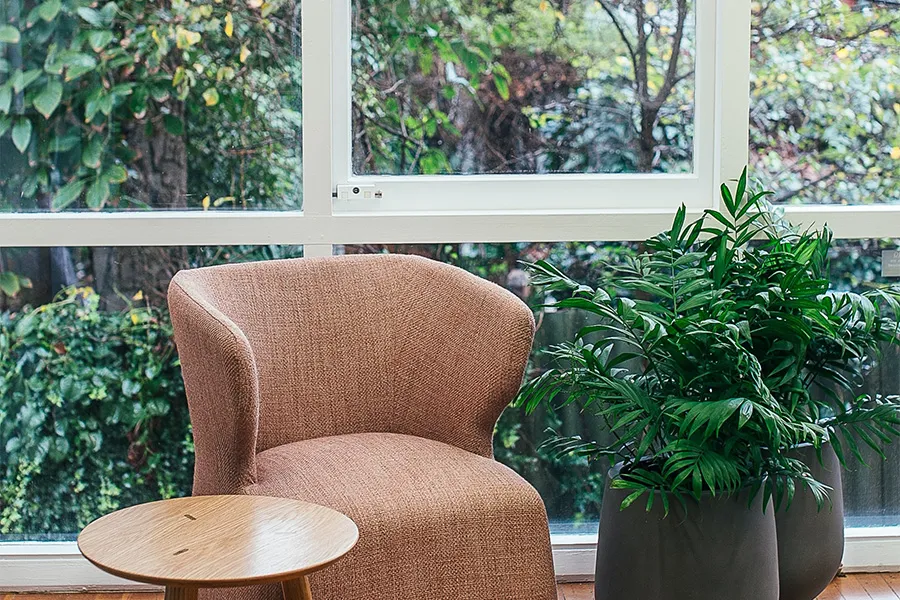
Contact with nature as a basic requirement
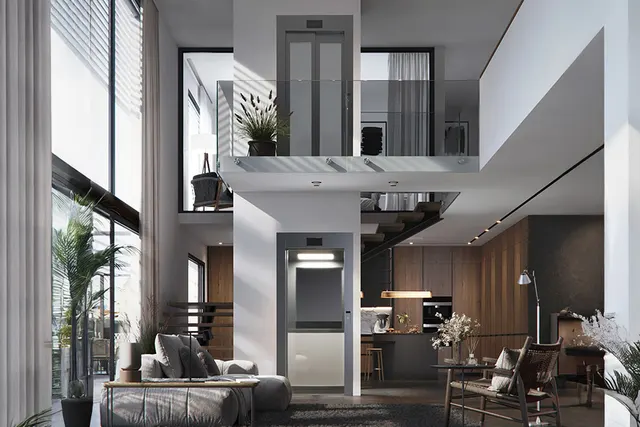
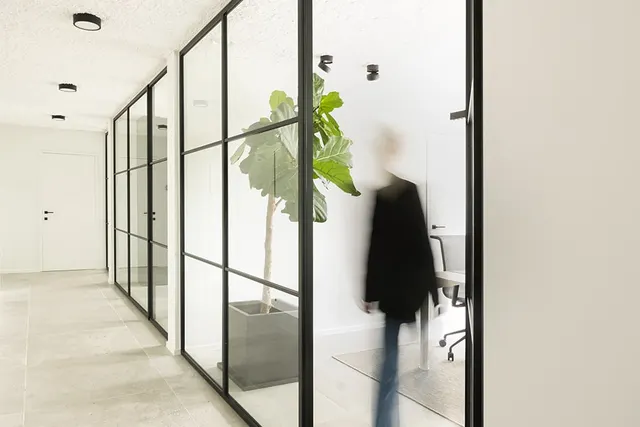
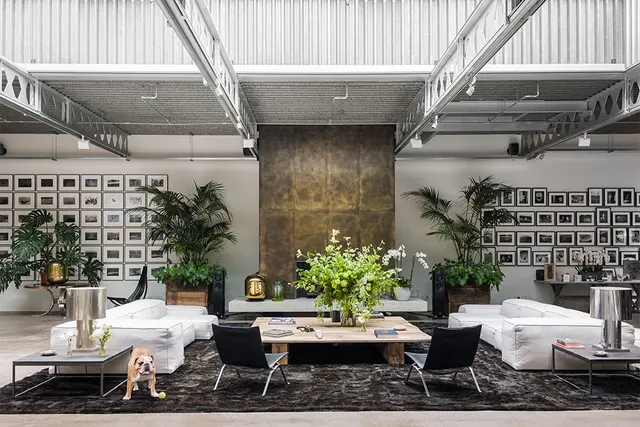
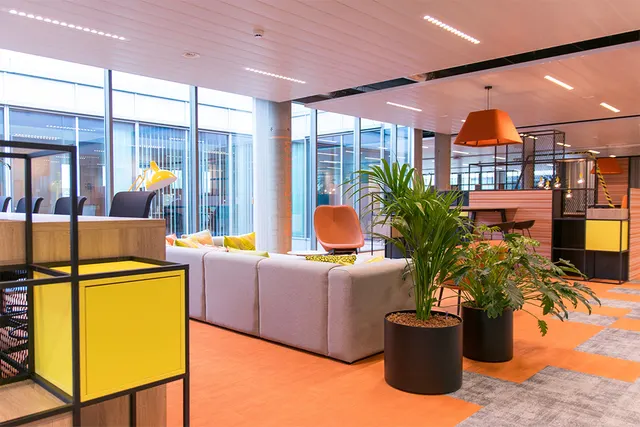
Enter ‘biophilic design’, a neologism based on the term ‘biophilia’, meaning love of nature. The concept was introduced (as early as) 1964 by German-American social psychologist Eric Fromm and popularised in 1984 by American biologist, physicist and writer Edward O. Wilson, who defined the term in his book ‘Biophilia’. Yet it took more than forty years for the concept to become widely established in architecture and design circles. Biophilic design makes the most of people’s affinity with nature, in particular by reintroducing it into built environments through thoughtful architecture and interior design. This is a twofold exercise: on the one hand, it involves forms in the environment that reflect nature directly, indirectly or symbolically; on the other, it concerns the experience of the space and its specific location. A simple example is adding plants or water features to a room, but the concept goes much further than that. Shapes, patterns, colours, images and video clips can also create a link with nature. Daylight and views of the (natural) surroundings also play a crucial role, as do interior objects or finishes that feel natural, such as wooden furniture, planters, moss walls, earth tones, organic shapes and tactile materials. It is clear that these are no longer just nice extras, but absolute essentials. Biophilia is the new normal, increasingly making its way into everyday design practice.
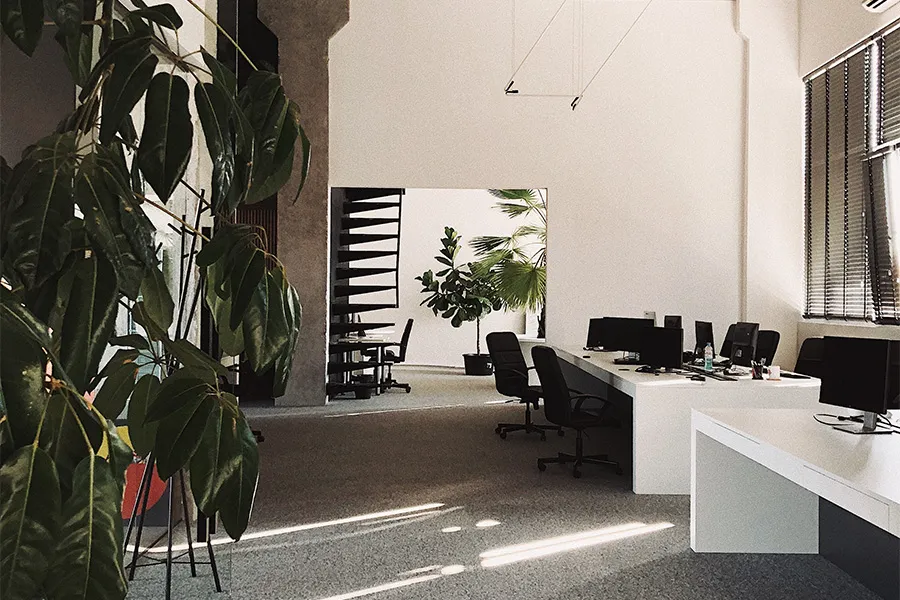
Backed by scientific evidence
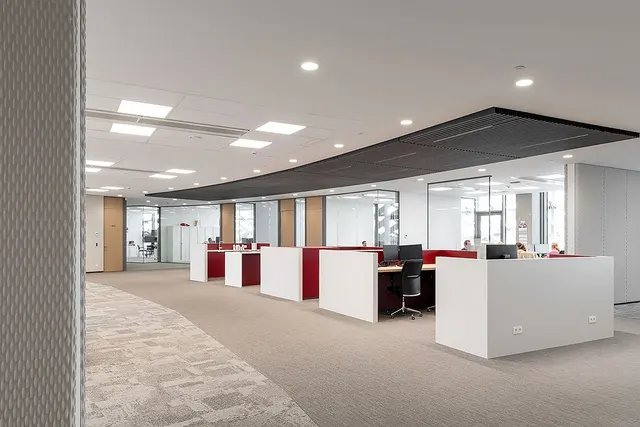
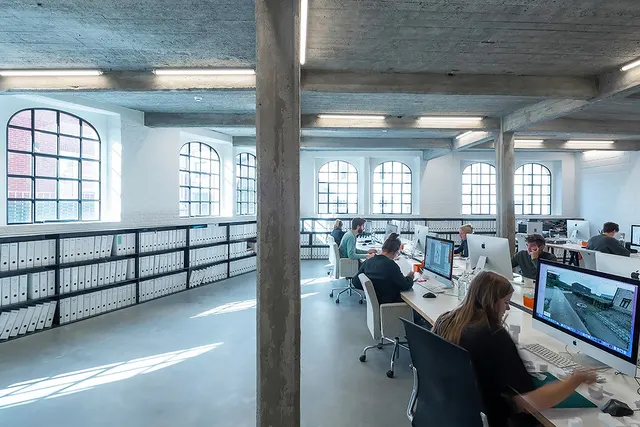
You often hear that walks in the woods, a biodiverse garden and plants at home make us happy. And so biophilic design is ‘the new way to go’. But is there scientific evidence to support this? In the book ‘Biophilic Design’, authors Stephen R. Kellert, Judith H. Heerwagen and Martin L. Mador examine various studies. These show, among other things, that contact with nature improves cognitive function in tasks requiring concentration and memory, and promotes healing and rehabilitation after major surgery. The human brain also responds functionally to sensory patterns and elements from nature. This also explains why office environments with natural light, natural ventilation and nature-related elements appear to lead to better work performance, less stress and greater motivation. Another interesting finding is that people who live close to nature experience fewer health and social problems, regardless of where they live, their level of education or their income. Even limited greenery, such as grass and a few trees, has a positive effect. Another interesting document is the research report ‘Human Spaces, The Global Impact of Biophilic Design on the Workplace’, which shows, among other things, that people can be 6% more productive thanks to natural elements in interiors (such as sunlight and greenery), while creativity and perceived wellbeing increase by 15%.
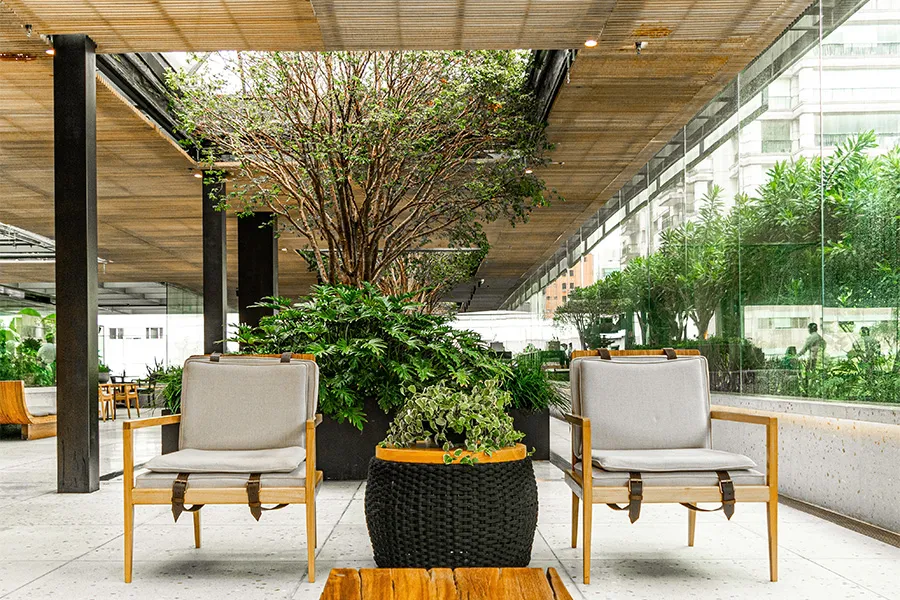
A double investment
In short, the benefits of biophilic design are numerous, and the movement has the wind in its sails thanks to the general drive for sustainability (under the influence of climate change) and a focus on mental wellbeing. It would therefore be surprising if it proved to be a passing fad. Yara Helsen of VIBE makes the same point in an opinion piece on the Circubuild website. “I grew up in a world full of natural experiences and moved to the city after my student years, but the constant bustle, movement and noise soon took their toll. I longed for the peace and serenity I had experienced as a child in nature’s embrace. That was how I discovered ‘biophilic design’: a concept that captures the essence of my experiences and combines it with modern architecture and interior design. Its benefits should not be underestimated. I can personally feel how the presence of greenery and natural textures positively affects my mood. My daily life is balanced again, and my creativity has room to flourish. Biophilic design benefits not only individuals, but also businesses, schools and organisations. In an urbanised world, it is vital that we strengthen our bond with nature. Biophilic design is a double investment: in sustainability and in our own wellbeing.”
Question about this story? Ask your question
Keep following this
Get an email when a new story is published. No account needed.
- SubjectInterior architecture