The future of external wall insulation systems: ETICS
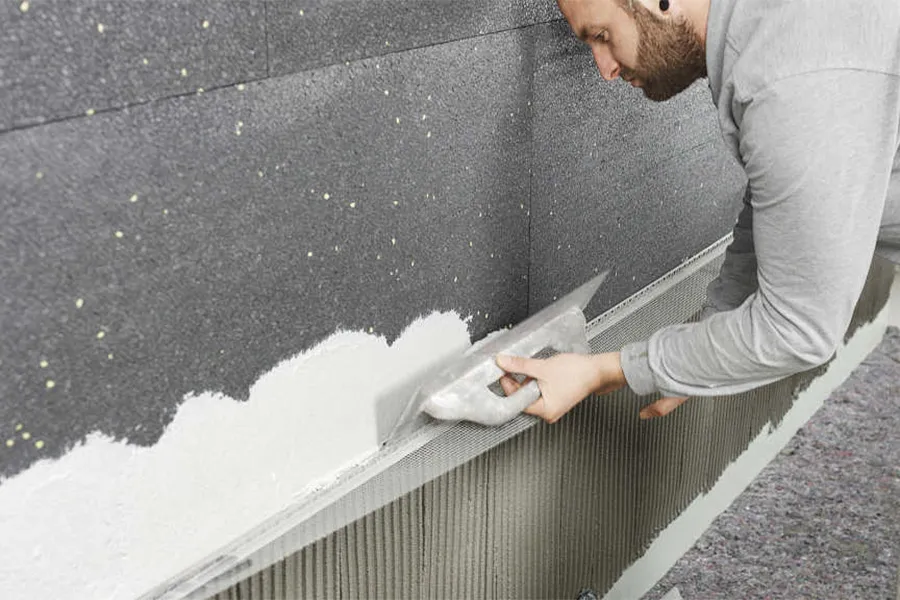
StoTherm systems offer numerous advantages over traditional construction methods, both for new-build projects and renovations
With stricter insulation regulations and growing demand for sustainable building solutions, ETICS, also known as external wall insulation systems, is increasingly recognised as a cost-effective solution for energy-efficient façade insulation. Belgian homeowners and renovators still often opt for the traditional cavity wall, but this is changing. In addition to their far-reaching benefits in terms of insulation performance and sustainability, StoTherm external wall insulation systems offer technical and aesthetic advantages.
Significant savings potential with StoTherm systems
Insulating buildings is crucial to reducing CO2 emissions and limiting environmental impact. Energy-efficient solutions promote a greener future and reduce the need for fossil fuels for heating. Well-insulated buildings therefore contribute to international energy-saving targets.
As well as roof insulation, high-quality façade insulation is essential. StoTherm external wall insulation systems are applied to the outer face of a building’s external wall, improving its energy performance. An average home can save 30% on energy and drastically reduce its CO2 emissions. Take an uninsulated home as an example. It produces approximately 28 tonnes of CO2 a year. Simply installing an external wall insulation system that meets current insulation requirements reduces CO2 emissions by more than 10 tonnes a year.
This lower environmental footprint also applies to the manufacturing process. Producing the ETICS components generates one-off emissions of 10 tonnes of CO2 for a home of approximately 200 m2, while emissions for a cavity wall with facing brick can reach 17 tonnes of CO2. This highlights the sustainability benefits of a StoTherm external wall insulation system.
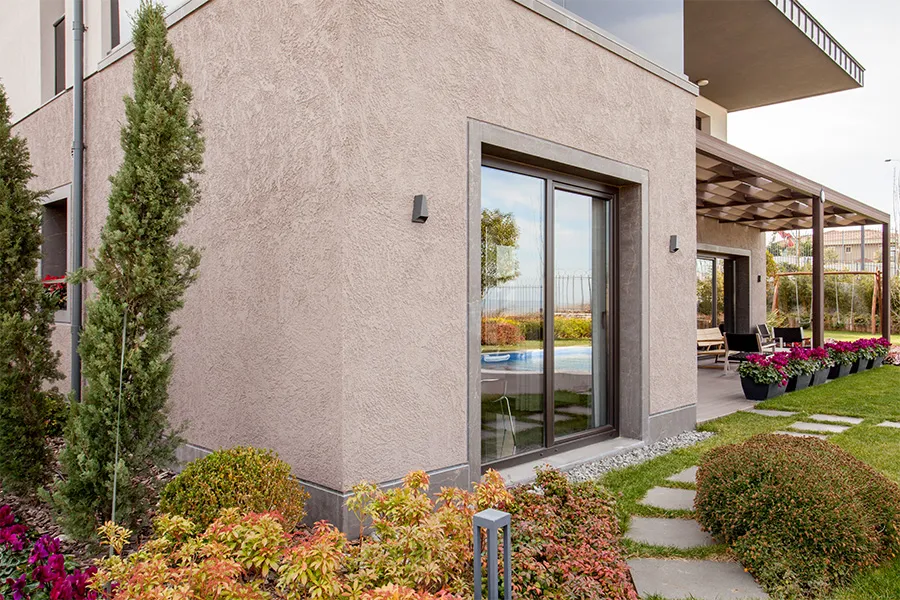
StoTherm versus traditional construction methods
StoTherm offers a more efficient insulation technique than other construction methods. Buildings, whether new or renovated, must be prepared for the future. There is also a legal framework governing the thermal insulation of buildings. For an external wall in Flanders, the requirement is a maximum U-value of 0.24 W/(m²K) for a new-build or deep renovation project. For renovation with ETICS added insulation, the requirement is a minimum of 3(m²K)/W. This is explained further in the Sto-Premiewijzer. The figures differ between Flanders, Brussels and Wallonia.
StoTherm systems are widely used, proven systems with technical approval.
“Sto can be considered a true pioneer, with more than 60 years of experience in ETICS. Today, building without an ETICS system is simply unthinkable,” says Barbara Lonneux, Communications Manager at Sto.
A range of solutions
Thanks to Sto’s technological expertise and extensive knowledge development, StoTherm façade insulation systems meet current and future energy and climate requirements. Sto offers solutions tailored to the specific needs of each project. These range from the fire-safe system StoTherm Mineral and the ecological StoTherm Wood for timber-frame construction, to StoTherm Resol for an exceptionally slim build-up, the impact-resistant façade system StoTherm Classic ®, StoTherm Vario for every type of façade finish, and StoTherm Aim, which is based on bio-based raw materials.
The benefits of StoTherm systems: aesthetic, sustainable and more energy-efficient
StoTherm systems offer numerous benefits. They are not only aesthetically appealing but also sustainable, and they help make homes more energy-efficient.
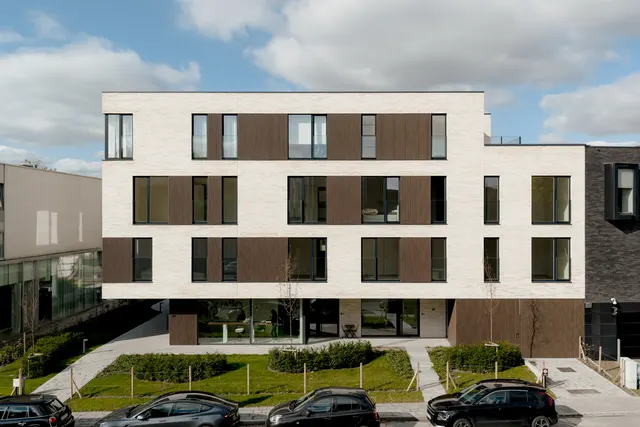
In addition, the slim wall build-up creates more internal floor space. With benefits such as a slim wall build-up, fast installation and reduced CO2 emissions, StoTherm systems help insulate the building envelope efficiently. A StoTherm system consists of several layers, the last of which is the finish. This gives the architect, designer or owner considerable creative freedom. The wide choice of decorative render and/or brick slips makes an attractive façade finish possible.
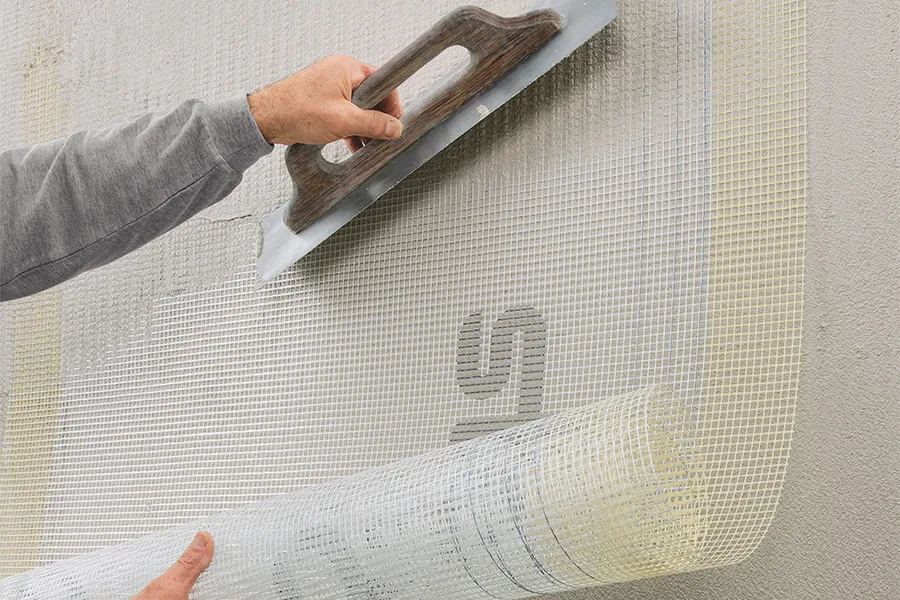
“At Sto, we use techniques to ensure optimum energy performance and minimise environmental impact. We aim for high levels of insulation while also taking into account the usual technical, economic, ecological and aesthetic considerations,” says Alexander Rickert, Product Manager at Sto.
Furthermore, StoTherm’s continuous insulation eliminates thermal bridges, as the insulation is applied uninterrupted to the outside of the building. This saves time on design, calculations and drawing work. It also complies with EPB requirements, resulting in superior thermal performance.
Are StoTherm systems the future of external wall insulation systems?
At a time when energy efficiency and sustainability are central concerns, StoTherm offers a proven and effective alternative to traditional construction methods. For both new-build projects and renovations, StoTherm façade insulation systems deliver significant benefits for the environment, residents and the construction sector.
Question about this story? Ask your question
Keep following this
Get an email when a new story is published. No account needed.
- SubjectRoofing & façades