Plan now for hotter summers with smart garden design
Research highlights the role of greenery in preventing homes from overheating
As summer gives way to autumn, one thing is clear: hot days and tropical nights will become increasingly common in the years ahead. Measures to combat overheating need to be taken now. For garden designers and landscape architects, this is the perfect time to incorporate sustainable, smart solutions into garden design, enhancing living comfort and preparing homes for increasingly hot summers.
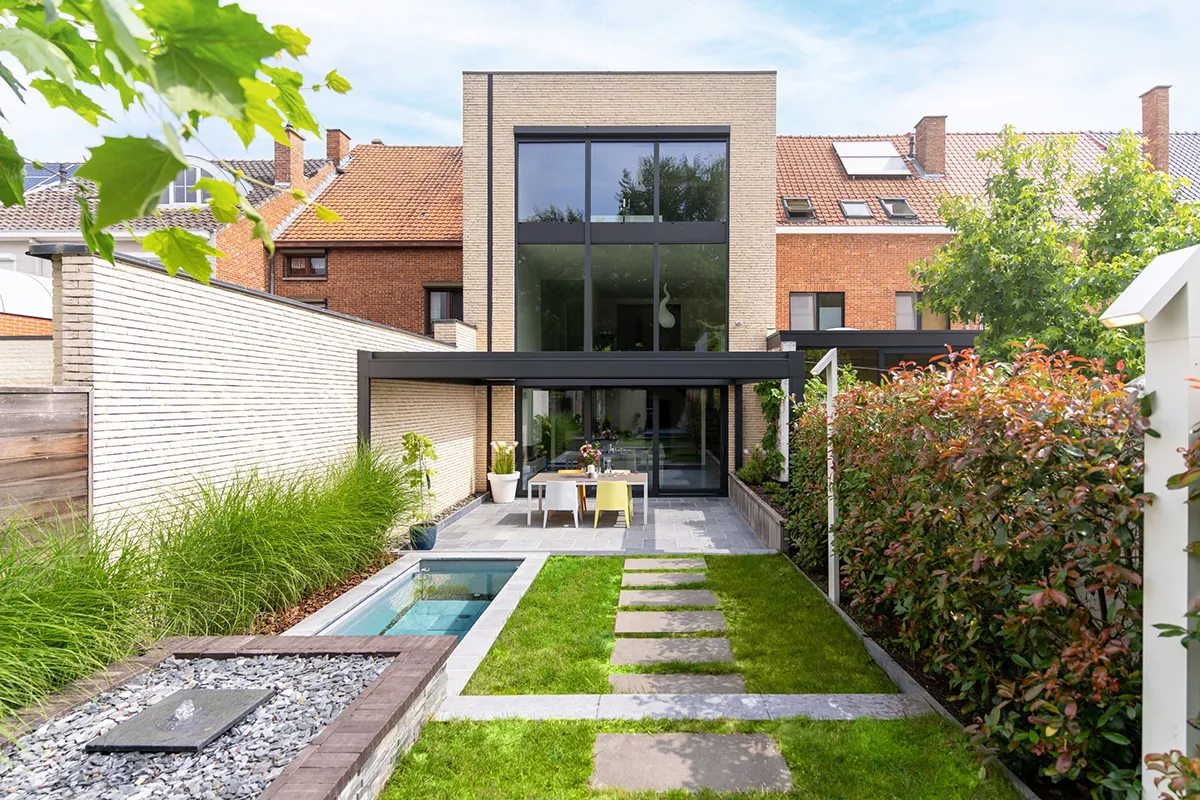
To find out how we can protect homes from overheating, VEROZO (the Belgian Professional Association for Solar Shading and Shutters) brought together independent experts from the construction and climate sectors for a round-table discussion. The findings have been collated in a report* setting out the causes and consequences of homes overheating, along with possible solutions.
Greenery and solar shading: the ideal combination
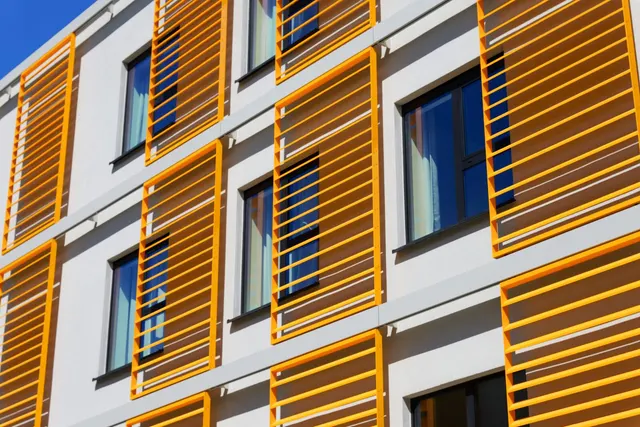
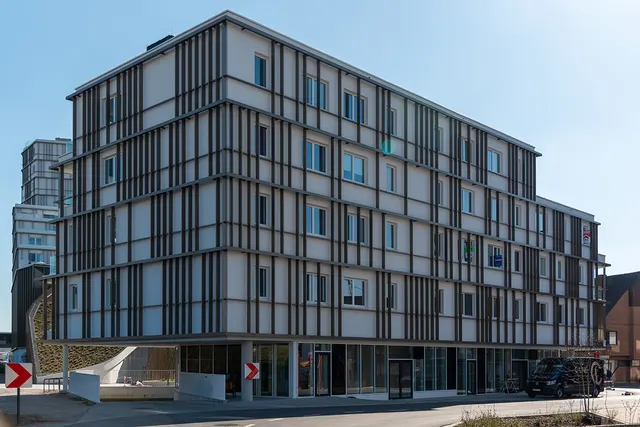
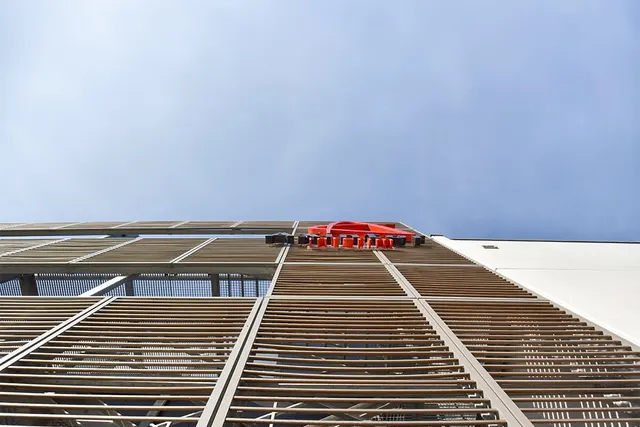
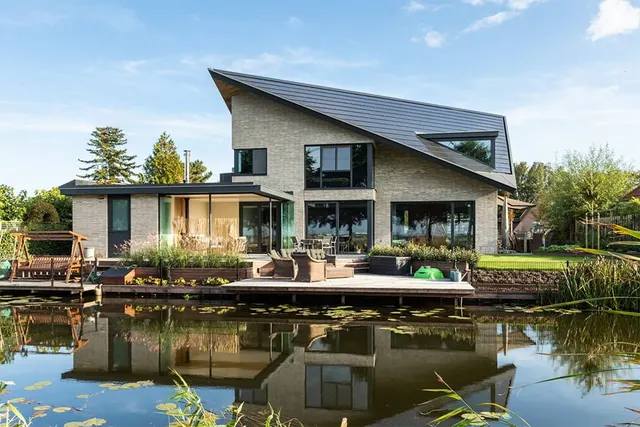
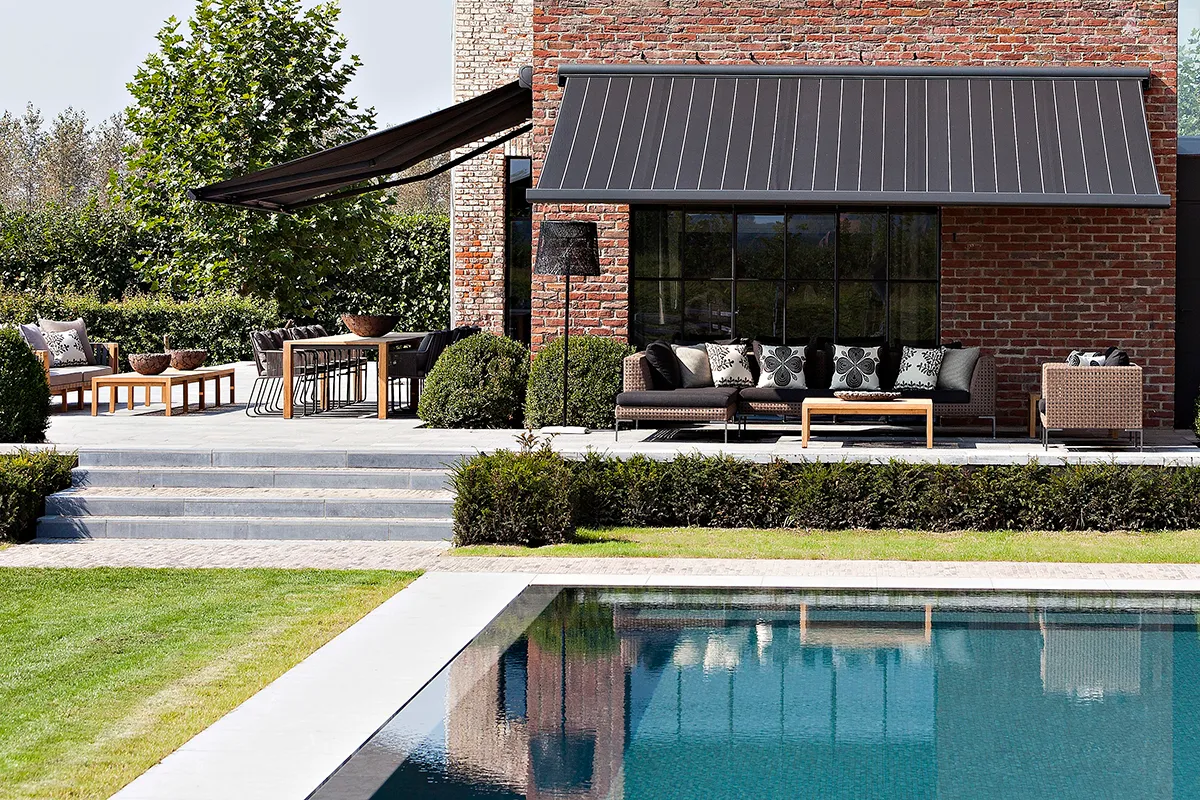
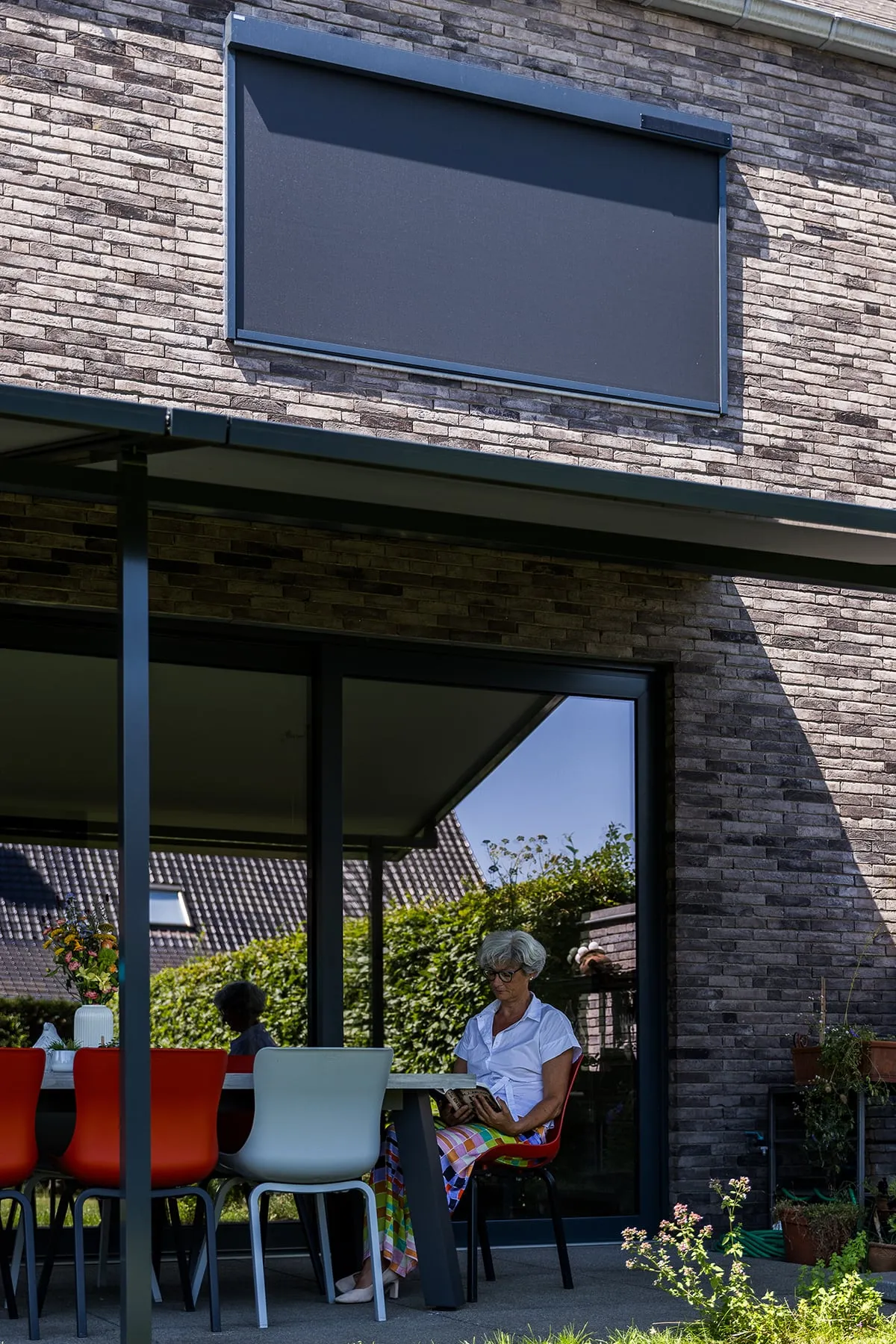
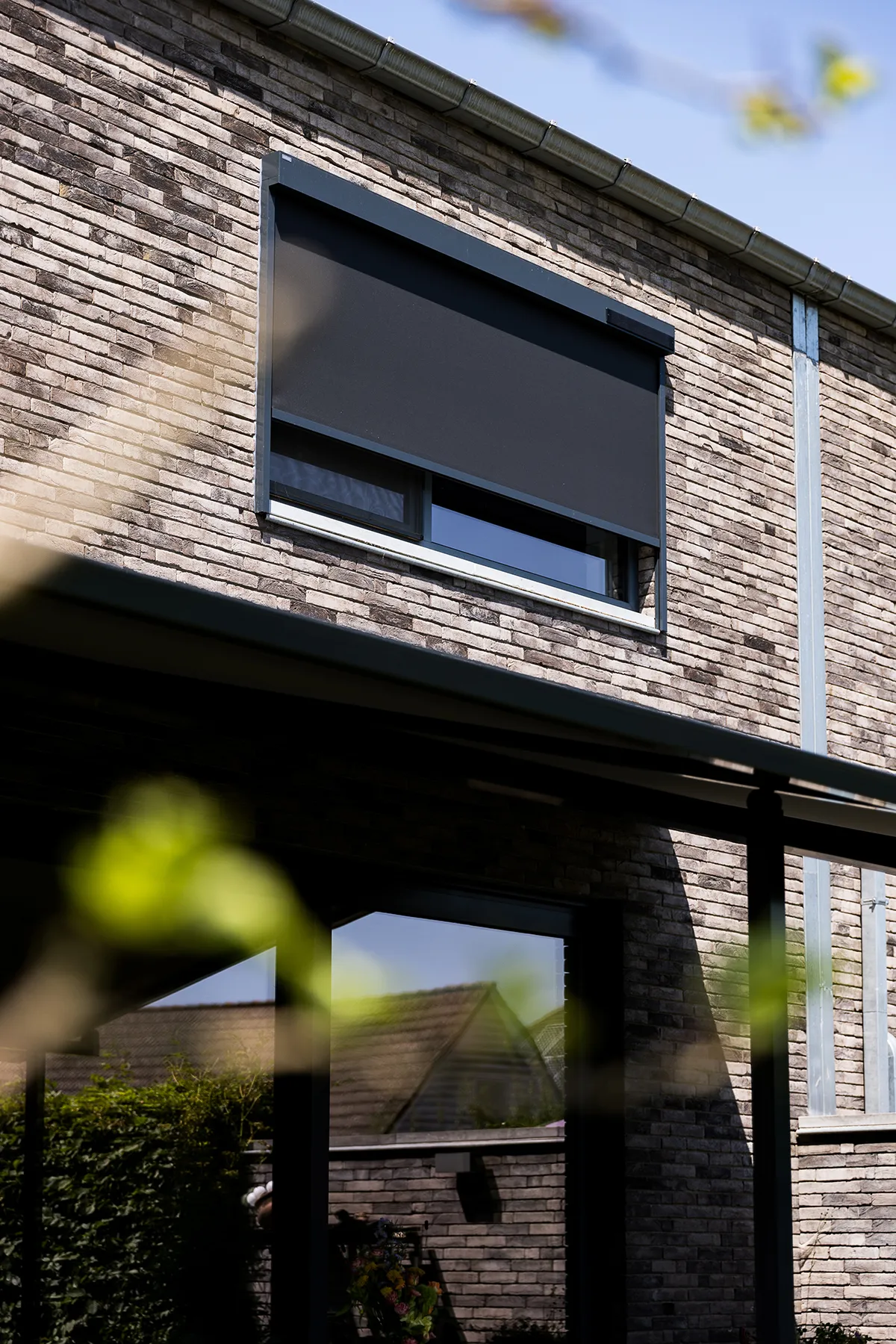
The research shows that greenery around the home provides natural cooling. Strategically positioned trees and plants provide natural shade and cool the air through evaporation: plants and trees release moisture into the air, and this process draws heat from the surroundings. Water features enhance this effect. External solar shading, such as awnings, screens and terrace canopies, is also an effective solution. By blocking the sun’s rays before they reach the glass, it slows the rate at which a home heats up. Combining reduced heat gain with increased evaporation from solar shading and greenery can lower local temperatures by as much as four degrees.
The urban heat island effect
“This is particularly relevant in cities,” says researcher Niels Souverijns of VITO, who was involved in the study. “If around 30% of an urban area is covered by trees, this can lower temperatures enough to keep it liveable. Because of the so-called urban heat island effect, cities do not cool down as well at night as the countryside. Buildings and paving absorb heat during the day and gradually release it again at night. As a result, night-time cooling is often limited.” Extra cooling through well-considered garden design is therefore no luxury.
Planning ahead now pays off
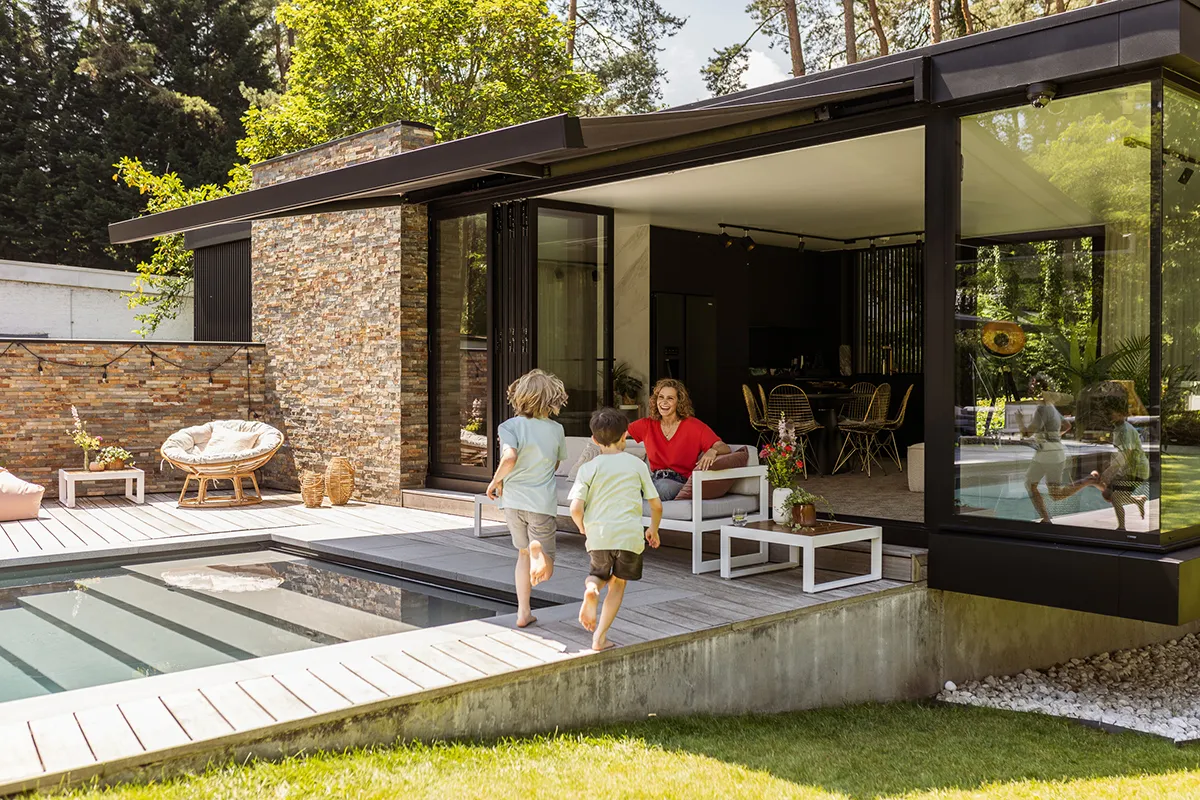
Smart garden design really does make a difference: by incorporating greenery and solar shading from the outset, you can create pleasant outdoor and indoor spaces, even on the hottest days. The design stage of a home or garden is the ideal time to advise residents on an integrated approach to heat prevention. By planning ahead now, homes and gardens will be well prepared for the hotter summers that are undoubtedly on their way.
Question about this story? Ask your question
Keep following this
Get an email when a new story is published. No account needed.
- SubjectSolar shading