“EPB is a key factor in design”
Text Kris VandekerckhoveImage RAY, Studiebureau Accuraat

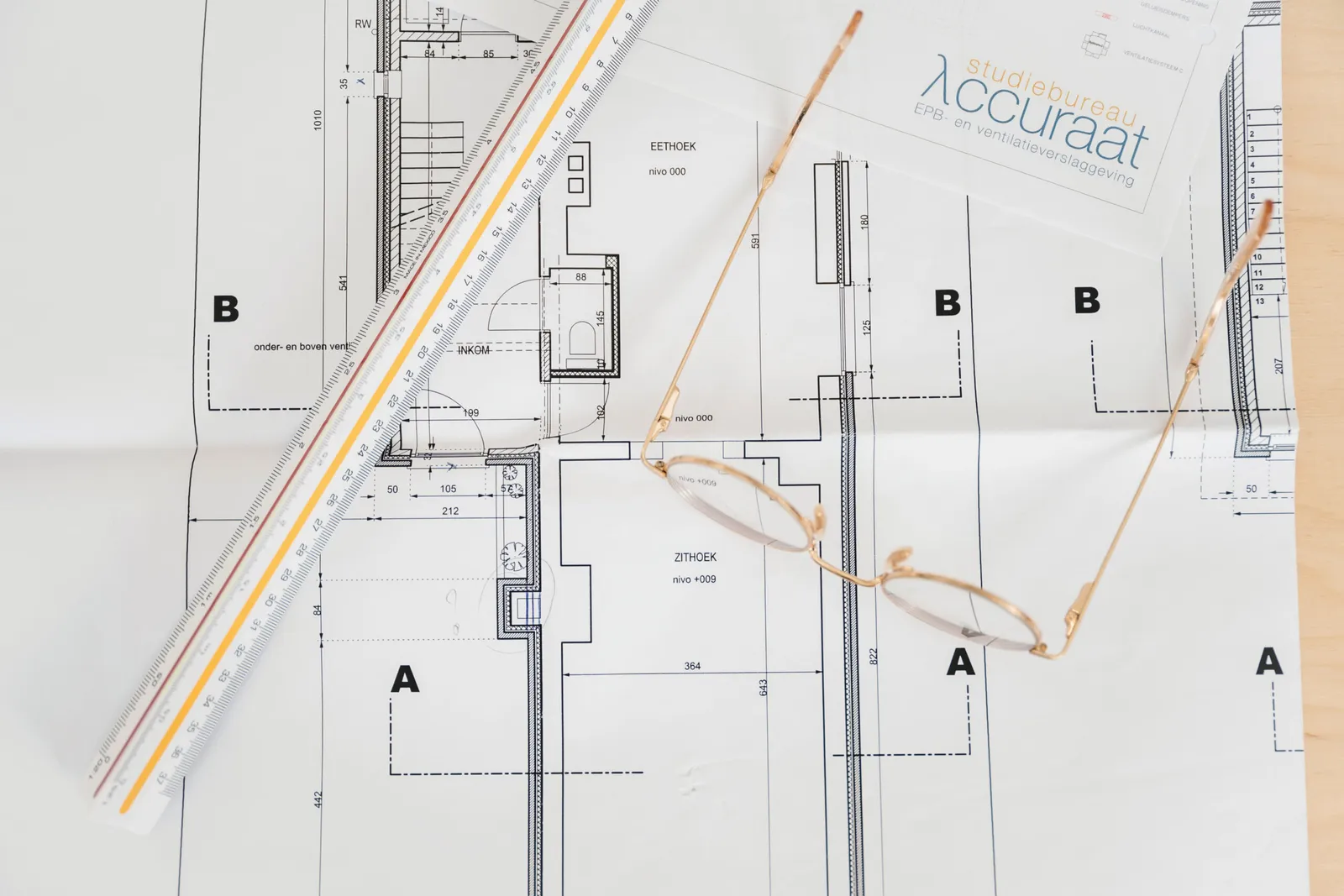
Valérie Vanwalleghem of Studiebureau Accuraat has a clear approach: improve the efficiency of construction projects by actively contributing from the outset. Her firm specialises in energy performance reporting (EPB), safety coordination and ventilation reporting. What began as a small-scale sideline has grown into a full-time business in just five years.
EPB reporting is often seen as a compulsory formality, an administrative burden that property developers and architects have to deal with. But according to Valérie Vanwalleghem, it is much more than that. “EPB is not just a technical requirement, it can provide the basis for important design decisions,” she explains. Rather than viewing EPB as an additional step, it can help inform future-focused choices that improve both a building’s energy efficiency and quality of life.
Small changes, big impact
One way EPB influences design is by optimising energy-saving measures such as insulation, the position of windows and doors, and the choice of heating and ventilation systems. “A small change, such as extending an overhang by just 10 centimetres, can make a big difference to a home’s energy performance,” says Valérie Vanwalleghem. These adjustments often have little impact on the architectural design, but can significantly improve energy efficiency.
While many EPB reporters are only brought in at a later stage, Studiebureau Accuraat seeks to work with architects from the first phase of a project. This prevents costly changes having to be made later in the process. “By contributing from the outset, architects can optimise their designs without having to make compromises later to meet EPB requirements,” she explains. “This ensures that a building’s energy performance is seamlessly integrated into the design instead of being treated as a troublesome afterthought. EPB also offers long-term benefits. Projects that meet strict energy requirements often have a higher market value and deliver savings for the end user.”
An integrated approach
In addition to EPB, Studiebureau Accuraat also handles safety coordination and ventilation reporting, often as part of a single package. This provides oversight and continuity throughout the construction process, with Valérie Vanwalleghem able to monitor every stage closely. “By combining these roles, I can ensure that safety and energy performance are considered at every stage of the project,” she explains. This integrated approach prevents problems and helps the project run more smoothly.
Less and less new build, more and more renovation
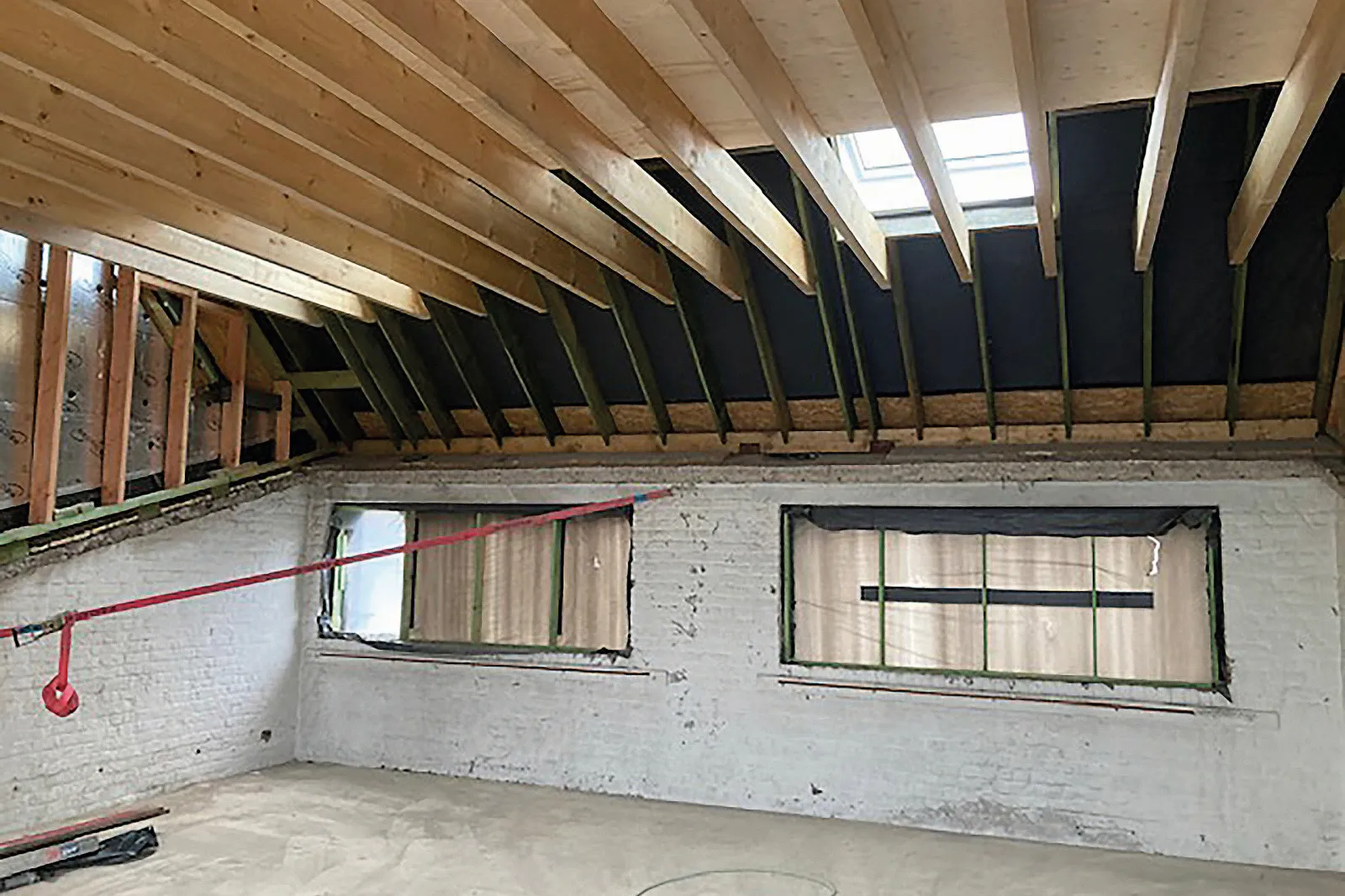
One notable trend in the construction sector is the shift from new-build projects to renovations. Valérie Vanwalleghem has noticed that many people are opting for extensive energy renovations of existing homes. This is mainly due to the high cost of new builds, which have become unaffordable for many people. “New builds are becoming increasingly expensive, so clients are more inclined to carry out a thorough renovation of an existing home,” she explains. She sees this trend becoming more pronounced in urban areas, partly because of the scarcity of land for new construction.
In addition, energy performance regulations are becoming more stringent every year, meaning construction teams need to take a building’s energy efficiency into account at an early stage. Valérie Vanwalleghem therefore does not expect the amount of work to decrease in the coming years. Stricter energy performance regulations and growing demand for renovations mean her expertise will remain in high demand. “The sector is constantly evolving, and there is still a lot of work to be done,” she concludes.
Question about this story? Ask your question
Keep following this
Get an email when a new story is published. No account needed.
- SubjectYearbook