











Major investment set to double PVC production by 2035
Text Kris VandekerckhoveImage Pierret
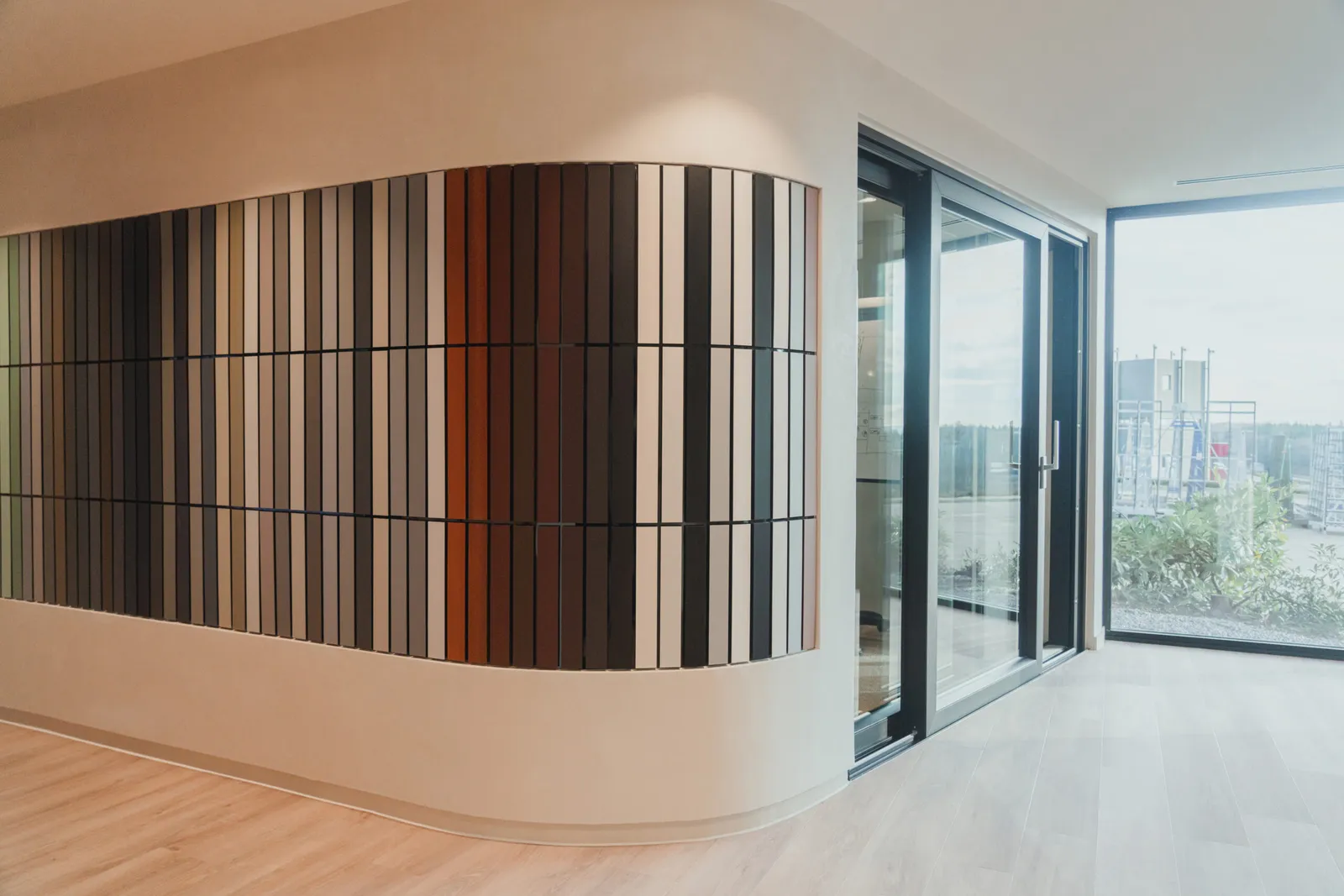
With a new 25,000 m² PVC factory in Transinne, Pierret is taking a major step towards further industrialisation. The investment of more than €100 million is intended to double production capacity over time. But a visit to both the new PVC site and the timber production facility in Malonne shows that the Belgian manufacturer’s strategy is not simply about ‘more machines’. Automation is there to take on the right tasks, while people remain key to flexibility and quality.
The scale of the new site in Transinne speaks for itself. The production hall is about 300 metres long and 60 metres wide, and is a key part of the ambition to double PVC production by 2035. Pierret announced the project in 2024 as an investment of more than €100 million. Production is now under way, and 50 additional employees have already been recruited, bringing the group’s workforce to around 600.
Pierret develops and manufactures its own high-performance product ranges at three specialised sites: PVC in Transinne, aluminium in Bertrix, and timber and timber-aluminium in Malonne. The group also has more than 300 partner distributors across France, Luxembourg, Switzerland and Belgium.
A factory designed around workflow
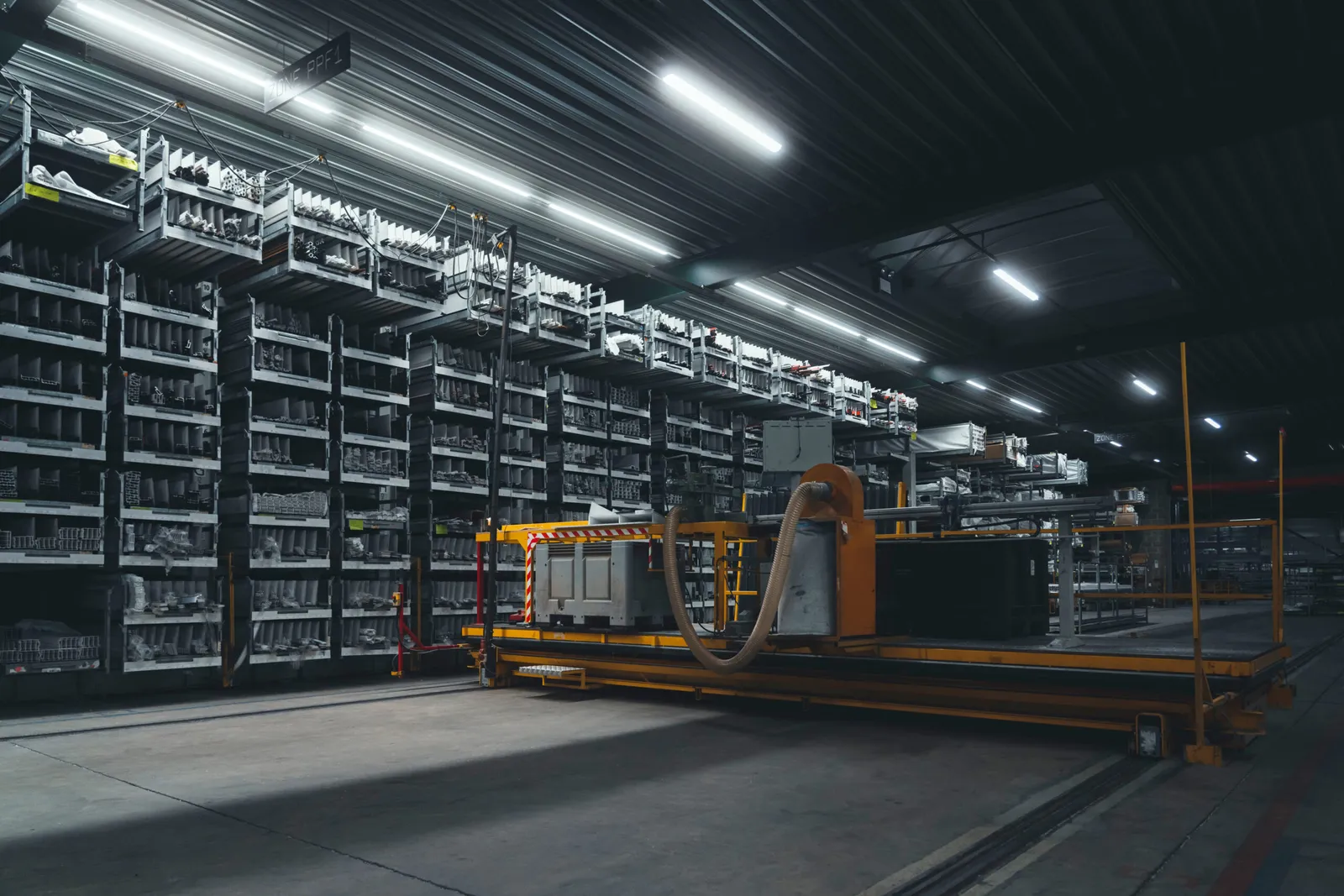
In Transinne, the logistics organisation is particularly striking. The facility was designed not only for today’s volumes, but also with a growth trajectory towards 2035 in mind. New machines and production lines can be added in stages as volumes increase. The aim, then, was not to install the theoretical maximum capacity from day one, but to build a factory that could grow with demand.
That thinking is reflected down to the smallest details. Production stations are digitally controlled, while buffers allow products to bypass certain workstations when no processing is required. This means operators do not have to handle components that require no work from them.
One of the most striking examples is the glass buffer. The system can store and automatically sort around 700 panes. The shuttles travel distances of up to 30 metres. To allow this freedom of movement, the building’s structure had to be adapted, with intermediate columns omitted.
The difference for the operator is just as important. Whereas heavy glass trolleys used to be moved manually, the system now brings the right glass to the right place. “Optimisation sometimes means working faster, but it can also mean reducing the strain,” the tour guide explained.
Technology for a better finish
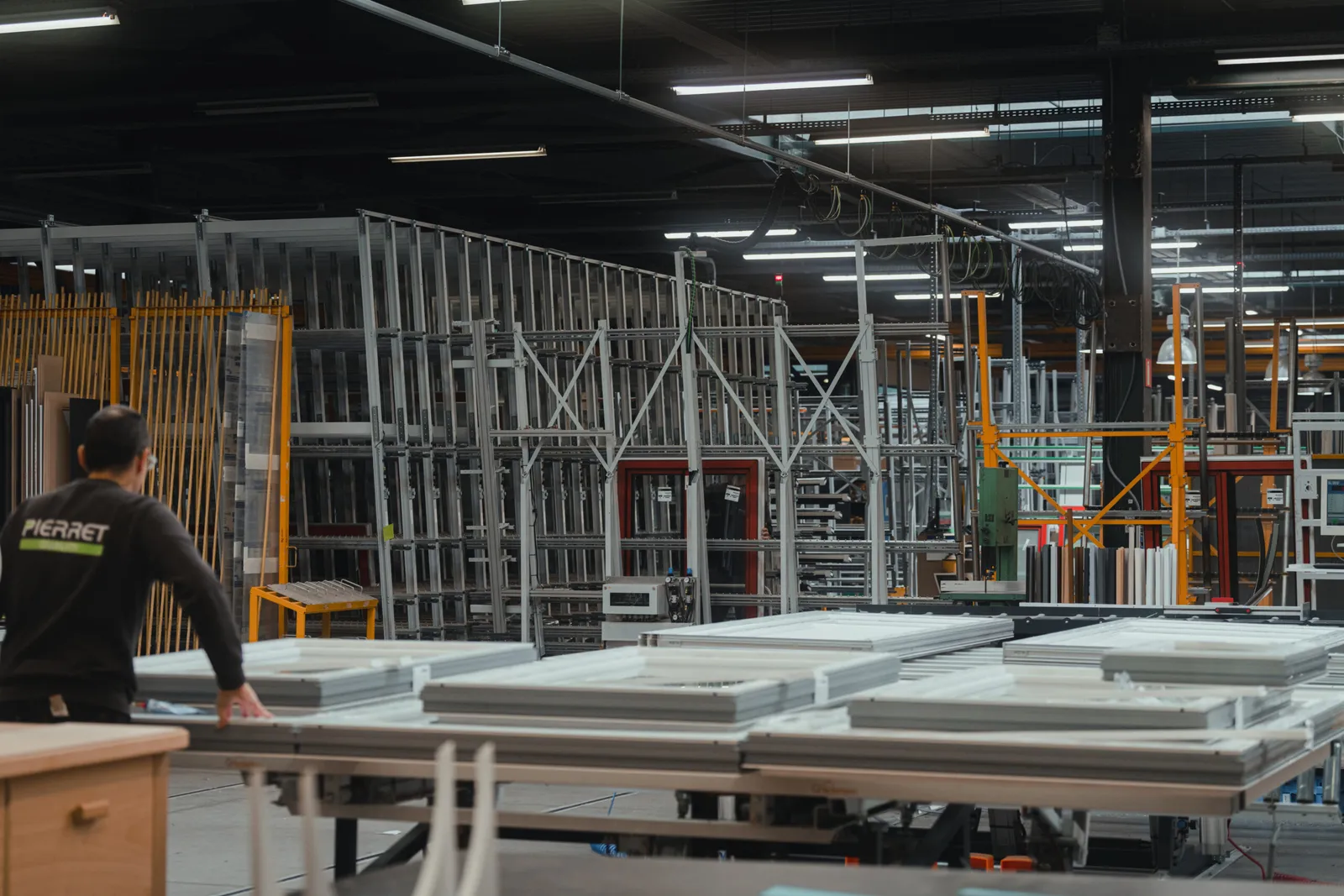
New eight-head welding machines also produce an almost invisible welded corner on PVC windows. Around 80% of the machinery in the new hall is new. Where possible, relatively recent equipment from the previous production site has been reused.
The glazing is also bonded directly into the PVC profile. According to Pierret, this improves the window’s rigidity and dimensional stability, and is one of the technical choices underpinning the manufacturer’s 20-year guarantee.
“After the machines comes the human touch”
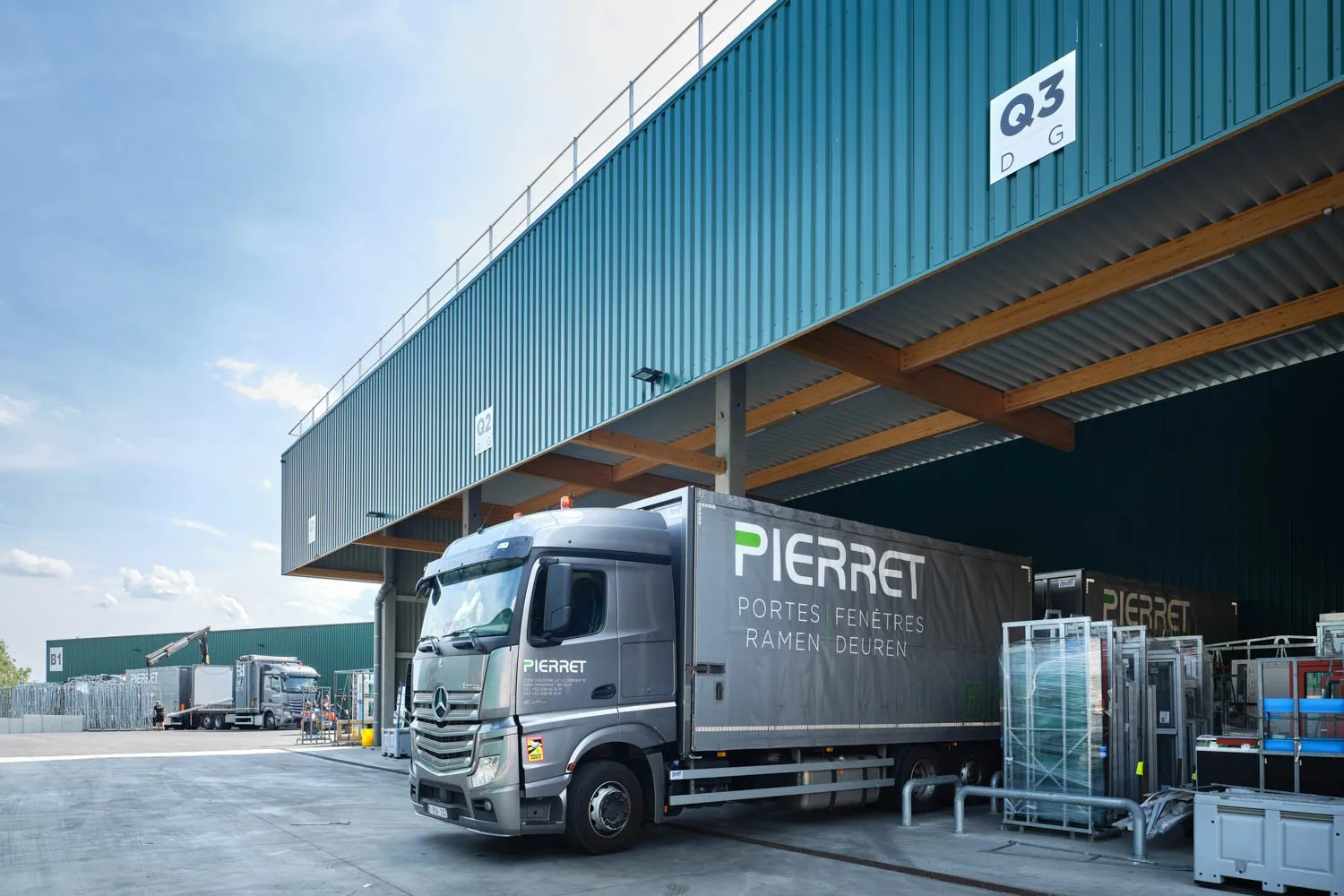
A visit to the timber production facility in Malonne presents an almost mirror image. Here, too, there are computer-controlled machines. One central installation, for example, has around 240 tools, selected automatically according to the profile required. Lasers check the timber components for length, width and thickness.
But once the finishing work begins, people take over for the most part. Frames are assembled and checked by hand, and the timber is extensively hand-sanded. Pierret has even replaced automatic sanding and painting systems it had previously used with manual work. According to the manufacturer, a machine cannot detect every natural defect in timber. “After the machines, it’s people’s work all the way,” was the summary during the visit.
Together, Transinne and Malonne illustrate two sides of the same industrial philosophy. Robotics, IT and automation are used where they can reduce repetitive tasks, physical strain and errors. But where a feel for the material, inspection and bespoke work are paramount, skilled workers remain in charge. It is no coincidence that Pierret describes its approach as ‘artisanat industriel’: industrial craftsmanship.
Een zakelijke vraag aan PIERRET sa? Get in touch
Who worked on it
Pvc-fabriek Transinne in Transinne
- manufacturer
 Pierret
Keep following this
Get an email when a new story is published. No account needed.
- ProjectPvc-fabriek Transinne
- SubjectGeneral
- CompanyPIERRET sa







