











“1 ha of hemp insulates a home every year”
Flemish construction supply chain commits to locally grown building materials
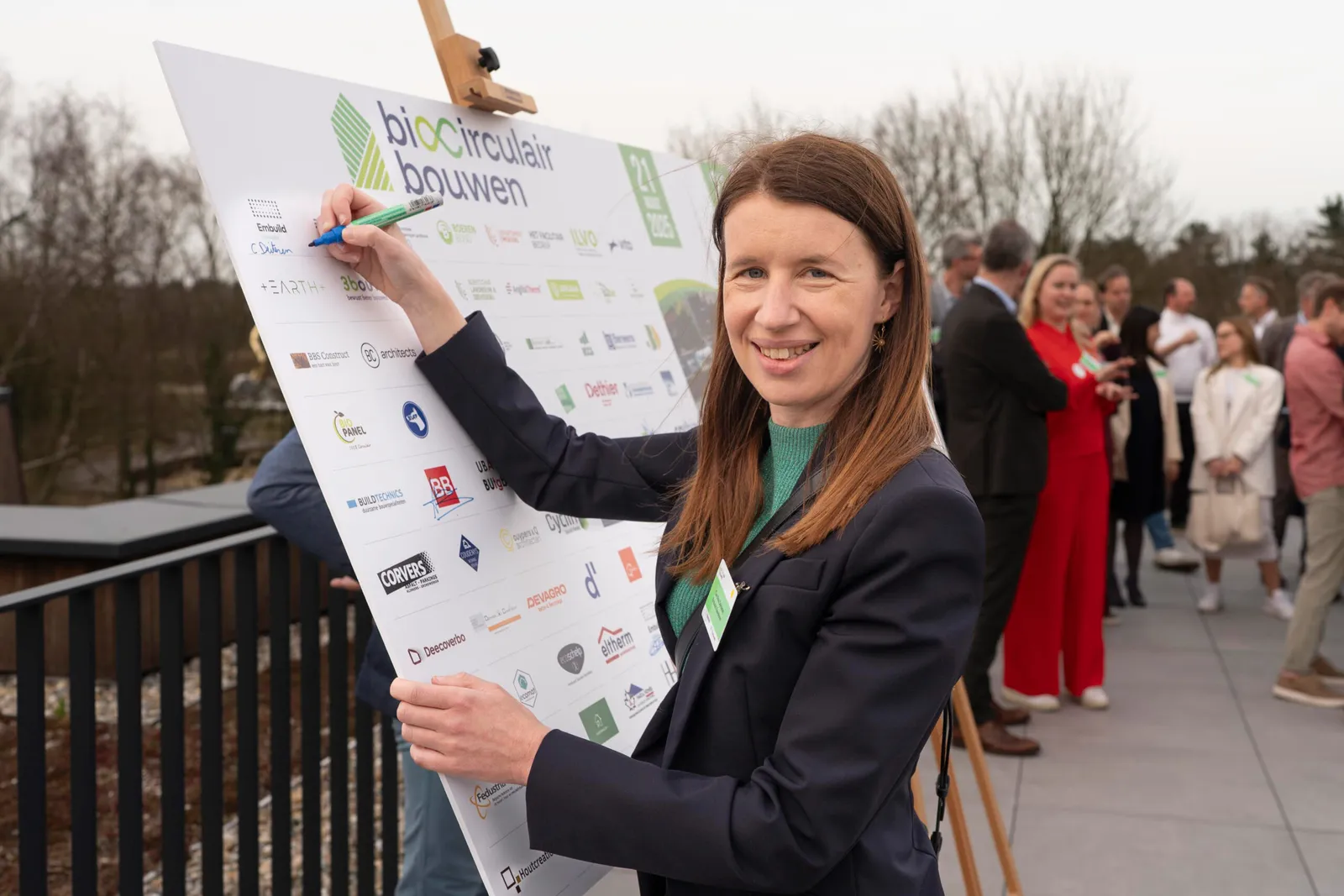
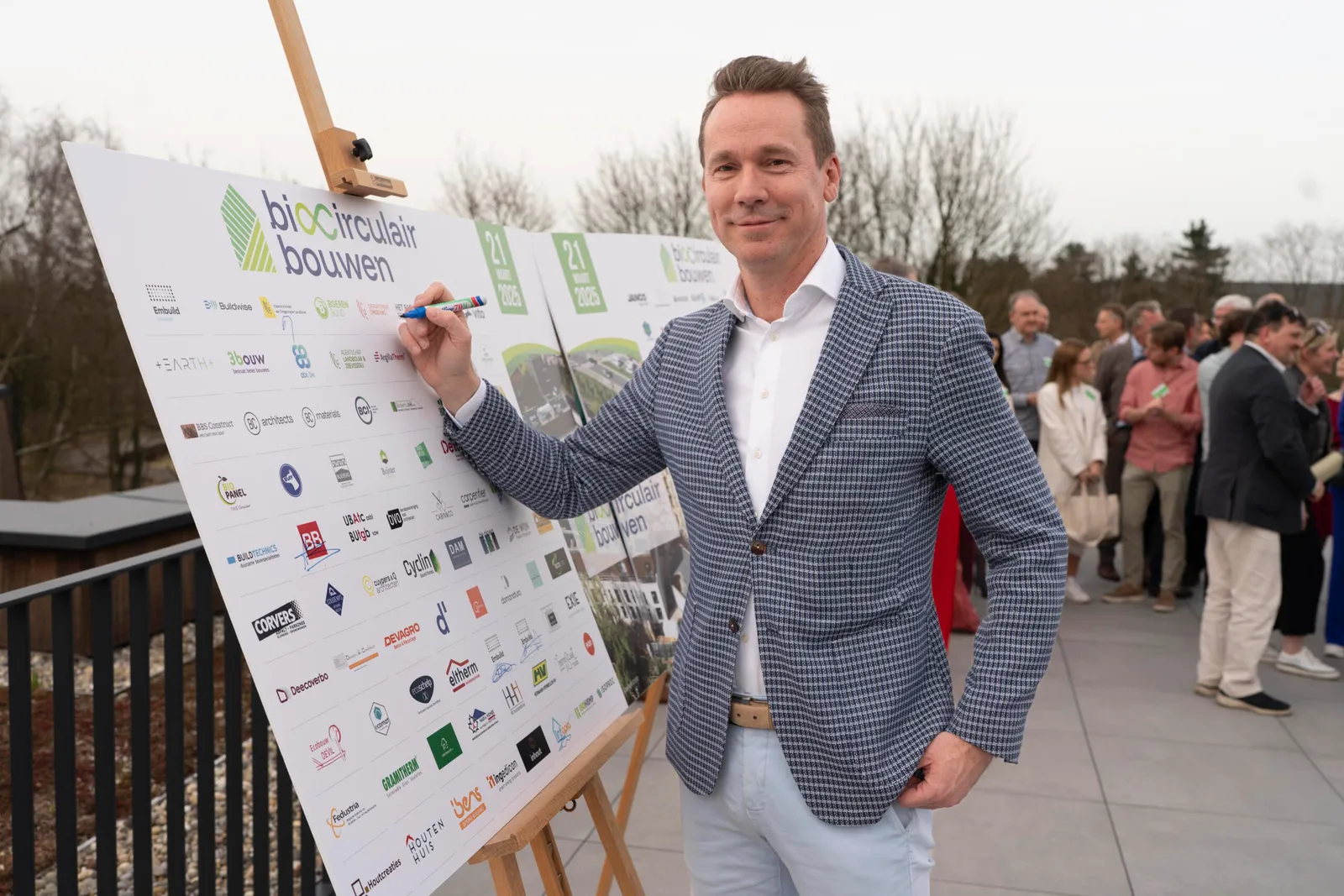
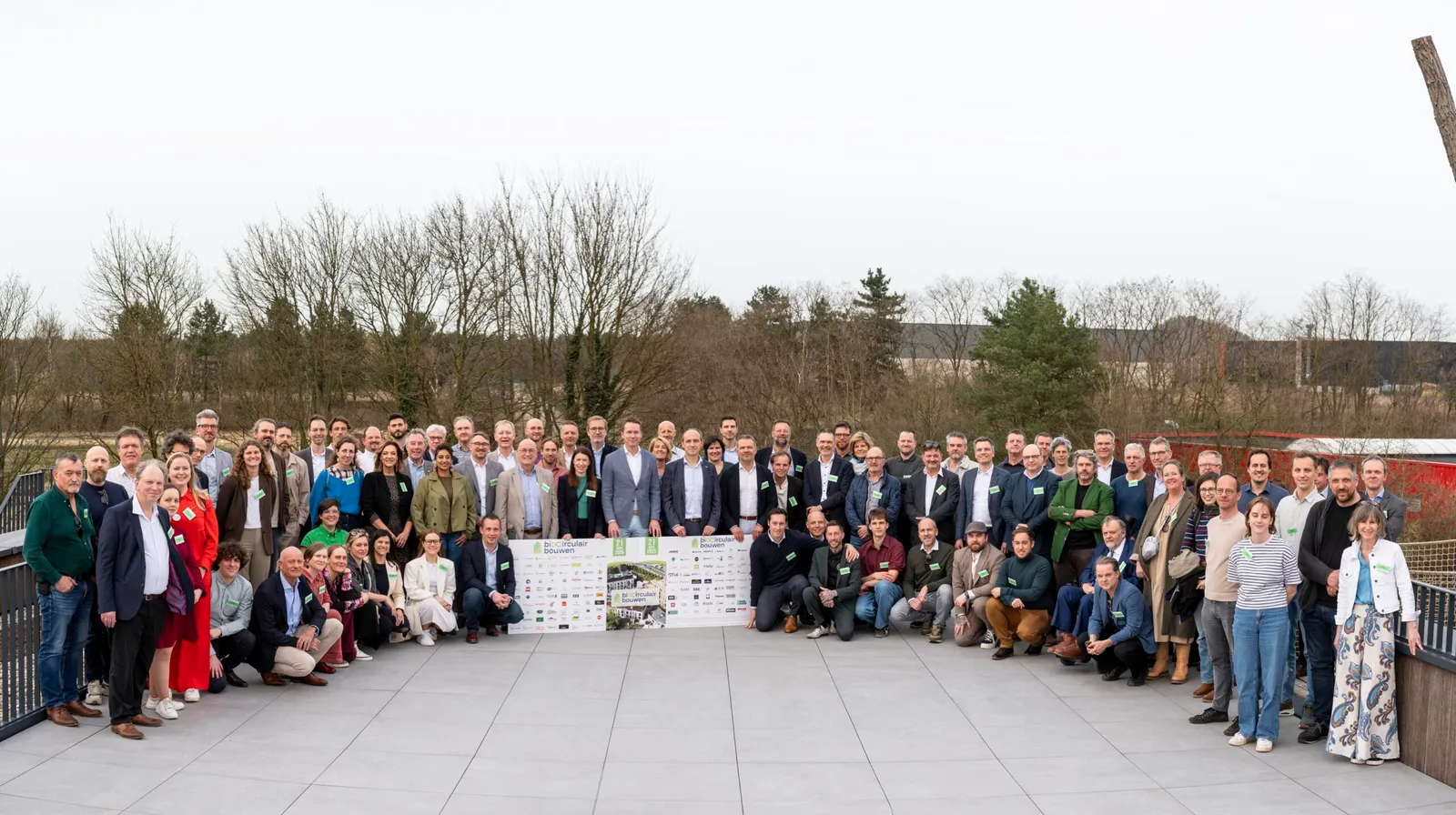
Within five years, we want one fifth of new-build projects to use bio-circular materials. This is the goal the wider construction supply chain has set itself by signing a new charter launched by construction federation Embuild Vlaanderen and Buildwise. 150 companies and organisations are backing the initiative: contractors, architects, clients, farmers (who grow the raw materials), materials manufacturers, environmental organisations, research and industry organisations, and others. Bio-circular materials are renewable, meaning they come from plants or other natural sources that require little energy to produce.
“The benefits for Flanders of building this way are considerable. Bio-circular materials are grown and produced locally, reducing our dependence on foreign supplies of raw materials. These materials can typically also be reused or recycled easily, giving them a high value. In addition, bio-circular construction allows us to store CO₂ in the production of building materials rather than emit it. The climate benefits are therefore significant,” says Caroline Deiteren, Director-General of Embuild Vlaanderen
Clean, renewable, local and free from global tensions
Well-known examples of bio-based materials include timber, CLT, hemp boards, flax, straw, paper flakes, wood wool, cellulose and cork. These materials do not deplete the earth’s resources, but come from natural sources and can be grown or cultivated again and again. Instead of buildings that emit CO₂, we can create a vast store of CO₂. Hemp-lime, for example, offers great promise for construction and insulation. It provides insulation, regulates humidity and creates a comfortable indoor climate. One example is the storage boxes at the Mechelen immovable heritage depot, which house artworks and fragile documents and are made from hemp-lime panels.
“Growing hemp removes huge amounts of CO2 from the air, around 10 times more than trees can, while hemp grows quickly and at high density. It also removes large quantities of PFAS and PFOS from the soil, making it an effective remediation solution,” says Elena Doms, CEO of +EARTH+. “Insulating an average home requires 1 ha of hemp. Local hemp production can easily provide insulation for more than 10,000 homes every year. This requires 10,000 ha of farmland and offers farmers a new, alternative source of income.”, adds Doms.
For the sector, bio-circular materials and concepts offer opportunities not only to dramatically reduce its environmental footprint, but also to further modernise and industrialise. Their use is also well suited to modular prefabricated construction methods.
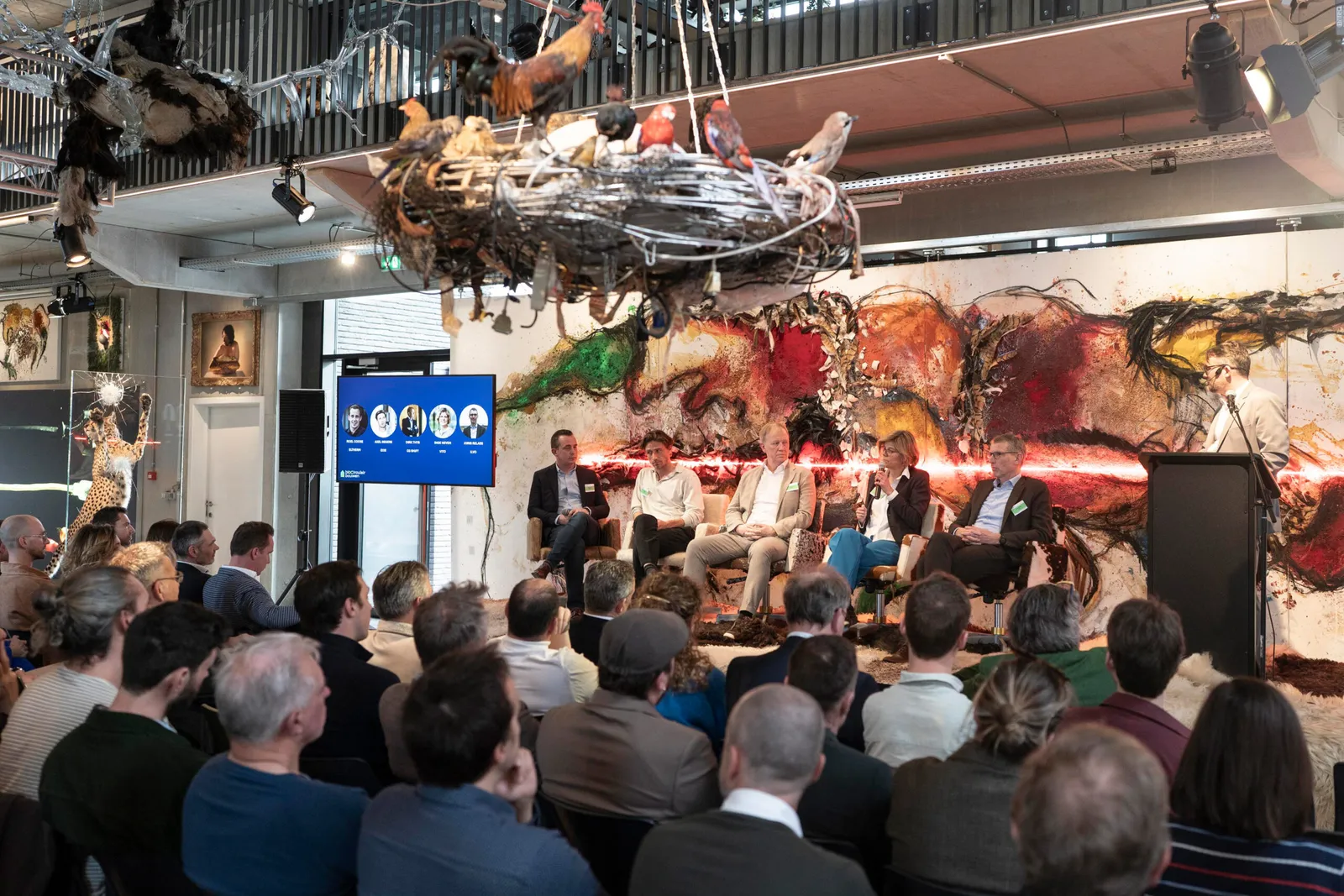
Launch event on 21/3 at LABIOMISTA with Minister Jo Brouns
To make bio-circular and sustainable construction the norm, we need to establish a local ecosystem in which every link works together: from farmer to producer, and from client to architect and contractor, with a focus on innovation. To accelerate this transition, Embuild Vlaanderen is launching its Charter for Bio-circular Construction in Genk on 21 March, together with the first hundred signatories. LABIOMISTA is the ideal setting. Created by artist Koen Vanmechelen, it is a place where sustainability, biodiversity and innovation come together. Future Garden recently opened there. This innovative CLT complex serves as a tapir enclosure and laboratory.
“At LABIOMISTA, we are creating a place where art, science, philosophy and ‘farmers’ common sense’ come together to inspire a new generation in the quest to create a more sustainable society,” says Koen Vanmechelen.
Inge Neven, CEO of VITO: “Europe is aiming for climate neutrality by 2050 and wants to become the leading authority on sustainable construction. We are convinced that bio-circular construction is one of the strategies that can make this transition a reality. At VITO, we are determined to play a key role in this transition. This charter closely aligns with our sustainability mission and vision, which is why we are signing it with full conviction.”
Minister for the Environment and Agriculture Jo Brouns is lending his support to the launch of the charter and will share his vision on 21 March. “The transition to a circular, climate-friendly economy offers tremendous opportunities for innovation and economic growth. This charter contributes to that shift by promoting more sustainable building materials and smarter production methods. It creates new market opportunities for farmers and ensures that building materials are not only environmentally responsible, but also contribute to long-term carbon storage. It also helps remediate contaminated land through phytoremediation crops such as hemp. These crops require fewer fertilisers, pesticides and less water, creating a win-win for both agriculture and the environment. A future-ready construction sector must embrace renewable, bio-based materials and more efficient use of raw materials, and this charter is a step in the right direction,” says Minister Brouns.
2030 as the first milestone
The signatories of the new charter aim to achieve tangible results within five years:
- By 2030, 20% of material choices in new-build projects must be bio-circular.
- Renovations should be carried out mainly using bio-circular materials.
- By 2050, Flanders aims to have a climate-neutral construction sector in which bio-circular materials are the norm.
“To meet this ambitious deadline, the sector needs a helping hand. That means not only more grants and funding for research and knowledge development, but also more training in installation techniques and swift certification of new bio-circular products. A recent survey of 100 construction companies found that half already have experience with bio-based materials such as hemp, cork and clay. 80% are already keen to use them and take targeted training,” says Deiteren.
Question about this story? Ask your question
Keep following this
Get an email when a new story is published. No account needed.
- SubjectGeneral







