











12Build: digital collaboration in the construction sector
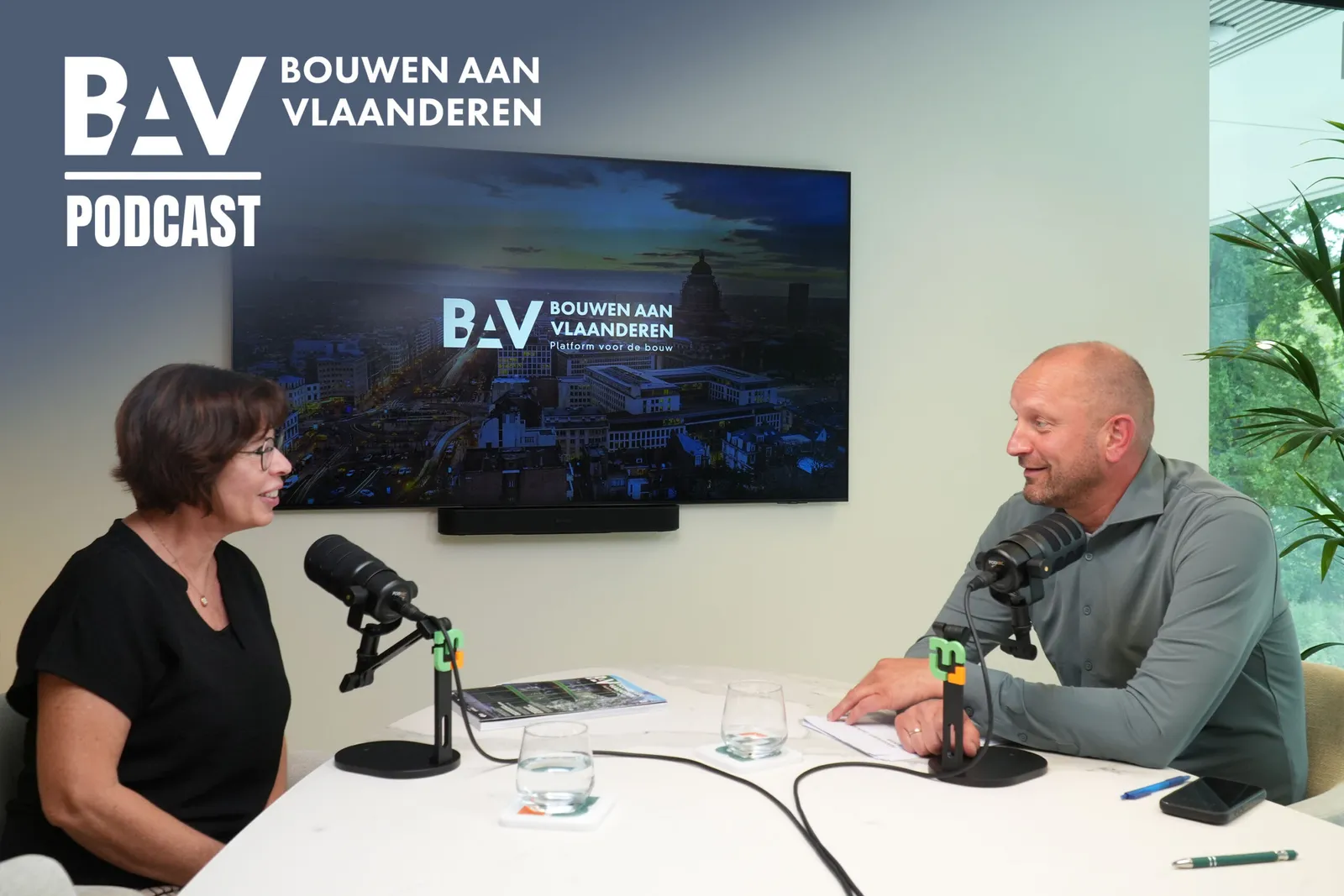
How can main contractors spend less time on requests for quotations, documents, follow-up and finding suitable subcontractors? 12Build brings these processes together on a single digital platform. Laurence Heijink explains how main contractors can select partners more effectively, gain a clearer overview of their projects and reduce the cost of errors. AI is also playing an increasingly important role in providing digital support for construction professionals.
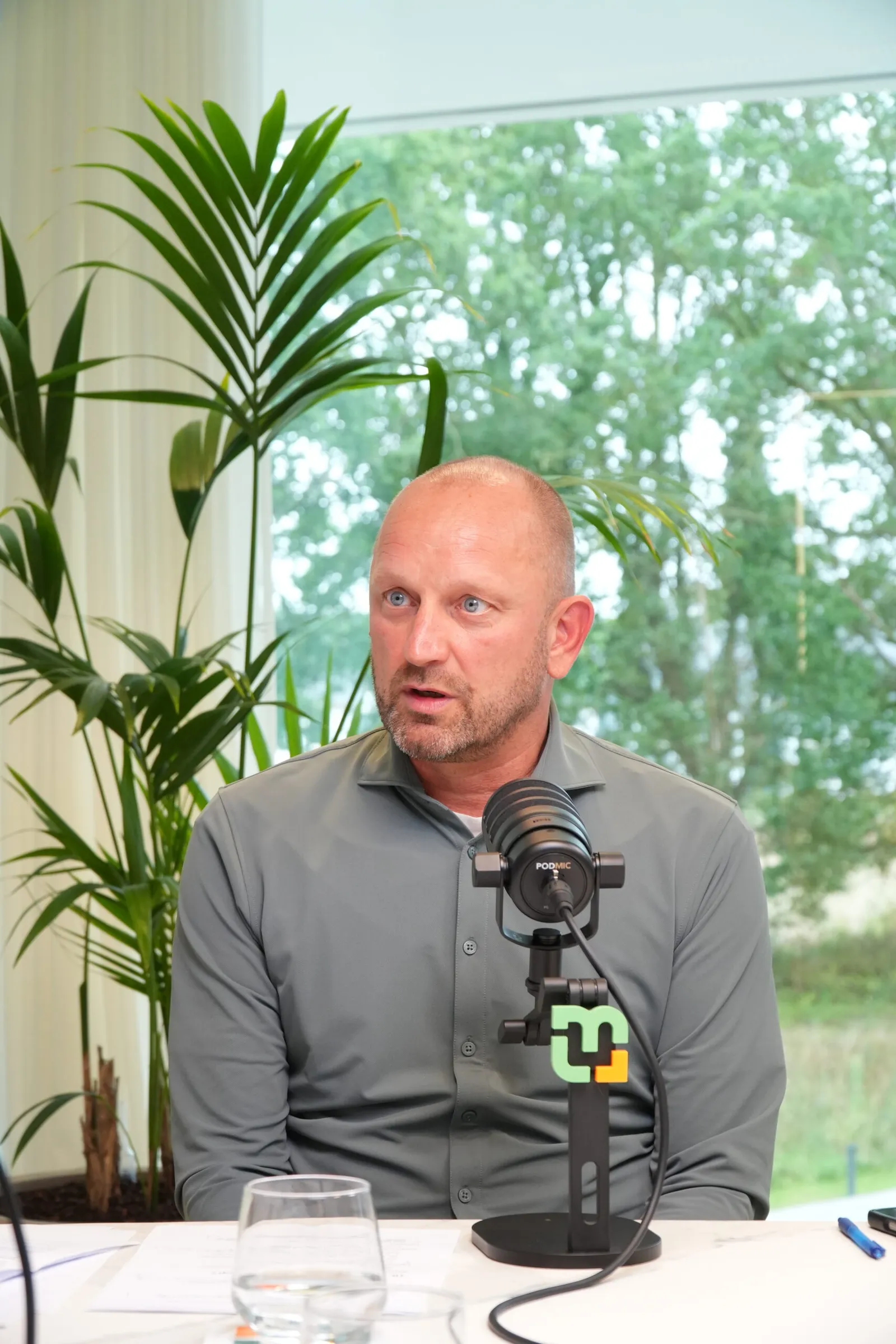
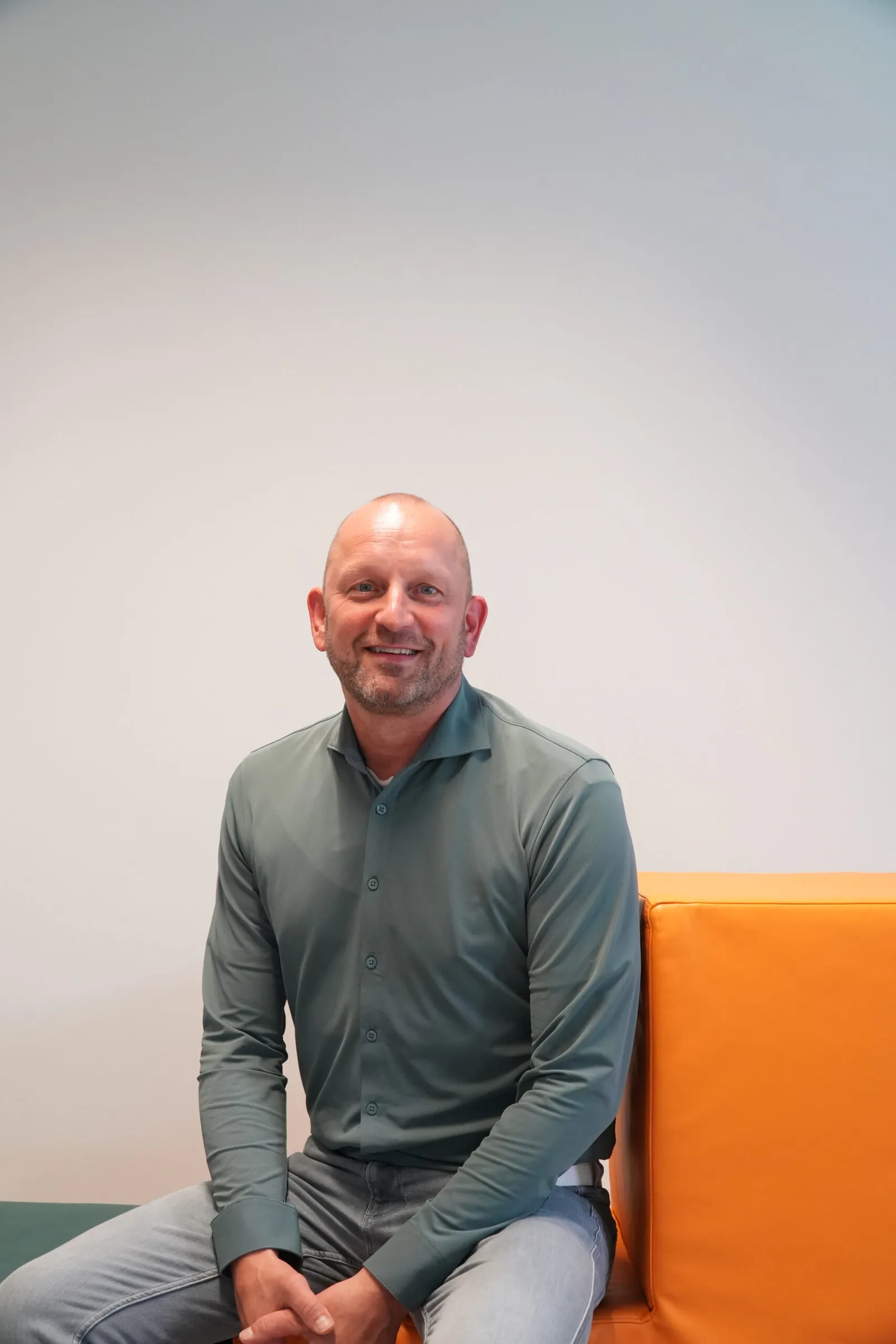
Speaker: Laurence Heijink, Senior Solution Expert Belgium & Netherlands at 12Build
Host: Els Goethals
Een zakelijke vraag aan 12Build? Get in touch
Full transcript
Alle hoofdstukken (10)
- Administrative preparation in construction
- Where is time lost?
- Finding the right subcontractors and suppliers
- 12Build brings the process together
- Benefits for subcontractors and suppliers
- AI as a digital colleague
- Control, time and the right partners
- Support and day-to-day practice
- The future of collaboration in construction
- Closing remarks
Administrative preparation in construction
Els Goethals Hello, listeners, and welcome to this new Bouwen aan Vlaanderen podcast. Time is money, especially in the construction sector. Every minute counts for the main contractor, even before the first brick has been laid. And there is plenty to organise: finding the right subcontractors and suppliers, requesting quotations, collecting documents, reviewing drawings and specifications, and keeping track of it all. Getting to grips with this entire administrative process. My name is Els Goethals. Today I’m discussing it with Laurence Heijink from 12Build. Welcome, Laurence. Does this sound familiar to you?
Laurence Heijink Hello, Els. Thank you for inviting me. Yes, that certainly sounds very familiar. And it’s good that we can discuss it. Construction is a dynamic market, so there’s a lot going on.
Where is time lost?
Els Goethals Let’s take a closer look at everyday practice. Where is most time lost?
Laurence Heijink A lot of it starts with preparing a project. There’s a great deal of manual work involved. You decide which trades and parties you need. Then you look for suitable subcontractors and suppliers and link the documents to the work packages. You request quotations, follow them up, receive documents and then try to keep everything together. As a project grows, the volume of information naturally increases too. Projects can also become more complex, partly because of regulations. Before you know it, you have multiple inboxes, phone calls, documents and different versions of documents. The main challenge is keeping track of it all.
Els Goethals So the problem isn’t just finding the right parties, but also everything that happens afterwards.
Laurence Heijink Yes, exactly. Finding the right subcontractors and the right parties is one part of it, but then the real process begins. Which version of the specification are you using? Which documents are complete? Which parties still need to be called? There’s all the follow-up that comes with it. These are all small tasks, but with several projects and dozens of parties, they soon add up.
Els Goethals It sounds quite fragmented, really. Why does the construction sector work in such a fragmented way?
Laurence Heijink Yes, you’re absolutely right. Everyone has their own way of working. One person uses Outlook, another uses the ERP system. Someone else uses Dropbox or [unintelligible], or a system they’ve developed themselves. Of course, all these systems are useful in their own right, but they aren’t always connected. Let alone secure enough. This leads to duplicated work, and it can be difficult to know which information is the most up to date.
Els Goethals And does this ultimately affect the project itself?
Laurence Heijink Absolutely. If information is missing or someone is working from an old version of a document, that can ultimately lead to errors, delays or extra costs. So the cost of errors goes up. It’s not just about administrative efficiency. Ultimately, it’s about maintaining control of the project.
Read the full transcriptCollapse transcriptnog 8 hoofdstukken
Finding the right subcontractors and suppliers
Els Goethals I understand. Let’s go back to the beginning. A main contractor has a project and knows which trades are needed. How do they find the right parties?
Laurence Heijink It’s quite labour-intensive. You have your existing relationships, of course, but you also want to know which other parties are available. You search by expertise, region and capacity. Do they have KBO accreditation? The relevant classification, for example, and other such criteria. Then you approach several parties and wait for a response. The challenge is that you want to reach as many suitable parties as possible, but you also don’t want to resort to a scattergun approach, sending out requests for quotations to everyone. That takes a huge amount of time and follow-up, and it can also be a bit of a waste of effort. I mean, not all requests are relevant. For example, do you filter by distance from the project?
Els Goethals Yes, exactly. You put it very well: a scattergun approach. So I take it that too many requests can mean unnecessary time and effort being spent on quotations that are ultimately wasted.
Laurence Heijink [Unintelligible], it creates a bit of noise, for both the main contractor and the subcontractor. The main contractor wants to receive relevant quotations, while a subcontractor wants to receive requests that suit their business. So it’s all about relevance. With a high volume of requests, there’s a greater chance of a low response rate, and of the quality being lower too. Subcontractors become overloaded and send back few quotations, or quotations that are late or incomplete. During the estimating phase, as it’s often called, when a price is requested, is there really a chance of winning the work? So it’s not about reaching as many parties as possible, but about finding the right ones. That also helps a business win a project. So yes, I’d say focus on building that collaboration.
12Build brings the process together
Els Goethals I’m sure that sounds very familiar to our listeners. And this is exactly where 12Build comes in. What does it actually do for a main contractor?
Laurence Heijink 12Build helps bring the processes around a project together in one central place. You can manage projects, get an overview of the required works and work packages, find suitable subcontractors and suppliers, and organise communications and documents relating to those requests. This gives you a much clearer overview of what’s happening within a project.
Els Goethals Am I right in thinking that 12Build is much more than just a platform for sending out a request for quotation?
Laurence Heijink Very perceptive, Els. Yes, absolutely. It’s much more about organising collaboration around a project. The aim is also to reduce the time main contractors spend searching, collecting, chasing and checking, and to give them more control over the process. That helps reduce the cost of errors and ultimately increases procurement savings too.
Els Goethals All right, let’s make it more concrete. Suppose a main contractor wins a major renovation project in Antwerp. Several trades are needed. How exactly does the process work?
Laurence Heijink Well, let’s look at a small part of that process. You start by identifying the different trades or work packages. Then you want to know which parties can carry out the work. You select parties and send out requests. Next, you collect quotations and documents and, of course, compare them. And that gives you a glimpse of what comes later: you can carry out analyses. If you do all that through separate channels, it quickly becomes an administrative challenge.
Els Goethals What questions might a main contractor ask at that point?
Laurence Heijink Oh, there are lots. Who has responded? Who do I still need to remind? Which quotation is complete? Which party has the right expertise? Which documents have been included? And what information has changed in the meantime? That’s an important one too. With one project, you may still be able to keep track of everything. But when you have several projects running at the same time, it gets really complex. It becomes a challenge.
Els Goethals Exactly. And 12Build can bring structure to that.
Laurence Heijink Yes, it brings the project, the work, the parties involved and the relevant information together much more effectively. For example, you can generate document lists. This gives you a clear overview of the entire process.
Benefits for subcontractors and suppliers
Els Goethals All right. Laurence, we’ve mainly been talking about the main contractor. But of course there’s another side to this: the subcontractor and supplier. What’s in it for them?
Laurence Heijink Yes, that’s right. It’s also more of a community that you can [unintelligible] into. And for subcontractors too, it ultimately comes down to relevance. A subcontractor wants enough work, of course, but not every request will suit their expertise, region, capacity or schedule. All those factors matter. [Unintelligible] companies and subcontractors can showcase their expertise, making it easier for main contractors to find them. For example, they can filter the database by distance from the project. Do they have KBO accreditation? What is their expertise? Are they willing to prepare estimates? What is the financial health of those parties? This makes it easier to match supply with demand.
Els Goethals So both parties spend less time searching, really?
Laurence Heijink The main contractor can search more effectively for the right parties, while the subcontractor can be more visible to projects that suit them. In other words, they receive relevant requests.
Els Goethals Laurence, I keep hearing the word ‘overview’. Why is it so important?
Laurence Heijink An overview matters because time is incredibly valuable in construction. If employees spend every day searching for documents, checking who has responded, sending reminders, [unintelligible], they have less time left to focus on the project itself. A central overview, working with dashboards, a real-time overview. It’s simply about being able to see the status more quickly and what action, if any, is needed.
Els Goethals So, in effect, spending less time organising information means having more time to work on the project itself.
Laurence Heijink Yes, exactly. That’s very clear.
AI as a digital colleague
Els Goethals What about AI, a development we can’t ignore these days? You also use artificial intelligence within 12Build. What does that mean in practical terms for construction professionals?
Laurence Heijink Yes, AI is definitely something we can’t ignore. I say: embrace it. Construction professionals receive enormous amounts of information. Think of specifications, bills of quantities, drawings, documents and appendices. It takes a huge amount of time to review all that information in full each time. AI can help, or rather, provide support by making it quicker to understand documents, find important information and assess it. That also means being able to analyse those documents and assess whether a project might be relevant. So you gain more insight.
Els Goethals Interesting. Can AI guide or override certain decisions?
Laurence Heijink Exactly. You really use it as your digital colleague. AI certainly won’t replace construction professionals. No, it’s mainly there to support them. It’s your digital colleague. It helps you find the information you need more quickly, so you can make better decisions faster. I do think AI is not the primary goal, but a supporting technology. It makes processes smarter and more efficient.
Control, time and the right partners
Els Goethals It’s a lot to take in. Looking at all of it together, what would you say are the three main benefits for a main contractor?
Laurence Heijink Can I only name three? I’d say control, time and the right partners. By control, I mean having a better overview of your projects and the parties involved. Time means less manual searching, gathering and following up. And the right partners, because you can search a database more selectively for subcontractors and suppliers that are a good fit for the project. Ultimately, you also want to secure procurement savings.
Els Goethals Those are indeed three clear benefits. And how exactly does it work in practice? Should I think of it as a cloud-based programme? Is it software you buy as a package, or is it tailored to the customer?
Laurence Heijink Yes, exactly. Cloud-based means SaaS, as we call it: Software as a Service. A cloud-based collaboration platform makes it much easier to work with different parties. You always have the latest information in the same environment. This means teams, and internal handovers, for example, can move much faster and work together more efficiently, while errors and the costs of rework are reduced. You also build up a lot of data in a cloud-based portal, of course, through that community. And that data gives you ever greater insight into suppliers, prices and other projects, for example. You can then use it to make good decisions and start procuring more intelligently in the short term. Ultimately, that gives you a procurement advantage. So you move from simply collaborating digitally to working ever more intelligently, based on the data you build up together.
Support and day-to-day practice
Els Goethals OK. Suppose a user has a technical problem. Can they contact you for technical support?
Laurence Heijink Absolutely. We devote a great deal of attention to support. We have a support team that can always be reached in a number of ways, using the latest technology, but we also make sure to meet in person. We also provide training and guidance, and we’re sharing more and more information with both main contractors and businesses.
Els Goethals That’s all great. And what does that mean in day-to-day practice?
Laurence Heijink Quite simply, it means spending less time on administration and more time actually preparing and delivering projects.
Els Goethals And why is this particularly important for the Belgian construction sector right now?
Laurence Heijink I’m not sure it’s specific to the Belgian construction sector, but construction projects are becoming increasingly complex in Belgium too, and the volume of information keeps growing. At the same time, capacity remains scarce. There’s a lot of pressure on schedules and margins. That makes it important not just to work harder, but above all to work smarter. To organise your work and find ways to collaborate better.
Els Goethals So the answer isn’t necessarily more communication, but better communication.
Laurence Heijink Yes, and above all, having the right information reach the right person at the right time.
The future of collaboration in construction
Els Goethals Laurence, looking five years ahead, what do you think collaboration between main contractors, subcontractors and suppliers will look like?
Laurence Heijink Unfortunately, I don’t have a crystal ball. It would be very useful, in my personal life too. But for now… I think we’ll continue to collaborate digitally to an even greater extent. Fewer individual emails and documents scattered across different places. More centralised information. Better matching, above all. And increasingly, support from data. That data will also come from AI, of course. We’ll certainly notice that. Construction professionals will spend less time on administration and, I think, have more time for what really matters: delivering projects.
Els Goethals Might the future of the construction sector be less about who is the cheapest, and more about who we can work with most effectively?
Laurence Heijink Yes, I really think so. I believe this is an important development. Price will always matter, of course, particularly in public works, where the lowest price is often the deciding factor. But reliability, expertise, capacity and quality, and above all, I think, the way you work together, will be just as important.
Els Goethals To sum up our conversation, 12Build is about more than just software. Above all, it helps main contractors gain greater control over their projects and the entire process. And, on the other hand, it helps connect subcontractors and suppliers more effectively with the right projects and main contractors. Moving from searching through different inboxes and systems to greater structure, visibility and collaboration.
Laurence Heijink That’s a wonderful summary, Els. I’ll see if there are any vacancies at 12Build. You’re a fast learner. Yes, that’s exactly what it’s about. Ultimately, it’s about more than just technology in construction. We now do this with, I think, more than 800 main contractors and 350,000 subcontractors, and of course with the knowledge of 83,000 users. That’s very important too. By talking to them, we gather a great deal of information, which we use to feed our system. We now operate across five countries.
Closing remarks
Els Goethals That’s impressive. And perhaps just as impressive is the time every construction professional can save by working with 12Build. Maybe that’s the most important question for every construction professional listening to this podcast: how much time are we spending today searching, emailing and chasing information, when we should really be spending that time building? Laurence, thank you for your time. This was Bouwen aan Vlaanderen. Thanks for listening, and see you in the next episode.
Laurence Heijink My pleasure, Els.
Companies in this story
Keep following this
Get an email when a new story is published. No account needed.
- SubjectGeneral
- Company12Build







