











2023: the year of energy-efficient renovations
How to renovate an energy-guzzling home while taking stricter energy requirements into account
Belgium has high ambitions when it comes to using energy more efficiently. It must reduce its CO₂ emissions by 80 to 95% by 2050. In other words, all homes must be energy-efficient by 2050. Belgium has around 4.5 million homes, of which approximately 60% are not or insufficiently insulated. There is still plenty to do. This is leading to a raft of new energy-saving measures for the residential sector and extensive renovation work. The impact of an insulated external wall on a home’s energy efficiency should not be underestimated. Sto aims to contribute to the net-zero emissions plan for 2050 by offering solutions that improve energy consumption management and reduce greenhouse gas emissions. What will change for prospective buyers from 2023?
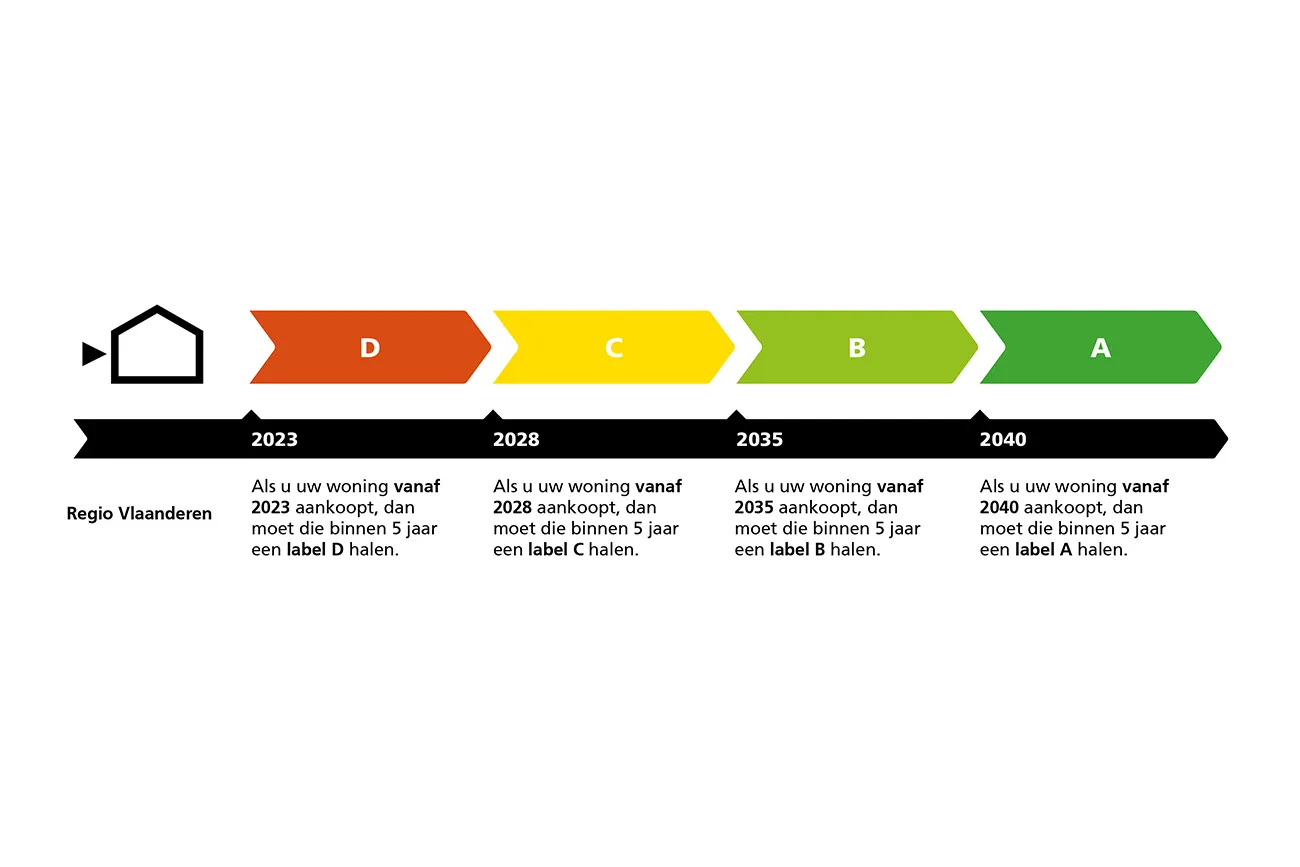
Stricter energy requirements in Flanders: it all starts with the energy performance certificate (EPC label)
Since 1 January 2023, Flanders has had a renovation obligation for buyers of energy-guzzling residential properties. New owners must carry out energy-efficiency renovations within 5 years of transfer of ownership of a home with EPC label E or F, bringing it up to EPC label D (between 400 and 300 kWh/m2 per year). An EPC label is mandatory when selling a property. It gives buyers an indication of the building’s energy efficiency. With the new renovation obligation, Flanders aims to transition fully to homes with energy label A by 2050. When buying a home, therefore, take its energy efficiency into account and set aside the necessary budget for energy-efficiency renovations.
A type A energy expert prepares the certificate. During a site visit, they assess factors including the level of insulation, the heating system and the use of renewable energy. A government tool allows you to calculate an indication of the home’s energy efficiency yourself: Test your EPC | VEKA (energiesparen.be)
The importance of good façade insulation
As well as roof insulation, high-quality façade insulation has a positive impact on a home’s EPC score. This was demonstrated in an earlier study by Pixii, an independent scientific research institute that supports construction professionals, and Sto, an expert in façade insulation.
For the study, Sto and Pixii examined the energy rating of a detached home dating from the 1960s and compared it after insulating the building envelope. Before renovation, the home had energy label F, equivalent to consumption of 566 kWh/m2 per year. This is also representative of many Belgian homes. By installing external wall insulation alone, the home’s energy efficiency improved to label D, 329 kWh /m2 per year. In this way, the home saves 237 kWh/m2 per year.
Grants and subsidies, renovation loans
The government offers support measures such as Mijn VerbouwPremie, through which people building or renovating can receive a grant when installing new external wall insulation. They are also eligible for the grant if they finish the external walls with cladding or render, provided this is combined with the installation of external wall insulation.
Sto believes these measures will have a positive impact on the transition to more energy-efficient homes:
“The major step towards sustainable living has now clearly been taken. The home of the future is well insulated, and high-quality façade insulation is an effective way to save energy. Support measures such as grants and subsidies are there to lower the barrier”, says Alexander Rickert, product manager at Sto.
Find out more about Mijn VerbouwPremie at: Mijn VerbouwPremie for external walls | Vlaanderen.be
An energy-efficient home means lower energy bills and CO2 emissions
Alongside financial support measures, a home with façade insulation offers greater living comfort, lower CO2 emissions and lower energy bills. Façade insulation reduces the demand for heat, meaning less energy is used to heat the home.
“A high-quality insulation system is an investment, but it pays for itself over time”, says Alexander Rickert, product manager at Sto.
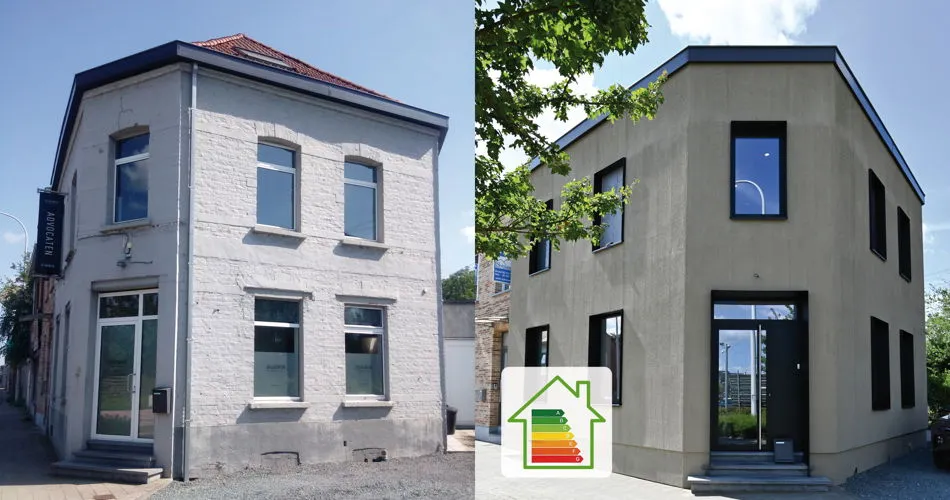
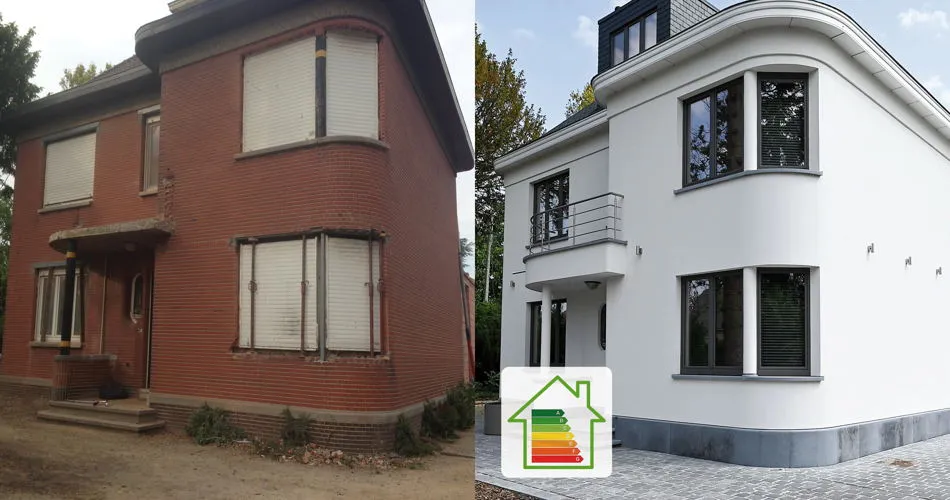
Sto offers a range of façade insulation systems, with suitable solutions for both new-build and renovation projects. Once the insulation has been installed, a personalised façade finish such as decorative render or brick slips gives the home a new look. In addition, a home’s energy efficiency is playing an increasingly important role in determining its value. An insulated home has a higher market value and is future-proof.
Find out more about Sto’s façade insulation on the website: www.mijngevelisoleren.be
What about Wallonia and Brussels?
Since building stock in Belgium is a regional matter, the legislation differs from one region to another. The regulations outlined above apply to Flanders. The question is whether Wallonia and the Brussels-Capital Region will follow suit or introduce different rules, and when this will happen. Brussels and Wallonia currently have strict energy-saving requirements, including mandatory ventilation and insulation standards and a requirement for a certificate. Brussels has the EPB certificate (Energy Performance of Buildings), while Wallonia has the PEB (Performance Energétique des Bâtiments).
In Brussels, Renolution is the government’s renovation strategy, intended to help the region achieve its ambitious climate targets, primarily through financial support and guidance for renovation projects.
Find out more about the 2023 Renolution grants at 2023 RENOLUTION grants | Renolution
Wallonia requires an energy audit of the home before a grant can be applied for. This must be carried out by an approved auditor, who lists all the work that must be completed. The auditor also calculates the energy savings achieved by the building as a result of the work.
Find out more about the energy audit at L’audit Logement: Site énergie du Service public de Wallonie
Question about this story? Ask your question
Keep following this
Get an email when a new story is published. No account needed.
- SubjectGeneral







