











A new step towards sustainable construction projects
Text Wendy ThijsImage BCCA
Sustainable Joinery 2.0
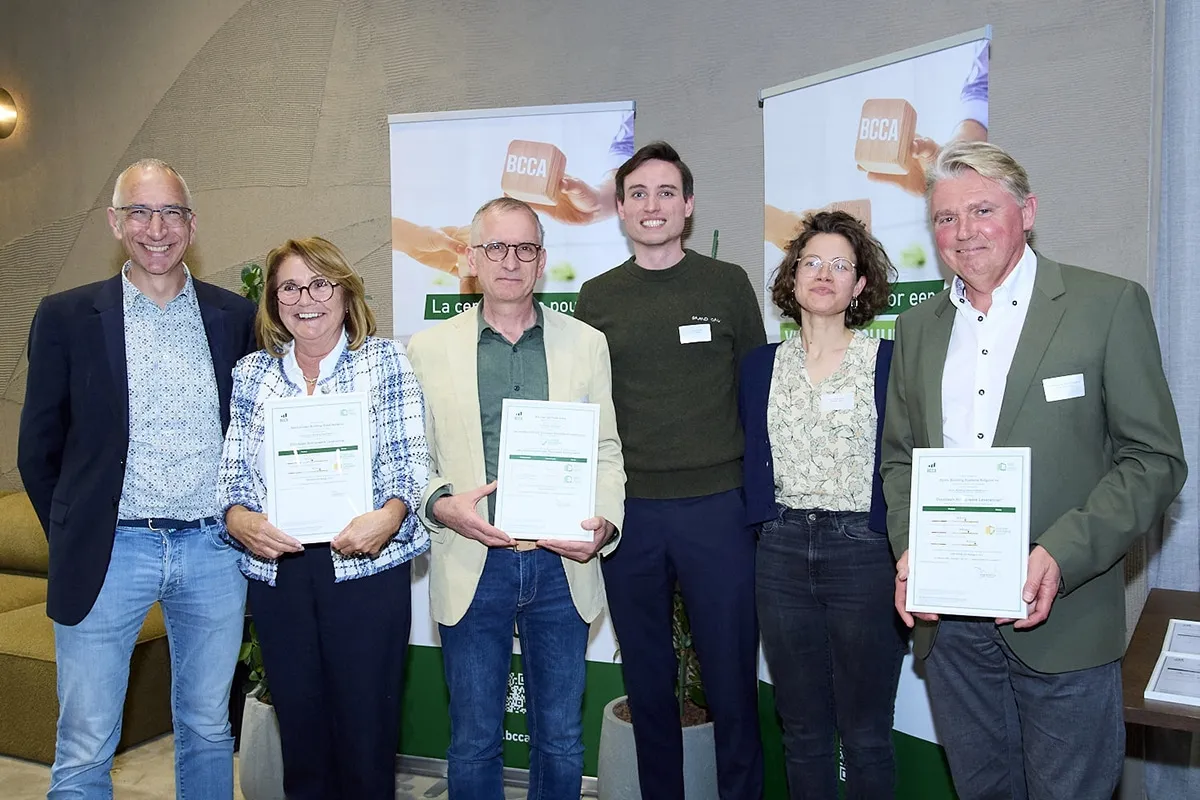
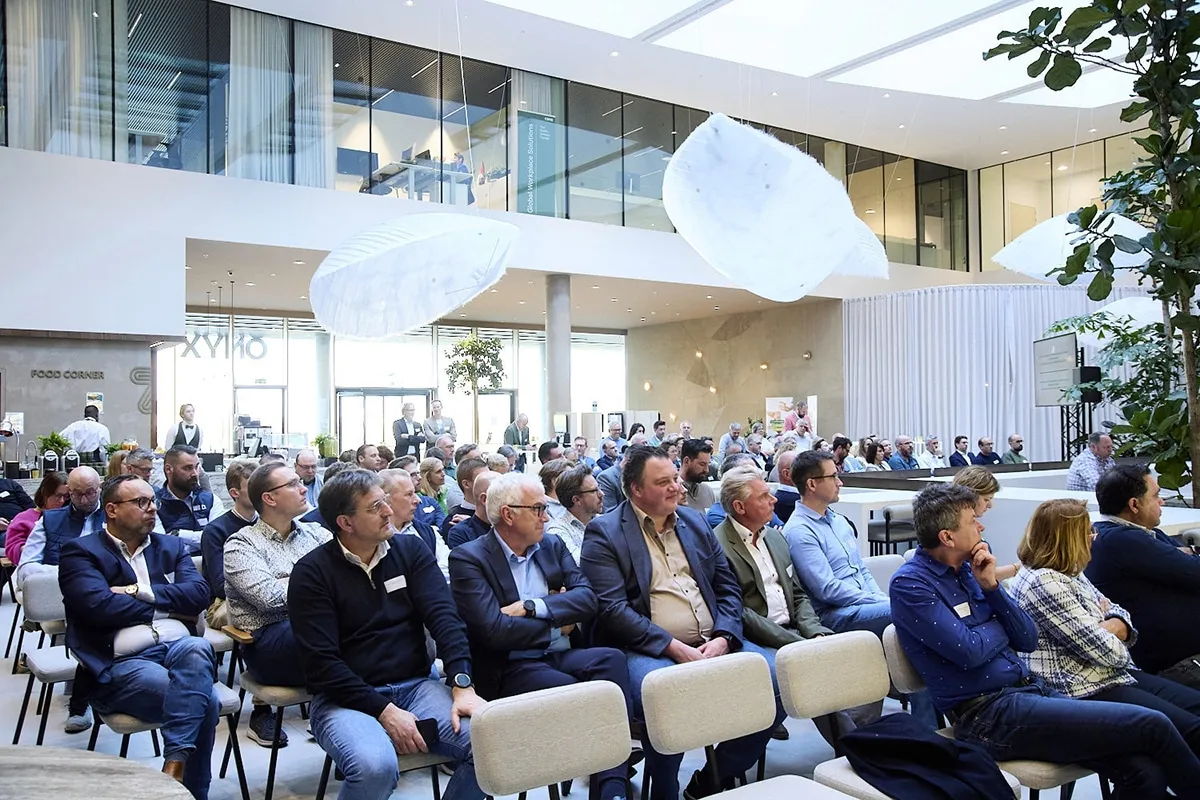
On 27 March, the Belgian Construction Certification Association (BCCA) unveiled the revamped Sustainable Joinery 2.0 label. It is designed to showcase the sustainability efforts of businesses in the external joinery sector. The first companies to successfully complete the process also received their certificates at the event.
The Belgian Construction Certification Association (BCCA) aims to give sustainability as much priority in future as quality and safety. “We want to contribute to a future in which sustainable materials and processes are the norm, not the exception,” says Olivier Delbrouck, director general of BCCA, at the start of the evening.
The idea for the label emerged in 2017, when Fabribois raised the alarm after a case of unfair competition involving a foreign company. For the first time, various stakeholders looked at how they could highlight the efforts made by Belgian companies to comply with standards. At the request of Embuild Wallonie and with the support of the Federation of Aluminium Constructors (FAC), BCCA developed a certification system for sustainable windows, doors and façade systems made of timber, aluminium or PVC.
When the label was launched in 2020, it was primarily a voluntary declaration of commitment. It proved difficult to include it in specifications. Following an extensive consultation process, a new certification system has now been introduced, focusing on an objective assessment of sustainability. It is better suited to conditions on the ground and can be readily included in specifications.
A sustainable lifecycle
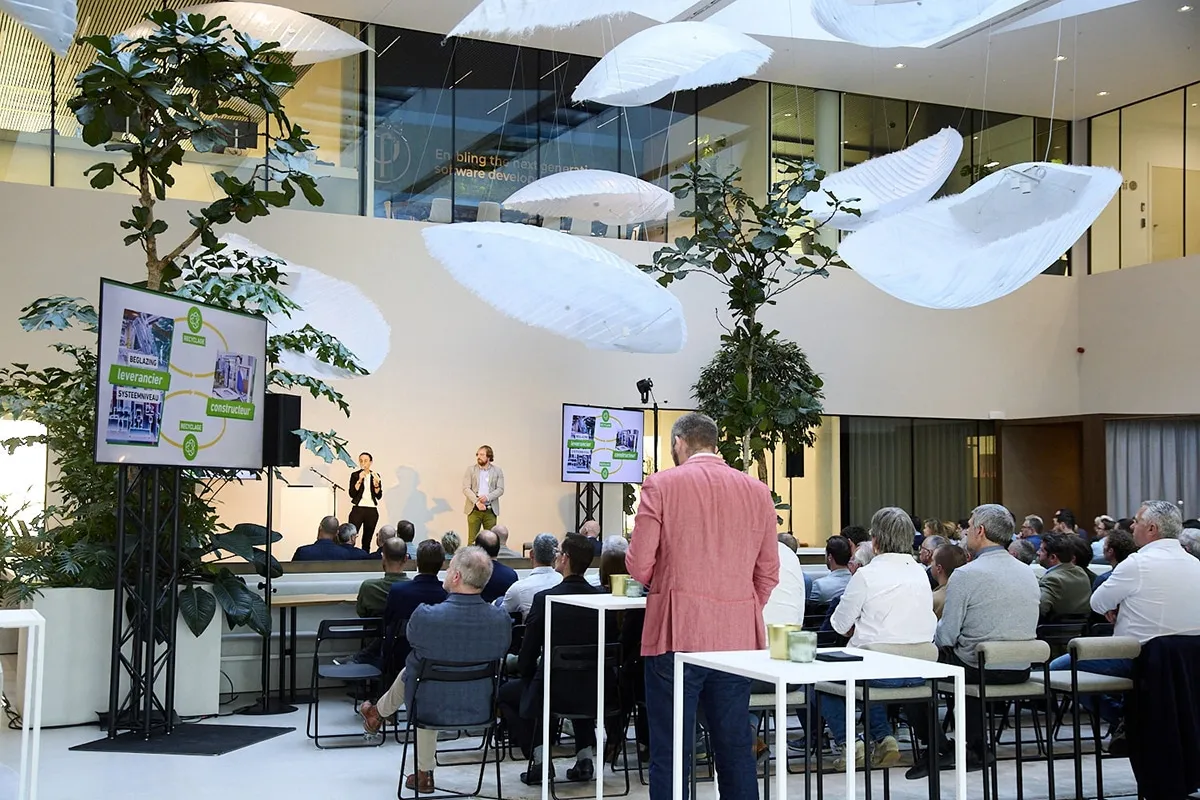
The quality of the joinery comes first, but the environment and social responsibility also play a part. The entire value chain is mapped, from raw material suppliers through the production process to the finished product. There are three certificates: a product certificate for sustainable products, a company certificate for sustainable production processes, and a supplier certificate for sustainable raw material suppliers.
The sustainability level of a company and its products is determined based on scores across more than 150 criteria. Bronze is within reach, silver requires considerable effort, while gold is reserved for true frontrunners. “This graduated approach is a major advantage for the many SMEs in the sector,” says Luc Mohymont, vice-president of Embuild Wallonie and director of EMAC Belgium. “The first level is achievable even for smaller companies. From there, they can progress to silver and gold at their own pace.”
A sustainability pioneer
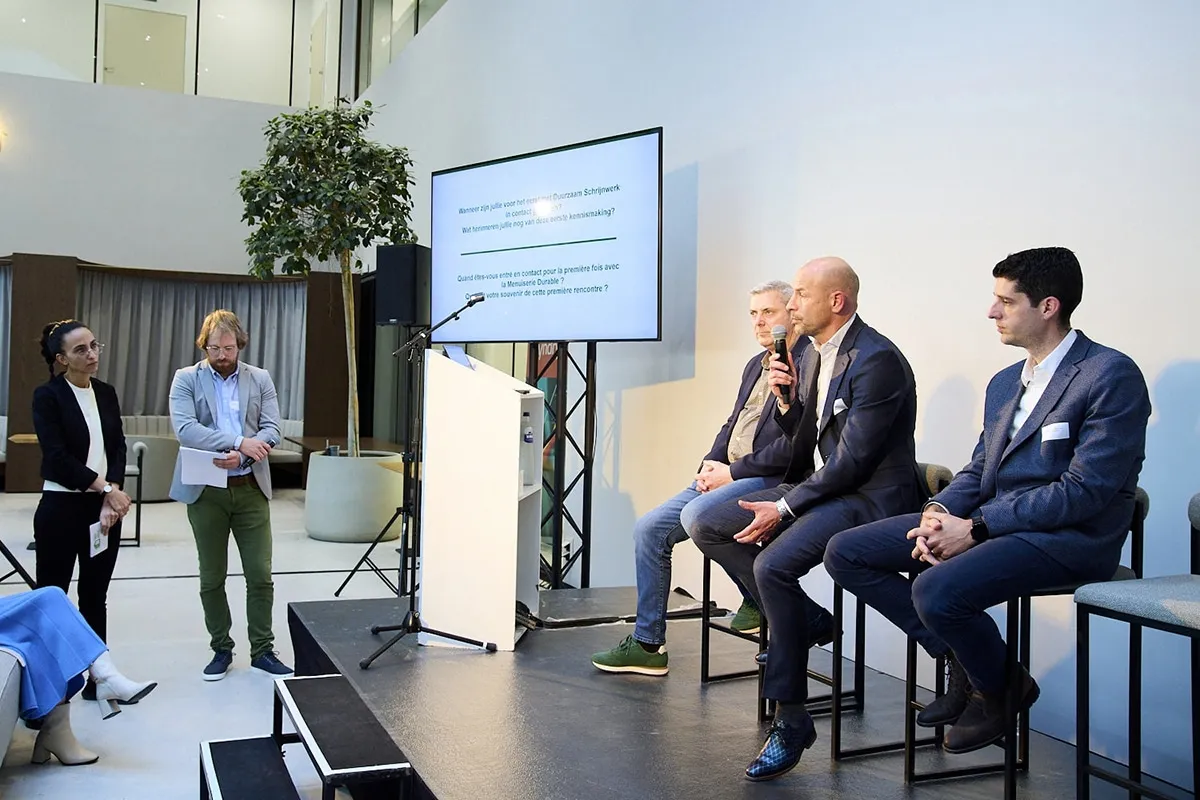
Gunther Vangeloven, managing director of Baens Afwerkingsbedrijf, was among the first to earn the label. “We had already been working on sustainability for some time, driven by personal conviction, but lacked a framework. This certification process gave us practical guidance on how to take further steps.”
“In recent years, sustainability has evolved from a buzzword into something you put into practice,” says Joris Verschueren, chair of FAC and co-managing director of Alu Verschueren. “Regulations are becoming increasingly complex. This label provides guidance and highlights your blind spots, helping you achieve your objectives. That is why we are happy to support it.”
Supporting specifiers
The label now needs to raise its profile, particularly among specifiers. “There is a certain level of curiosity in the private market, but that is often as far as it goes. In the project market, the label is sometimes included in specifications, but it often disappears again as soon as the budget is discussed,” notes Vangeloven.
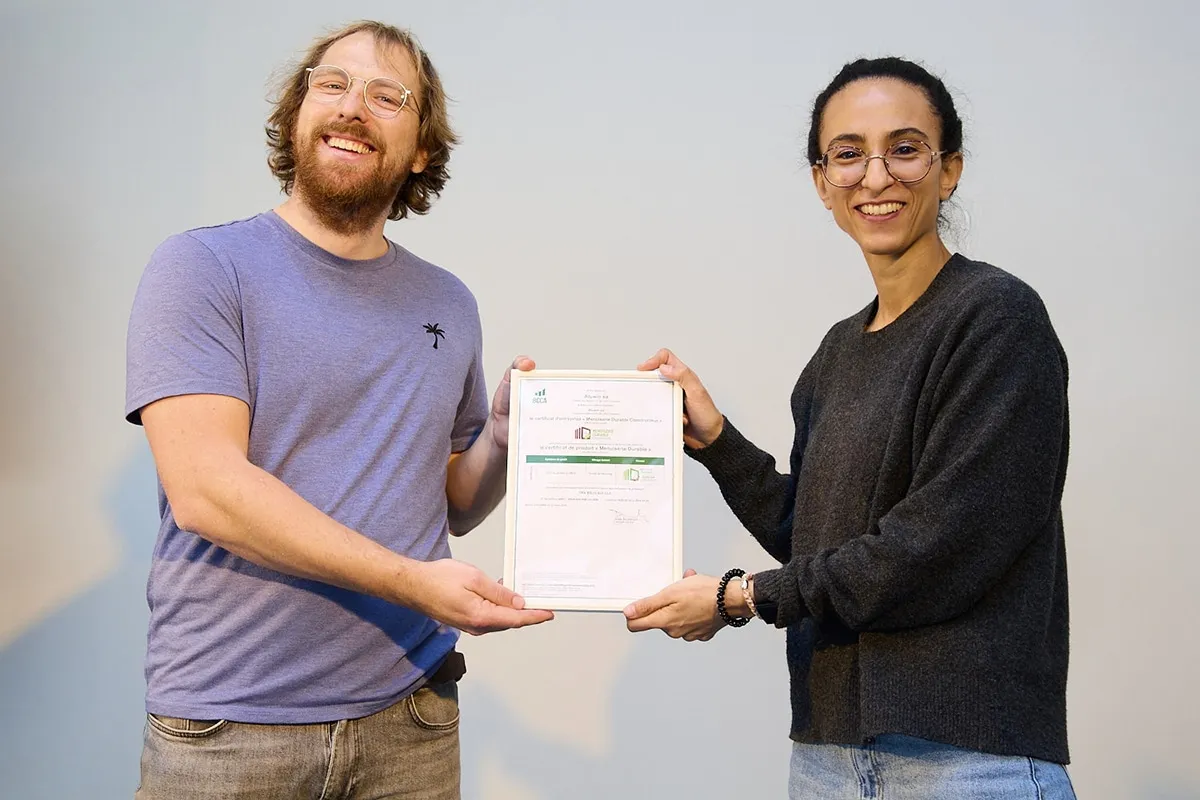
“The label should ensure that specifiers take note of companies’ commitment,” says Nadia Barhdadi, auditor at BCCA. “The fact that the Federal Institute for Sustainable Development (FIDO) recognises sustainable joinery in its guide to sustainable procurement is already a positive sign,” adds Gerjan Heylen, Sustainable Joinery coordinator at BCCA. “The label has also been included in the draft text of the Technical Specifications for Residential Construction, the model specification of Wonen in Vlaanderen.”
Curious to know who went home with a gold certificate? Willy Naessens, Thielemans & Co, Beneens Alucon and Ramen Dexters earned gold company and product certificates. Saint-Gobain, Aliplast, Sapa and Schüco received gold supplier certificates.
Een zakelijke vraag aan BCCA vzw? Get in touch
Companies in this story
Keep following this
Get an email when a new story is published. No account needed.
- SubjectGeneral
- CompanyBCCA vzw







