











“Abolish classrooms and turn schools into modern offices”
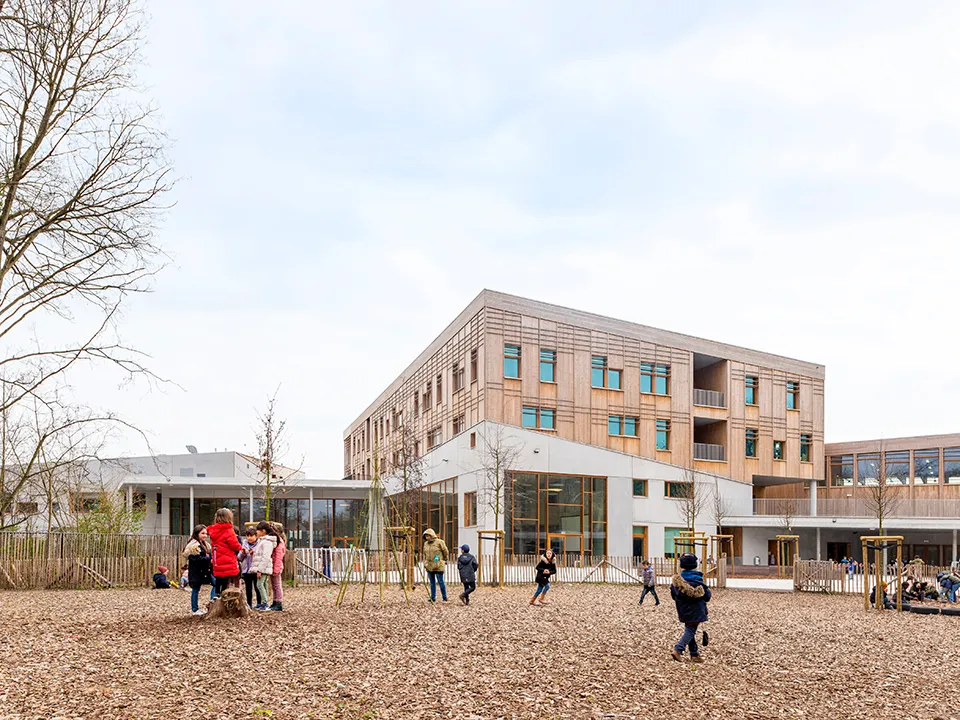
With a historic shortage of teachers and declining educational standards, our education system faces a major challenge: will it continue to decline, or will we give young people the opportunities they deserve again? “Step 1? Tackle the buildings. We need to completely rethink our existing building stock. Do away with traditional classrooms and corridors, create flexible spaces for pupils and teachers, and adapt schools to today’s needs. Just as we do with our office buildings.” So says Julie Vermoortel, a school design specialist at B2Ai architects, at the start of the new school year.
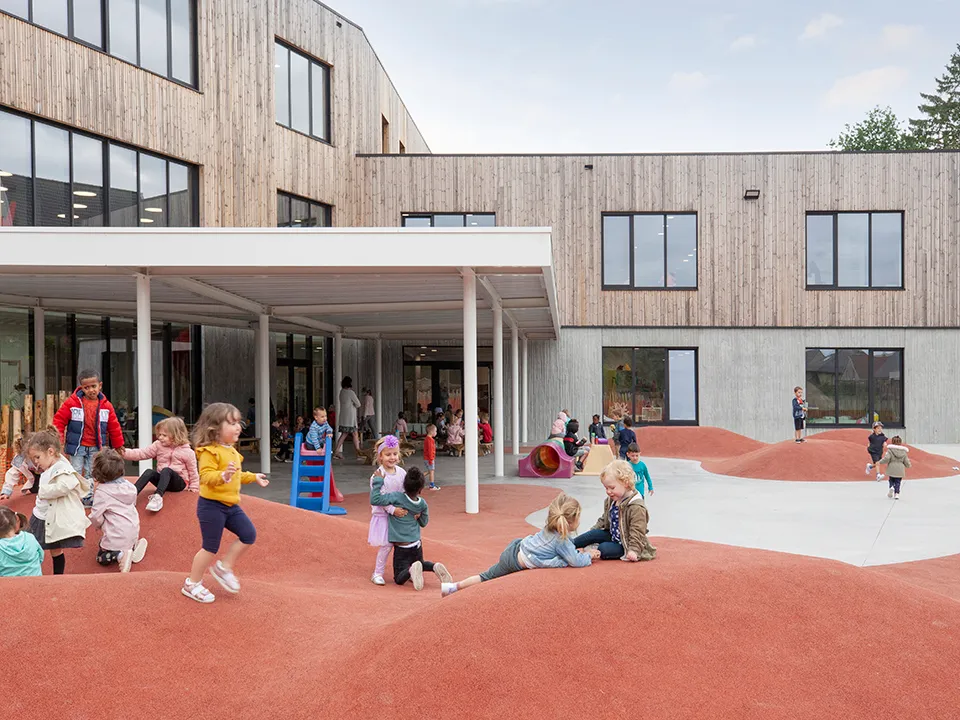
“After the coronavirus pandemic, we were among the first to transform our traditional offices, replacing larger workspaces with hot desks, well-ventilated spaces and separate zones. But our children are still taught in buildings designed according to educational principles from around 100 years ago. We teach our children that sustainability matters, that we need to save energy and must not waste water. Yet we do so in energy-guzzling buildings, in concrete structures without greenery and in classrooms with little natural light. Isn’t that ironic?”
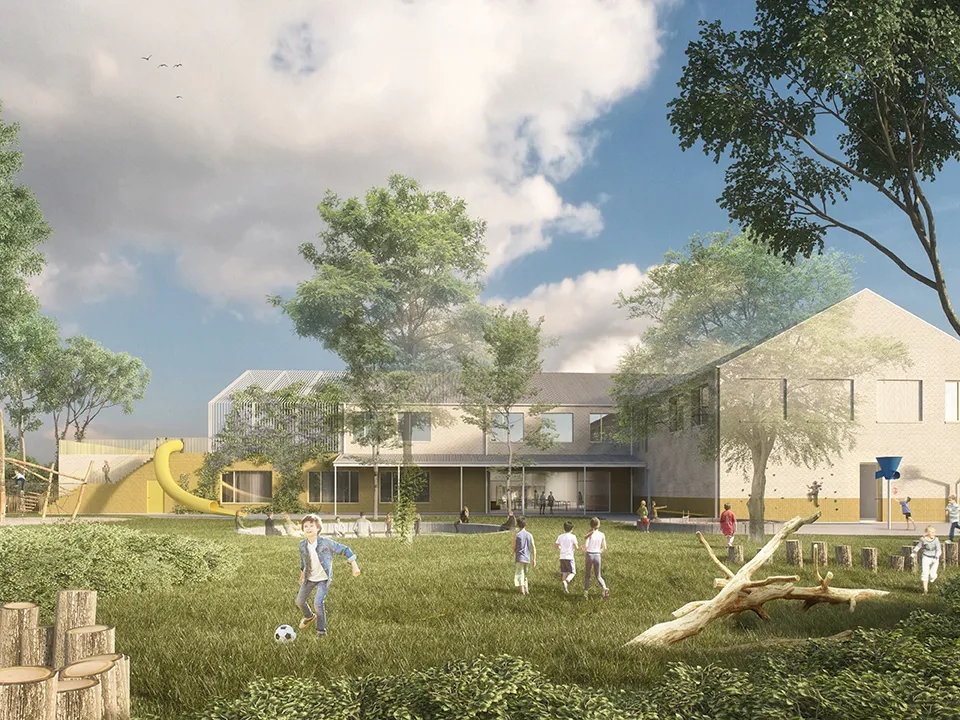
“If we want to give education the value it truly deserves again, we must first think about the infrastructure. As an architect specialising in school design, I see every day how our schools are completely at odds with current needs. The days of traditional classrooms and corridors are over. That conventional layout does not take account of today’s technological possibilities or new teaching methods such as co-teaching. Today’s pupils need spaces where they can work through specific material in small groups. But sometimes they also need spaces where they can work on a single project over several months. In that case, a classroom with movable walls could be the answer. If the teacher is no longer standing alone at the front of the classroom, but is trying to get closer to their pupils, small teaching spaces are probably more useful. Schools should be dynamic, open learning landscapes, with room for collective and individual learning, inclusion and diversity.”
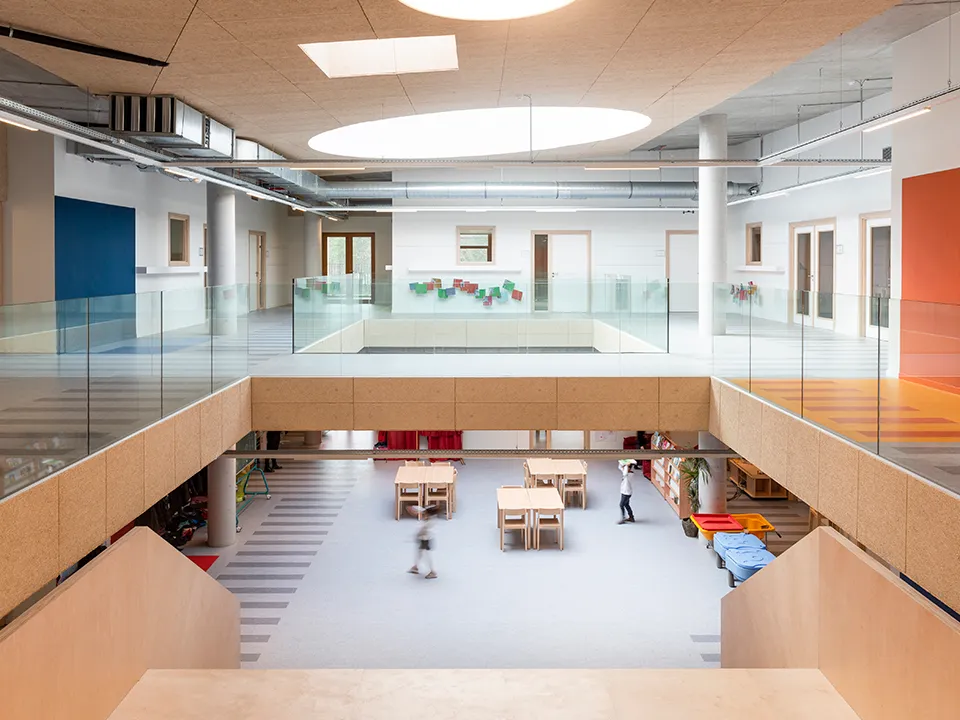
“We can already hear many people thinking that schools like this would be unaffordable. Campus Comenius in Koekelberg proves that construction costs can actually be kept down by designing as few corridors as possible, maximising classroom areas and providing a carefully measured number of acoustically enclosed teaching rooms. The brand-new Egied van Broekhoven-school in Brussels more than repays its investment in social terms by making its playgrounds, sports fields and classrooms available to the whole neighbourhood as much as possible outside school hours.”
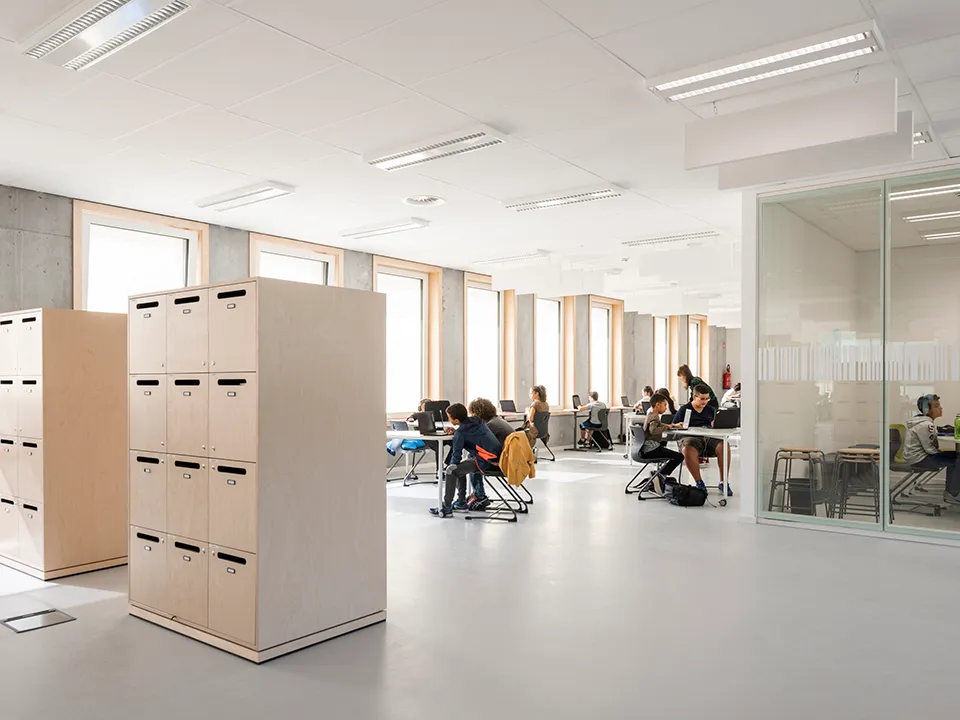
“Adapted buildings will not solve all the problems facing education today. But being able to teach and learn in a school that reflects our society, meets current standards and embodies the civic spirit we all champion will only improve teachers’ wellbeing and boost young people’s motivation. And if we, as a society, do not strive for that in education, what should we strive for?”
Julie Vermoortel, school architect at B2Ai architects
Question about this story? Ask your question
Keep following this
Get an email when a new story is published. No account needed.
- SubjectGeneral







