











Advice from a lighting manufacturer
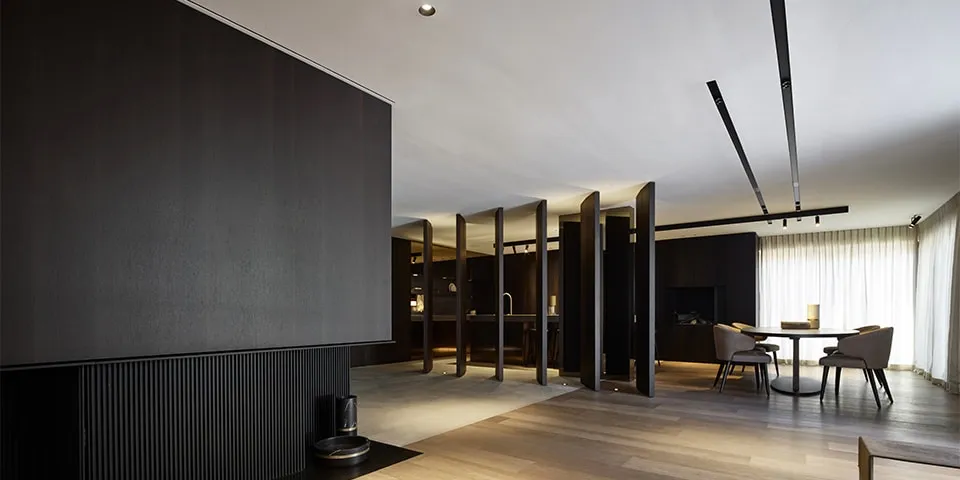
Designing, manufacturing and selling light fittings is, logically, the core business of every lighting manufacturer. Kreon, however, goes further and also creates lighting plans when requested. It is an additional service intended to help customers achieve a perfectly lit space.
Based in Oudsbergen, Kreon looks beyond simply manufacturing and selling products. The company’s website features several videos explaining how some of Kreon’s best-known light fittings came about, what inspired them and what lighting effects they create. The manufacturer also maintains a blog, which regularly covers different aspects of lighting. Topics already published online include ‘warm vs cool light: how colour temperature affects your interior’, ‘wall washing: what is it and when is it best used?’, ‘unified glare rating’, ‘how best to dim LED lighting’ and ‘the importance of a good lighting plan’.
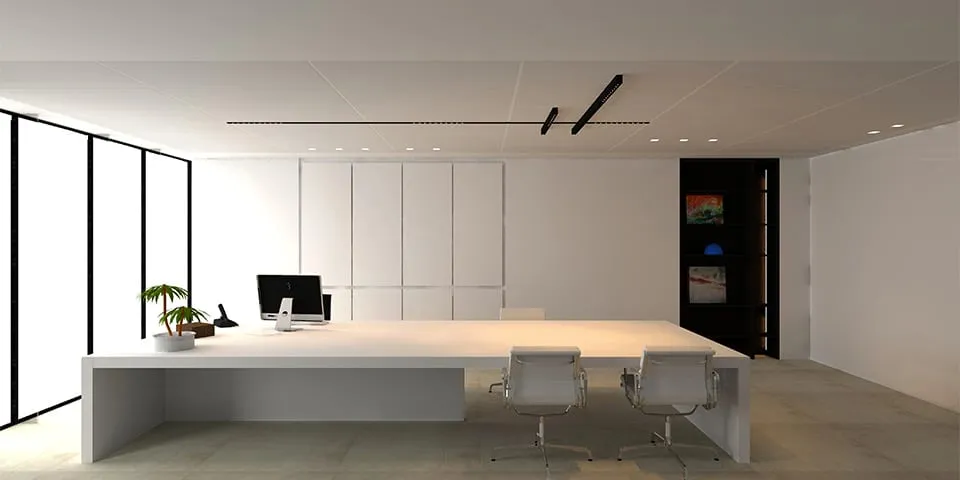
A lighting plan shows how a space can be lit efficiently, taking into account its function, layout and even the colour of the walls and furniture.
Back and forth
“A lighting plan is a lighting design for a home, office and so on,” says Daan Van den Branden, one of Kreon’s lighting consultants. “It shows how a space can be lit efficiently, taking into account its function, layout and even the colour of the walls and furniture. It is worth noting that there is not just one possible lighting plan for, say, a home. Depending on what customers want and ask for, there are several solutions available. In fact, I am sure that my colleagues and I would draw up different lighting plans for the same space. A good lighting plan puts light where it is needed and leaves it out where it is not. It is about finding the right balance between light and shade. The personal input of the person who draws it up is also reflected in the plan, of course based on what the customer asks for. Our first design is what it is: a first step towards a final plan. There are always revisions, and that is a positive thing. It means customers are thinking along with us and know what they do and do not want. A plan that goes back to the drawing board several times is one that is being carefully considered. After all, it is the customers who live in the house or work in the office. They need to be happy with the result.”
Why a lighting plan?
Lighting has a huge impact on how people experience a particular space. “That is precisely why a lighting plan is so important,” Van den Branden adds. “What atmosphere does it create? And how efficiently can people carry out particular tasks in that space? Every space is used differently, so the lighting in each one needs to be considered separately. A lighting plan maps out all the factors and advises customers on choosing the right lighting and where to position it. Communication throughout the design process and when presenting the plans is very important. Why have we placed the lighting points there? Why have we left them out elsewhere? We always present our proposal with well-founded arguments, so customers immediately understand why we made a particular decision. We never know in advance whether or not they will agree with that reasoning. That is one reason why a revision might be needed. Just because we have drawn it that way does not mean customers have to agree straight away.”
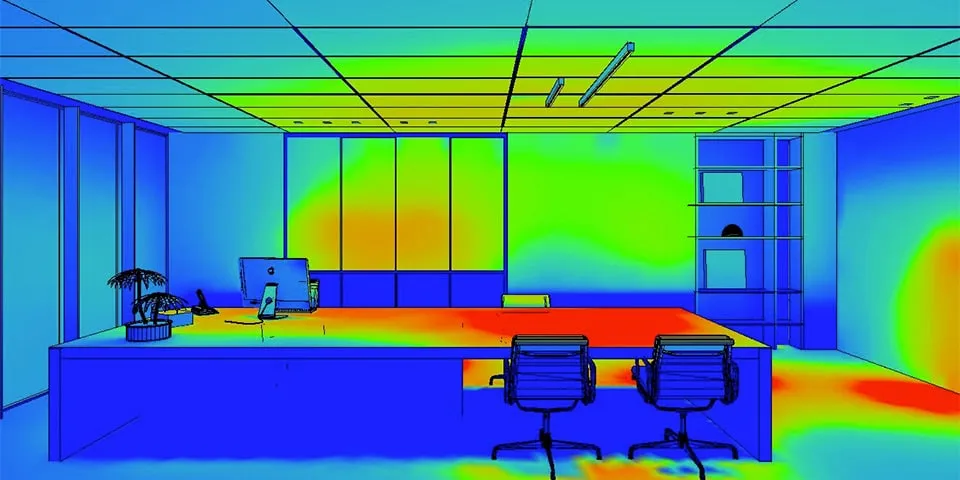
A render from a lighting study, giving the customer the clearest possible impression of the result of the proposed lighting solution.
An additional service
“Is it a lighting manufacturer’s job to draw up lighting plans too?” Van den Branden asks himself. “We certainly have no ambition to checkmate lighting design firms and specialist lighting shops. However, Kreon has the know-how to offer lighting plans as an additional service. A lighting plan drawn up by us will certainly bear the Kreon hallmark, but customers who come to us know us and know how much importance we place on design. Even so, we are not above marking lighting points on a plan without specifying a product. If we were to leave out a lighting point because we do not have it in our range, even though it would make a positive contribution to the overall scheme, we would not be doing our job properly!”
Question about this story? Ask your question
Keep following this
Get an email when a new story is published. No account needed.
- SubjectGeneral







