











Aluminium sector ready to accelerate …
… despite challenges
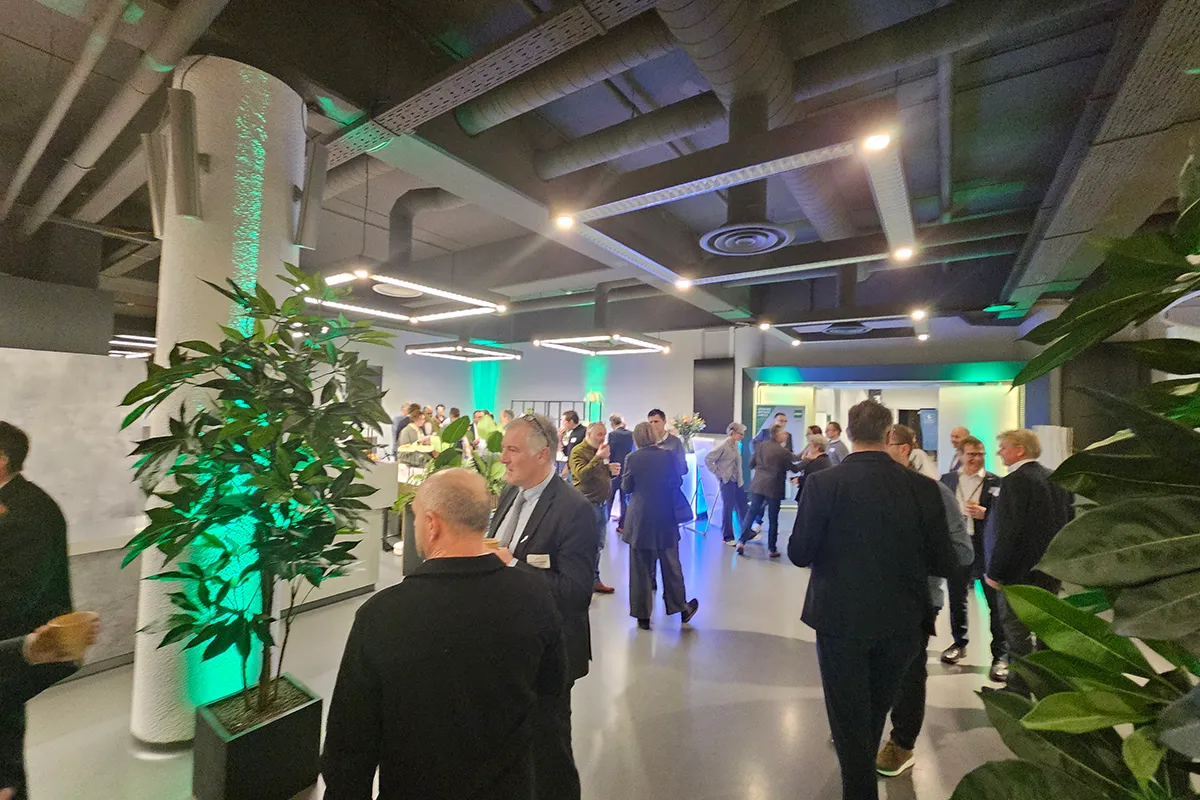
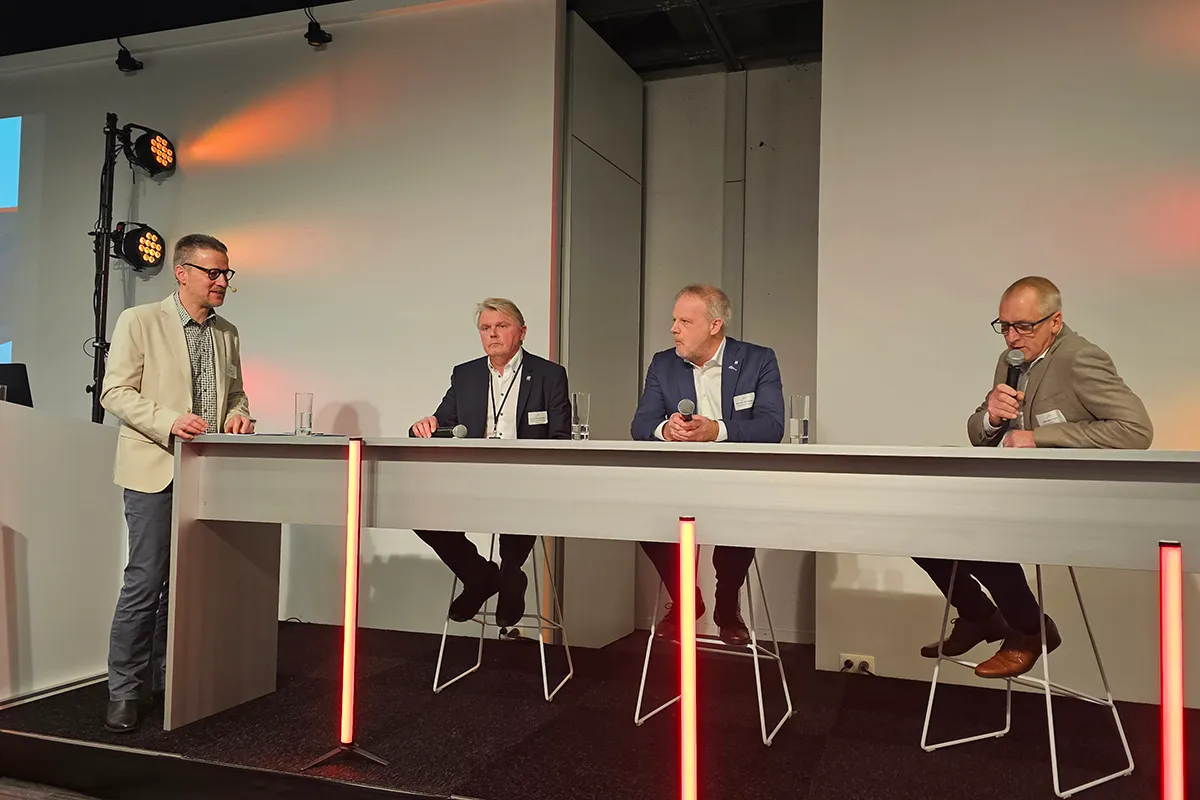
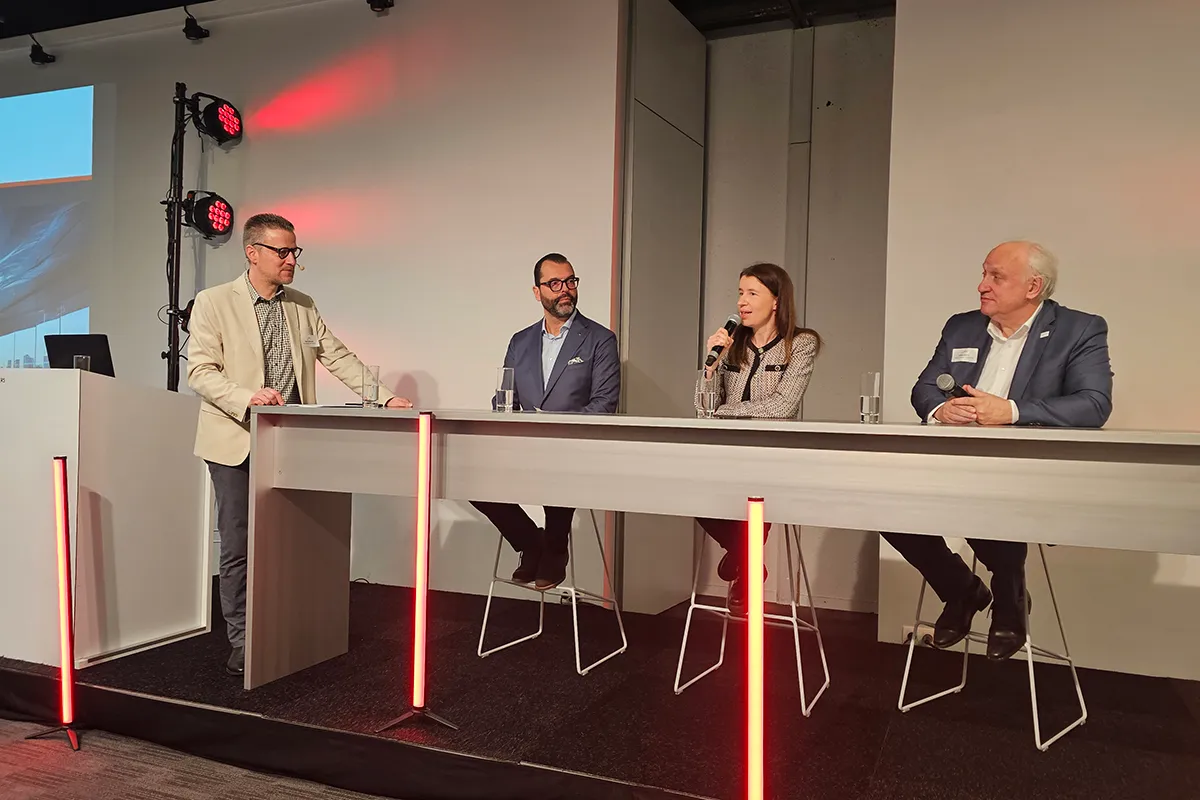
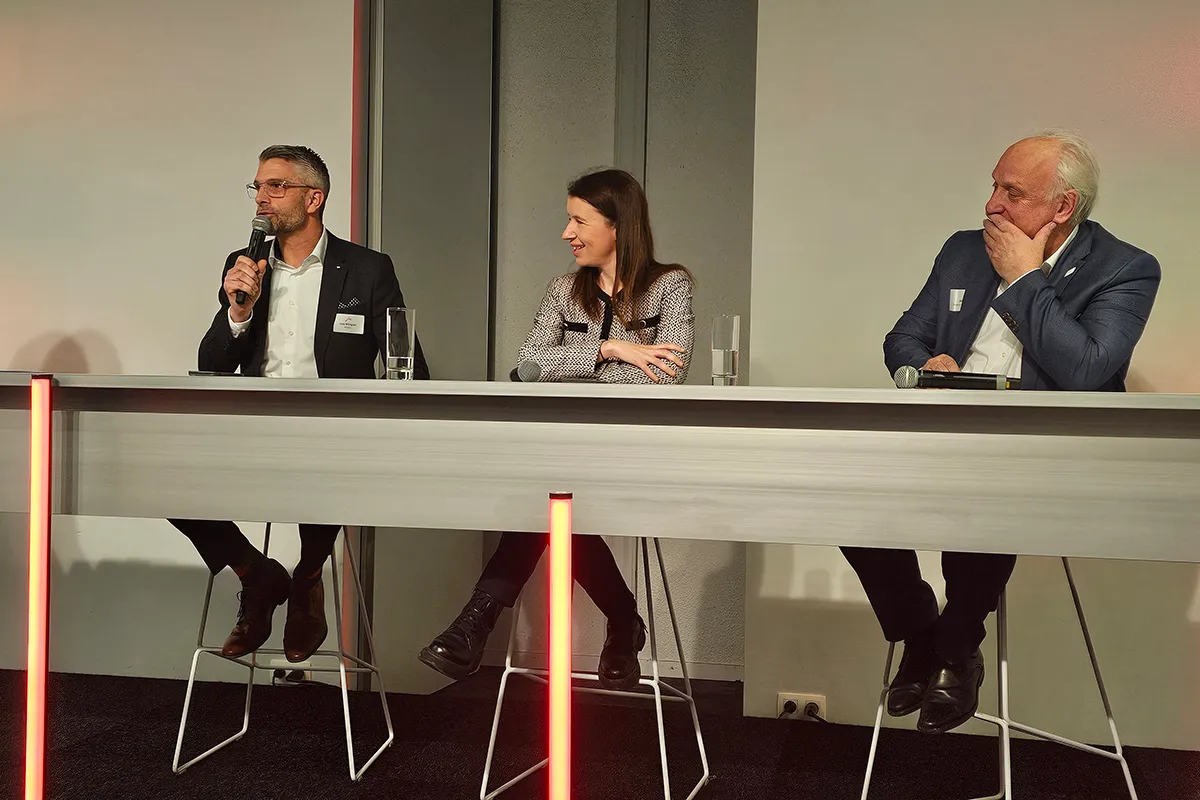
At the round-table discussion “The future of aluminium joinery and façade construction”, organised by the Federatie Aluminium Constructeurs (FAC) in Ghent (Polyclose, Flanders Expo), the sector discussed its future.
Representatives from industry, architecture and trade associations examined market trends, sustainability and innovation. The conclusion was clear: the sector faces considerable challenges, but also has strong structural advantages.
Construction market on hold
The construction sector is navigating turbulent waters. Housebuilding in particular has been in decline for several years, partly because of planning-permission issues and the after-effects of the energy crisis. “Since the pandemic and the energy crisis, construction in general has been struggling,” said Caroline Deiteren, Director-General of Embuild Vlaanderen. “Housebuilding in particular has been on a downward trend for some time. The number of planning applications is at an unprecedented low. This is partly because the process takes exponentially longer than it did a few years ago.”
Yet the discussion was far from pessimistic. Activity remains possible in several niches, especially for businesses that respond flexibly to the market and focus on quality. Renovation offers opportunities, although panellists felt that growth remains too limited. “Given the challenges we face, renovation should really be growing much faster,” said Deiteren.
In the longer term, the need to build and renovate is undeniable. Flanders faces a major housing challenge, with an ageing housing stock and stricter energy requirements. “At some point, the ball will start rolling again,” said Emmanuel Grégoire, Managing Director of Aluprof Belgium. “The future of construction looks fundamentally positive, because the need is simply there. I see 2024 as a year of malaise, 2025 as a year of crisis and 2026 as a transition year leading into 2027.”
Margins under pressure, collaboration essential
Profitability is under pressure as well as volumes. Price competition, rising costs and staff shortages are weighing heavily on the sector. “The problem today is not the number of projects, but the bottom line,” said Grégoire. “Some players are putting too much pressure on prices, and that is taking its toll.”
Against this backdrop, there is growing recognition that consolidation and collaboration are essential. The value chain is moving from separate links towards closer partnerships between system houses, extruders, fabricators and designers. Collaboration is no longer a nice-to-have, it is a prerequisite for remaining fit for the future.
Digitalisation plays a key role in this. BIM was repeatedly cited as a way to increase efficiency and reduce the costs of errors. “BIM is not a marketing tool,” said John Eyers, CEO of Jaspers-Eyers Architects. “It needs to be implemented throughout the entire value chain.” At the same time, panellists acknowledged that putting this into practice remains difficult and that genuine value-chain integration is often still lacking.
Circularity takes more than recycling
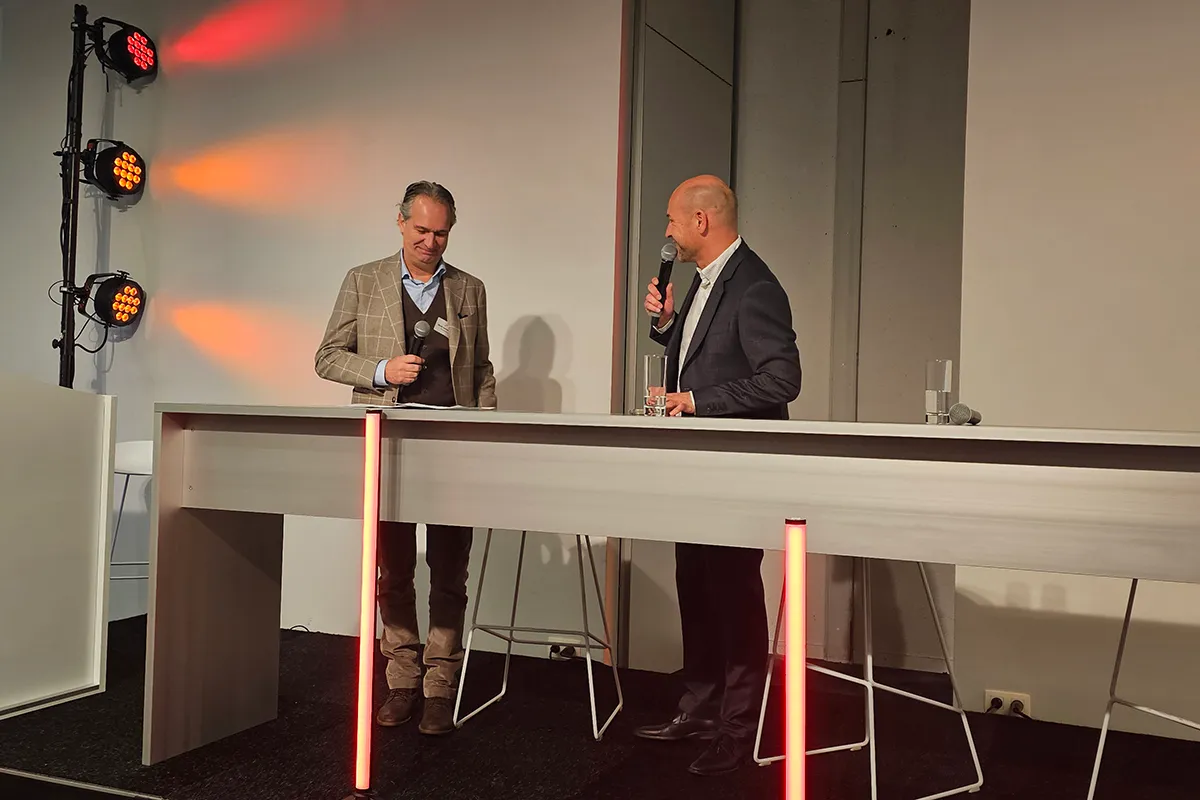
The second part of the round-table focused on sustainability and circularity, areas in which aluminium has traditionally been strong. The material is almost infinitely recyclable, and recycling it requires only five per cent of the energy needed to produce primary aluminium. “That represents a huge energy saving,” panellists emphasised.
However, speakers warned against focusing too narrowly on recycling alone. “Circularity is about more than just recycling,” said Hendrik Claes, QESH Manager at E-MAX. “It starts with design: reduce, reuse and only then recycle.” Design for disassembly, reuse and extending product life are at least as important.
Furthermore, the availability of recycled aluminium is still fairly limited. “On average, post-consumer aluminium meets only around 40 per cent of demand,” noted Kurt Van den Bergh, Technical Manager at Reynaers Aluminium Benelux. Ambitions therefore need to remain realistic and take the global climate picture into account.
Transparency towards the outside world, and especially between the sector’s different stakeholders, emerged as a key differentiator. “With aluminium, everything can be objectively measured and traced,” stressed Danny Decaluwaert, Project Manager for SAPA at Hydro Building Systems. “The data can be verified and independently audited. That is essential for communicating credibly about sustainability.”
Innovation beyond the product
In the closing debate, the focus shifted to innovation and a vision for the future. The discussion was not just about new products, but above all about processes. “Construction is still one of the least digitalised and industrialised sectors,” said Joep Römgens, Head of Service, Marketing & Product Management at Schüco Benelux. “That makes us vulnerable.”
Industrialisation, prefabrication and modular construction methods were identified as necessary responses to the structural shortage of workers. At the same time, panellists called for greater self-confidence. “We often underestimate how strong Europe is,” said Eyers. “We are leaders in construction quality and innovation.”
Setting the direction
The FAC round-table made clear that the aluminium sector is at a turning point. The challenges are significant, but those who focus on collaboration, digitalisation and a broad approach to sustainability can not only weather the storm, but also help shape the construction landscape of tomorrow.
‘We often underestimate how strong Europe is’
Question about this story? Ask your question
Companies in this story

Keep following this
Get an email when a new story is published. No account needed.
- SubjectGeneral
- CompanyFederatie Aluminium Constructeurs (FAC)
- CompanyAluprof
- CompanyReynaers Aluminium
- CompanySAPA







