











An integrated BIM approach as a lever for a comprehensive digital construction strategy
Text Tim JanssensImage Verne, Sweco
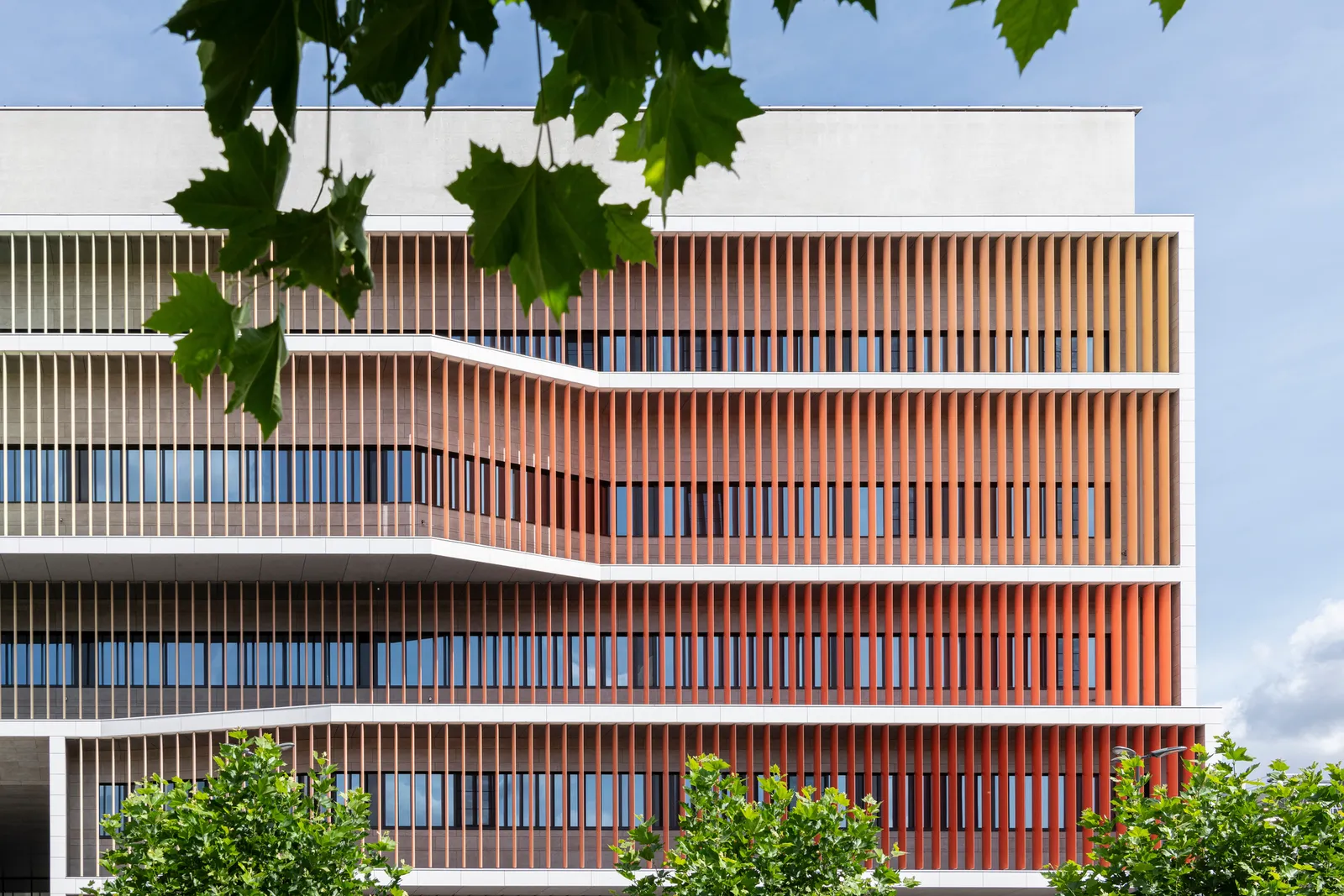
In October 2025, assar architects joined Sweco Group. It was a logical step, given the many areas of common ground, particularly in digitalisation and the use of BIM. By bringing architecture, engineering and consultancy seamlessly together, and using innovative tools to monitor building performance and visualise model data, Sweco is taking its digital construction strategy to an even higher level. The result is not only greater internal efficiency, but also smoother project delivery and significant added value for building owners, managers and users.
Bringing expertise together and streamlining design processes to deliver even better building projects: that, in a nutshell, is the reason behind the merger of Sweco and assar architects. They also proved an immediate fit when it came to digitalisation. “Both we and they have invested heavily in BIM and its benefits in recent years, although in different ways,” says Anthony Kennes, Team Manager of Sweco’s Buildings BIM team. “As engineers, we focus more on the technical side, while assar works exclusively in architecture. This means our digitalisation expertise complements each other extremely well, with a strong focus on both internal efficiency and the increasingly demanding BIM requirements of clients.”
An integrated project approach
This complementarity translates into an integrated project approach, in which technical and architectural models are aligned from the outset. “That brings enormous added value,” says Dieter Wuyts, principal at assar architects, part of Sweco. “When working with external consultants, it is crucial to agree clear arrangements and establish protocols: who manages which model, how is information shared, and who is responsible for what? This creates a certain tension and requires a lot of discussion. By contrast, when you are part of the same organisation, you can agree and standardise these arrangements internally. There is no need to reinvent the wheel every time, making the design process all the more efficient.”
This is part of a broader evolution in Sweco’s BIM strategy. “We used to expect our teams to work intensively with BIM. Now we expect the same of our partners,” says Anthony Kennes. “We are also seeing projects become increasingly complex. That is why we have chosen to strengthen the links between architecture, engineering and consultancy, with a view to an integrated approach across the entire project chain.”
Digital (r)evolution
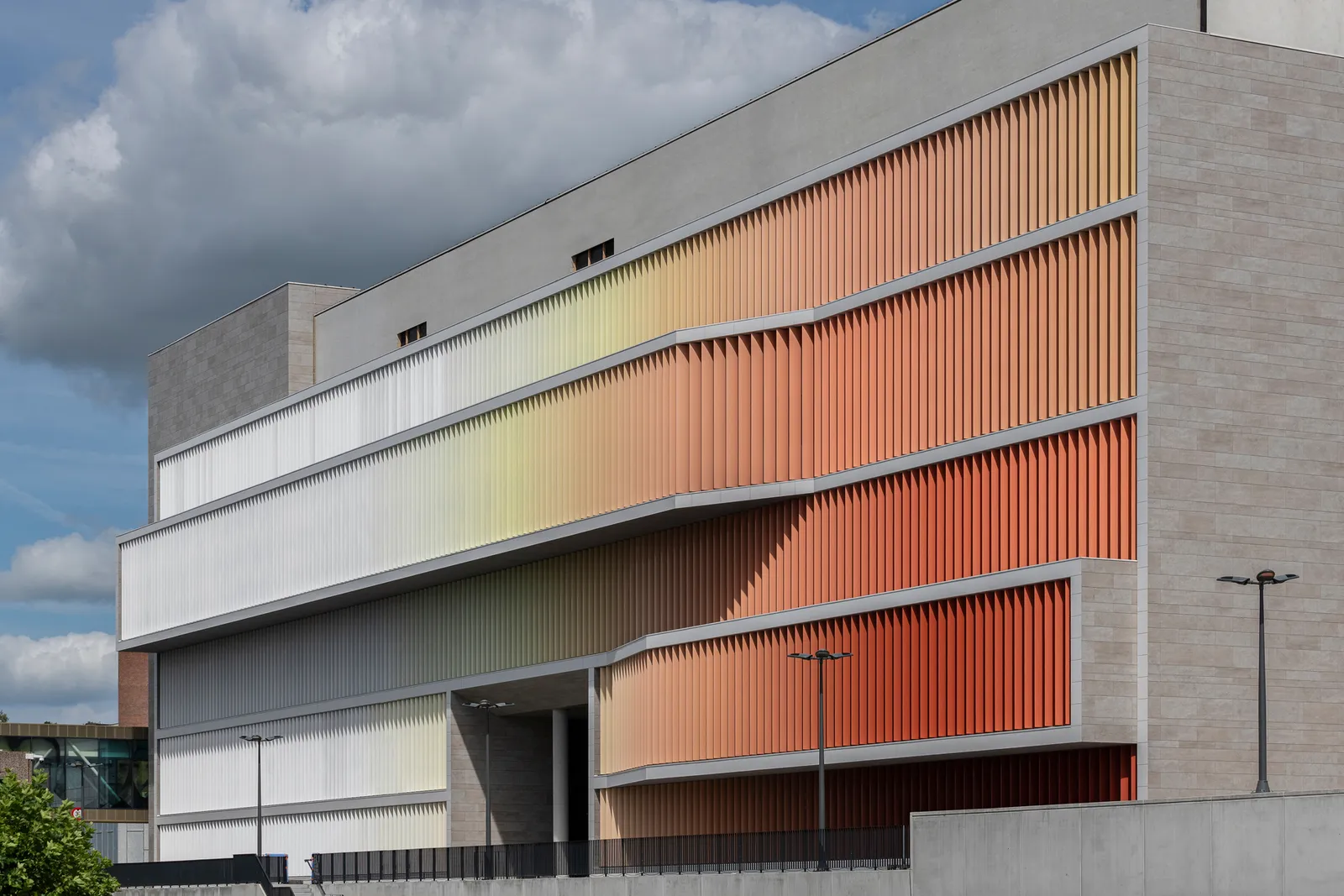
Sweco applies BIM systematically across all its projects and is currently taking its digital construction strategy to an even higher level. “That is partly because we are ambitious ourselves, and partly because it benefits our clients too, for example in terms of sustainability,” explains Anthony Kennes. “Rather than overdesigning, the emphasis is much more than before on ‘fit for purpose’. We also have the tools we need to monitor buildings, for example by linking Model Predictive Control (MPC) with BIM data. We focus strongly on intelligent control to get the energy performance right. In short, the ways in which we use data are expanding considerably, as is the maturity of that data.”
According to Dieter Wuyts, this trend will only continue in the years ahead. “This is becoming increasingly important not only for building owners and managers, but also for contractors, as it is now an essential part of the construction process. Public authorities will also get on board in the near future. It is only a matter of time before we have to submit a fully digital model for building and environmental permit applications, including the associated data, such as material passports and carbon footprints. All this information can be extracted directly from the model.”

Smart use of AI
Artificial intelligence is an important catalyst for this ongoing digitalisation, and Sweco is integrating it intelligently into its BIM processes. “The impact of AI is much greater than expected,” says Anthony Kennes. “Our BIM experts used to have to manage everything themselves, drawing on their knowledge of BIM models and coordination. Today, they can easily programme routines using Sweco GPT, our own AI engine. Automating specific processes in this way makes our data even more reliable and keeps the digital construction puzzle continuously up to date. Previously, this required recurring manual tasks that took quite a bit of time. We are also linking AI engines to ACC. This allows us, for example, to quickly assess the environmental impact of specific material choices and make even better-informed design decisions.”
Dieter Wuyts and his fellow architects are also benefiting from AI. “For now, we mainly use it to quickly generate visualisations based on our 3D models, whereas previously we had to spend a day rendering them. This means we can immediately see the impact of specific design decisions and present different scenarios to the client.”
Internal efficiency and better service
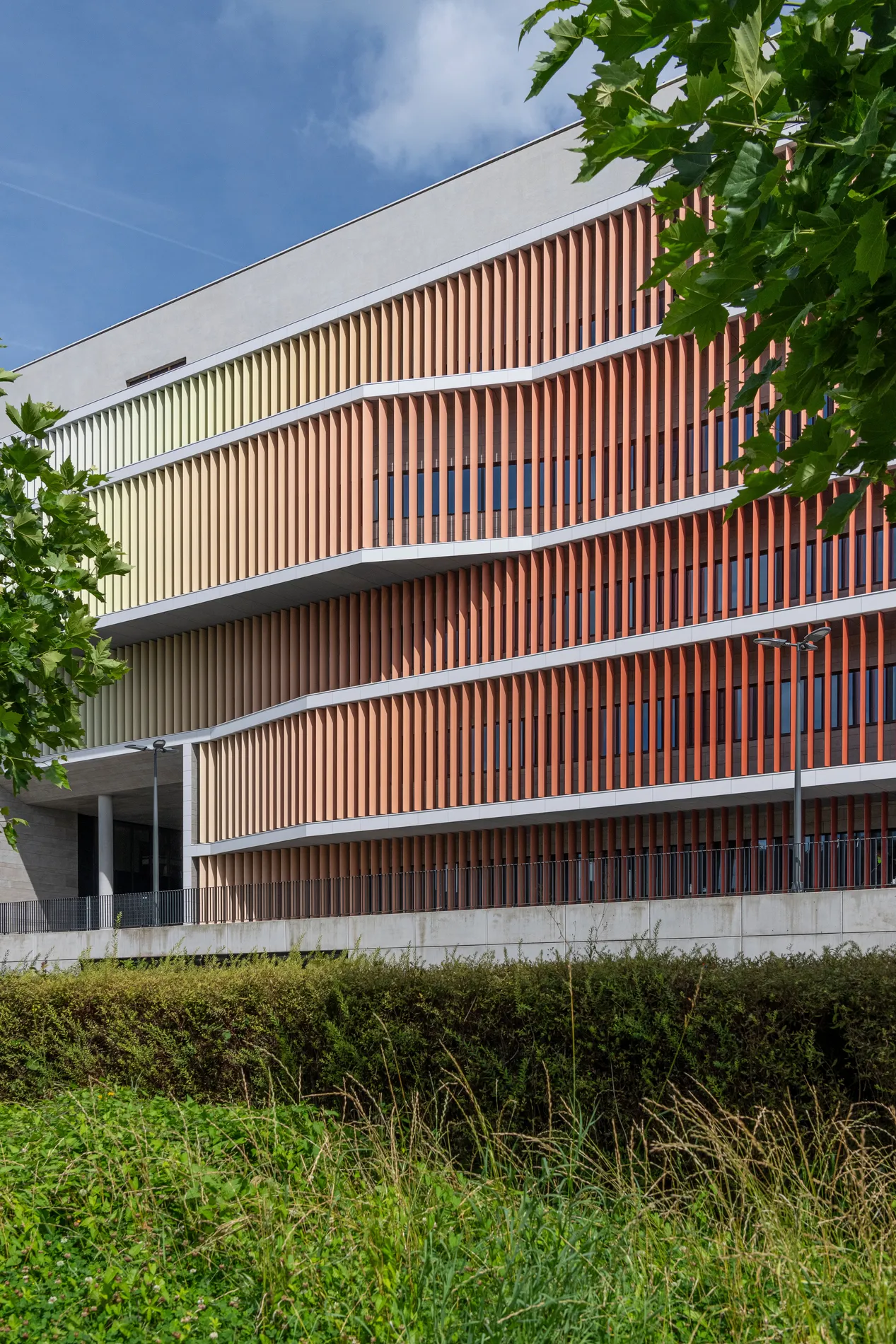
This is important, as building projects are becoming ever more complex. “It is our job to keep everything manageable and make it easy for building owners, managers and even users to understand. They need to be able to access all that building information easily and make changes themselves if they wish. High-performance digital tools are a great help here,” says Dieter Wuyts.
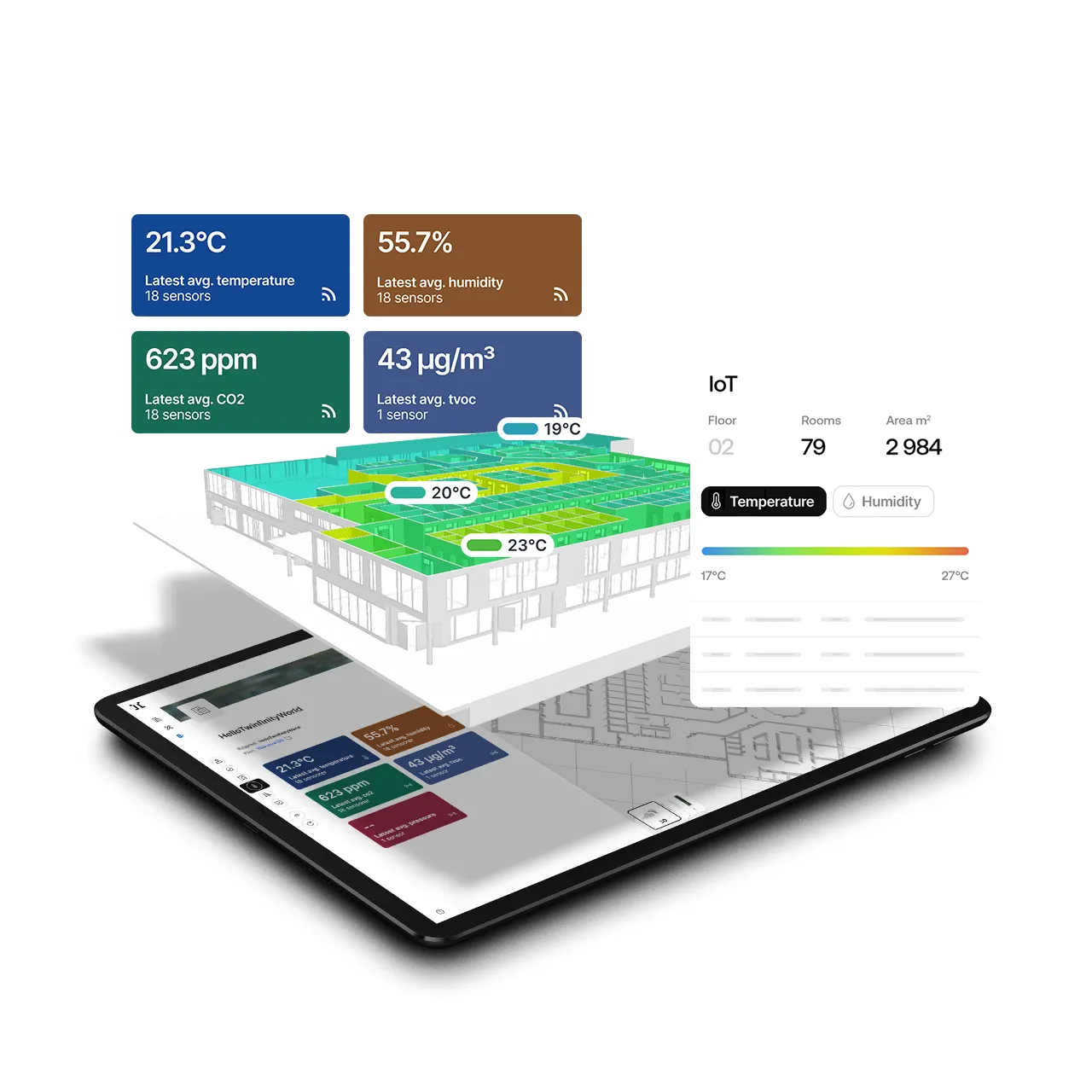
“Alongside internal efficiency, this is also about providing even better service,” adds Anthony Kennes. “Especially when combined with, for example, our MPC studies, which lead to a substantial reduction in the economic and environmental costs of buildings. We can also use model data to visualise specific aspects via the Twinfinity platform. This significantly improves the architectural, technical and environmental quality of buildings.”
Een zakelijke vraag aan Sweco Belgium? Get in touch
Companies in this story

Keep following this
Get an email when a new story is published. No account needed.
- SubjectGeneral
- CompanySweco Belgium







