











Asbestos is still present in public spaces
Although asbestos has in principle been banned since 2001, this notorious mineral is still often found in building materials. That is hardly surprising, as asbestos was once used extensively, very extensively. This article provides information about asbestos in public spaces, raises awareness and explains what action to take if asbestos poses a risk.
What is asbestos?
Asbestos is a mineral containing non-combustible asbestos fibres. These fibres are what can make it dangerous to people, particularly when the asbestos is no longer securely bound in its matrix. This can be caused by wear and tear, which is why it is found in older materials, but also by demolition. Tiny asbestos fibres are then released, and if inhaled, they can cause significant damage to your health ten to forty years later. The more of these particles you breathe in, the greater the risk of health problems. This is precisely why raising awareness and informing people are so important. A thorough and effective asbestos policy is also essential. Asbestos is still present in public buildings and youth facilities such as schools, nurseries and scout halls, as well as in many other places across cities and towns. Removing Asbestos and creating a safe environment must therefore be a priority, says Kom op Tegen Kanker.
Asbestos removal is not a DIY job
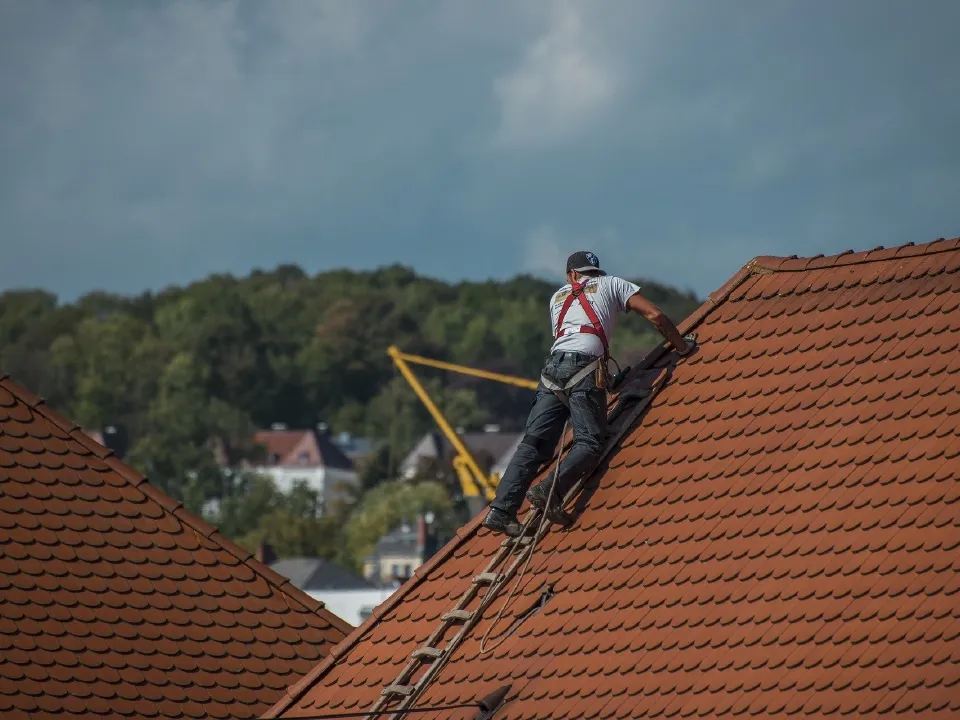
Because of its hazardous nature, asbestos is not easy to remove. It is not something you can simply do yourself. So do not attempt to demolish an asbestos roof or wall at home. Think there may be asbestos in your roof and want to renovate it? Always call in a professional and ask for a roofing works quotation .
There is also a need to raise awareness and ensure proper policy monitoring in public spaces. The government has set aside almost 28 million to remove asbestos from youth facilities or maintain it safely. If the asbestos is loose or weathered, it must be removed by a professional asbestos removal contractor. The right protective equipment, knowledge and training are absolutely essential and mandatory for the professional removal of unbound asbestos.
Asbestos at school
Think there may be asbestos in a school building? Do not let this go unnoticed, as many children could come into contact with these harmful fibres. The best thing to do is report it to a competent person. They will arrange for an asbestos survey to be carried out and, if asbestos is indeed present in the school building, an asbestos management plan to be drawn up. A step-by-step plan must be followed to remove asbestos-containing materials. This may involve anything from encapsulation to removal if the asbestos is damaged, deteriorated or hazardous.
Question about this story? Ask your question
Keep following this
Get an email when a new story is published. No account needed.
- SubjectGeneral







