











Building in Belgium is eight per cent more expensive in just one year
Arcadis study ranks Brussels as Europe’s eighth most expensive capital in which to build.
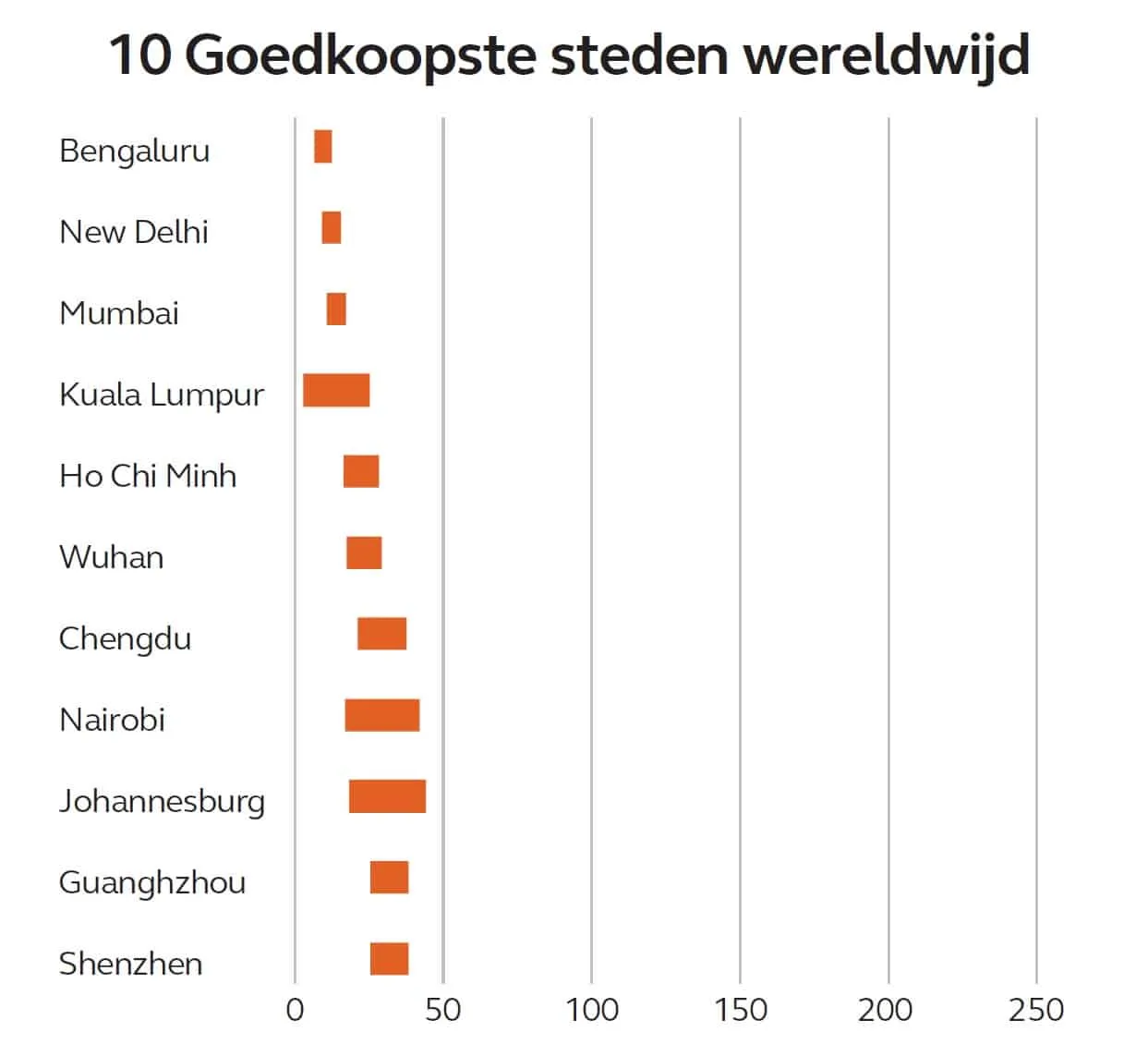
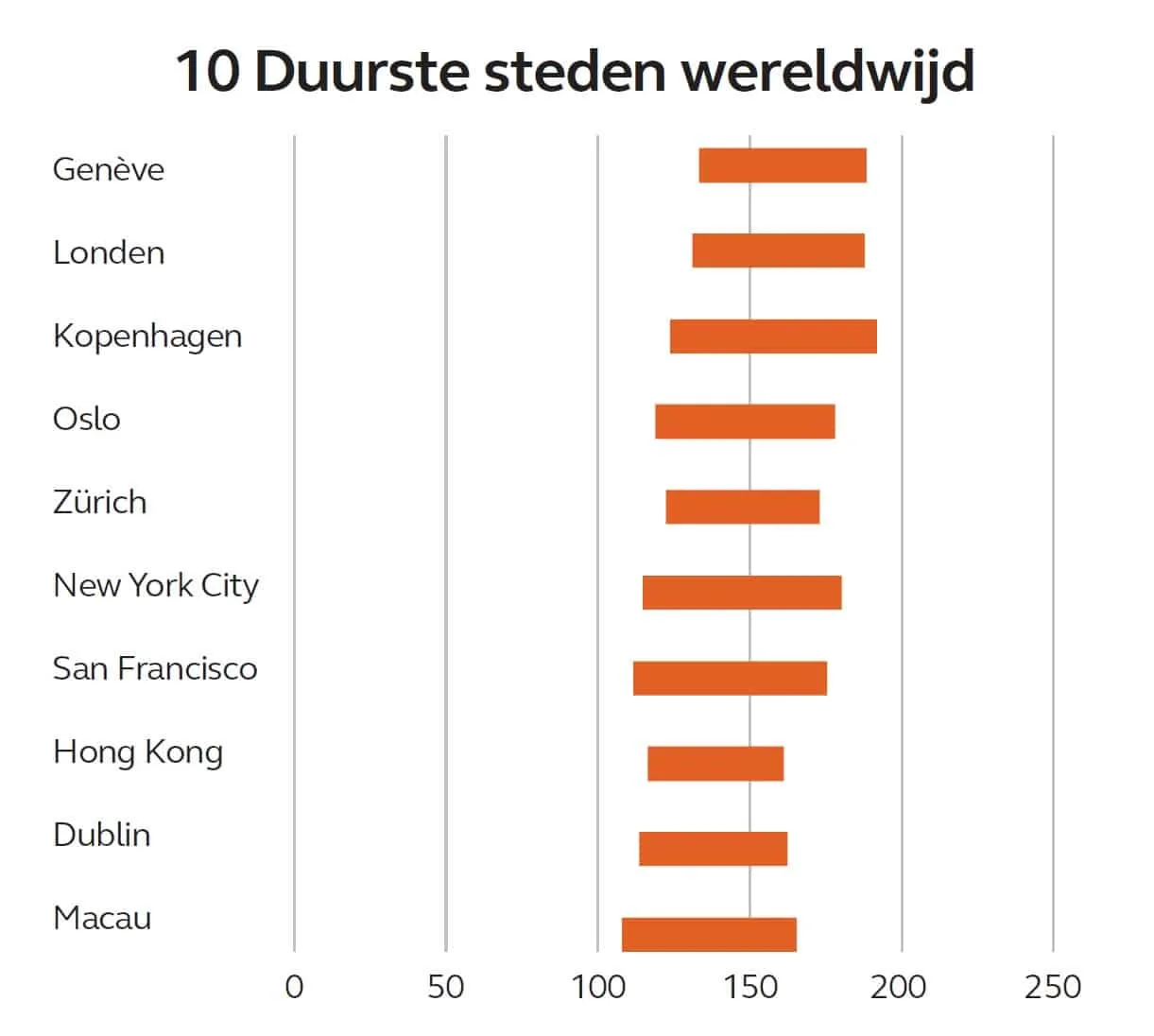
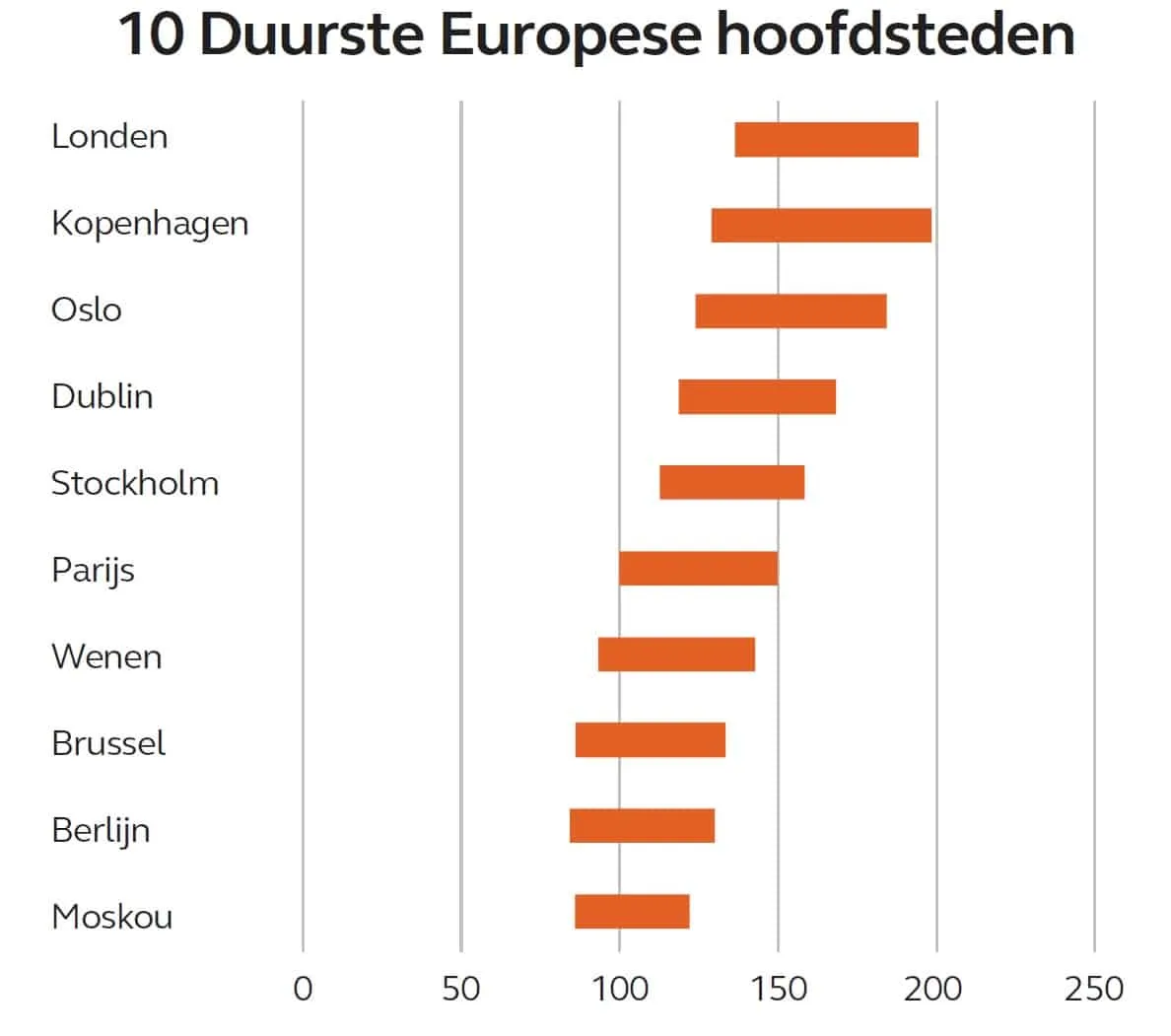
Building has become considerably more expensive in Belgium over the past year. Construction costs in Brussels rose by eight per cent compared with a year ago. This makes Brussels the 8th most expensive capital in Europe in which to build. The higher construction costs are mainly due to the requirement to build nearly zero-energy buildings, inflation, more expensive building materials and higher labour costs. This is according to the International Construction Costs Index 2021, a study by international consultancy and design firm Arcadis, which compares 100 cities around the world. Brussels ranks 32nd worldwide. Geneva, London and Copenhagen are the most expensive cities in which to build. The cheapest are the Indian cities of Mumbai, New Delhi and Bangalore.
With its eighth-place ranking, Brussels is ahead of many other European capitals, including Berlin (9), Amsterdam (11), Rome (12), Lisbon (18), Madrid (22) and Athens (25). Compared with the previous International Construction Costs Index, Brussels has risen from 37th to 32nd place in the ranking of the most expensive cities in which to build. The 8 per cent increase in construction costs is an average for the construction sector as a whole, not just, for example, the housing or apartment-building sector.
“There are several reasons for this increase in construction costs. Inflation and higher material and labour costs are among them, but the main cause is the introduction of the requirement to build only nearly zero-energy buildings from January 2021. In 2020, clients did not wait for this requirement to come into force and had already adapted their building plans to the new legislation.”
Rik Menten, Director Buildings Arcadis België
Arcadis, a market leader in construction cost management, also does not expect construction costs to fall in the coming years. Europe is setting ambitious targets in the fight against global warming. The European climate targets call for a 55 per cent reduction in CO2 emissions by 2030. This will only be possible if we build even more energy-efficiently and sustainably, using high-tech, and therefore more expensive, building materials. The Brussels-Capital Region has also developed a binding framework, PLAGE, requiring owners and tenants of large buildings to meet pre-set targets for reducing energy consumption.
Brussels remains popular with investors
Although Brussels is a relatively expensive city in which to build, this has no impact on its popularity with foreign investors.
“Despite COVID-19, we saw a large number of major transactions on the Brussels property market in 2020. Despite high construction costs, property prices in Brussels remain attractive compared with those in nearby European capitals. The presence of the European institutions makes Brussels an attractive administrative centre, particularly now that Brexit has taken place. Investors are also firmly committed to future-proof, sustainable and adaptable buildings.”
Rik Menten, Director Buildings Arcadis België
Sustainability as a driver of recovery
Like many other sectors, the Belgian construction sector suffered from COVID-19 last year. Lockdowns, strict safety measures and delays in the supply of building materials caused by production problems at some factories led to a 3.8 per cent decline in activity in the construction sector in 2020.
“Sustainability must become the driver of recovery. Europe has developed a substantial recovery plan and is making €5.95 billion available to Belgium. Flanders is adding considerably to this with its ‘Vlaamse Veerkracht’ recovery plan, investing €1.2 billion in sustainability. This funding is mainly for hydrogen projects and the renovation and insulation of social housing and government buildings. Above all, we need to carry out extensive renovations of our building stock to meet the European climate targets. Our buildings are responsible for 36 per cent of CO2 emissions and 40 per cent of energy consumption today.”
Rik Menten, Director Buildings Arcadis België
The construction sector has traditionally been conservative, but digitalisation is now an integral part of it too. BIM, designing with digital twins, data analytics, artificial intelligence and virtual reality provide essential insights into the design, costs and maintenance of buildings.
Every year, the Arcadis International Construction Costs Index compares construction costs in 100 cities around the world. To make comparisons between cities, costs are indexed, with Amsterdam set at 100. As well as comparing cities, the report provides global insights into the construction market and recommendations for market participants. This year’s report also includes several new cities, such as Oslo, Vienna, Nice, Memphis, Ho Chi Minh and Kiev.
Click here to download the report.
Question about this story? Ask your question
Keep following this
Get an email when a new story is published. No account needed.
- SubjectGeneral







