











Cathodic protection adds decades to the service life of concrete factory building
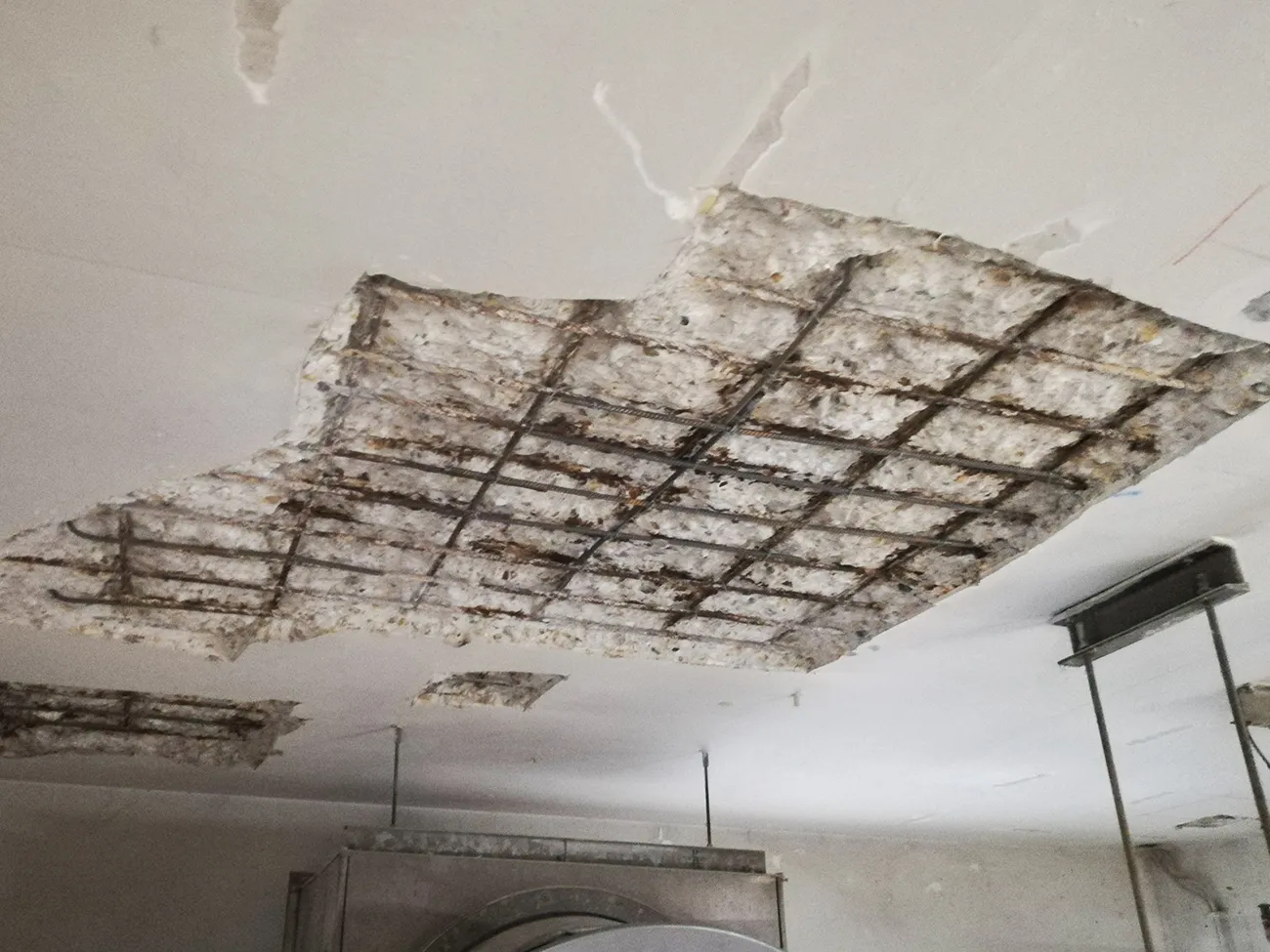
The Agfa-Gevaert factory building in Westerlo has recently, so to speak, been connected to an electric current. This is to protect it from concrete cancer. The technical term for this is ‘cathodic protection’, whereby an electrical current is applied to the reinforcing steel to prevent the concrete from cracking due to corrosion. As conventional concrete repairs were no longer considered feasible, this technique was chosen instead. This meant that the concrete structure did not have to be demolished, and the building is now future-proof for decades to come.
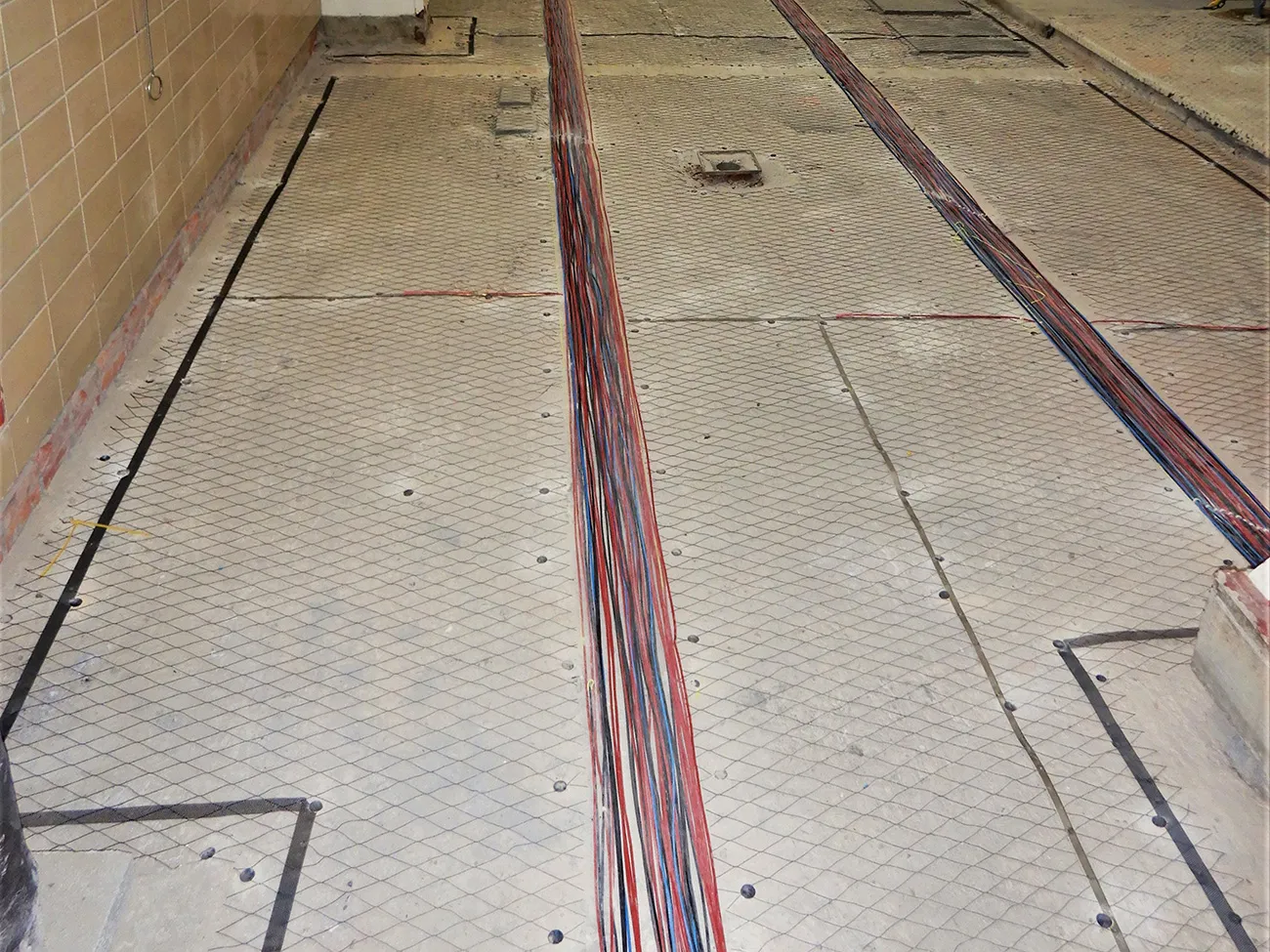
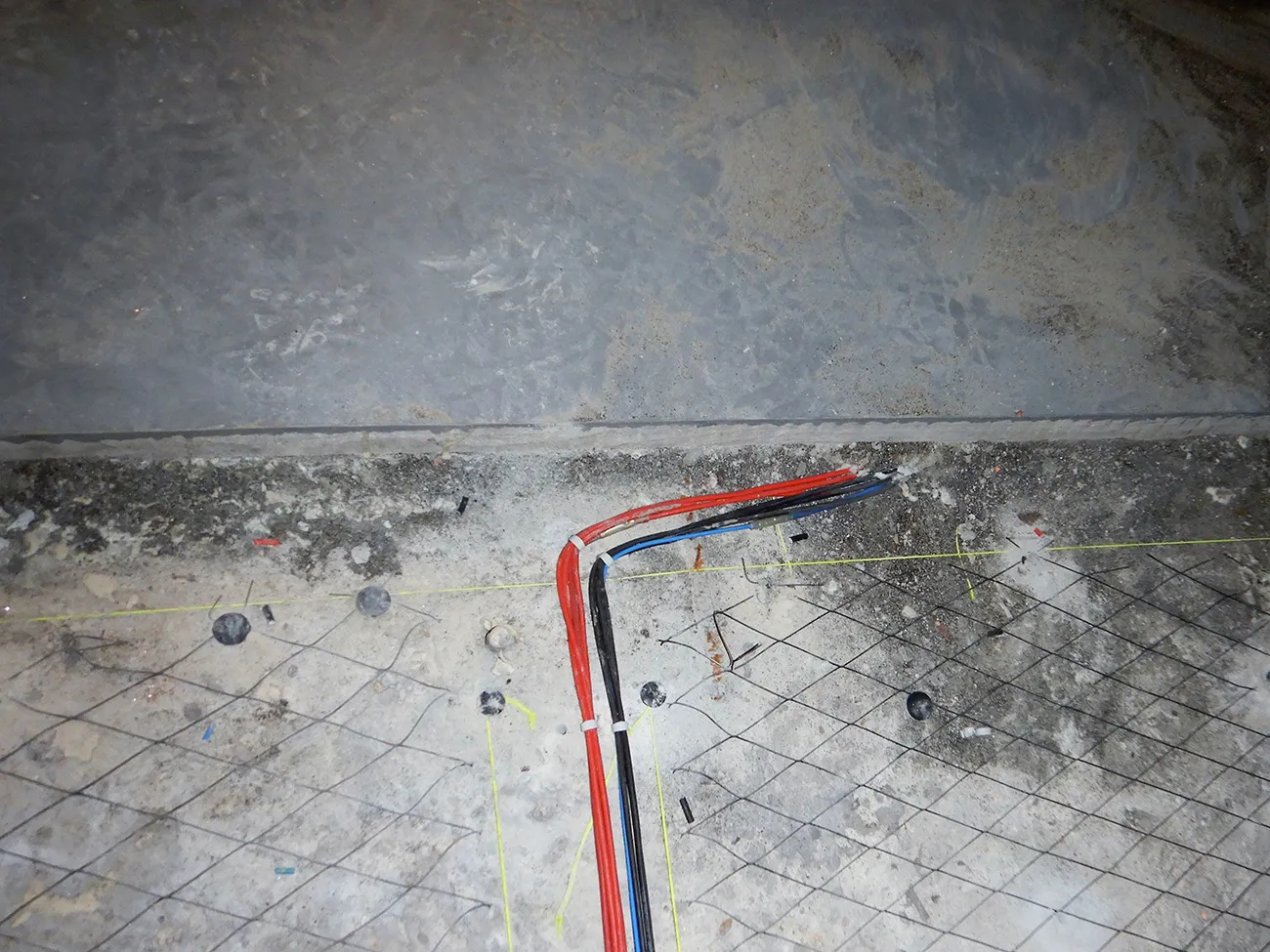
Cathodic protection was familiar territory for main contractor Vogel Belgium. It had previously used this proven concept in the Annie Cordy Tunnel (Leopold II Tunnel) in Brussels and the Boerentoren in Antwerp. The project in Westerlo involved particularly close collaboration with Agfa-Gevaert’s technical specialists and engineering consultancy SANACON, which oversaw the design and installation of the cathodic protection system. In autumn 2020, they installed an impressed current system in a factory building on the Agfa-Gevaert site as a sustainable solution for repairing a concrete floor slab of approximately 350 m². Following an extensive preliminary investigation into the cause and extent of the observed concrete damage, carried out by SANACON in 2019, cathodic protection was identified as the only practically viable technique for achieving a durable concrete repair.
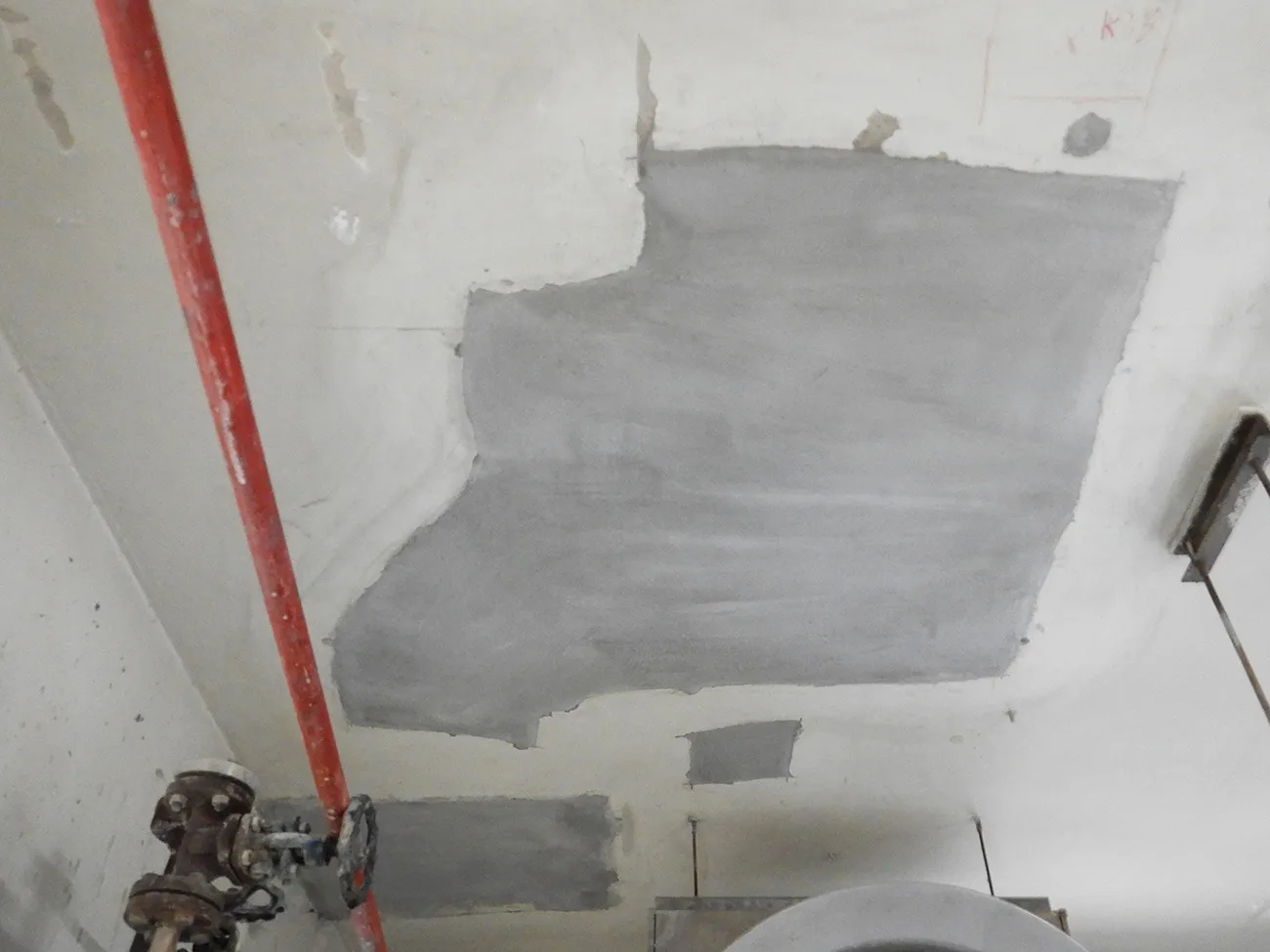
A model project with an optimum end result
The cathodic protection system is monitored and inspected several times a year to ensure that the reinforcement in the concrete structure remains protected and to minimise future maintenance. “This project can be seen as an example of how a concrete repair project should be approached,” says Bjorn Van Belleghem, an expert in cathodic protection at SANACON. “The first step is to carry out an extensive preliminary investigation into the cause and extent of the damage, in order to select the most suitable and durable repair method. A contractor with specific knowledge and experience then applies the prescribed repair technique, in this case cathodic protection. Finally, an independent engineering consultancy carries out phased inspections and monitors the works. The good relationship and close collaboration between the client, contractor and engineering consultancy led to an optimum end result, delivered within the agreed timeframe.”
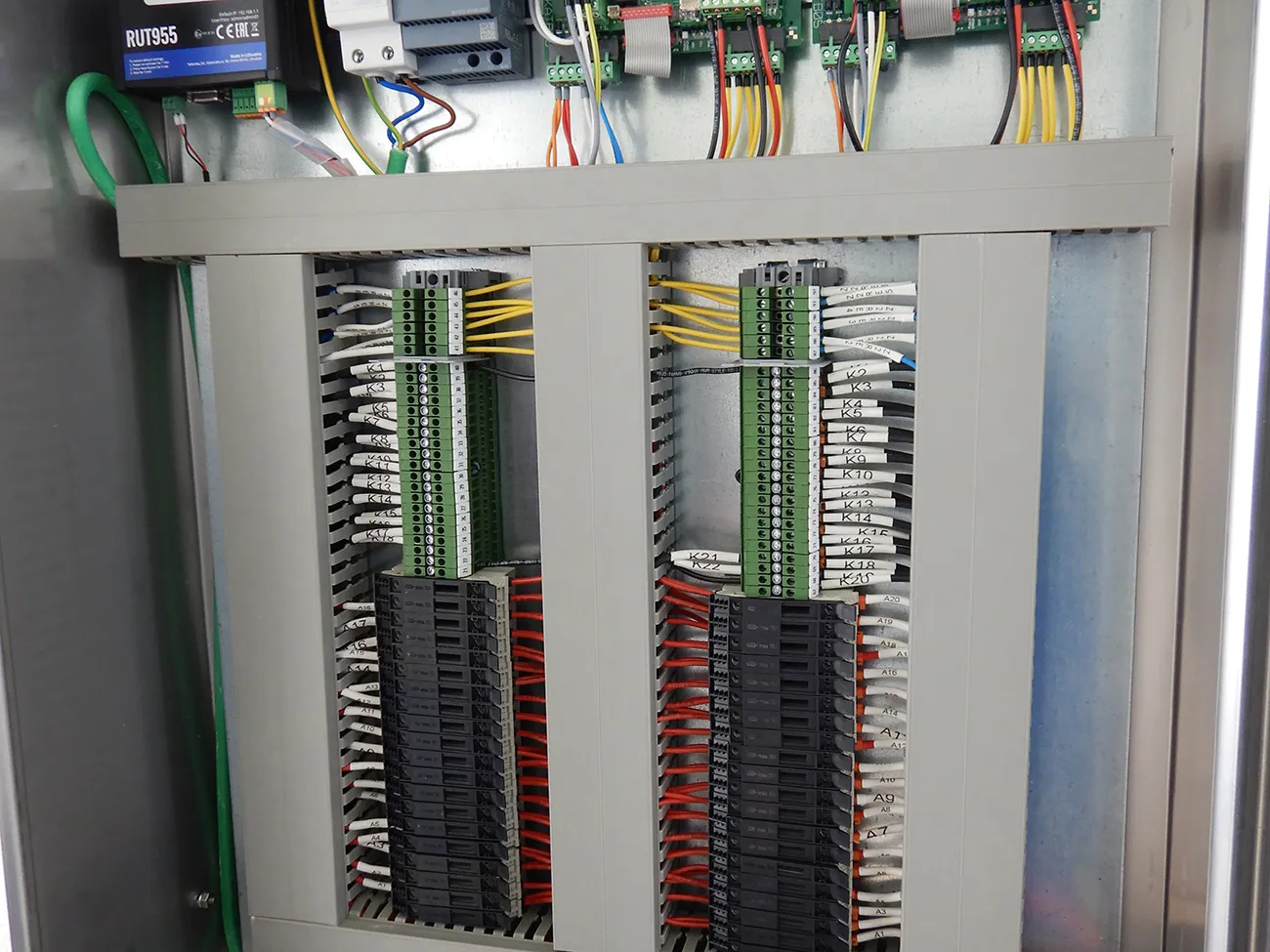
Meeting all requirements
Vogel Belgium is also highly satisfied. “Working in an environment where it is important to make clear agreements and honour them is entirely in keeping with our principles. Open communication and completing the work within the deadlines agreed together are fully aligned with our philosophy. Good planning and strict scheduling enabled us to deliver another project of note in Westerlo,” says director Koen Driessens. “It proves that an impressed current cathodic protection system can be designed, installed and commissioned correctly down to the last detail, while meeting all the requirements set out in European standard EN ISO 12696. The end result is proven protection for the reinforcement in the concrete floor slab, demonstrated at all times through periodic monitoring. In addition, the system was installed in an ATEX zone, which meant that the design of the cathodic protection installation had to take account of an additional requirement limiting the maximum permitted current in the current-carrying cables, in order to comply with all the necessary safety regulations imposed by Agfa-Gevaert.”
A close-knit team
Johan Verheyen, Manager Real Estate at Afga-Gevaert, looks back on this special project: “The feasibility of repairing the structure was a crucial objective for us, given the importance of the production facilities in the building and the prohibitive cost of ‘relocating’ them to an alternative site. The works had to be scheduled between strict milestones. Access to the underside of the concrete structure was severely restricted by suspended piping carrying various services. Finally, the safe commissioning of the cathodic protection system in an ATEX environment had to be guaranteed by a commissioning report from an independent inspection body. We overcame all these challenges as a close-knit team. Everyone involved showed that they were willing to go the extra mile to bring this project to a successful conclusion.”
Question about this story? Ask your question
Keep following this
Get an email when a new story is published. No account needed.
- SubjectGeneral







