











Choose windows with the environment and energy optimisation in mind
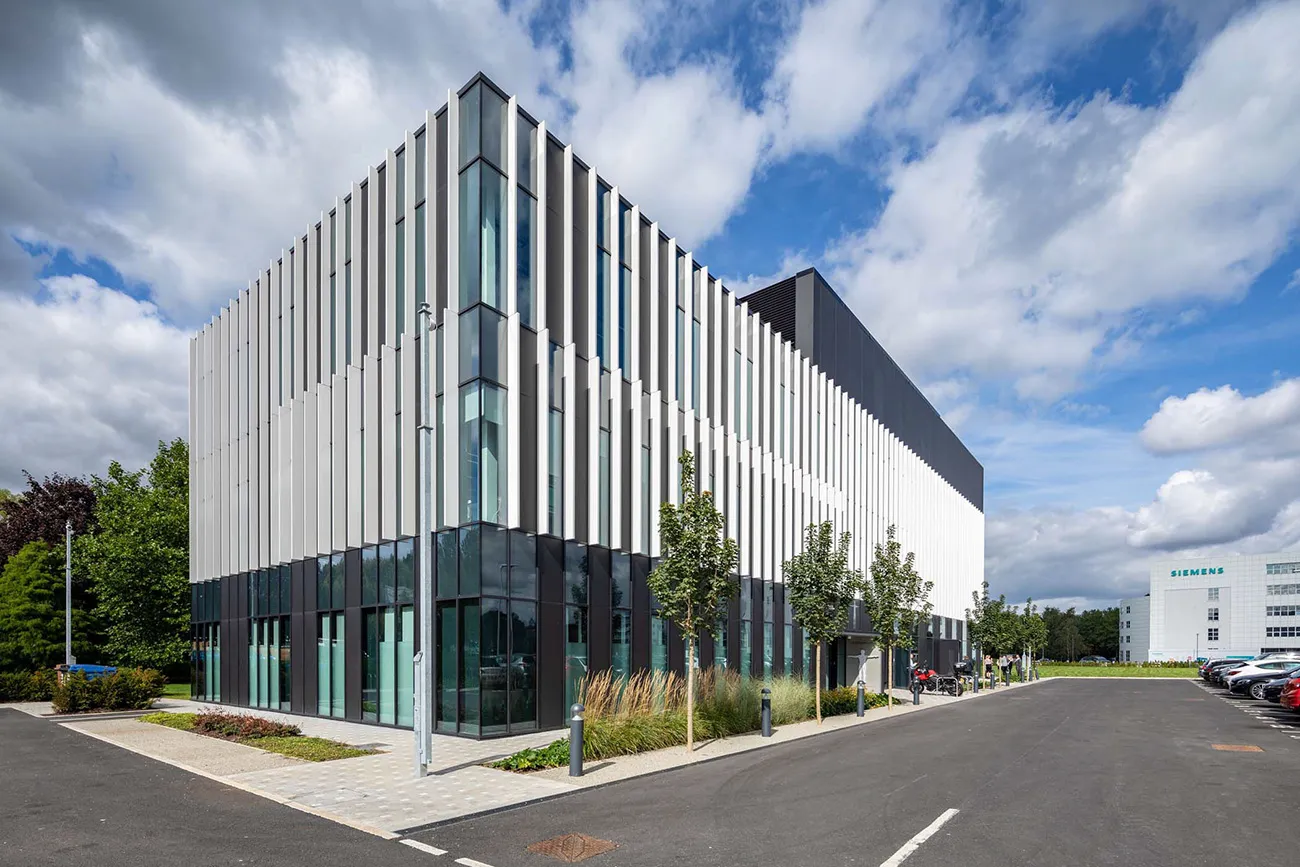
Rising energy prices and gradual, but inevitable, climate change mean that building designers and constructors must pay more attention than ever to issues such as energy consumption. Choosing the right windows is one of the basic elements of managing energy demand. Which solutions best protect the environment and the pockets of investors and future users?
Large windows, fewer worries
Until recently, it was assumed that large glazed areas were not a good solution, whether in a hot or a cold climate. This was due to a lack of effective ways to prevent rooms from heating up through glazing, as well as significant heat loss caused by the inadequate thermal insulation of windows.
Today, this is no longer a problem. On the contrary, equipping a building with large glazed areas ensures effective management of natural energy, and modern window and door solutions can even be used in passive buildings.
The glazed façades we design using the MB-104 Passive system, which has been certified by the Passive Institute Darmstadt, meet all the requirements for windows in passive buildings. Their additional advantage over other systems is that they are made of aluminium and are therefore fully recyclable. It is safe to say that, by equipping a building with large glazed areas and aluminium profiles, the investor achieves both energy optimisation and a reduction in the issues associated with the possible demolition or disposal of components, explains Emmanuel Gregoire, Managing Director at Aluprof Belgium NV.
Optimising energy consumption with large glazed areas: 4 ways
How can well-chosen windows and glazing help improve energy distribution in a building?
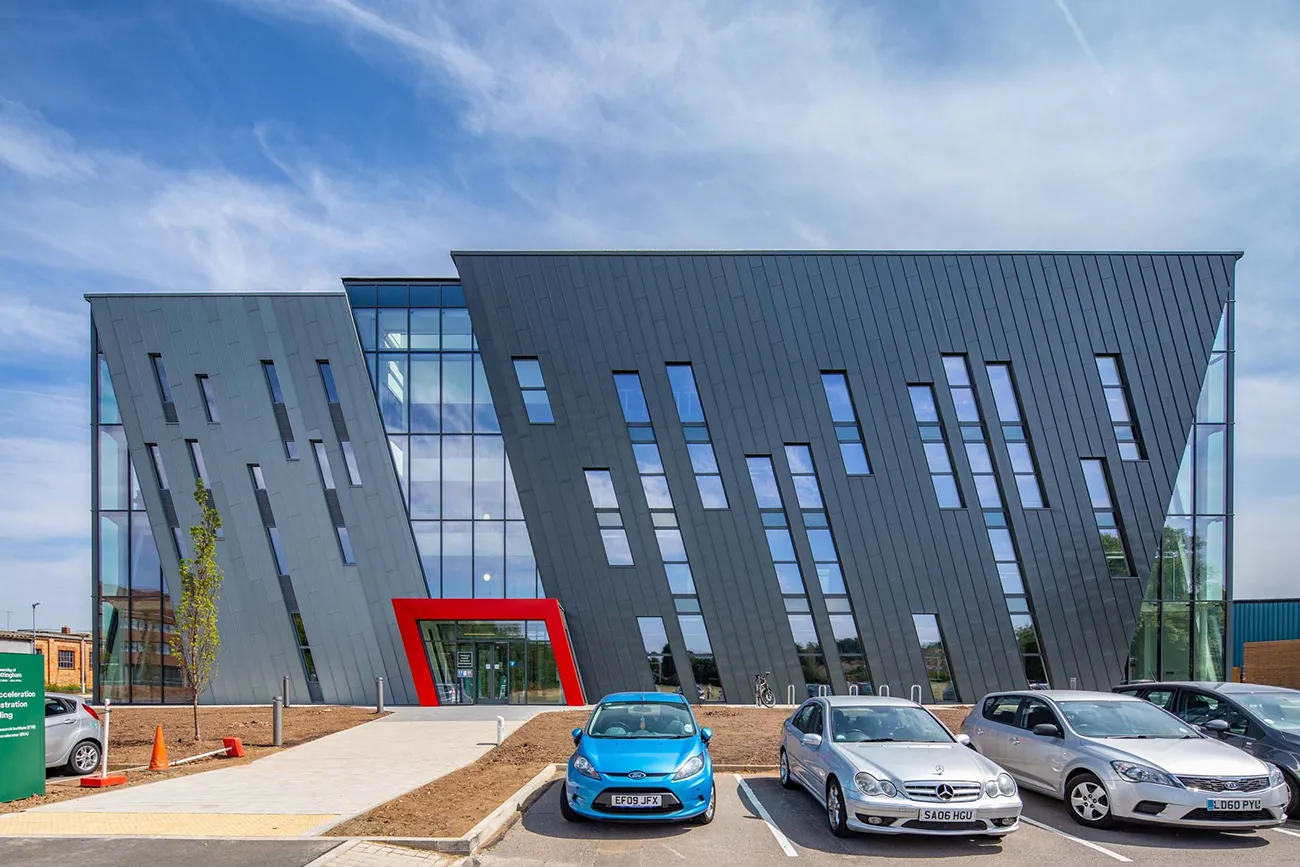
Energy recovery through glazed façades
Under the provisions of the COP26 climate summit, all new buildings and infrastructure must reduce their carbon footprint by 40% by 2030. By 2050, new buildings must have a net-zero carbon balance[i]. Achieving this requires solutions that enable better management of energy consumption throughout the year. Large glazed areas are one such solution. However, the glazing must not be just any glazing. It must provide daylight and the opportunity to heat the space with solar energy in winter, while also offering high thermal insulation, limiting heat loss and, during periods of more frequent storms and gusts of wind, providing high durability and resistance to water and wind.
One such solution is the MB-104 Passive system, designed for manufacturing various types of external architectural elements, including windows, doors, shopfronts and spatial structures. Thanks to the thermal break in MB-104 Passive, it can be used in buildings with the highest energy efficiency and passive-building requirements.
Controlled room heating with screens
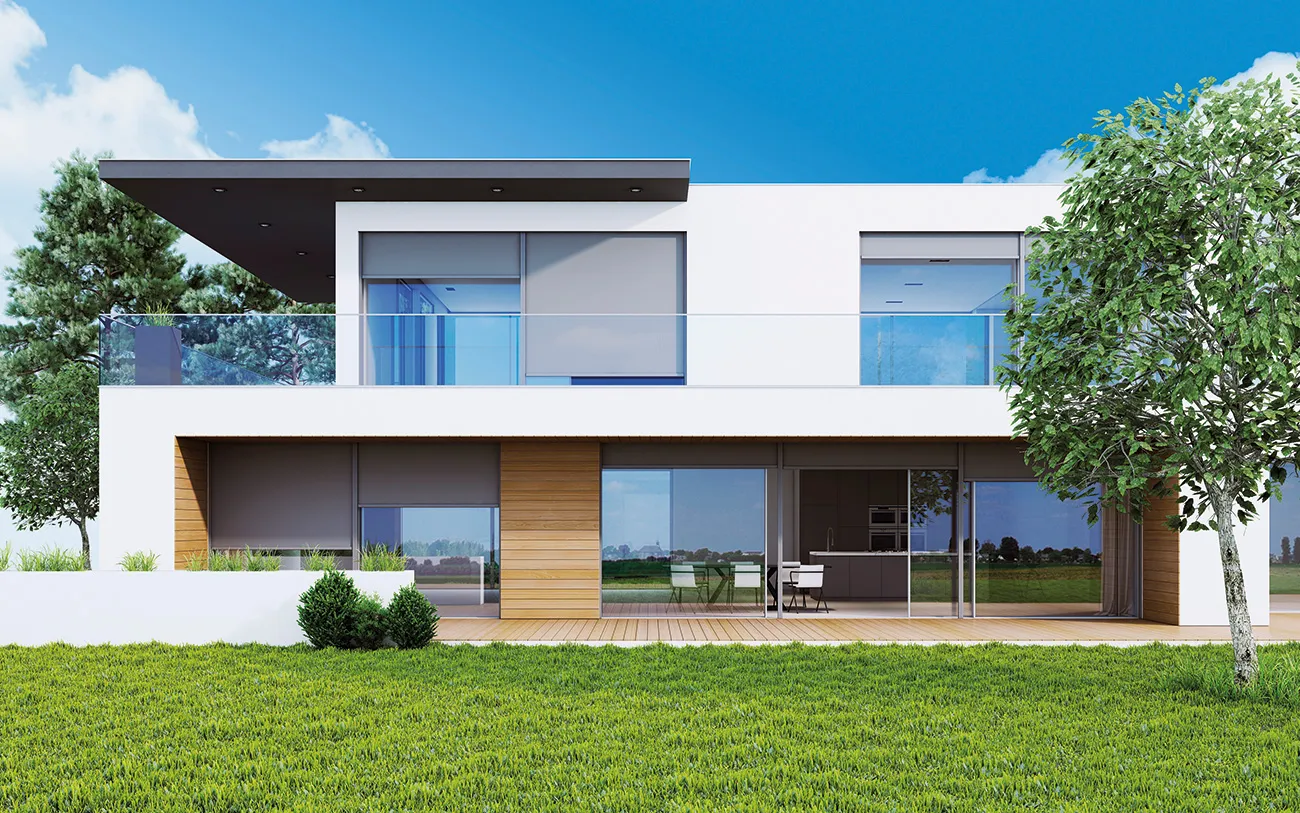
In summer, large glazed surfaces can seem problematic because of the high levels of sunlight entering rooms and heating them up. The expert use of solar shading systems (Skyroll ZIP or ECO) can help address this issue. Screens made from technical fabrics provide an optical barrier to light and protect against excessive sunlight in rooms where daylight is needed and people are present during the day. Where this is not necessary, external roller shutters are sufficient. They are also highly effective in winter at protecting rooms against heat loss.
Glass roofs: modern and bright
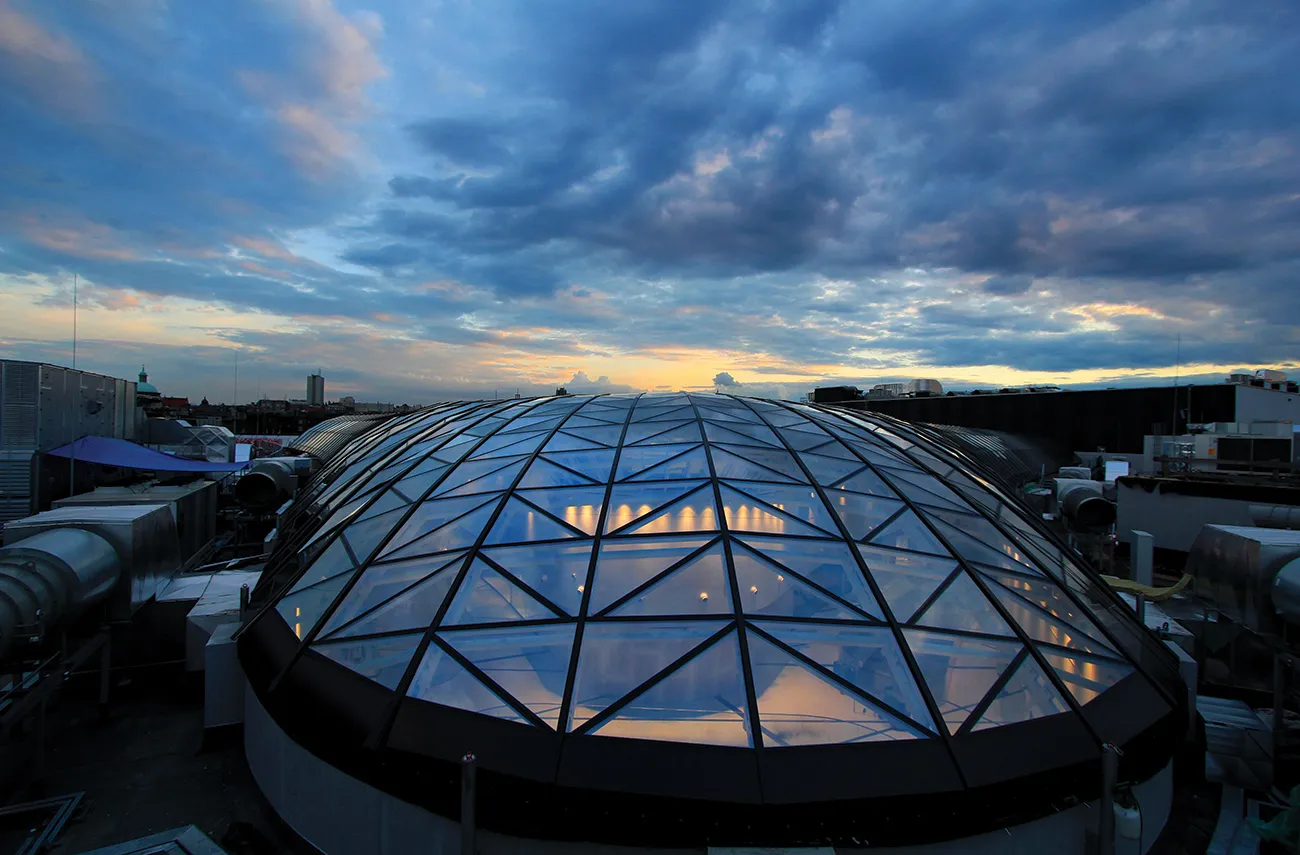
Glass roofs are a particularly interesting solution from an energy-saving perspective. Although they are mainly used in commercial buildings, they can also be used in residential construction. They provide excellent daylight in rooms and reduce the cost of artificial lighting. As with windows and glazed façades, they can be fitted with solar shading to help control room temperatures on hot summer days.
Sustainable aluminium
Modern, environmentally friendly construction must not lose sight of its carbon footprint. This is generated not only by the use of a building, but also by its construction, modernisation and demolition. Choosing building materials and technologies in line with sustainable development is fundamental to applying for all types of environmental certification.
We encourage the use of aluminium, not only for its durability and aesthetic qualities, but above all because it is a material that can be recycled almost indefinitely, like no other, emphasises Emmanuel Gregoire. At Aluprof, we mainly use reclaimed aluminium, which accounts for more than 65% of our total use. This allows us to save up to 95% of the energy required to produce primary aluminium. Recycling aluminium can also reduce water consumption by as much as 97% and air pollution by 95%. Thanks to these high environmental credentials, some of our products have received Cradle-to-Cradle certification, confirming that they can be used in a circular economy. Aluprof glazed façade systems can be found in buildings that have readily achieved BREEAM or LEED certification, which recognises green, sustainable buildings, explains the expert.
Let’s Build a Better Future
Responsible design and the selection of construction and finishing elements that enable energy optimisation are the personal responsibility of every architect, developer and investor in the face of today’s climate change. Their choice of windows, glazing systems and solar shading will determine whether future users can live or work comfortably in these buildings. It pays to make informed choices.
Article sponsored by Aluprof
ALUPROF BELGIUM NV
VAT BE: 0631.791.484
VAT BE: 0631.791.484
Zeelsebaan 61, 9200 Dendermonde
+32 52 258 110
aluprof.com/nl
[i] From the WorldGBC Advancing Net Zero Status Report
A business enquiry for Aluprof? Get in touch
Companies in this story
Keep following this
Get an email when a new story is published. No account needed.
- SubjectGeneral
- CompanyAluprof







