Aluminium sector poised to accelerate despite challenges
Text and images Kris Vandekerckhove
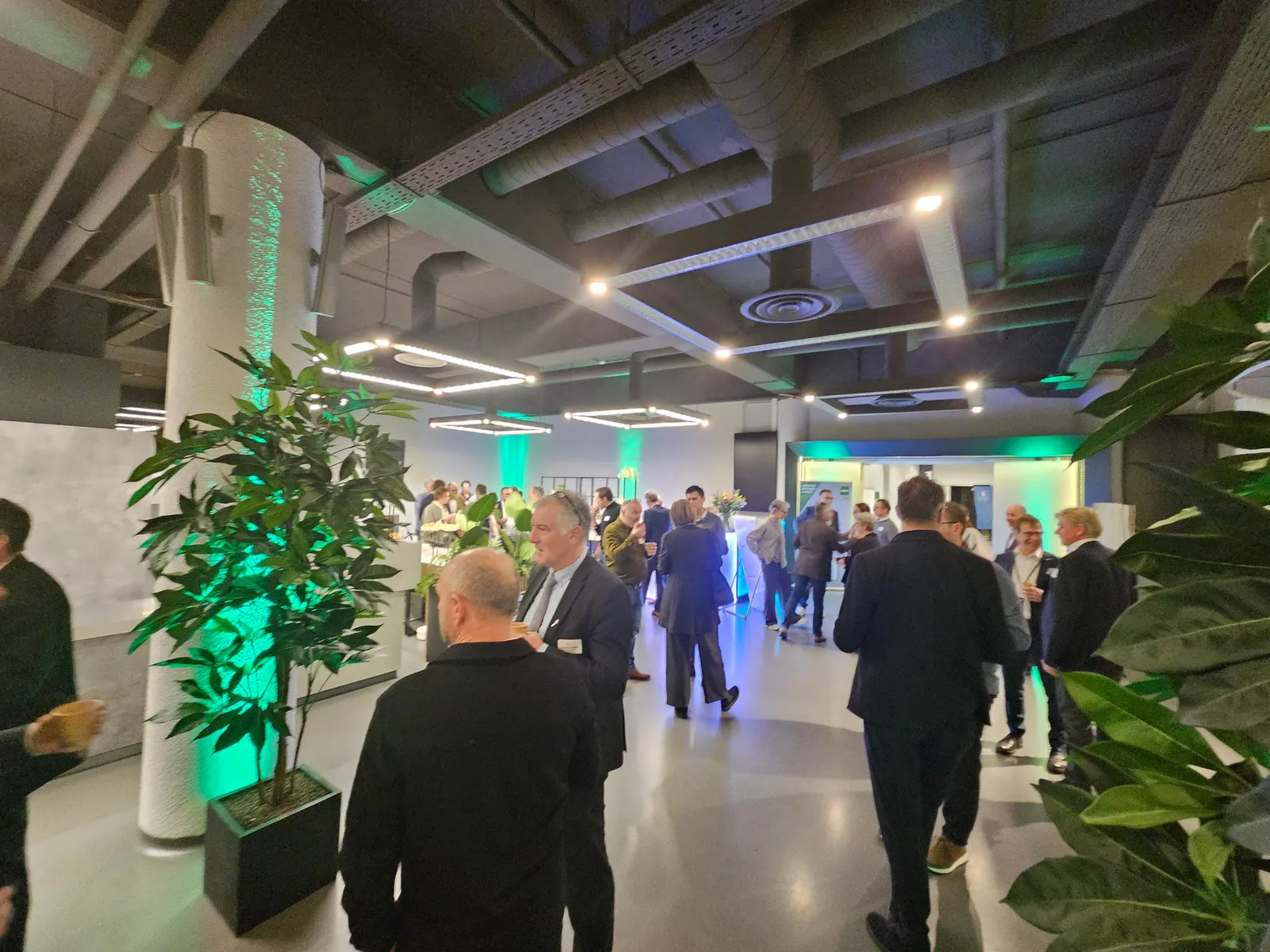
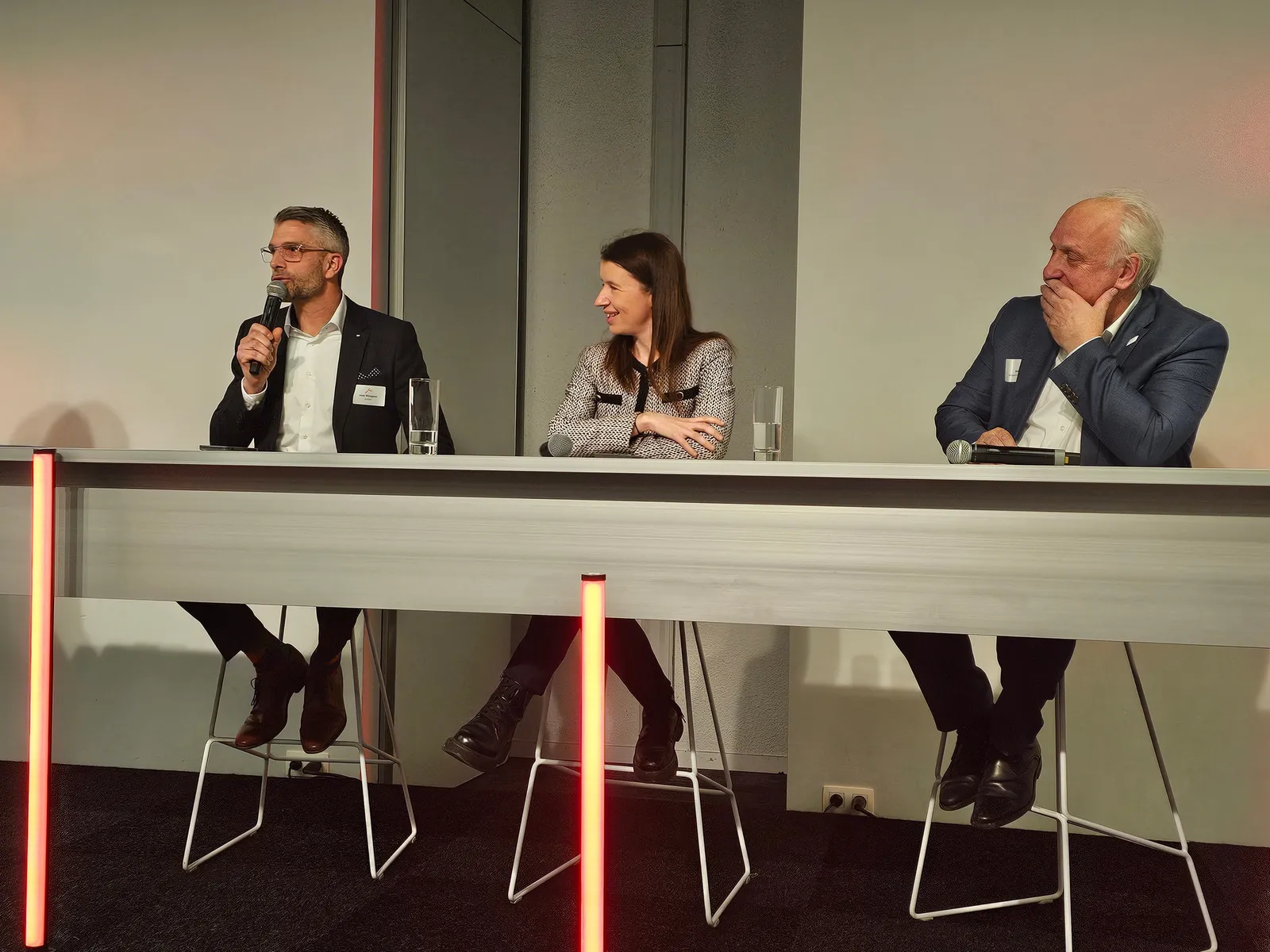
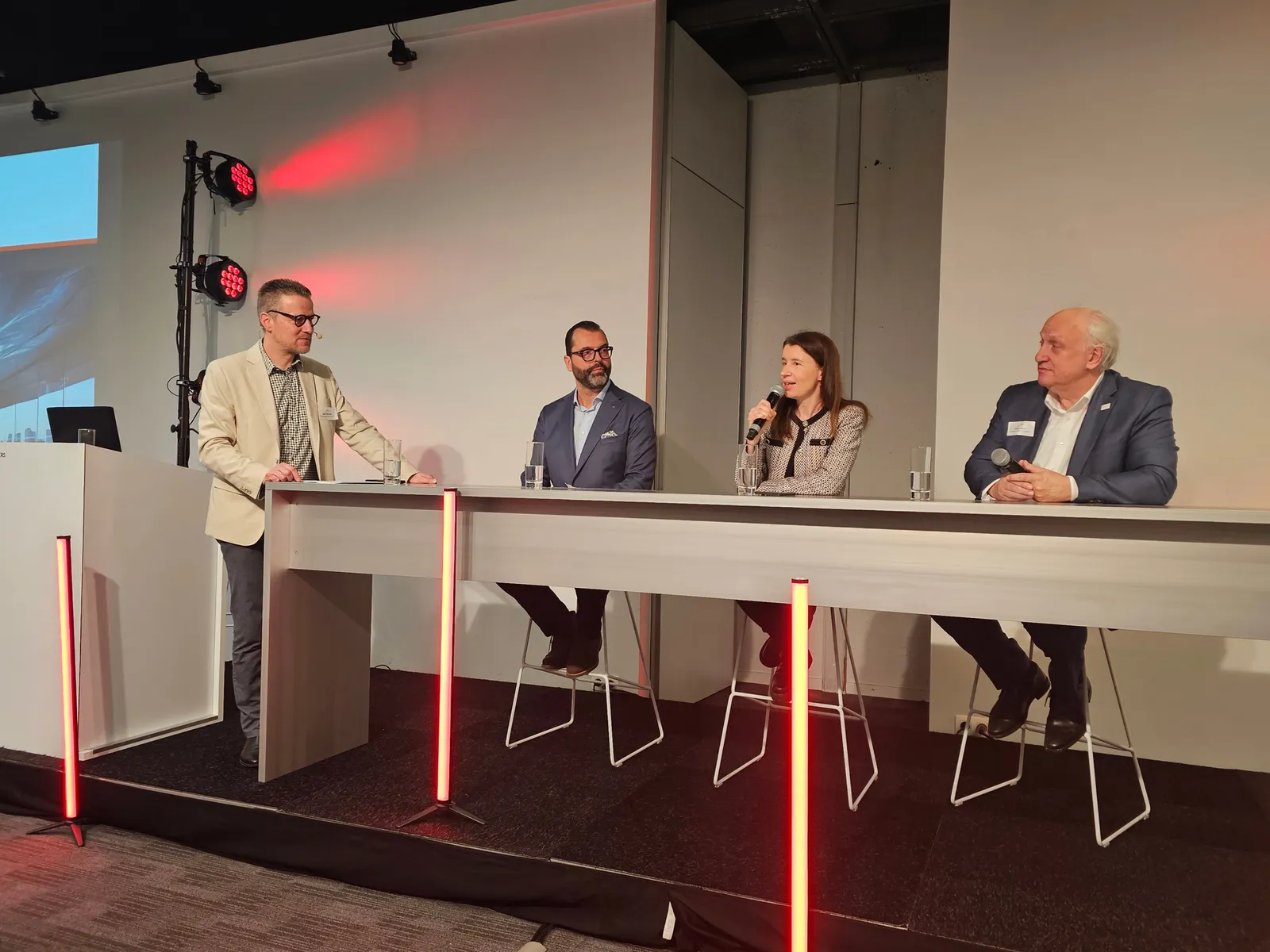
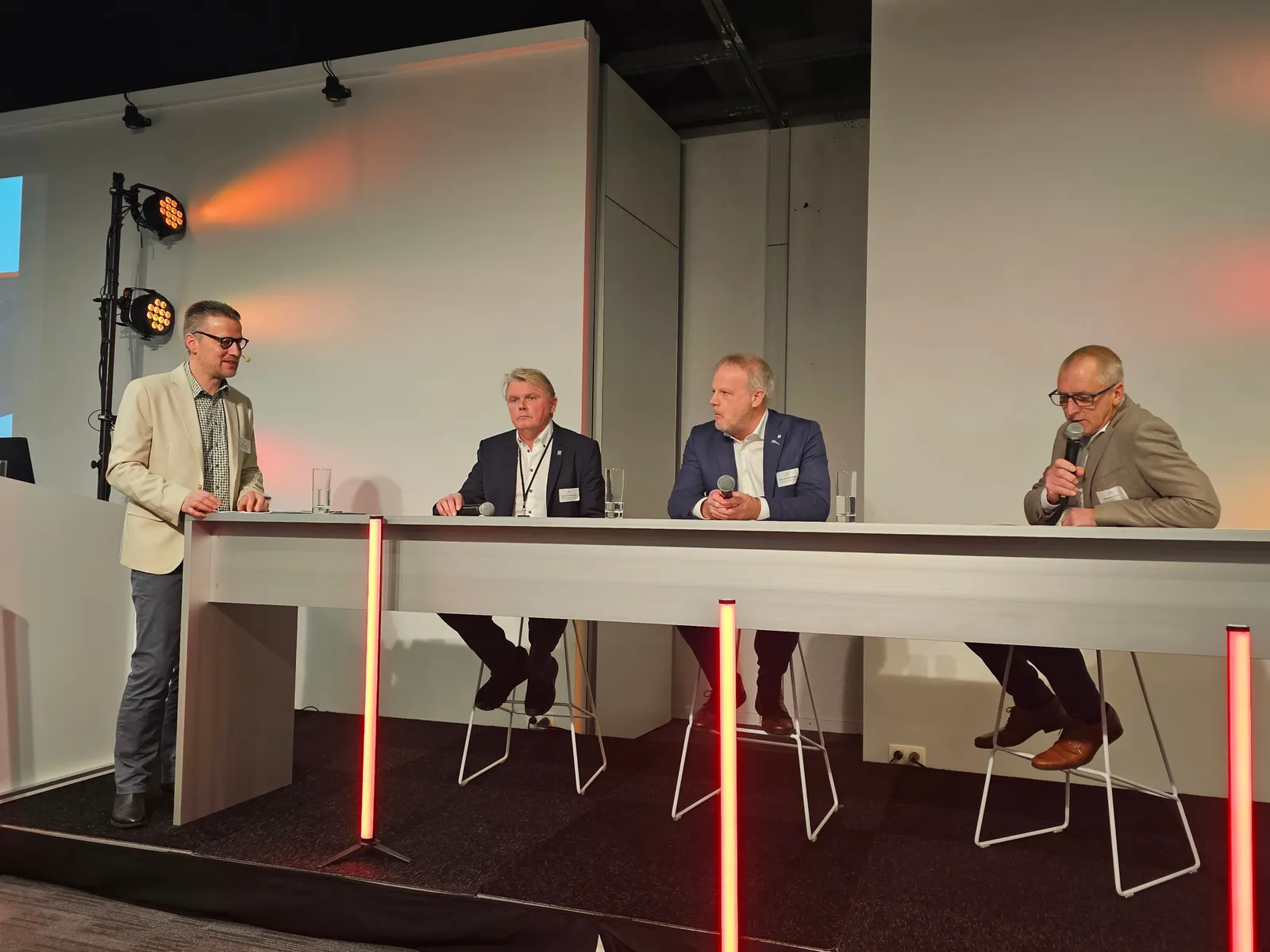
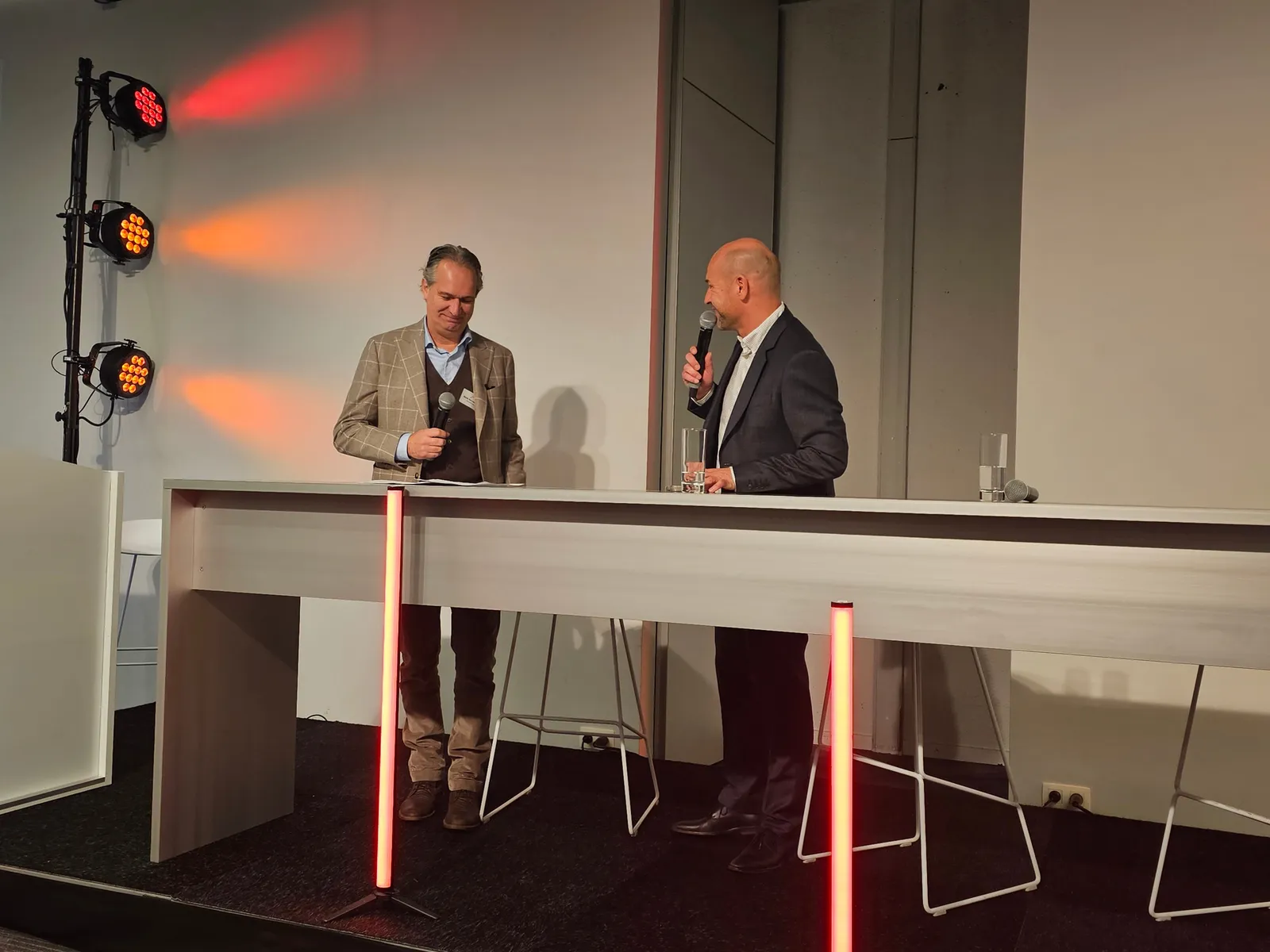
At the round-table discussion ‘The future of aluminium joinery and façade construction’, organised by the Federatie Aluminium Constructeurs (FAC) at Polyclose in Ghent, the sector discussed its future. Representatives from industry, architecture and trade associations considered market developments, sustainability and innovation. The conclusion was clear: the sector faces significant challenges, but also has strong structural advantages.
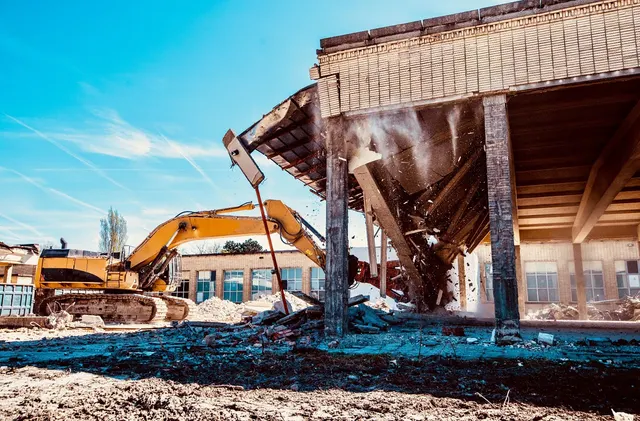
The construction sector is navigating choppy waters. The housing market in particular has been in decline for several years, partly because of planning permission issues and the lingering effects of the energy crisis. “Since Covid and the energy crisis, the construction industry as a whole has been struggling,” said Caroline Deiteren, director-general of Embuild Vlaanderen. “Housing construction has been on a downward trend for some time. The number of planning applications is at an unprecedented low. This is partly because the process takes exponentially longer than it did a few years ago.”
However, the round-table discussion was far from all doom and gloom. Activity remains possible in various niche markets, particularly for companies that respond flexibly to market conditions and focus on quality. Renovation offers opportunities, although panellists said the pace of growth remains too slow. “Given the challenges we face, renovation should really be growing much faster,” said Deiteren.
In the longer term, the need to build and renovate is undeniable. Flanders faces a major housing challenge, with an ageing housing stock and stricter energy requirements. “At some point, things will start moving again,” said Emmanuel Grégoire, managing director at Aluprof Belgium. “The outlook for construction is fundamentally good, simply because the need is there. I see 2024 as a year of malaise, 2025 as a crisis year and 2026 as a year of transition towards 2027.”
Margin pressure and the need to collaborate
Profitability is under pressure as well as volumes. Price competition, rising costs and staff shortages are weighing heavily on the sector. “The issue today is not the number of projects, but the bottom line,” said Emmanuel Grégoire. “Some players are putting too much pressure on prices, and that is taking its toll.”
Against this backdrop, there is growing recognition that scaling up and collaboration are essential. The supply chain is moving from a series of separate links towards closer partnerships between systems suppliers, extruders, fabricators and designers. Collaboration is no longer a ‘nice-to-have’, it is a prerequisite for remaining future-proof.
Digitalisation plays a key role in this. BIM was repeatedly cited as a way to improve efficiency and reduce the cost of errors. “BIM is not a marketing tool,” said John Eyers, CEO at Jaspers-Eyers Architects. “It needs to be implemented throughout the entire supply chain.” At the same time, panellists acknowledged that putting this into practice remains challenging and that true supply-chain integration is often still lacking.
Circularity takes more than recycling
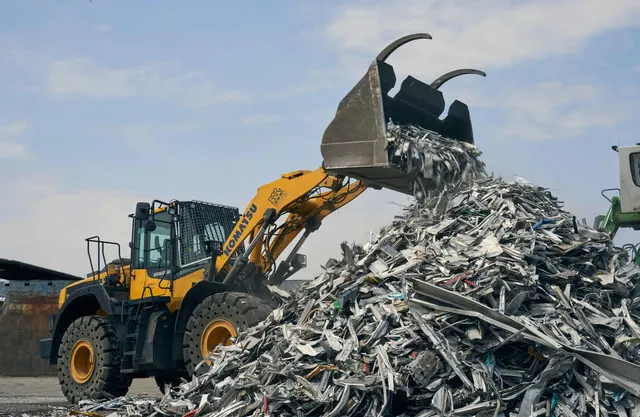
The second part of the round table focused on sustainability and circularity, areas in which aluminium has traditionally been strong. The material is virtually infinitely recyclable, and recycling it requires just 5 % of the energy needed to produce primary aluminium. “That represents a huge energy saving,” panellists emphasised.
However, speakers warned against focusing too narrowly on recycling alone. “Circularity is about more than just recycling,” said Hendrik Claes, QESH manager at E-MAX. “It starts with design: reduce, re-use and only then recycle.” Design for disassembly, reuse and extending product life are at least as important.
In addition, the availability of recycled aluminium is still fairly limited. “On average, post-consumer aluminium meets only around 40 % of demand,” said Kurt Van den Bergh, technical manager at Reynaers Aluminium Benelux. Ambitions must therefore remain realistic and take the global climate picture into account.
Transparency with the outside world, and especially between the sector’s various stakeholders, emerged as a key differentiator. “With aluminium, everything can be measured objectively and traced,” stressed Danny Decaluwaert, project manager SAPA at Hydro Building Systems. “The data are verifiable and independently audited. That is essential for communicating about sustainability credibly.”
Innovation beyond the product
The closing debate shifted focus to innovation and the vision for the future. The discussion was not just about new products, but above all about processes. “Construction is still one of the least digitalised and industrialised sectors,” said Joep Römgens, head of service, marketing & productmanagement at Schüco Benelux. “That makes us vulnerable.”
Industrialisation, prefabrication and modular construction methods were cited as necessary responses to the structural labour shortage. At the same time, there was a call for greater self-confidence. “We often underestimate how strong our position in Europe is,” said John Eyers. “We are leading the way in construction quality and innovation.”
The FAC round table made it clear that the aluminium sector is at a turning point. The challenges are considerable, but those who focus on collaboration, digitalisation and a broad approach to sustainability can not only weather the storm, but also help shape the construction landscape of tomorrow.
Een zakelijke vraag aan Federatie Aluminium Constructeurs (FAC)? Get in touch
Companies in this story

Keep following this
Get an email when a new story is published. No account needed.
- SubjectCircular construction
- CompanyFederatie Aluminium Constructeurs (FAC)
- CompanyAluprof
- CompanyReynaers Aluminium
- CompanySAPA