











Fedris, Constructiv and FPS WASO explain figures and statistics on occupational accidents in the Belgian construction sector
Text Geert Van CauwenbergeImage Geert Van Cauwenberge, Pexel
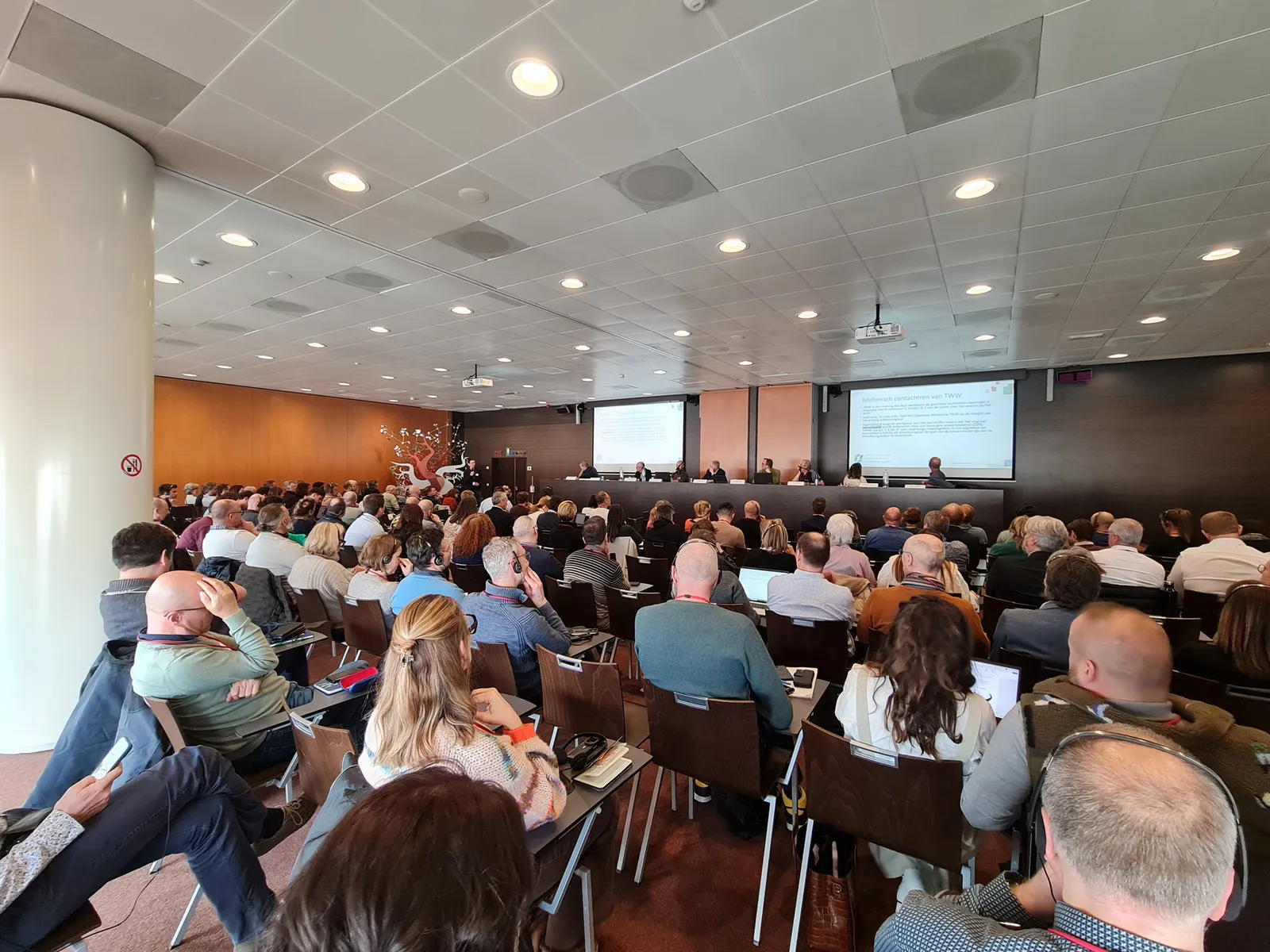
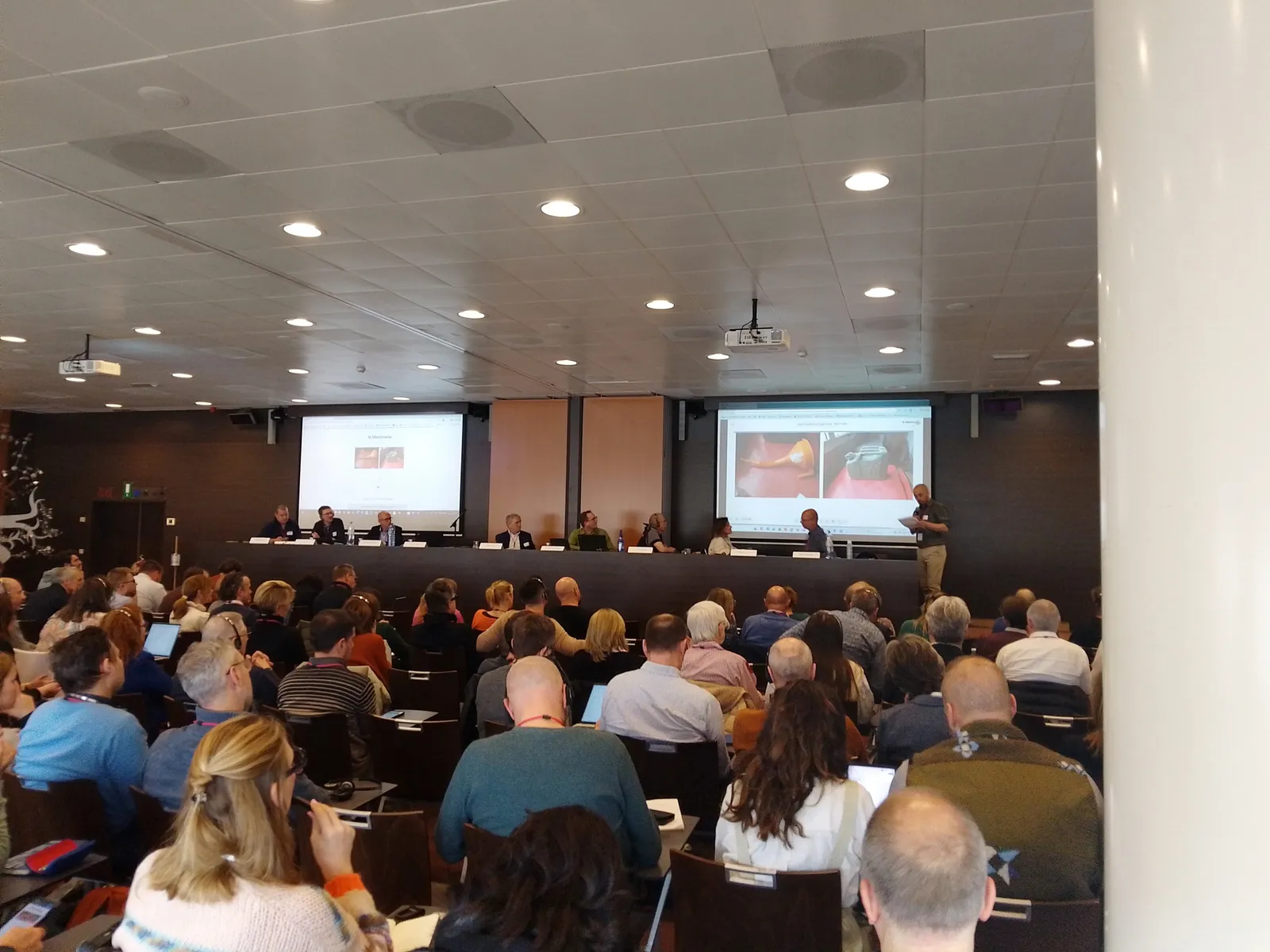
A study morning on 31 March, organised by Fedris, Constructiv and FPS WASO’s Supervision of Well-being at Work, revealed the mixed picture of occupational accidents in the construction sector. On the one hand, the figures show clear progress; on the other, the sector continues to face a persistently high risk profile. For construction professionals, the challenge is no longer raising awareness, but consistently translating insights into practice.
Over the past 25 years, the number of occupational accidents in the Belgian construction sector has fallen significantly. More than 27,000 accidents a year were recorded in 2000, compared with around 10,500 in 2024. This decline points to growing safety awareness and the impact of preventive measures.
There is little reason for complacency, however. When the number of accidents is measured against the number of workers, construction remains one of the most dangerous sectors in Belgium. The construction sector’s share of fatal accidents has also remained remarkably stable relative to the private sector as a whole. In other words, while the absolute figures are falling, the relative risk remains persistently high.
Risks follow clear patterns
One key insight from the analyses is that occupational accidents rarely happen at random. They tend to occur at specific times during the working day, with peaks in the late morning and mid-afternoon. Fatigue, routine and the performance of more complex tasks all play an important role.
Seasonal factors also have a bearing. Accidents increase particularly in spring and autumn, with March a critical month. The combination of work restarting after winter, increased site activity and changeable weather creates a heightened risk. These patterns provide a practical basis for targeted prevention, such as additional briefings at critical times.
Risk varies considerably by worker profile
Not all construction professionals face the same risks. Multi-skilled construction workers account for more than one fifth of all occupational accidents, reflecting their broad range of duties and varied working conditions. Structural workers, joiners, electricians and roofers are also among the groups most affected.
The types of injury show clear similarities. Hands and fingers are affected most often, followed by feet, ankles and the back. The risk of serious injury is considerably higher when working at height, as roofers do. This underlines the importance of a tailored approach for each occupation.
Small causes, serious consequences
Notably, occupational accidents rarely result from one major mistake. They often stem from a combination of minor shortcomings: a cluttered site, unclear pedestrian routes, insufficient training or a moment of inattention.
That is also where a significant opportunity lies. Simple measures such as good housekeeping, clear signage and better work organisation can have a major impact. Prevention does not always have to be complex or technology-based; above all, it requires consistency and discipline.
Young and older workers need different approaches
Age is a crucial factor in the risk profile. Young workers are more frequently involved in accidents, mainly because they lack experience. Their injuries are usually acute, such as cuts to the hands and fingers. Guidance, training and mentoring are essential for this group.
Older workers, by contrast, are less likely to have an accident, but face a greater risk of serious injuries, often related to falls or physical overexertion. For them, the focus should be on ergonomics and adapted work organisation.
From insight to action
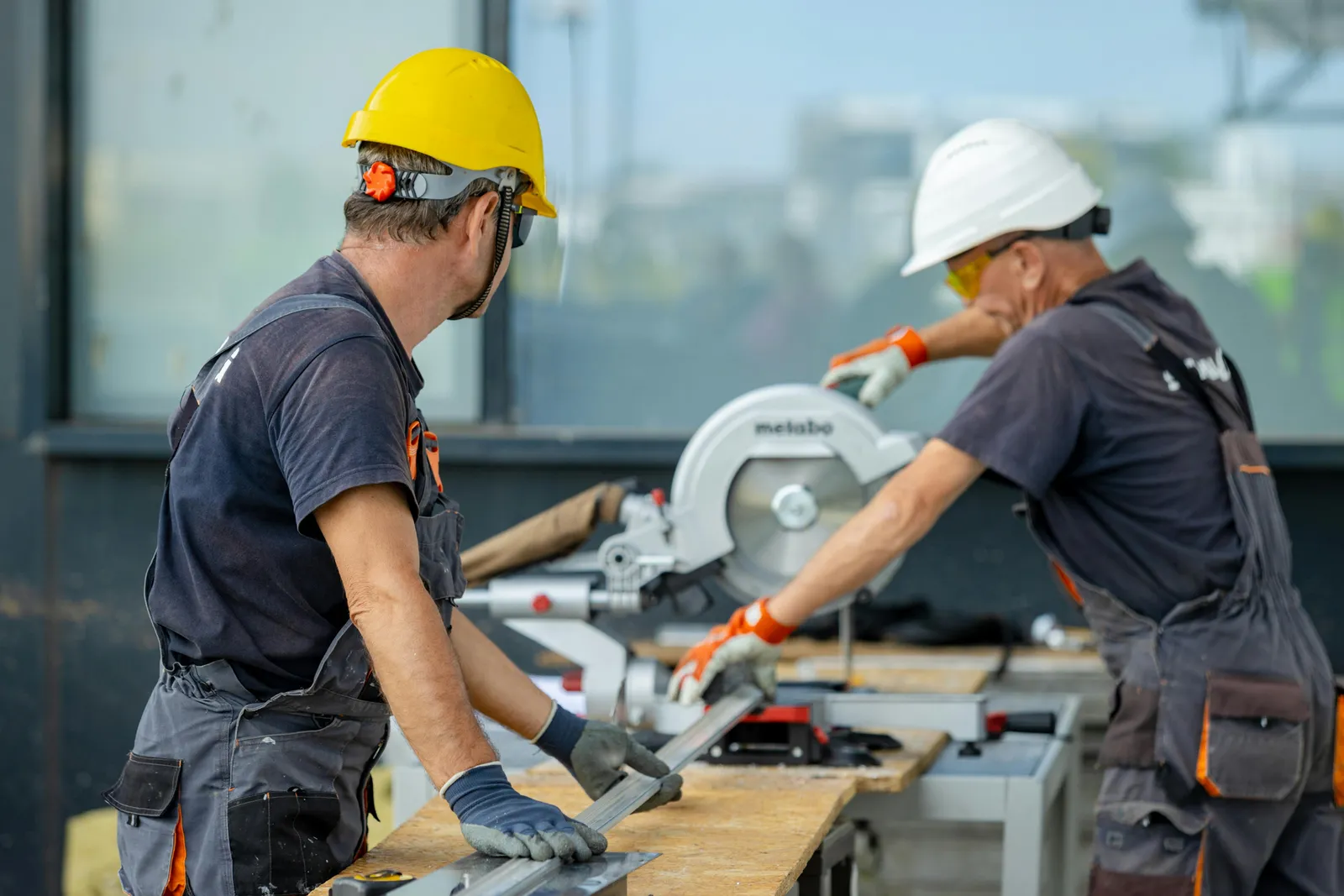
Despite their proven effectiveness, personal protective equipment is still used inconsistently too often. Gloves, safety glasses and fall protection are regularly missing, while safety footwear is worn more often. This points to a combination of underestimated risks, insufficient supervision and behavioural factors. This is one area where quick wins are possible: the correct and consistent use of personal protective equipment (PPE) can prevent a large proportion of injuries.
The study morning’s central message was clear: figures alone are not enough. The key is to turn all the insights into practical measures on site. Focusing on high-risk moments, maintaining seasonal vigilance, tailoring the approach to different worker profiles and consistently applying safety measures are all essential.
Question about this story? Ask your question
Keep following this
Get an email when a new story is published. No account needed.
- SubjectGeneral







