











Fire safety guidance for electric vehicles
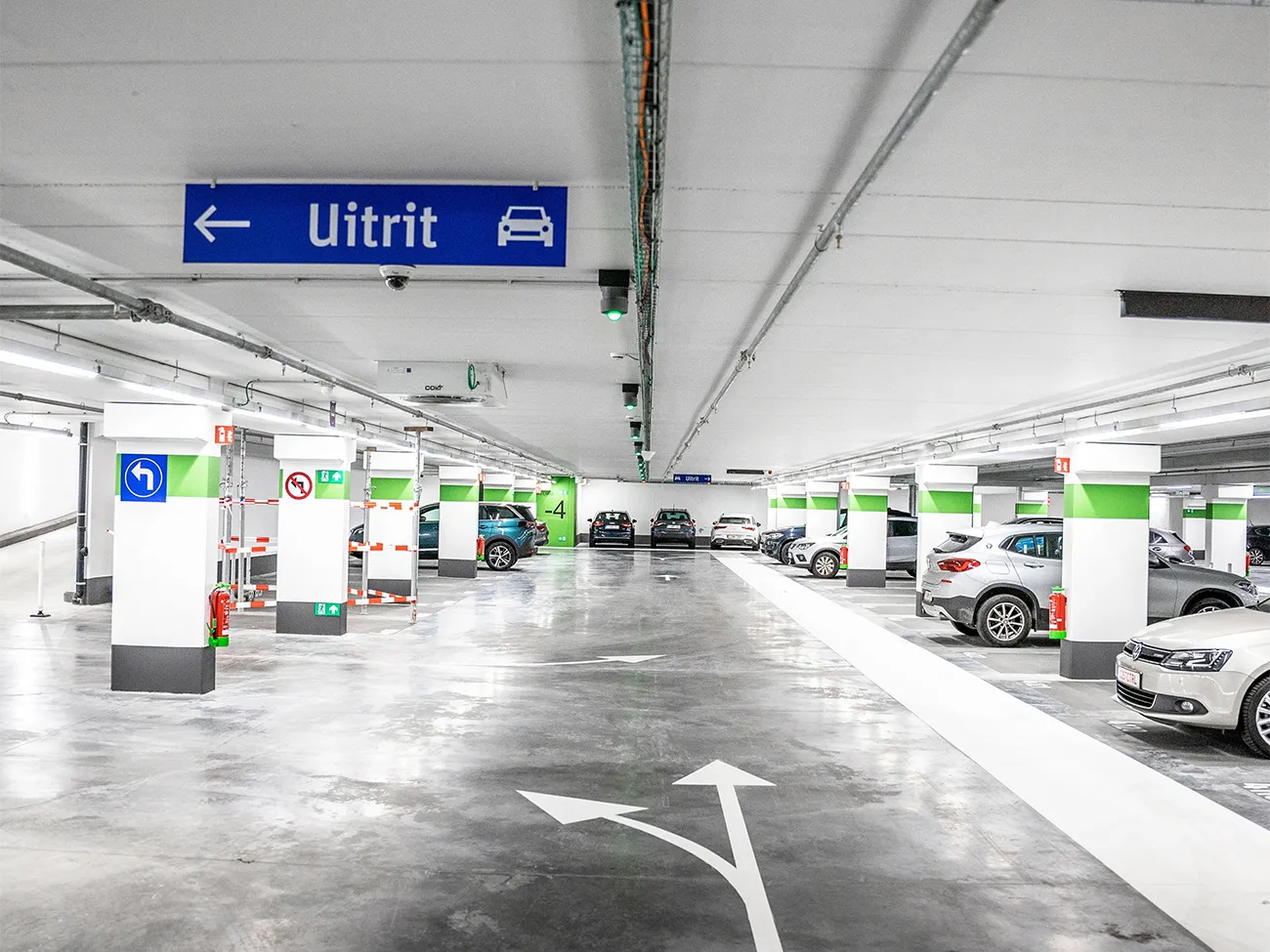
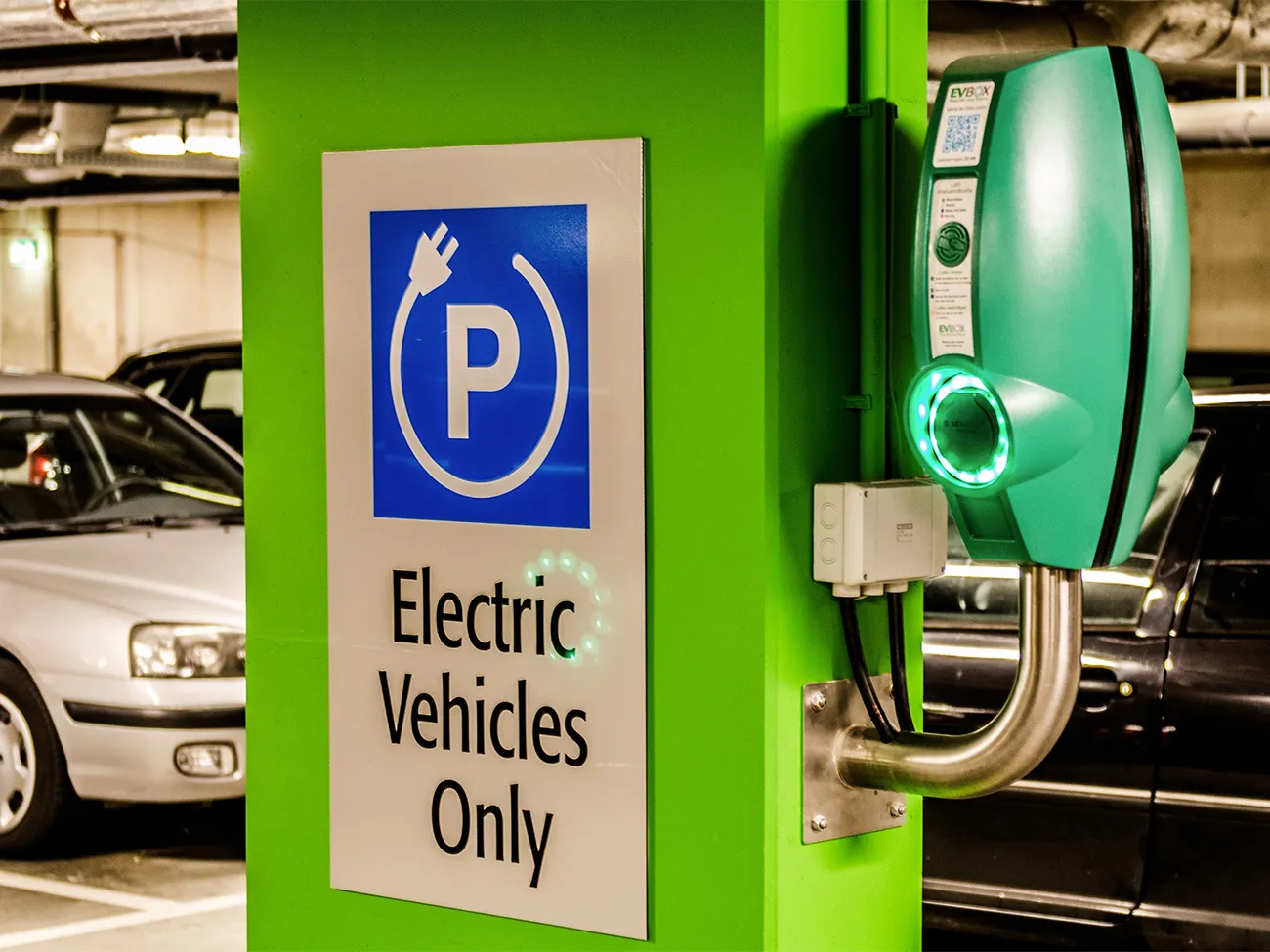
Electric vehicles are becoming an increasingly common sight on our roads, and charging infrastructure, including underground facilities, is being installed in various locations. Yet more and more questions are being raised about the fire safety requirements that should apply, particularly in car parks. There is, after all, no consistent legislation on the subject yet. Fireforum therefore set up a consultation platform to identify robust ‘best practices’. Its Code of Good Practice (RGV) was published on 16 September 2021. Today, this document is already being used by architects, engineering consultancies and others as a reference for fire safety relating to electric vehicles in car parks. In Flanders, since 1 December, fire service zones have been including the document in their recommendations for implementation. Other fire service zones will undoubtedly follow.
No consistent legislation yet, but ‘best practices’ mapped out
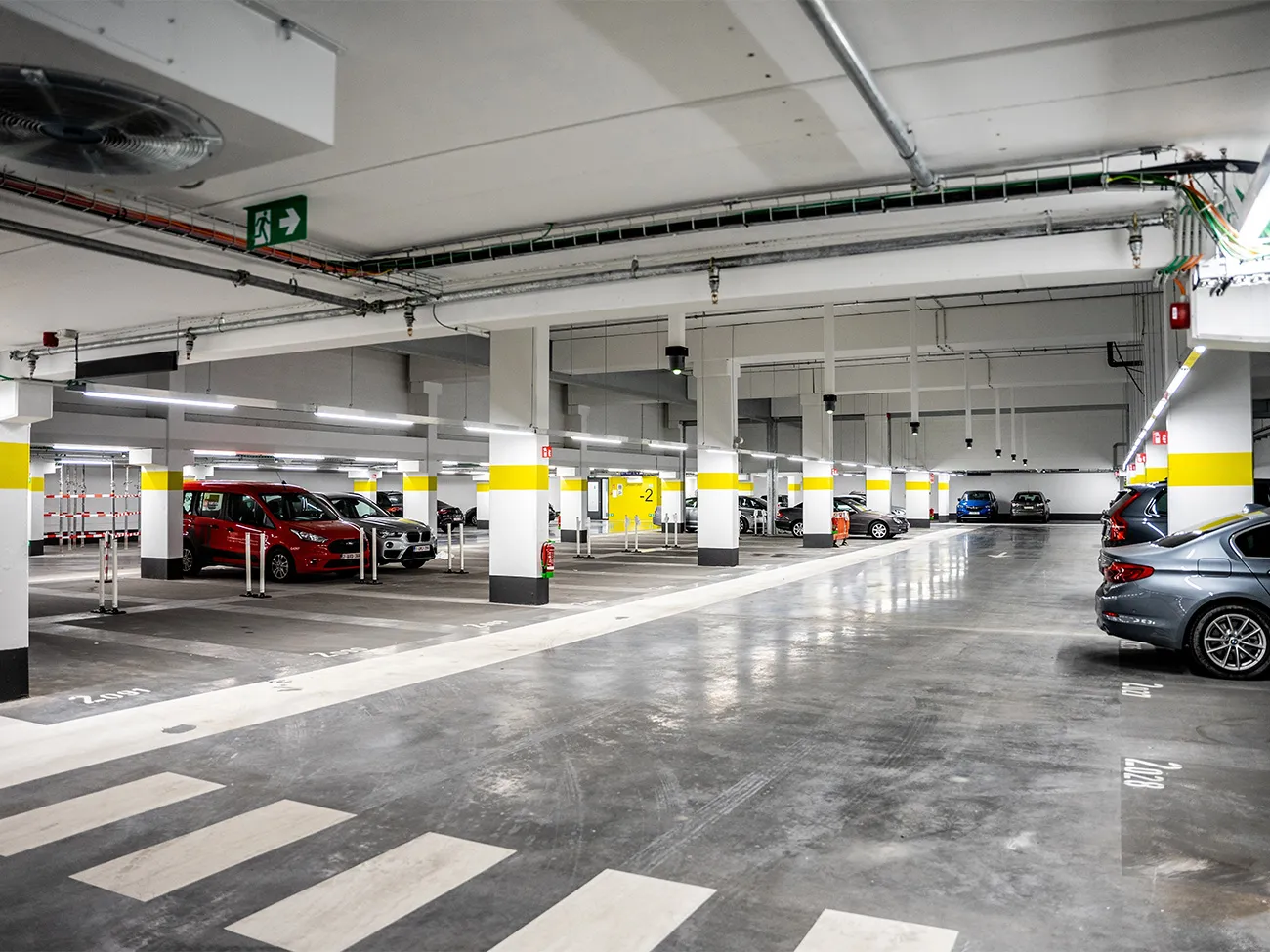
As a Fire Safety Engineer, Ing. Robby De Roeck of Kingspan Light & Air Belgium is often involved in the most complex fire safety cases on projects, always in close consultation with the Federal Public Service Home Affairs (through derogation applications) and the fire service. He is therefore confronted almost daily with the current shortcomings in our legislation on this subject. “Let’s get straight to the point: at present, there is simply no (consistent) fire safety legislation covering EVs and charging infrastructure in car parks. Since 2014, a working group set up by the Federal Public Service Home Affairs (the High Council for Fire Safety) has been drafting the innovative HR 1632 (future Annex 7 to the Royal Decree on Basic Standards) on fire safety in car parks, but it does not explicitly address solutions for electric cars. This document will become law on 1 July 2022, with the proviso that the solutions described will also be considered safe for electric cars,” says Robby De Roeck. “There was a genuine need for additional, clear guidance, so FireForum took the initiative to set up a working group with the Federal Public Services for Home Affairs and the Economy, the fire service, stakeholders and market players. The group was tasked with mapping out ‘best practices’ in the short term, taking account of current knowledge in this area. The result was recently presented as a Code of Good Practice (RGV) on fire safety, specifically for electric vehicles in car parks.”
Assessing the risks
Every project is unique and therefore requires its own approach to fire safety. In addition to developing a compliant solution, the initial inspection at commissioning and periodic inspections at a later stage are important, as are preventive maintenance and repairs, to ensure that active fire safety systems work properly. Electric vehicles do, however, call for extra attention in this respect. Most electric cars run on lithium-ion batteries, which are potential ignition sources and can cause major problems if they catch fire. They continue to burn, and their temperature can rise exponentially, by 10 °C or more per minute (thermal runaway). A battery between 15 and 25 kWh can produce a car fire of 4 to 6 MW; at 100 kWh, the figure is 8 MW or more. By comparison, a car with a full tank of fossil fuel produces around 6 MW. Flame temperatures reach 800 °C or more. What’s more, the radiant heat from a burning electric car can also set fire to nearby parked vehicles.
Active and passive fire protection
The aim, then, is to prevent fires from starting and to respond decisively when they do. Every car park must comply with all legal requirements, but a fire risk analysis, as set out in the RGV document, may lead to additional measures. “The RGV specifies fire detection, active smoke control and compartmentation as minimum requirements. In addition to good, continuous ventilation, car parks must be equipped with an automatic fire detection and alarm system that quickly alerts the fire service and automatically disconnects the charging points. A smoke and heat exhaust ventilation system (SHEVS) is another minimum requirement. Such systems control temperature and toxicity, give the fire service a better view of the fire and make it easier to approach the seat of the fire without encountering smoke. Compartmentation from parts of the building used for purposes other than parking, as required by law, protects those areas from smoke and fire damage,” explains the Fire Safety Engineer. “The fire risk analysis may also show that additional sub-compartmentation and/or sprinklers are required. After the initial firefighting operations, the vehicle is towed outside by a recovery service, after which it is recommended that it be submerged in a container of water for an extended period. Before recovery work can take place in a smoke-free environment, the underground car park must be ventilated in a controlled manner.”

A step closer to consistency, but …
This RGV is, of course, based on current knowledge and experience. Technology continues to evolve, which means that the requirements will also need to be reviewed. “A lot is happening in the market. I’m thinking of self-extinguishing/non-flammable batteries, car models with an inlet for injecting extinguishing agent directly into the battery, or a standardised type label for every car, enabling the fire service to respond in a more targeted way,” concludes Robby De Roeck. “With this RGV, we have also taken another step towards consistency. As mentioned, since early December this document has been used as a reference by the fire service in Flanders, among others, as well as by architects and engineering consultancies. Opinions in Brussels and Wallonia, however, remain divided. There is still work to be done.”
This document can be downloaded free of charge at https://www.fireforum.be/voorschriften
Question about this story? Ask your question
Companies in this story

Keep following this
Get an email when a new story is published. No account needed.
- SubjectGeneral
- CompanyKingspan







