











Good lighting is essential when working from home
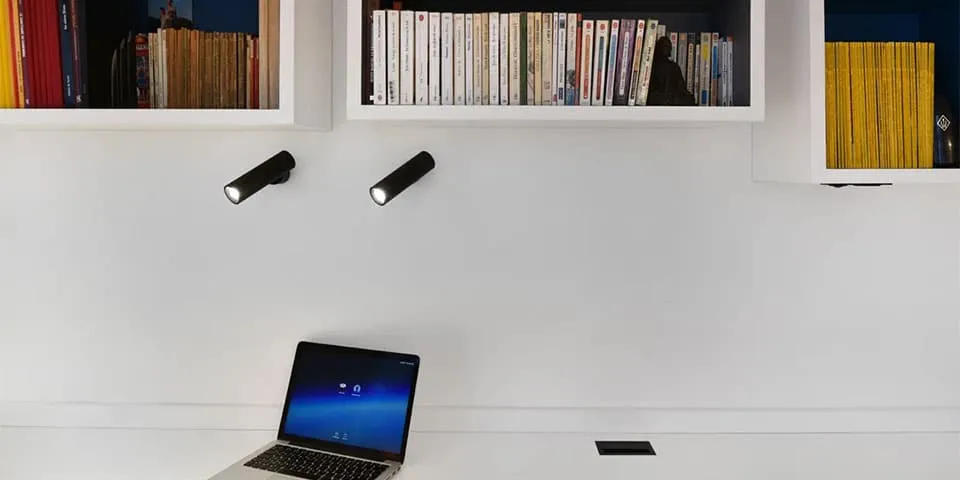
As we all stay ‘in our own homes’ for a while to overcome the coronavirus crisis, many employees have switched to working from home full time. Sleeping, working, eating and relaxing in the same space is not always easy. The right lighting is therefore essential to get through this period of intensive home working. It has a significant influence on productivity and helps create a pleasant working environment. How much light is needed, and what type of lighting works best? Professional lighting specialists at kreon offer advice on creating the ideal home workspace.

Arne Jennard
Task lighting affects concentration, health, mood and motivation. Poor lighting is one of the most common complaints in offices worldwide, and working from home is no different. Too little or too much light causes headaches, fatigue and watery or tired eyes. “The right lighting has a major impact on how we experience spaces, both in terms of atmosphere and the ability to carry out specific tasks efficiently. The living room is a place to relax, while the kitchen needs enough light for cooking. The space we work in at home has its own specific requirements. With the right lighting when working from home, we feel healthier, happier and more focused,” says Daan Van Den Branden, Light Consultant at kreon.
A combination of three key factors
Getting the lighting right involves more than installing a few lamps in the workspace. Colour temperature, light intensity and the type of light all need to be taken into account to create a comfortable and efficient working environment.
Arne Jennard
Indoor light colour temperatures can range from 2000K to around 6500K. The higher the temperature, the cooler the light. “At 1200K, we are talking about warm light, or the colour temperature of candlelight. At 5600K, we are talking about cool light, equivalent to daylight. Warm light at around 2700K is generally used at home and creates a cosy, relaxing atmosphere. However, it is not ideal for productivity because it creates excessive contrast in the room, forcing the eyes to work very hard. In a workspace, it is better to install lighting with higher colour temperatures (3000-4000K) or cool white light (more than 5000K). Another important factor is light intensity, measured in lux, which indicates how much light falls on a given surface. The minimum light intensity for desk work is around 500 lux. If the light intensity is too low, it can strain the eyes and reduce concentration and productivity. An office space is best lit with light that is as even as possible, without excessive contrast, shadows or reflections,” says Daan Van Den Branden of kreon.
Make the most of natural light
Windows provide more than just a view; they are also a source of natural light in the home. Several studies have shown that daylight makes a significant contribution to employee productivity and satisfaction, both in the office and at home. It regulates our body clock and unconsciously controls various internal processes. “At home, choose a workspace with as much natural daylight as possible, and opt for a high-quality lighting system to complement it,” says Daan Van Den Branden.
Question about this story? Ask your question
Keep following this
Get an email when a new story is published. No account needed.
- SubjectGeneral







