











Greater sustainability and improved energy performance in the construction sector in Northern European countries thanks to RENOLIT ALKORPLAN synthetic cool roof membranes
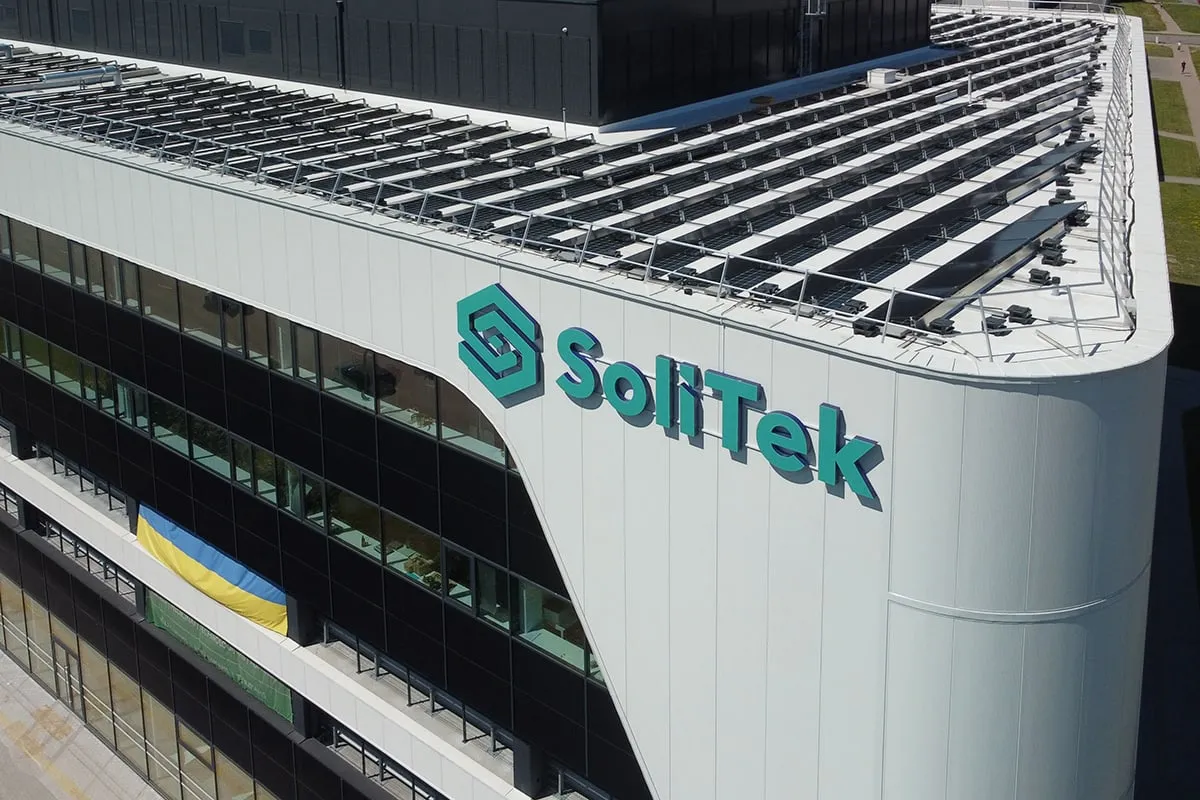
RENOLIT ALKORPLAN Smart and Bright synthetic cool roof membranes are designed to improve the energy efficiency and sustainability of modern architecture. They therefore provide valuable support in addressing the climate challenges facing Northern European countries, fully in line with international climate targets. These membranes reduce cooling demand and support green building certifications such as VERDE, LEED and BREEAM, while also setting new standards for environmentally responsible construction. The three innovative projects below are a fine example of this.
The energy performance and sustainability of buildings are becoming increasingly important due to climate change and pressure to meet international sustainability targets. According to data from the Council of the EU, for example, buildings in Europe account for 40% of total energy consumption in the EU and 36% of energy-related greenhouse gas emissions. To reduce these emissions, the energy performance of buildings must improve. This can be achieved by using more sustainable materials to renovate existing buildings and construct new ones.
The transition to sustainable construction must take account of climate change, which is already being felt, and its effects, which will occur more frequently and with greater impact in the years ahead. Buildings must therefore be designed or rethought to meet new needs: from increasingly hot summers to harsher winters and unexpected flooding. This means the role of building envelopes in keeping water and heat out will become more complex. In future, even in Northern European countries, it will be necessary to minimise the amount of heat entering buildings through the envelope.
Alongside active cooling solutions, which unfortunately often lead to additional emissions, Northern Europe is seeing the growing use of passive, more sustainable solutions, such as synthetic cool roof membranes.
In this uncertain and challenging context, RENOLIT ALKORPLAN roofing products’ Smart and Bright cool roof membranes are valuable allies for the next generation of buildings, as the three projects below also demonstrate. In addition to their excellent performance, these roof membranes meet the sustainability criteria of green building certifications such as VERDE, LEED and BREEAM.
Logistics centre in Ilvesvuori, Nurmijärvi, Finland, with BREEAM certification
The new logistics centre in Ilvesvuori, Nurmijärvi, which achieved a BREEAM environmental certification rating of “Good”, initially required a roofing solution capable of meeting stringent environmental and performance standards. Above all, it needed a roofing system that could withstand severe weather conditions while contributing to the building’s overall sustainability goals. The 9,000 m² centre called for a solution that would ensure greater sustainability and energy efficiency, while reducing environmental impact.
The product that met all these requirements thanks to its superior properties was the PVC-based RENOLIT ALKORPLAN Smart waterproofing membrane. Sustainability was a key consideration in its manufacture: it contains recycled materials to minimise the use of natural resources and water during production. The main selection criterion was its high solar reflectance, which reduces a building’s cooling demand and thereby delivers significant energy savings.
Installation required the RENOLIT ALKORPLAN Smart roofing membrane to be laid precisely across the entire roof surface. The membrane’s advanced technology, with its integrated cool pigments, provides better protection against ageing caused by solar radiation. This extends the roof’s service life and helps it retain its appearance and functionality for longer.
The RENOLIT ALKORPLAN Smart roofing membrane has brought considerable benefits to the logistics centre. In addition to providing reliable protection against extreme weather, it has played a crucial role in reducing the building’s energy consumption and, consequently, its carbon footprint. Alongside other sustainable systems in the building, such as geothermal heating and solar panels, the membrane helps create an exceptionally efficient and environmentally friendly building.
The membrane’s long service life, typically between 30 and 40 years, and its recyclability at the end of its life cycle also contribute to the building’s sustainability.
All this makes the logistics centre an example of innovation in industrial construction, demonstrating how high-performance materials contribute both to improved performance and to environmental protection. The RENOLIT ALKORPLAN Smart membrane sets a new benchmark for future projects and demonstrates its effectiveness in meeting the complex demands of modern industrial architecture.
Alfaroc’s new logistics centre in Tuusula, Finland
Alfaroc’s logistics centre in Tuusula demonstrates how modern construction can meet stringent environmental requirements. This new building in southern Finland, just 25 km from Helsinki, was designed with a strong focus on sustainability. The main challenge was to create a building with both minimal energy consumption and a comfortable indoor environment. This was achieved with the RENOLIT ALKORPLAN Bright cool roof solution, known as RENOLIT ALKORPLAN Cool in Scandinavian countries, combined with solar panels.
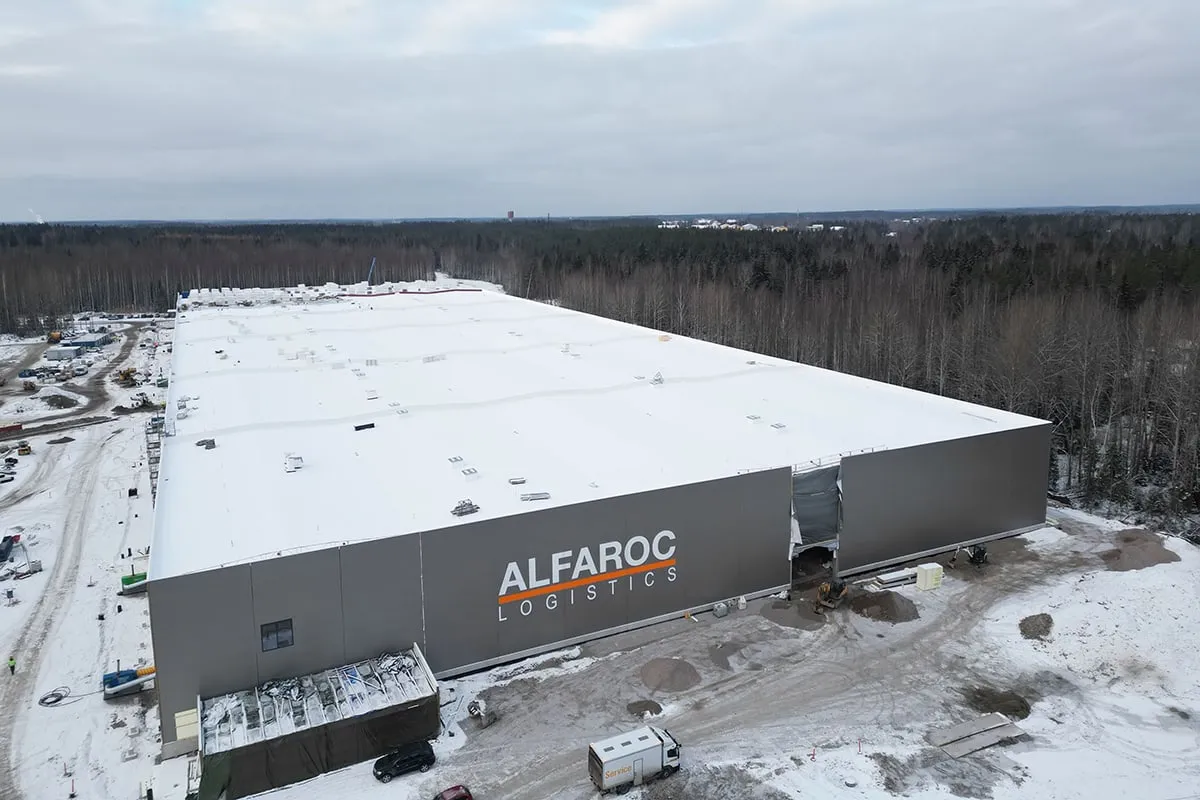
The RENOLIT ALKORPLAN Cool roofing membrane was selected for its exceptional ability to reflect solar radiation, significantly reducing the building’s cooling requirements. This white PVC membrane effectively prevents excess heat from penetrating through the roof, keeping indoor temperatures stable and comfortable. This can be particularly beneficial in large buildings, where heat gains can be more significant.
The roofing membrane has a solar reflectance index (SRI) of 115, the highest on the market, as stated in its Cool Roof Rating Council (CRRC) certificate. This high SRI is clear evidence of the membrane’s effectiveness in reflecting solar energy. This not only reduces a building’s cooling demand but also improves the output of rooftop solar panels. By keeping the bifacial solar panels cooler, reflected sunlight also makes them more efficient, resulting in 20% more renewable energy being generated.
The RENOLIT ALKORPLAN Bright membrane also offers several other benefits. Its special coating allows water and dirt to run off more easily, keeping the roof looking good for longer and reducing maintenance requirements. Industry professionals greatly value the high-quality finish of this premium, white-throughout product.
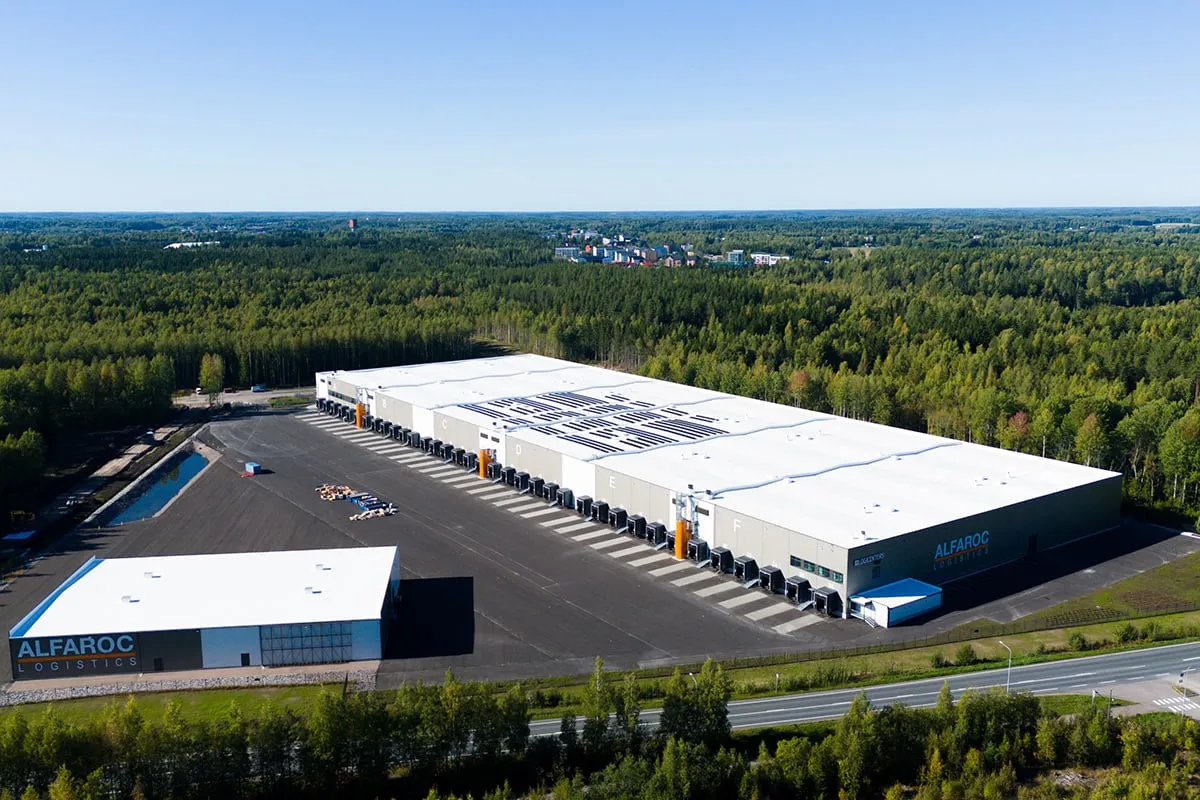
This solution reduces the building’s energy demand for air conditioning and improves indoor comfort by eliminating the need for air conditioning. It also reduces CO2 emissions through lower energy consumption.
Furthermore, the roofing membrane also improves air quality in urban areas and helps mitigate the urban “heat island effect”. Alfaroc’s project is part of the Cool³ campaign launched by RENOLIT ALKORPLAN in collaboration with Treedom. With its slogan, “Choose RENOLIT ALKORPLAN cool roofs and plant a tree”, the campaign highlights the company’s commitment to sustainable construction methods.
The RENOLIT ALKORPLAN Cool membrane not only meets the requirements of modern, environmentally friendly construction, but exceeds them. It sets a new benchmark for energy-efficient building solutions.
Innovation and Business Center (IVC) in Vilnius, Lithuania
Thanks to its impressive properties and numerous benefits, the RENOLIT ALKORPLAN cool roof membrane was also selected for the construction of the Innovation and Business Center (IVC) in Vilnius, Lithuania.
With a floor area of 32,000 m², this building is a showcase for sustainable, innovative architecture. Designed for innovators in science, cutting-edge technology, medicine and pharmaceuticals, the centre houses both state-of-the-art scientific and experimental laboratories and offices. The building itself reflects its innovative purpose by being exceptionally sustainable and energy efficient.
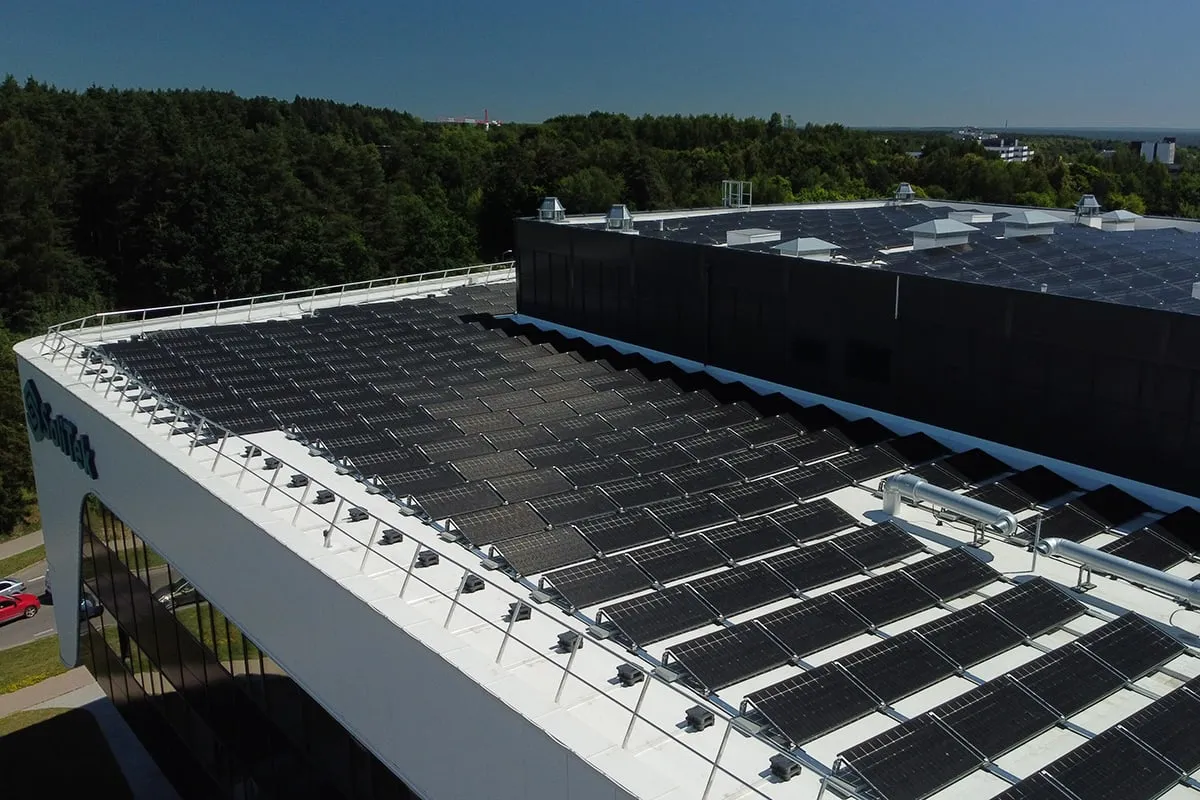
The IVC also leads the way as the first industrial building in Lithuania designed to generate all the electricity needed for its operations. This is achieved through an 850 kW solar panel installation on the roof and façade, making the building the first in the country to incorporate such an unusual architectural solution.
The building operates independently of the district heating network and uses 80 geothermal boreholes, drilled to a depth of up to 130 m, to meet its heating needs. Advanced geothermal heat pumps generate 4.5-5 kWh of heat from just 1 kWh of electricity, with a cooling output of 4.91-5.76 kWh. In addition, 20 ventilation systems with heat exchangers provide the ideal indoor climate required for the laboratories and research spaces. An energy storage system supplies heating, cooling and emergency lighting when needed.
To further optimise energy efficiency, the IVC’s roof is covered with the white-throughout RENOLIT ALKORPLAN Bright cool roof membrane. This innovative solution reduces the building’s cooling demand by 20% in summer and increases the output of bifacial solar panels by a further 20%.
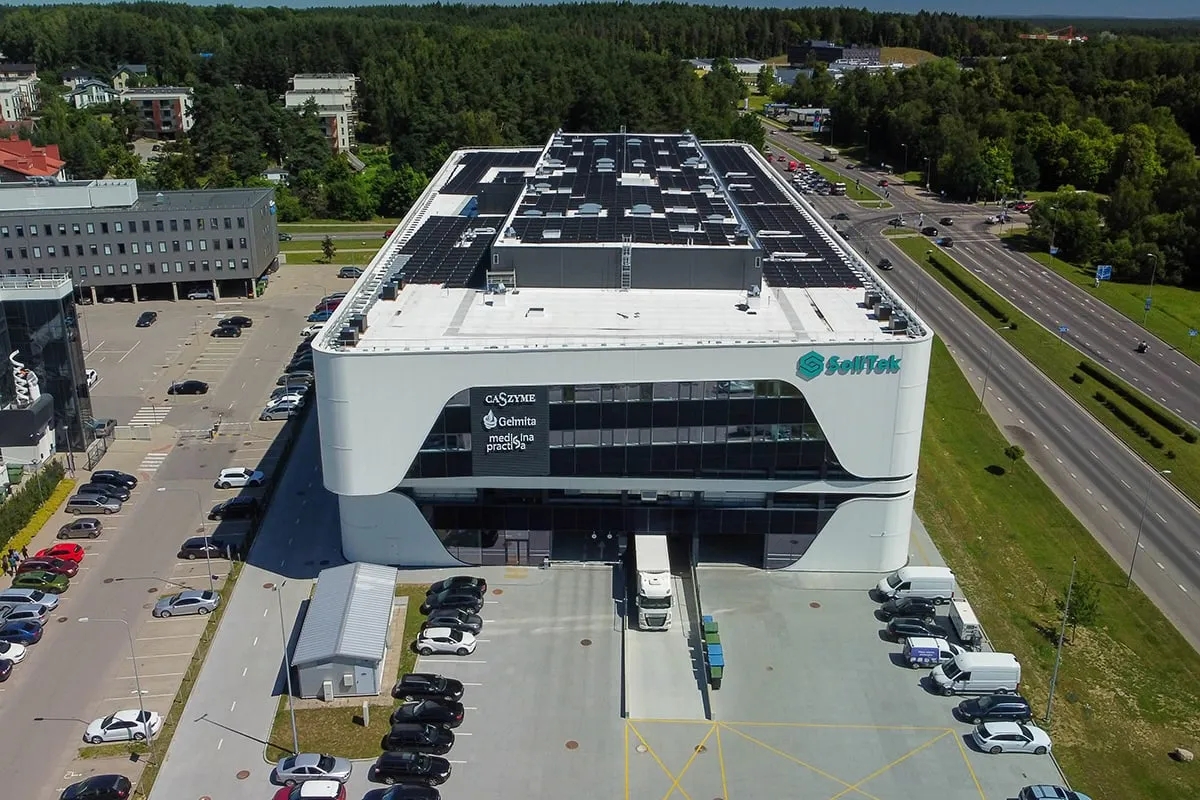
The IVC’s commitment to sustainability is underlined by its exclusive use of renewable energy sources. This makes it one of the first buildings in Lithuania with zero CO2 emissions. With more than €21 million invested, this ambitious project sets a new benchmark for sustainable construction and demonstrates a forward-thinking approach to modern, environmentally responsible building.
“Against a backdrop of growing environmental challenges and the need for sustainable construction solutions, RENOLIT ALKORPLAN roofing products offers an innovative approach to energy efficiency and environmental protection. Our Smart and Bright cool roof membranes are designed not only to reflect solar radiation and significantly reduce cooling demand, but also to meet the requirements of green building certifications. These projects demonstrate our commitment to construction methods that meet the complex demands of modern architecture while also prioritising sustainability and a lower CO2 footprint,” says Kenneth Witte, Managing Director at RENOLIT Nordic and Sales Director of RENOLIT ALKORPLAN roofing products.
Question about this story? Ask your question
Keep following this
Get an email when a new story is published. No account needed.
- SubjectGeneral







