











Having your own new-build home constructed: what are the Belgian trends for 2024?
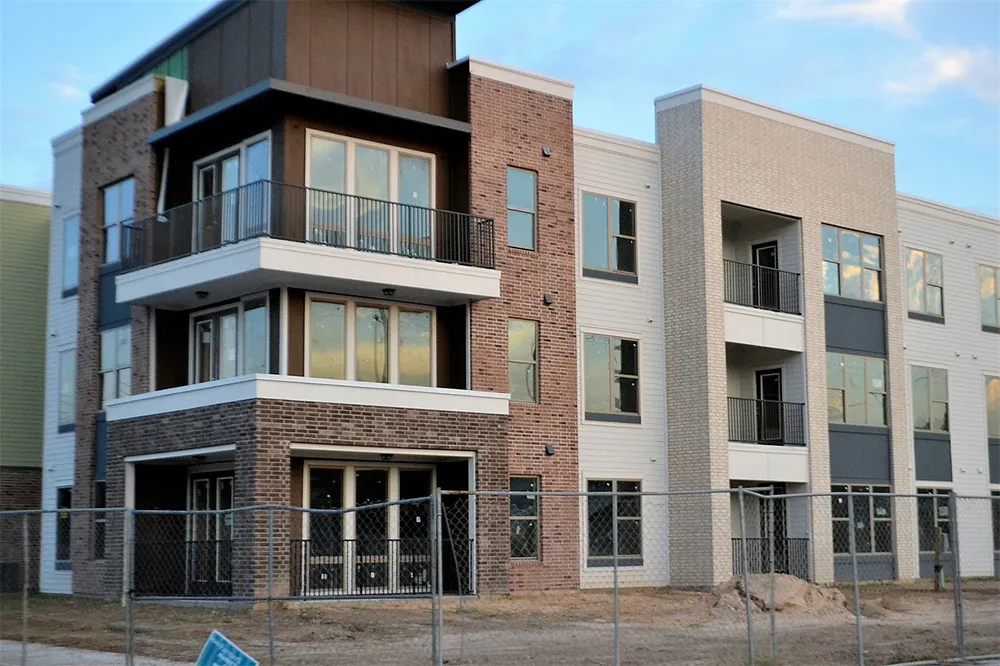
In Belgium, having your own new-build home constructed is far more common than in the Netherlands. You have a say in the design. There are plenty of architects’ websites that really do turn clients’ wishes into their dream home. The Dutch often choose the Belgian border region as a place to settle and have their own villa built. But what developments can we expect in homebuilding in 2024?
Making homes more sustainable, and then more sustainable still
Unlike the Netherlands, Belgium has had the EPC certificate for many years. When a home is bought or sold, this report sets out its energy rating and provides an explanation. An EPC certificate is required to ensure that buyers and sellers are properly informed. Once obtained, it is valid for 10 years.
When building your own home in Belgium, it is essential to adopt the most sustainable approach possible from the outset. Choose sustainable materials and ensure the home can be as circular as possible. The architect should also make this a guiding principle in the design. This not only ensures that the new home meets future requirements, but also gives it a much stronger position on the property market when the time comes to sell. In this case, it pays to plan ahead.
Using sustainable building materials
Sustainable, reusable building materials are key in Belgium. It is crucial to use the latest techniques when building a new home, including certified recycled building materials. Renewable resources and CO2 reduction should also be considered. Using recycled concrete or stone, as well as timber that can be recycled again later, helps make homebuilding more sustainable. Roofs are covered with a variety of mosses, allowing rainwater to be managed naturally. A mobile scaffold tower is also essential for maintaining this type of roof.
The aim is to build self-regulating homes. This means using solar energy and a heat pump, as well as making use of excess rainwater to maintain the garden. Insulation also helps keep heating requirements low. HR+++ glazing is positioned strategically to capture sunlight and heat the home directly. This is the future of homebuilding.
Building with low CO2 emissions
Building a home partly from reusable prefabricated materials, modules and components can speed up construction and reduce CO2 emissions and construction waste. These prefabricated building materials also help reduce the home’s ecological footprint.
Making environmentally conscious choices and meeting environmental requirements today will generally mean that the home sells more quickly and fetches a higher price in the future than homes built without the latest environmentally conscious measures. This benefits the new owner.
Question about this story? Ask your question
Keep following this
Get an email when a new story is published. No account needed.
- SubjectGeneral







