











Heat, energy, terraces: sun protection is becoming a smart choice for Belgium’s hospitality sector
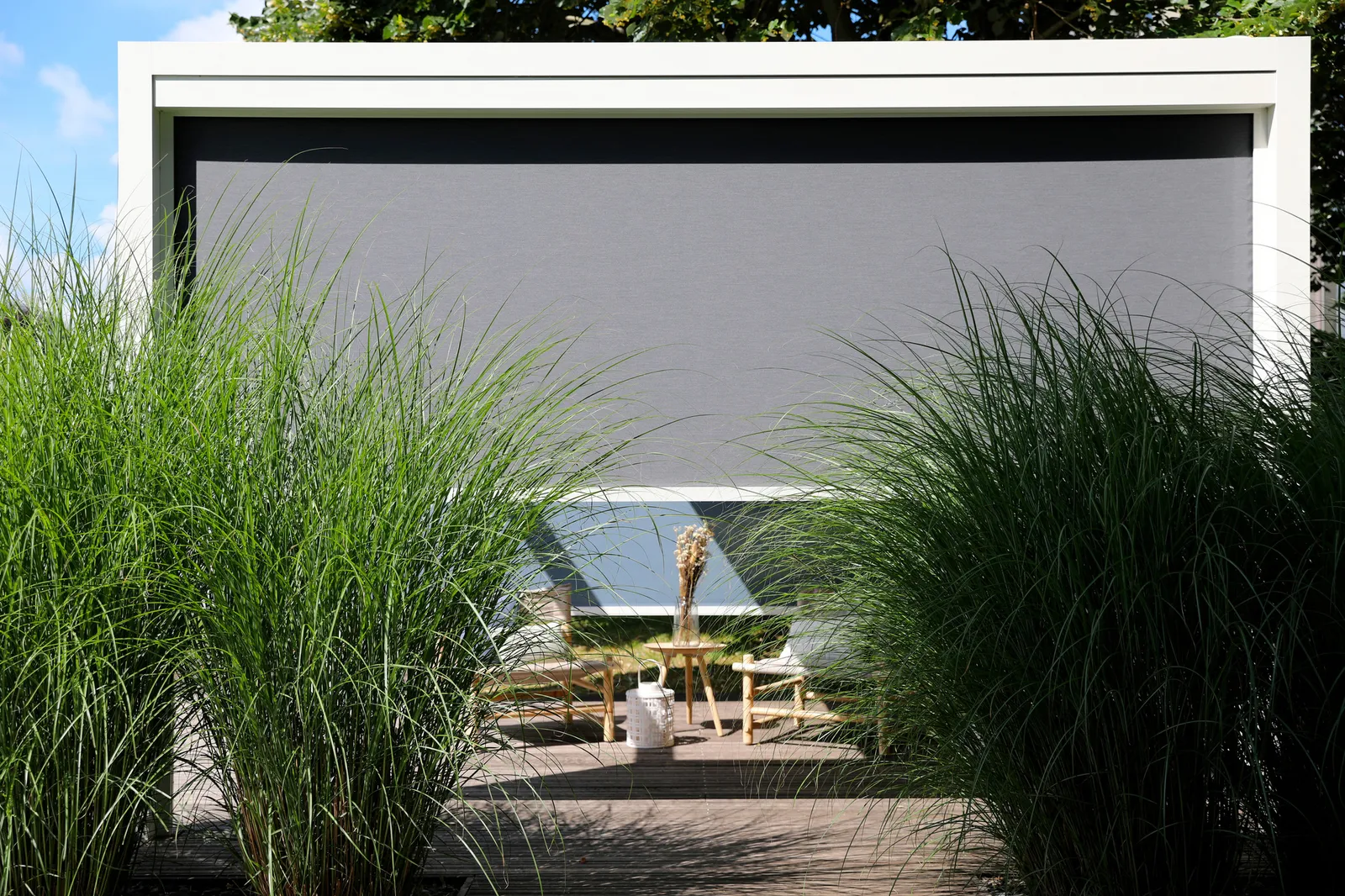
As hospitality professionals look to keep costs under control without compromising the customer experience, external solar shading is emerging as a practical solution. On a terrace, in front of a glazed wall, above a restaurant area or around a hotel, its purpose is no longer simply to create shade. It helps make a space more comfortable, easier to use and more distinctive.
For cafés, hotels and restaurants, heat is more than just a matter of the weather. An overly exposed terrace empties faster. A heavily glazed dining room can quickly become uncomfortable. Intensive use of air conditioning pushes up costs. In this context, protecting spaces from the sun before the heat sets in is a simple, visible and immediately beneficial solution.
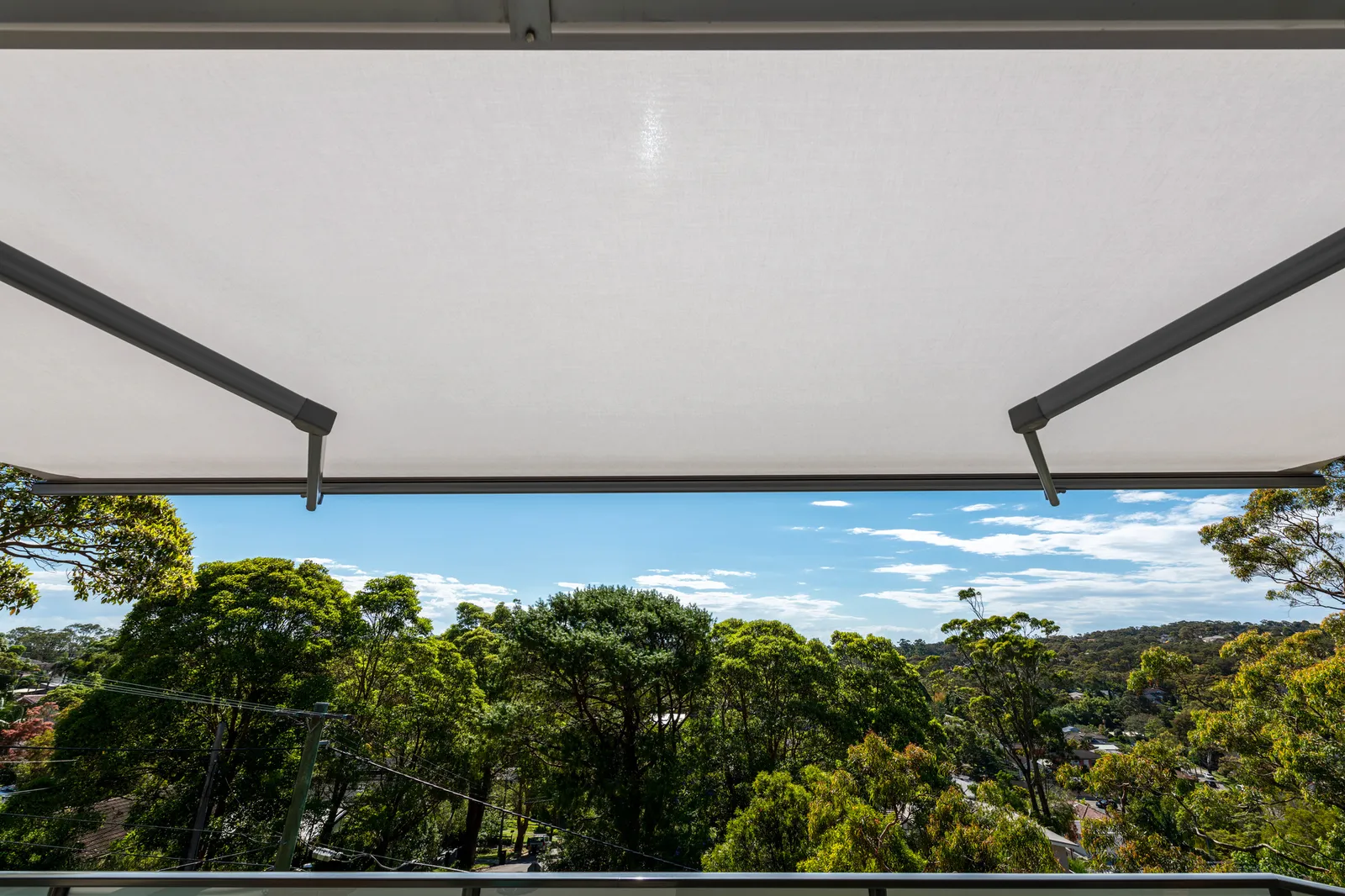
The shading fabric acts as the first line of defence. Installed externally, it filters solar radiation before it reaches the glass or service area. The result: less overheating, less glare, softer light and more consistent comfort for customers and staff alike.
The terrace as a new cornerstone of the customer experience
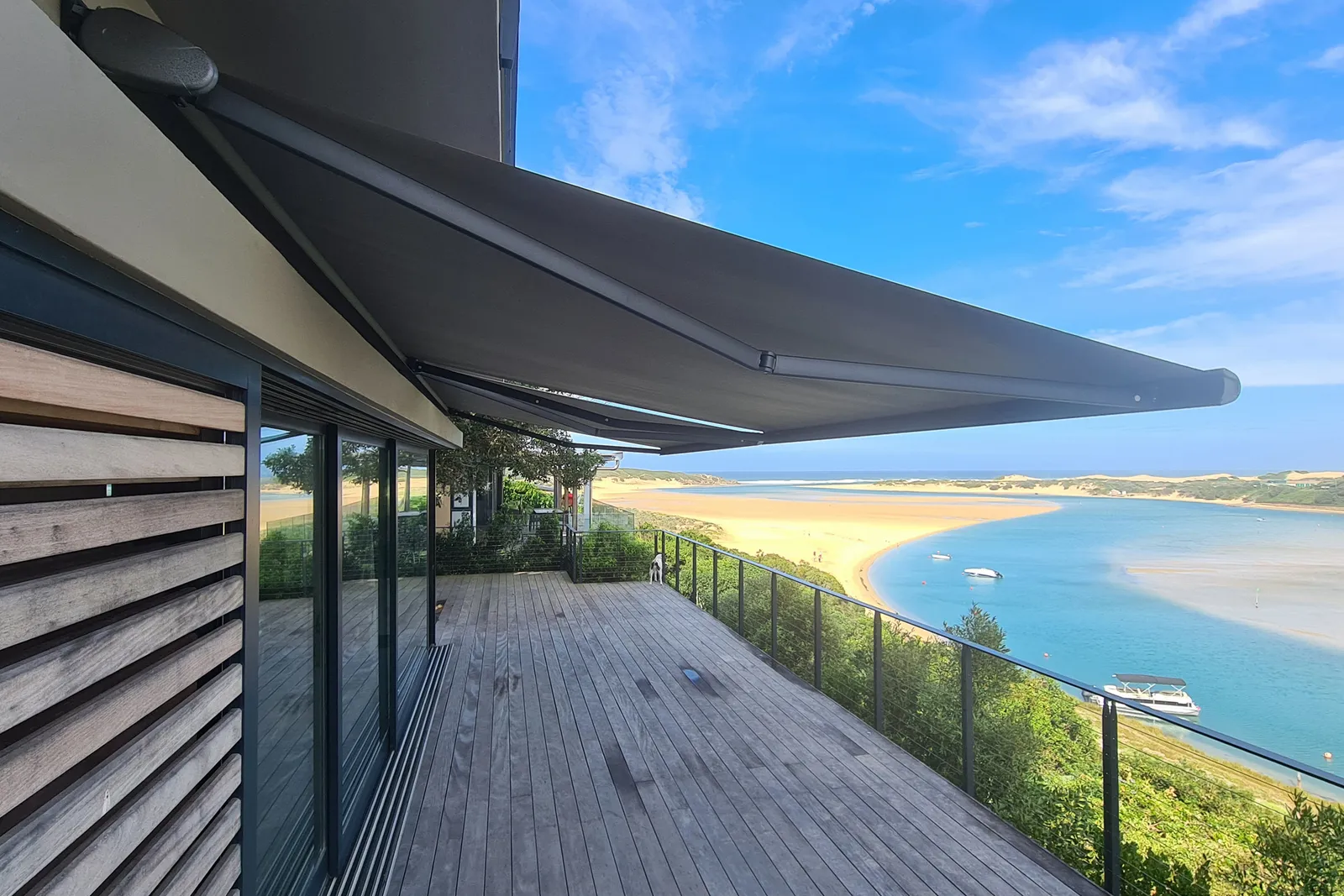
In recent years, outdoor spaces have taken on a new role in hospitality. A terrace is no longer just a seasonal bonus. It is becoming an extension of the restaurant, café or hotel reception area. People come to have a drink, eat lunch, work, wait, meet and linger a little longer.
But for that space to work, it needs to stay pleasant. Too hot, too bright, too exposed to wind or rain, and it quickly loses its appeal. Well-designed solar shading helps extend its use, improve comfort and give the space visual coherence.
Folding-arm awnings, pergolas, parasols, shade sails, façade shading or solutions for hotel balconies: Dickson’s technical textiles suit a range of commercial settings, from city cafés and boutique hotels to neighbourhood brasseries and restaurants with large terraces.
Less air conditioning, more common sense
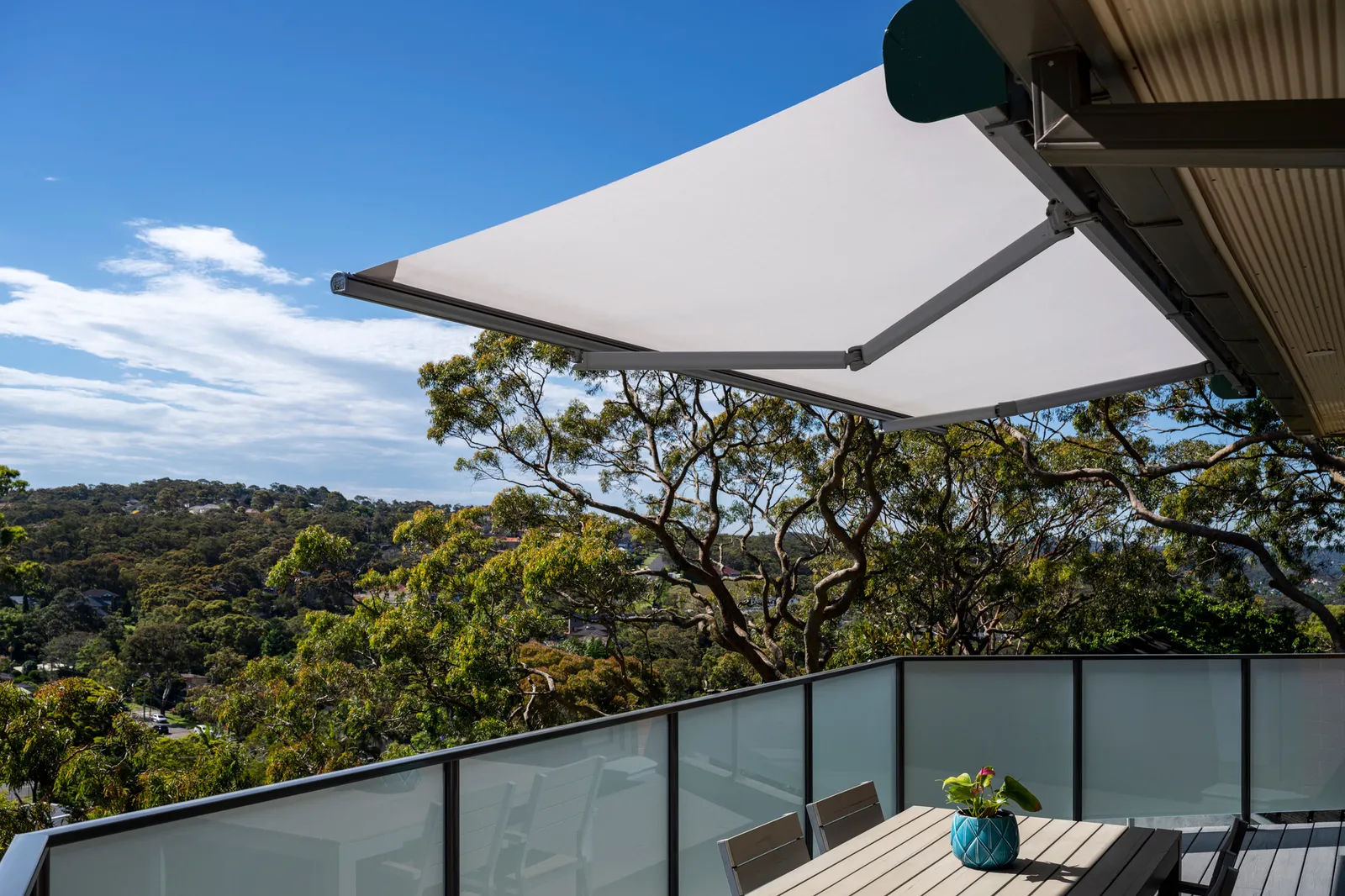
In premises with large glazed areas, heat enters quickly and builds up. Once inside, it is difficult to remove. Air conditioning can compensate, but at the cost of higher energy consumption, which can be hard to reconcile with current efforts to reduce consumption and control costs.
By blocking some of the solar radiation before it passes through the glass, external solar shading limits heat build-up at source. It cannot always replace air conditioning, but it can reduce reliance on it and help maintain a better thermal balance in exposed spaces.
For professionals, the benefits are twofold: improving customer comfort while easing the burden on building services. This solution is all the more relevant because it does not always require major works. In some cases, simply replacing the fabric on an existing awning is enough to restore efficiency and freshness to a façade or terrace, while giving it a new visual identity.
“In hospitality, a pleasant terrace is no minor detail. It is a space that drives revenue, shapes the image and creates an experience. Solar shading helps businesses make better use of that space while providing a very practical answer to comfort and energy challenges,” explains Amaury Flipo, Market Manager, Solar Protection at Dickson.
A bespoke signature
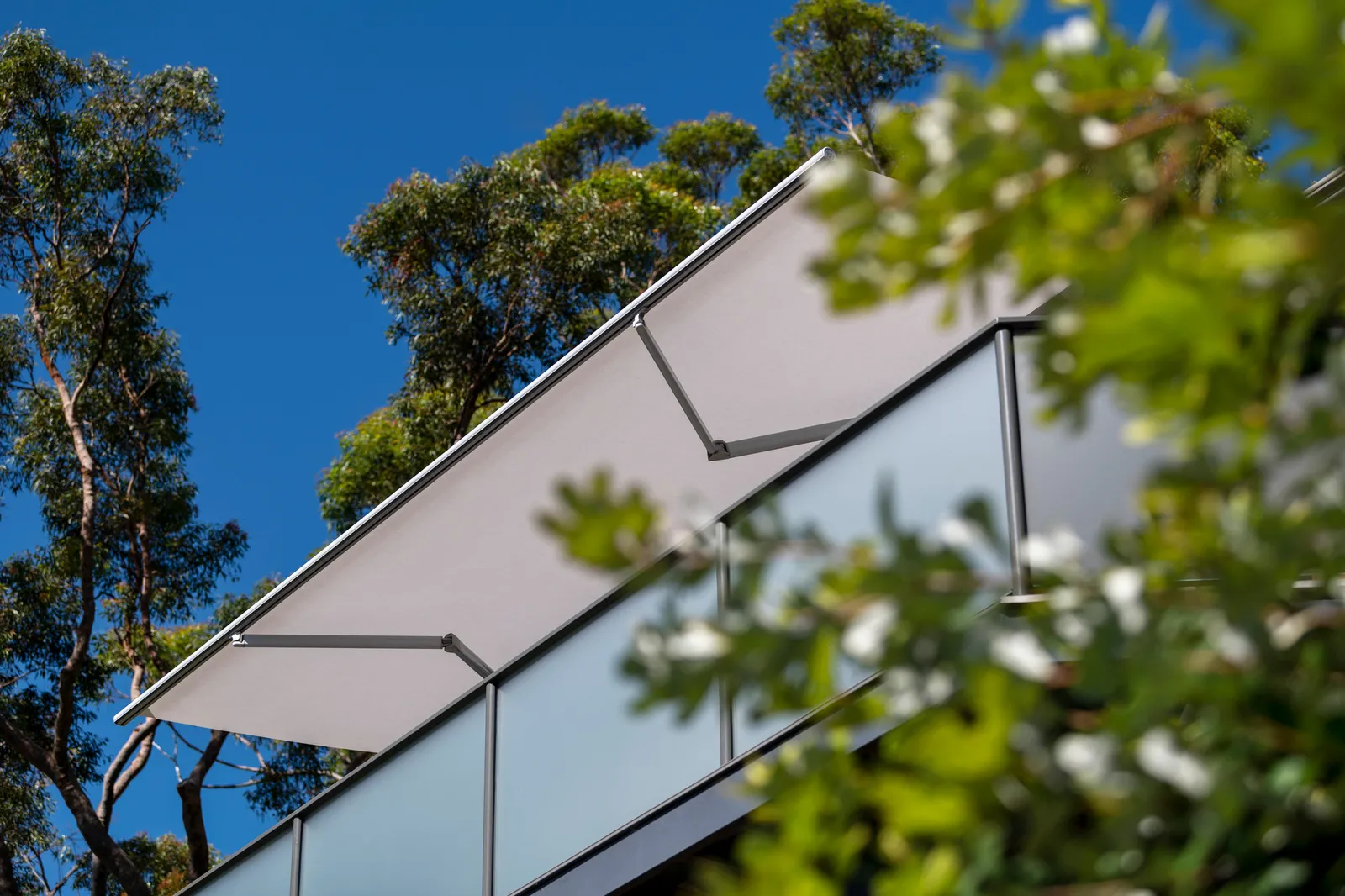
Today, the hospitality sector gives outdoor spaces as much attention as interiors. Colours, materials, textures, furniture, lighting and planting all contribute to the atmosphere. Shading fabric fits perfectly into this approach.
With more than 200 plain or textured designs, Dickson enables professionals to choose a solution that reflects their positioning: elegant and understated for a hotel, more graphic for an urban terrace, more natural for a venue with an outdoor feel, or warmer for a brasserie or family restaurant.
Solar shading then becomes more than a piece of equipment. It becomes an element of design, comfort and identity. A way to make a place more welcoming, more visible and more memorable.
“Professionals are no longer looking only for fabric that provides protection. They want a solution that says something about their business. A colour, texture or finish can completely change how a terrace or façade is perceived,” adds Amaury Flipo.
Textiles developed for professional use
Dickson’s fabrics are designed to withstand the demands of outdoor use: sun, UV radiation, bad weather, temperature fluctuations and intensive use. They are used on folding-arm awnings, pergolas, parasols, shade sails and terrace covers, among other applications.
Some collections are particularly well suited to professionals’ needs. These include MAX, a waterproof fabric developed for exposed outdoor spaces that protects against the sun, UV radiation and light weather conditions. For businesses looking to incorporate a more sustainable element into their design, Dickson also offers ORIGIN, its first collection of recycled shading fabrics, made in northern France from acrylic raw materials sourced in France and Europe.
A way to combine performance, aesthetics and sustainability, without losing sight of what matters most in hospitality: welcoming guests better, making smart use of space and, above all, creating places where people want to stay!
Question about this story? Ask your question
Keep following this
Get an email when a new story is published. No account needed.
- SubjectGeneral







