











How do you create ‘digitally sustainable’ construction data inventories?
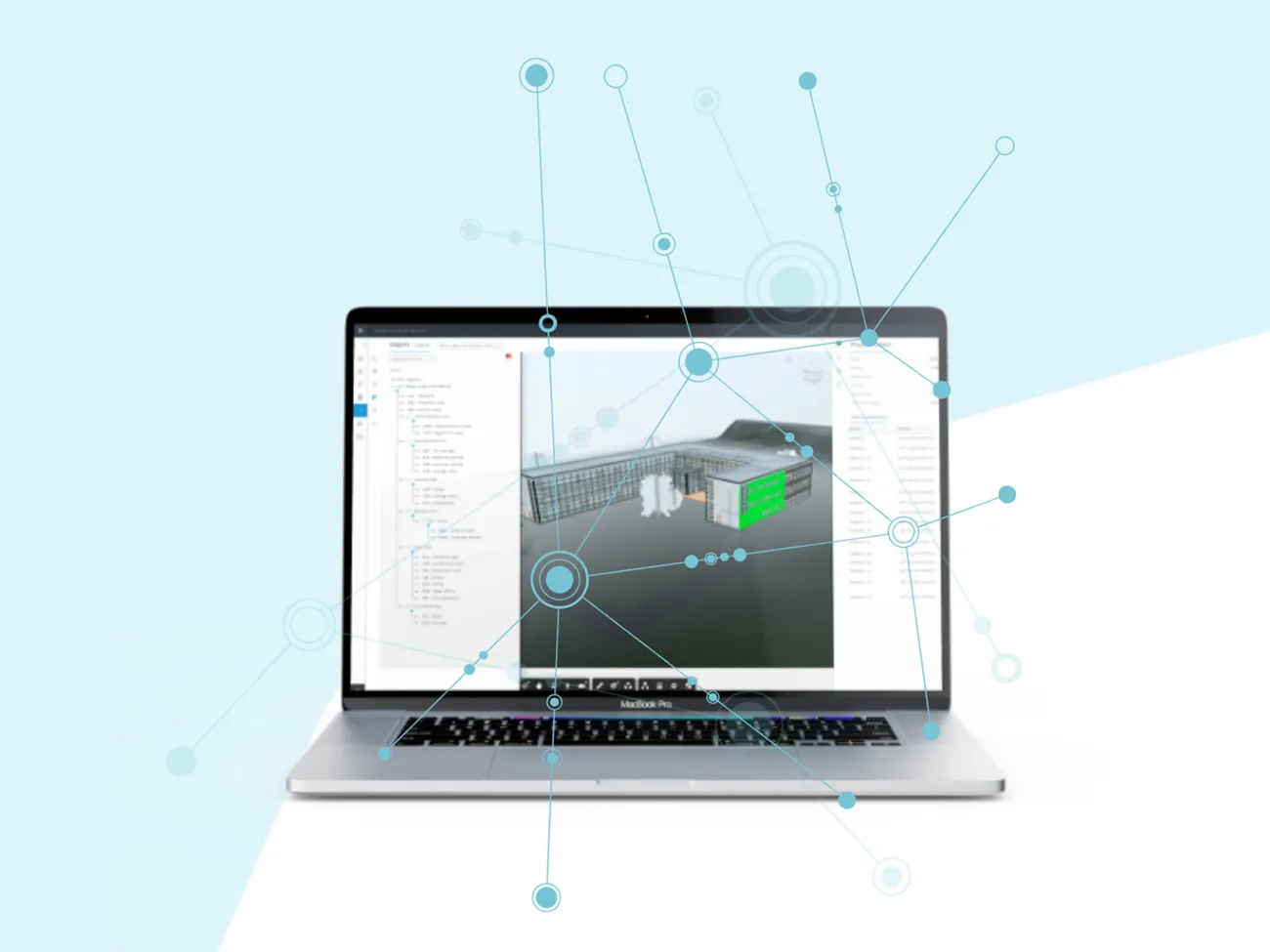
A digital asset register makes construction projects far more efficient
More and more public authorities and individual organisations are making circularity a top priority in the construction sector, aiming to ease pressure on natural resources, reduce waste and prevent climate change through more efficient reuse of construction materials. ‘Material passports’ and, by extension, asset passports for structures are seen as an important tool in achieving this goal.
A so-called material passport can be considered a specific component of a digital asset register or construction logbook. This is a series of linked datasets that records the value of assets and materials throughout the construction lifecycle, across projects and over time. This enables asset owners and their associated parties to meet circularity targets set by the government or themselves. Throughout the structure’s lifespan, the asset owner’s team is responsible for keeping the dataset up to date so that it reflects the actual condition of the structure. The availability of high-quality, up-to-date asset data for the owner’s team is essential to making sound decisions about both maintenance and the reuse of structures and their materials.
Information is still highly fragmented
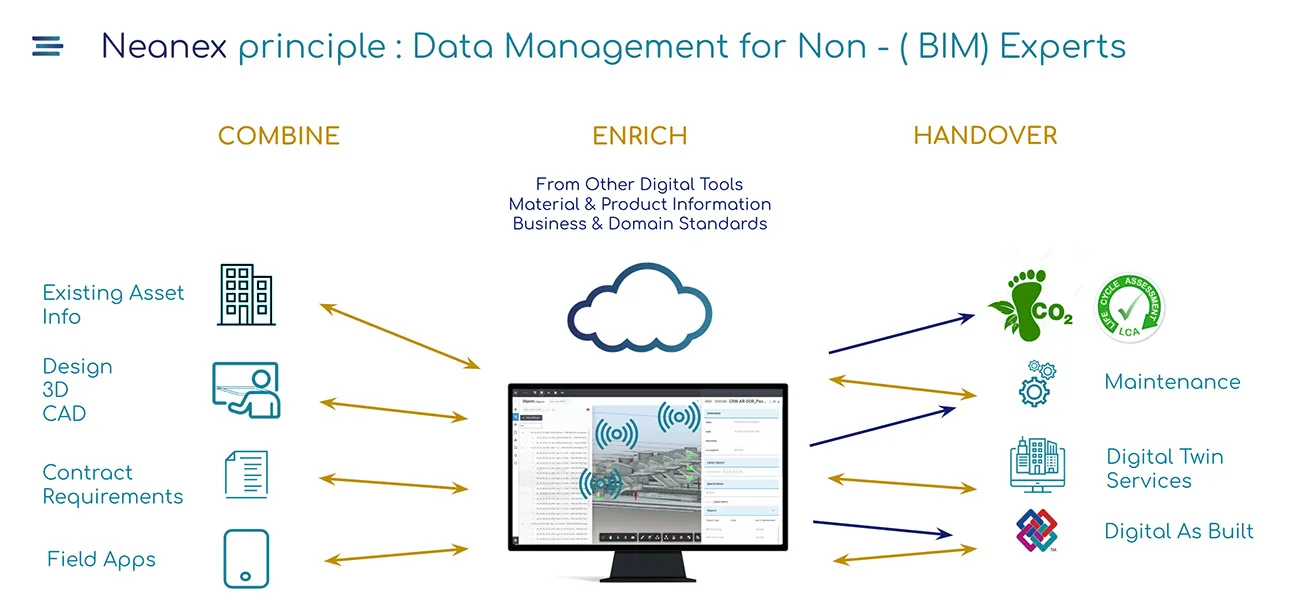
Josefien Vanhuyse, CEO of Neanex: ‘We also see that information remains highly fragmented throughout the construction process, from contract signing and tender documents to 3D design, operations and decommissioning. It is usually spread across different tools, teams and stakeholders. This often leads to certain data being lost, costs being higher than strictly necessary and, in short, a highly inefficient way of working, not to mention the chaos caused by too little or no information being transferred.’
‘The latter is indeed very complex. A construction team usually has to work with a variety of data types and formats, specific tools and variables such as cost, time and activity. In practice, unfortunately, this means that no information is transferred and more than 50% of the data is lost at some point in a project’s lifecycle. Things can be much better!’

Bridging engineering, design, construction and maintenance
Neanex provides both services and modular software solutions. It helps organisations move into the ‘data-driven’ era by breaking down the ‘barriers’ between different types of data and stages of the construction process. In doing so, Neanex bridges the gap between engineering, design, construction and maintenance.
Josefien Vanhuyse: ‘We see ourselves as a kind of advanced Alexa ‘lite’ for the construction sector. We want to make all the data collected during the construction process easier to access. Too much work is still done using spreadsheets and databases. We standardise all data so that every team can work with the same data using its specific software tools during the construction process. This makes the data easy to consult and transfer.’
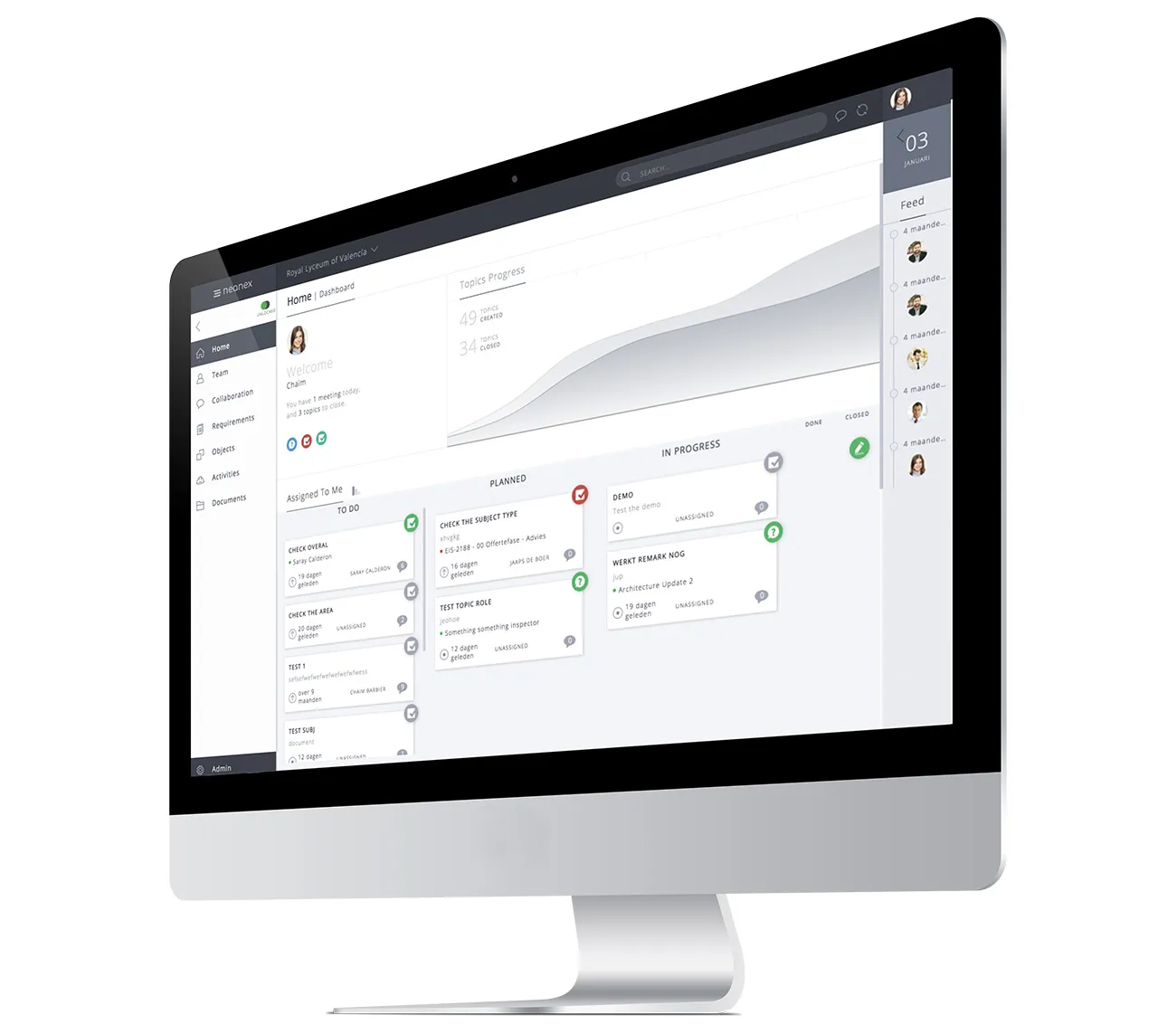
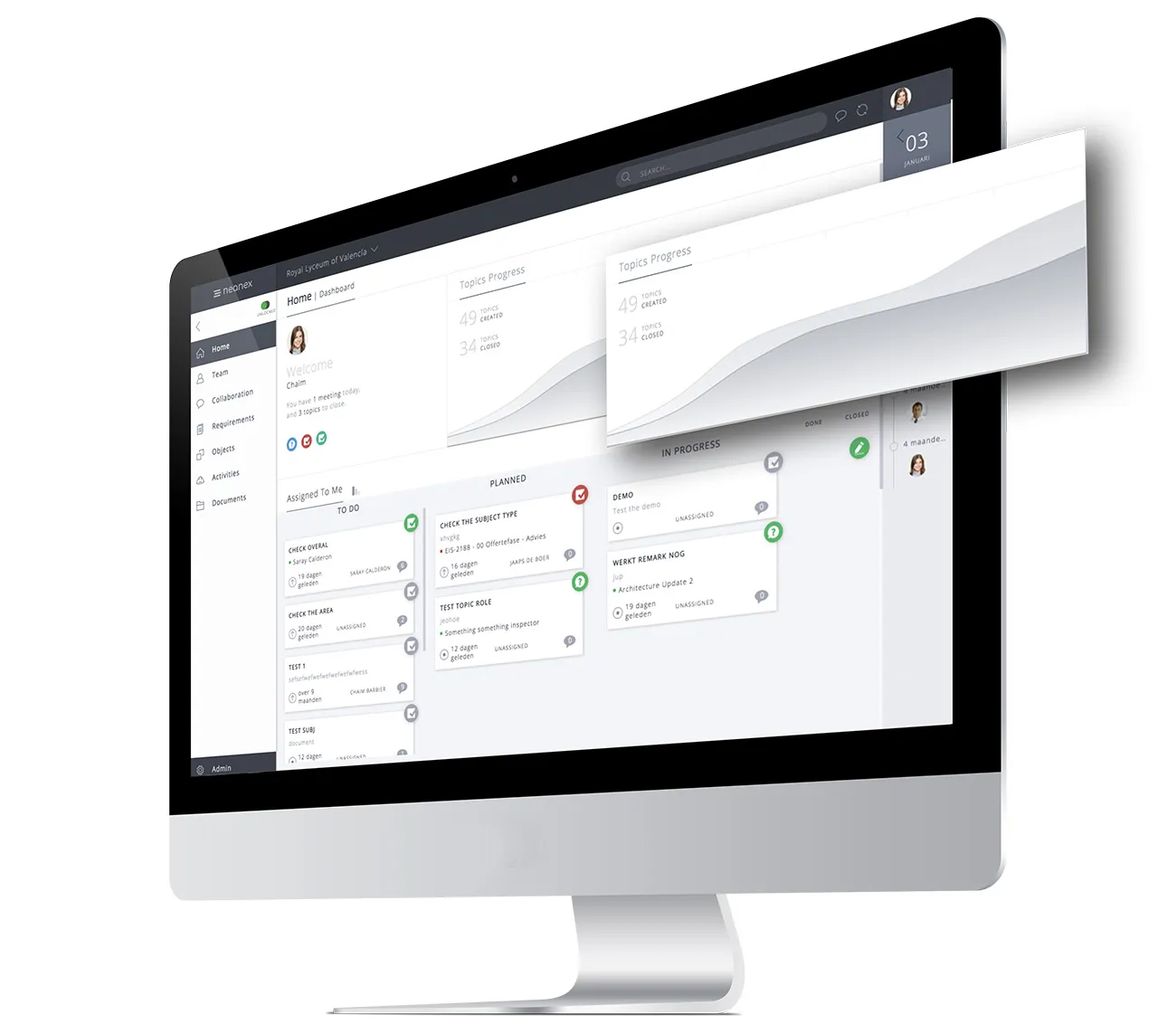
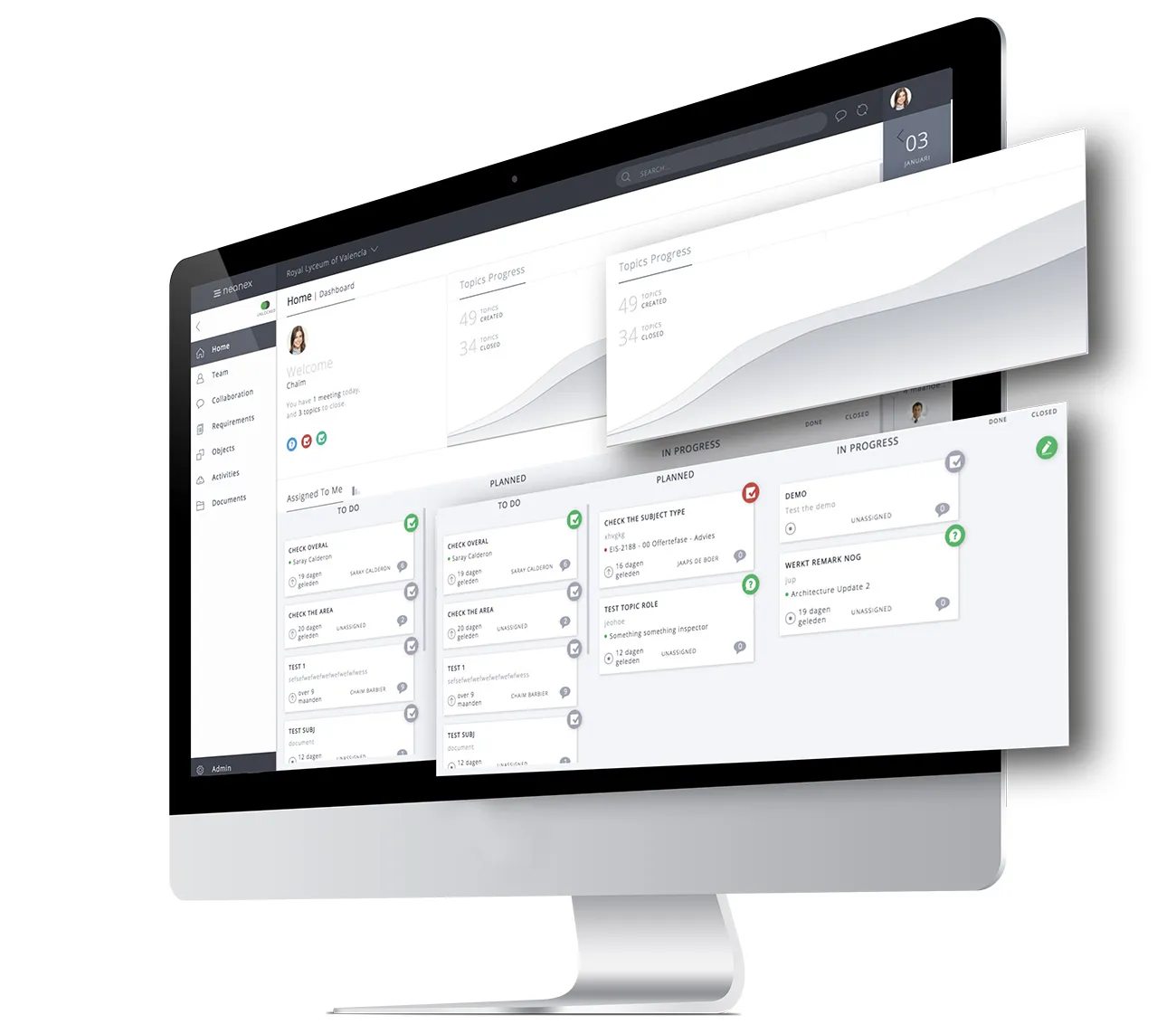
The Spotify approach
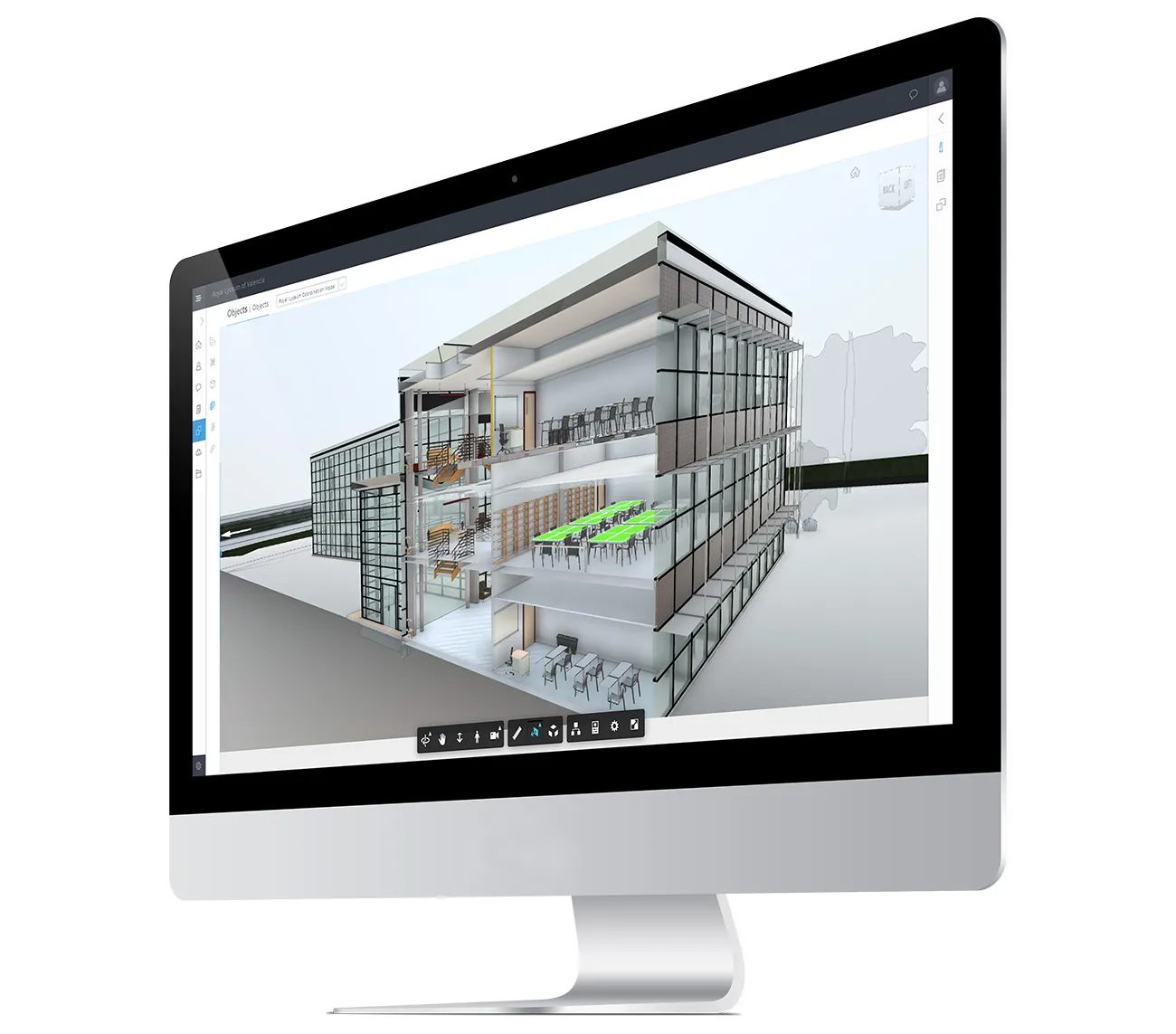
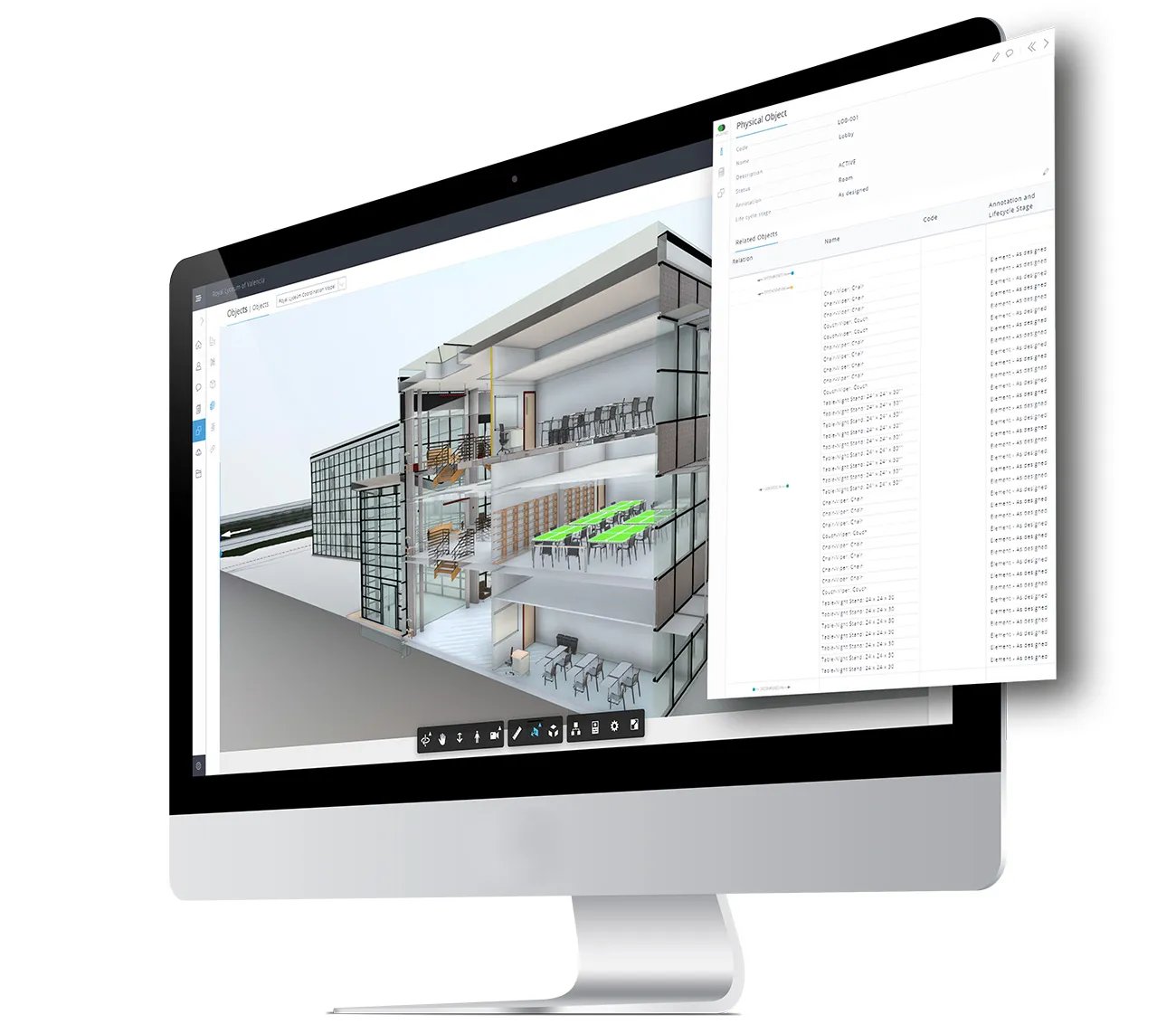
‘Our product grew out of the services arm of the company. We saw a need to automate and standardise manual work. The Neanex Portal, a digital asset register, can retrieve information from all the different sources and link it together. That data is then passed on to all the other tools in the ecosystem. We sometimes call it the Spotify approach to a project. The data is all in one place, everyone can access it, and you only need two words or three clicks to find and consult a particular song, or in this case, a dataset. This naturally makes the entire construction process considerably faster and, above all, more efficient for all stakeholders. At a time when everything is getting more expensive, that is certainly no longer a luxury’, concludes Josefien Vanhuyse.
Question about this story? Ask your question
Keep following this
Get an email when a new story is published. No account needed.
- SubjectGeneral







