











How to prioritise sustainability when building or renovating
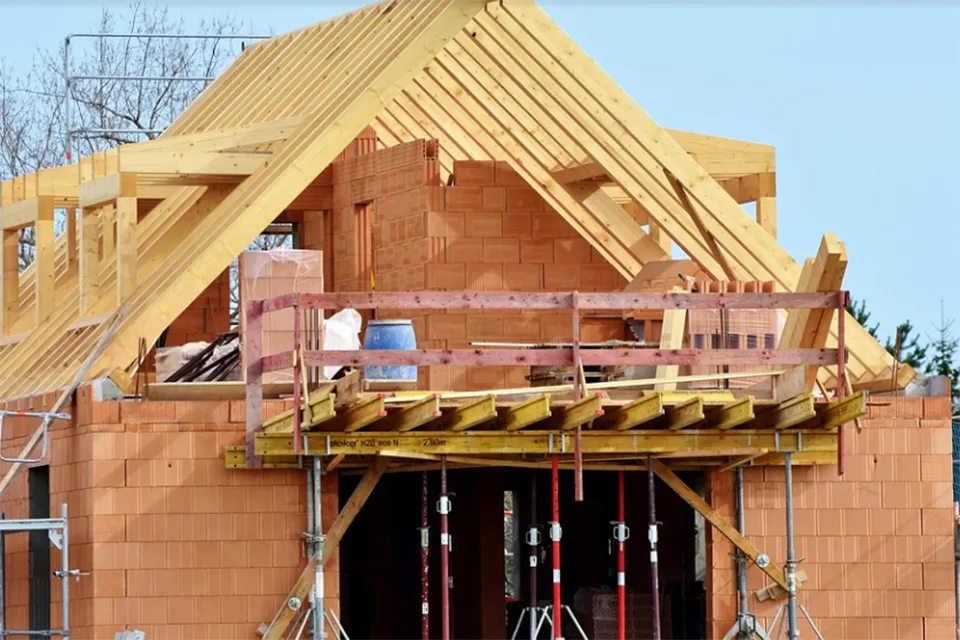
Sustainable homes contribute to a healthier environment. As the climate crisis becomes increasingly visible, governments around the world are working to make building and living more sustainable. This is an important issue in Flanders too. Yet it is still not always clear exactly what sustainable building involves. It means much more than simply considering a building’s energy efficiency. There is a lot more to it than that. This article explains how to prioritise sustainability when building or renovating.
More than saving energy
When we think of sustainable building, we tend to focus on saving energy. This is, of course, an important factor. Just compare it with your own home. If you are trying to live more sustainably, the first thing you look at is how to save energy at home. For example, by using LED bulbs instead of conventional lighting, improving insulation or simply using less energy yourself. During construction, however, the scope is broader. The following issues are central:
- Using sustainable materials. You cannot build sustainably if you use polluting products with a short lifespan. It is simply impossible. That is why it is important to use materials that are good for the environment and do not unnecessarily affect people’s health. The quality of the materials must be thoroughly researched before they are used in a construction project.
- A healthy indoor environment must be created in buildings, including private homes. For example, sufficient attention must be paid to ventilation. As new homes are increasingly well insulated, natural ventilation becomes less effective. This worsens the indoor climate and increases the risk of moisture imbalance, which can lead to problems such as mould.
- Does a building need to be demolished before a new one can be constructed? If so, it is important to demolish responsibly. This may sound a little odd, but it simply means carefully considering what is being demolished and reusing materials wherever possible. This prevents raw materials from going to waste unnecessarily.
A different cost equation
Businesses and private individuals sometimes worry that prioritising sustainability will result in a very different cost equation. They fear it will mean paying more. This turns out to be unnecessary, as sustainable materials do not have to cost more. In many cases, building sustainably is actually more cost-effective, not only during the renovation but in the long term too. You can then enjoy the benefits of these sustainable materials, such as a long lifespan, meaning no further work will be needed for some time.
Bear in mind, though, that certain building regulations apply to sustainable construction. It is a good idea to do a little research so that you know what to expect.
Question about this story? Ask your question
Keep following this
Get an email when a new story is published. No account needed.
- SubjectGeneral







