











“It is high time we secured our sustainable future”
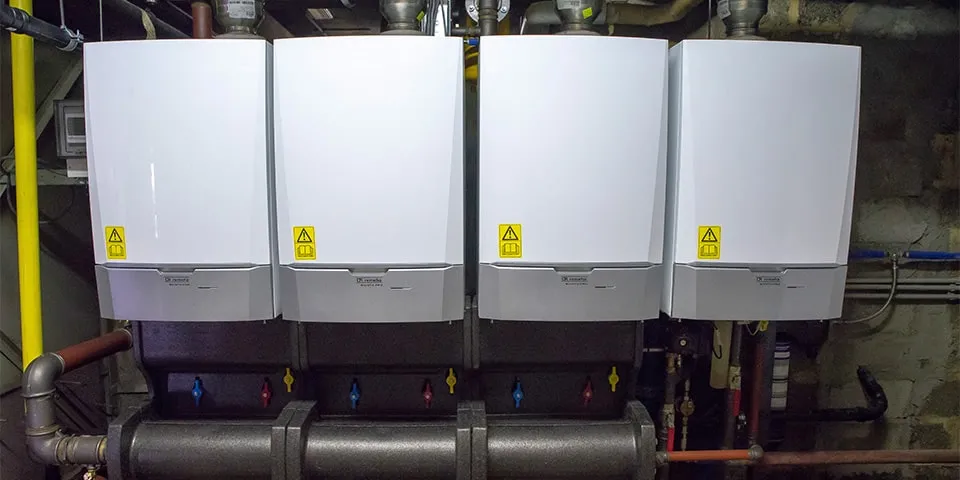
Climate change is high on society’s agenda today. There is no time or room left for trial and error. Fortunately, Remeha has a clear vision of what can and must be done. The heating manufacturer has more than eighty years of experience and has been supporting the energy transition and sustainability for many years through targeted R&D. “Since a third of all emissions come from heating and cooling buildings, the HVAC sector must do its bit. And we are happy to take the lead!”
“The debate about the way forward is all too quickly narrowed down to a discussion about sustainable and fossil-fuel technologies. In our view, that misses the point: it depends on whether or not the energy used is sustainable. An electric heat pump is only sustainable if it is powered by green electricity,” says Remeha. “Does this mean we should wait for the next major technological breakthrough? Certainly not! We must take every step we can today towards a sustainable future. Given that a heating system has an average lifespan of twenty years and that we must be CO2-neutral by 2050, we will need to be installing the latest sustainable systems by 2030. So we can no longer get bogged down in theoretical plans: we must focus on practical solutions based on the technologies available today.”
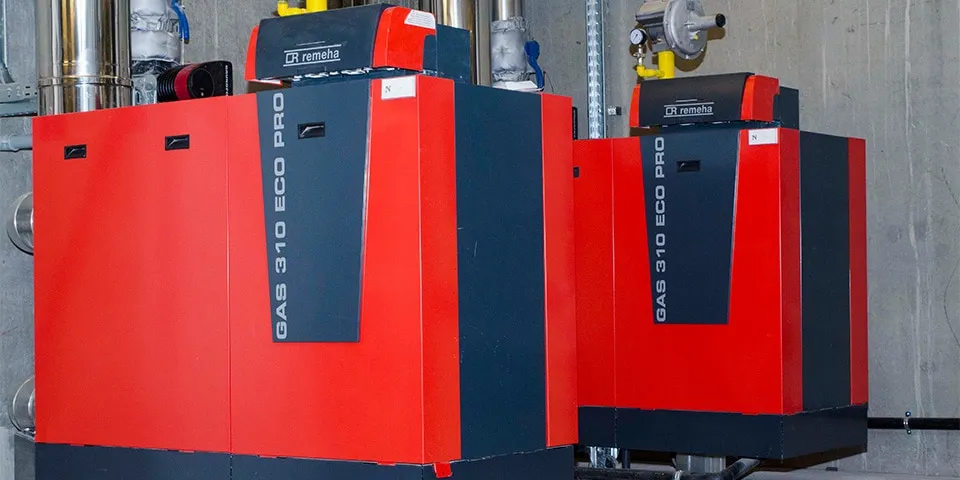
Replacing old heating boilers with modern gas condensing boilers is one of the crucial steps towards a sustainable future.
Multiple routes to a sustainable future
To secure our sustainable future, we need a mix of technologies that make use of renewable and green energy sources. “There are all kinds of options, depending on the type of project, its location, specific circumstances and so on,” says Remeha. “One obvious solution is to replace an old heating boiler with a new condensing boiler, which could save Belgium a total of 2 million tonnes of CO2. Over the past thirty years, we have only managed to replace half of the existing boiler stock, 2 million out of a total of 4 million, so there is still considerable potential in this area. However, there are many more sustainable alternatives when it comes to achieving CO2-neutral overall systems. Green electricity is a step in the right direction, but wind farms and solar panels cannot meet the entire demand. We will also need to make gas more sustainable, for example by using hydrogen. Solar thermal panels and solar water heaters for producing domestic hot water, district heating networks with satellite stations that recover waste heat from industrial installations, CHP systems that produce heat and electricity at the same time, and heat pumps that extract heat from the ground or the air are also promising applications. In short, there are multiple routes to a sustainable future. But the time to act is now!”
Question about this story? Ask your question
Keep following this
Get an email when a new story is published. No account needed.
- SubjectGeneral







