











Living independently at home for longer: the help of home automation
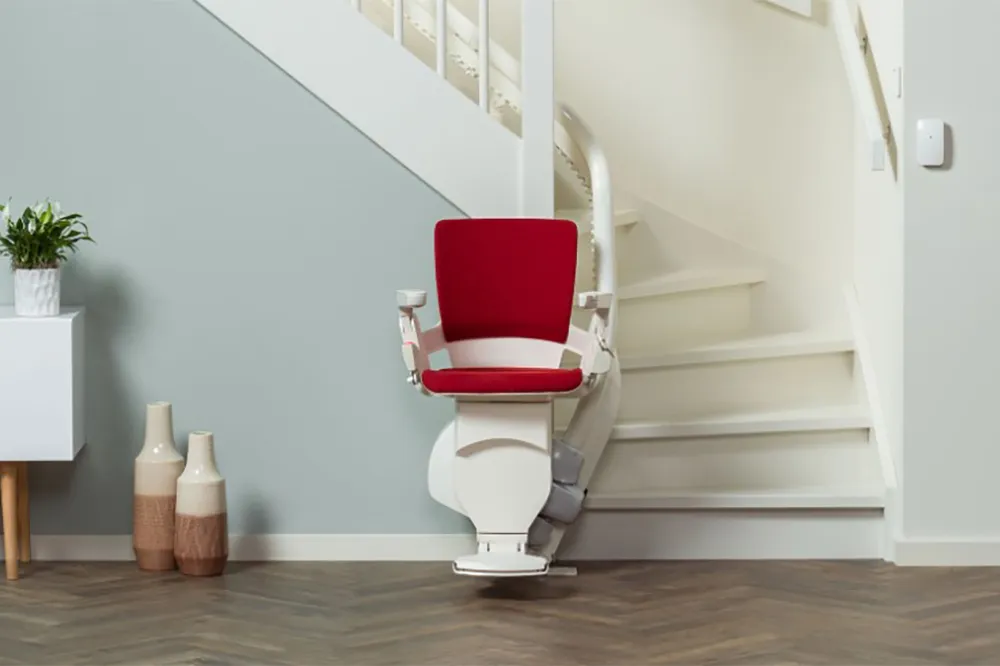
Declining health often makes it difficult for older people to continue living at home. This can be a bitter pill to swallow, as they would prefer to remain in familiar surroundings for as long as possible. Fortunately, technological advances are increasingly helping people to live independently for longer, allowing them to continue living at home.
The collective term for these technologies is home automation: smart technology that makes your home more liveable. This article looks at some of the ways it can be used.
- Stairlift
When someone becomes less mobile, going up and down the stairs can be a real challenge. A stairlift helps them move safely between floors, allowing older people to continue enjoying the whole house.
Stairlifts can be tailored to suit a range of needs and preferences. There are models for straight and curved staircases, and one can even be installed outdoors. One major advantage is that stairlifts are often easy to install, without requiring major alterations to the home.
- Medication dispenser
Older people may find it difficult to remember when and how much medication to take. A smart medication dispenser can help.
The device is filled with medication. When it is time to take a dose, an alert sounds. Pressing a button releases the medication from the dispenser. If a dose is missed, a notification is sent to the home care provider or a family member. They can easily keep track of all doses via a linked app.
- Wandering detection
The risk of dementia increases with age. In the later stages of the disease, it is often no longer safe to live at home. In the early stages, however, certain aids can provide support, for example by helping to prevent wandering.
Wandering is a common symptom of dementia. A person may leave without saying goodbye or walk around aimlessly. This can lead to dangerous situations, especially if no one knows where they are and cannot act quickly.
A watch with a GPS tracker can help prevent such situations. Using sensors, carers or family members can set up safe zones for the person to move around in. If they leave the zone, an alert sounds and/or an emergency contact is called. The tracker also allows loved ones to see where the person is at any time. If they are concerned, they can call the watch.
- Voice assistant
Various technologies in the home can be connected to a voice assistant. This computer-generated voice can then help with everyday tasks. You can ask it to turn on the television or close the curtains, for example. It can also be useful if someone falls and wants to call a loved one.
The assistant can also announce when it is time to take medication or put the rubbish out. This can make older people feel as though there is ‘someone’ there to help them, and can also ease feelings of loneliness to some extent.
- Smart smoke alarm
When a smoke alarm goes off, it is important to act quickly. This can be difficult for older people. They may not hear the alarm clearly, may not understand what is happening or may be unable to act quickly in an emergency. A smart smoke alarm can help: a voice explains what is happening and in which room. It also sends an alert to the phones of family members or home care providers, so they can respond immediately.
Ready for the future
Installing these technologies in a home can help its occupants live independently for longer. After all, many older people want to grow old in the familiar place they call home.
Question about this story? Ask your question
Keep following this
Get an email when a new story is published. No account needed.
- SubjectGeneral







